

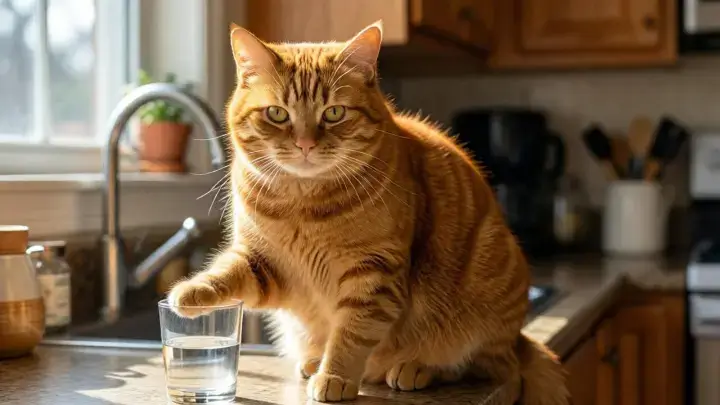
Cats have captivated humans for centuries with their charm, playful nature, and mysterious behavior. Among the many traits cat owners notice, coat color often sparks curiosity and sometimes even myths. One such claim is that are orange cats dumber than cats of other colors. But is there any truth to this idea, or is it simply a misconception? Understanding cat intelligence requires looking beyond fur color to genetics, behavior, and environmental factors.
The Origins of the Myth
The belief that orange cats are less intelligent likely stems from observations of certain personality traits combined with popular culture. Orange cats are often portrayed as goofy or carefree in cartoons and social media posts, giving the impression of lower intelligence. However, anecdotal evidence alone is not reliable for determining a cat’s cognitive abilities.
Understanding Cat Intelligence
Cat intelligence is complex and can be measured in several ways:
- Problem-solving ability – How quickly a cat can figure out puzzles or access food.
- Memory – How well a cat remembers routines, locations, or commands.
- Learning and adaptability – How easily a cat adapts to new situations or environments.
- Social intelligence – How a cat interacts with humans, other cats, or pets.
These factors are influenced by genetics, environment, and individual experiences rather than coat color alone.
Genetics and Coat Color
Orange cats, often referred to as ginger cats, owe their color to the O gene (orange gene) located on the X chromosome. This gene affects the pigmentation of fur but has no direct link to cognitive abilities. Intelligence in cats is influenced by a mix of genes related to brain development, memory, and behavior—not the gene controlling fur color.
Male cats are more likely to be orange due to genetics, which may explain why some studies or anecdotal observations of orange male cats give the impression of certain personality traits. However, male orange cats are not inherently less intelligent than other cats.
Personality Traits of Orange Cats
Studies and anecdotal reports suggest that orange cats tend to display the following traits:
- Affectionate behavior – Many orange cats are friendly and seek attention from humans.
- Playfulness – Orange cats often enjoy interactive play and exploration.
- Sociability – They may be more outgoing than some other cats, leading to playful but sometimes seemingly “silly” behavior.
These traits can be misinterpreted as a lack of intelligence, when in fact they may indicate confidence, curiosity, and strong social instincts.
Intelligence vs. Personality
It’s important to differentiate between intelligence and personality:
- A cat that is more playful or relaxed may appear less “serious” but can still solve complex problems.
- Shyer cats may hide their intelligence but can excel in problem-solving when motivated.
- Cats that seek attention may be more observable, making their “quirks” seem like lack of intelligence.
Thus, orange cats may appear goofy or carefree, but this does not mean they are less intelligent than other cats.
Environmental Influence on Cat Intelligence
A cat’s environment plays a crucial role in cognitive development:
- Stimulation – Cats exposed to toys, climbing structures, and puzzle feeders often display higher problem-solving skills.
- Socialization – Cats that interact frequently with humans or other pets may learn social cues faster.
- Training – Teaching cats tricks or encouraging exploration can enhance mental sharpness.
Regardless of coat color, cats raised in enriched environments are more likely to show signs of intelligence and adaptability.
Scientific Studies on Coat Color and Intelligence
Currently, there is no scientific evidence to suggest that orange cats are dumber than cats of other colors. Research on feline intelligence generally focuses on learning ability, memory, and behavior rather than fur pigmentation. While studies may note correlations between coat color and certain behavioral traits, these do not equate to differences in cognitive capacity.
For example, some studies suggest that tabby and orange cats may be more social or relaxed, which can influence how their behavior is perceived, but this is different from intelligence.
Misinterpretations and Pop Culture Influence
Popular media often exaggerates the “goofy” nature of orange cats:
- Cartoon characters like Garfield are depicted as lazy or silly, reinforcing stereotypes.
- Social media posts frequently highlight funny or clumsy moments of orange cats, creating a biased perception.
While these portrayals are entertaining, they are not accurate measures of intelligence. Observing a cat in a variety of situations provides a more balanced perspective.
How to Recognize an Intelligent Cat
Regardless of color, signs of an intelligent cat include:
- Problem-solving skills – Using paws or other methods to access food or toys.
- Quick learning – Picking up new commands, tricks, or routines easily.
- Curiosity – Exploring new environments or investigating objects.
- Social awareness – Understanding human cues, responding to their name, or showing empathy.
Orange cats often display these abilities just as well as cats of other colors.
Common Misconceptions About Orange Cats
- Orange cats are lazy or stupid – Many orange cats are highly active and social; perceived laziness may simply be personality differences.
- They can’t learn tricks – Orange cats can learn just as effectively as any other cat. Puzzle feeders, clicker training, and interactive toys work well.
- Male orange cats are dumber – The higher frequency of male orange cats may make certain behaviors more noticeable, but this does not reflect intelligence.
FAQs About Orange Cats and Intelligence
1. Are orange cats dumber than other cats?
No. There is no scientific evidence linking orange fur to lower intelligence. Perceived quirks are often personality traits or influenced by environment.
2. Why do orange cats seem goofy?
Orange cats may be more playful and social, leading to humorous or carefree behaviors that can be misinterpreted as low intelligence.
3. Do male orange cats behave differently from females?
Male orange cats are more common due to genetics. Personality differences may exist but are not indicators of intelligence.
4. Can orange cats learn tricks?
Yes. With patience and positive reinforcement, orange cats can learn tricks, respond to commands, and solve puzzles.
5. Does coat color influence cat behavior?
Certain behavioral trends may be correlated with coat color, such as sociability or activity level, but intelligence is independent of fur color.
6. How can I enhance my cat’s intelligence?
Provide toys, puzzle feeders, climbing structures, social interaction, and training to stimulate your cat mentally, regardless of coat color.
Conclusion
The notion that orange cats are dumber is a myth rooted in personality stereotypes, pop culture, and anecdotal observations. Intelligence in cats is influenced by genetics, environment, socialization, and individual experiences—not fur color. Orange cats may appear goofy or playful, but this does not reflect their cognitive abilities.
Understanding and nurturing a cat’s intelligence requires focusing on enrichment, training, and interaction rather than judging based on coat color. With proper care, orange cats can be just as clever, quick-witted, and problem-solving as any other feline.
In the end, every cat is unique. Whether ginger, black, tabby, or calico, their intelligence and personality are shaped by a combination of nature and nurture, and orange cats are no exception to this rule.
For More Visits: Animalsinfo