

As dog owners, we often want to share our favorite foods with our furry companions. Grapes, in particular, and grape-flavored foods like grape jelly, may seem harmless and even delicious. However, there is a lot of confusion about whether can dogs have grape jelly. The answer requires careful consideration of canine health, toxic foods, and safe alternatives. Understanding this topic is crucial for every dog owner who wants to keep their pet healthy and happy.
Why Grapes Are Dangerous for Dogs
Grapes and raisins are well-known for being toxic to dogs. Even small amounts can cause severe kidney damage, sometimes leading to acute renal failure. The exact substance in grapes that causes this reaction is still unknown, but the effects on a dog’s kidneys are well-documented. Symptoms of grape toxicity include vomiting, diarrhea, lethargy, loss of appetite, and in severe cases, kidney failure.
Since grape jelly contains grapes or grape-derived ingredients, it can potentially be harmful to dogs. Even though the concentration of actual grapes in jelly may be lower than in whole grapes or raisins, it is still risky. Dogs have very different digestive systems compared to humans, and what seems harmless to us can be dangerous for them.
Ingredients in Grape Jelly That Concern Dogs
Most commercial grape jellies contain a combination of grapes, sugar, pectin, and sometimes preservatives or artificial flavors. Each of these ingredients can have different impacts on your dog:
- Grapes: As mentioned, grapes are toxic and can cause kidney failure.
- Sugar: High sugar content can lead to obesity, dental problems, and diabetes in dogs.
- Pectin: Generally safe in small amounts, but excessive intake may cause digestive upset.
- Artificial Additives: Colors, preservatives, and artificial flavors can trigger allergies or gastrointestinal discomfort.
Even a small serving of grape jelly can pose health risks. Because dogs vary in size, breed, and sensitivity, what may seem “safe” for one dog could be dangerous for another.
Can Dogs Taste Grape Jelly?
Dogs have a limited sense of taste compared to humans. They do not naturally crave sweets in the way humans do, although some dogs enjoy the taste of sugary foods. Offering grape jelly as a treat is not advisable because:
- Dogs don’t need sugary treats for energy.
- The risk of grape toxicity outweighs any perceived enjoyment.
- Regular consumption of sugar-laden foods can lead to long-term health problems.
Safer Alternatives to Grape Jelly
If you want to share a sweet treat with your dog, there are safer alternatives to grape jelly. Consider the following options:
- Apple or Pumpkin Puree: These provide natural sweetness without toxicity. Ensure there are no added sugars or spices.
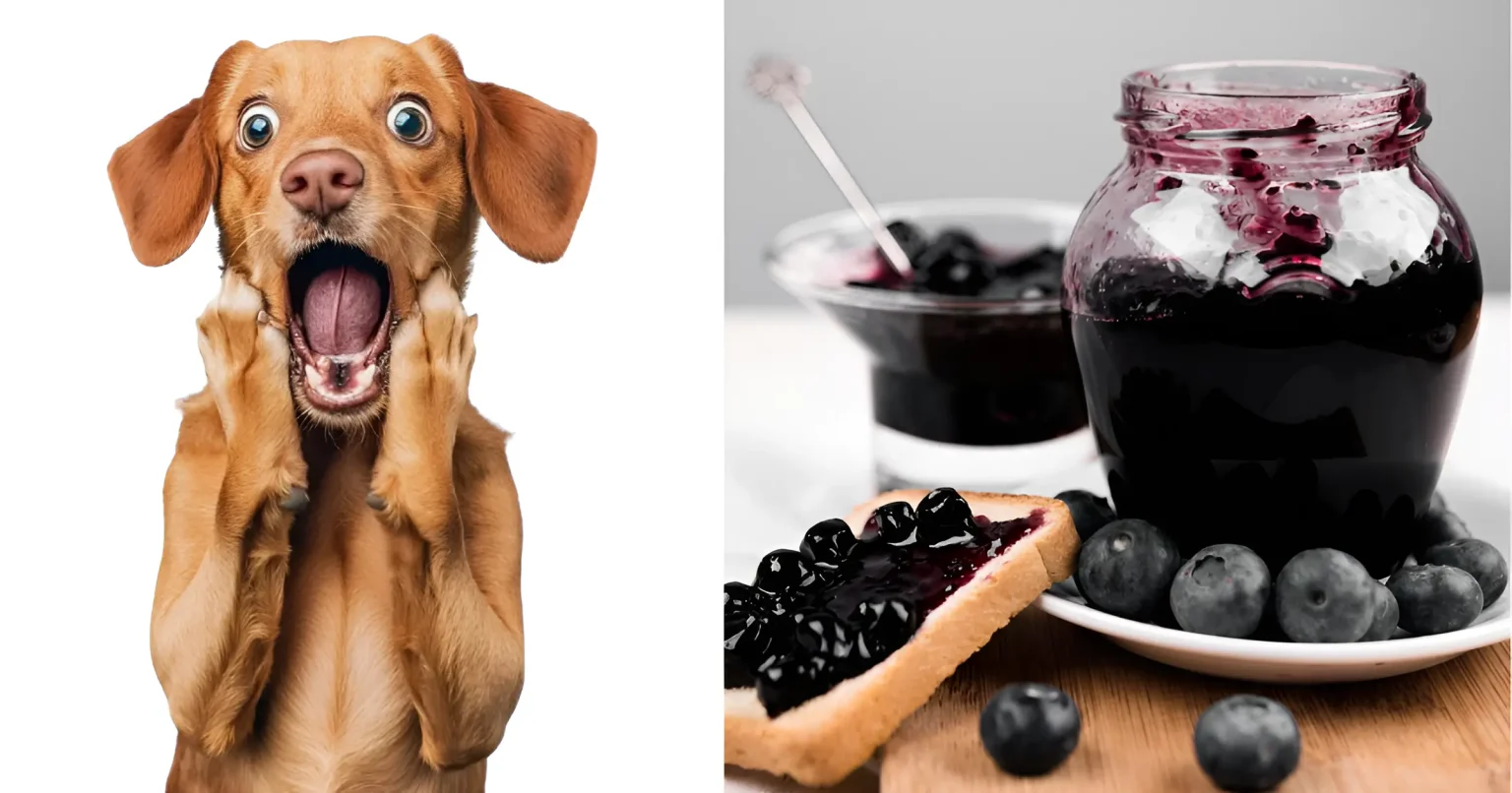
- Blueberry or Strawberry Jam: Made without artificial additives, these fruits are generally safe for dogs in small quantities.
- Homemade Dog-Friendly Jams: Using dog-safe fruits like mango, banana, or pear, you can create jelly-like treats that are healthy and tasty.
Always introduce new treats gradually to monitor for any adverse reactions.
What to Do If Your Dog Eats Grape Jelly
If your dog accidentally consumes grape jelly, immediate action is crucial:
- Check the Ingredients: Determine how much grape content is in the jelly and how much your dog consumed.
- Monitor for Symptoms: Watch for vomiting, diarrhea, lethargy, loss of appetite, or signs of abdominal pain.
- Contact Your Veterinarian: Explain the situation and provide details about your dog’s weight and the amount consumed.
- Induce Vomiting (If Advised): Sometimes, veterinarians recommend inducing vomiting to prevent absorption of toxins. Do not do this without professional guidance.
- Supportive Care: Your vet may provide fluids, medications, or other interventions to protect kidney function.
Time is critical in preventing serious complications from grape ingestion. Acting quickly can save your dog’s life.
Why Dogs Are More Sensitive Than Humans
Dogs metabolize foods differently than humans, making them more vulnerable to certain toxins. Grapes are a prime example. While humans can eat grapes safely, dogs may experience life-threatening kidney damage from even a small amount. Factors that influence toxicity include:
- Dog Size: Smaller dogs are more vulnerable to grape toxicity.
- Breed Sensitivity: Some breeds may be more susceptible to kidney issues.
- Existing Health Conditions: Dogs with kidney disease, diabetes, or other underlying conditions face higher risks.
This is why it is essential to treat grape jelly as potentially toxic and avoid offering it to dogs under any circumstances.
Myths About Dogs and Grape Products
There are several common misconceptions about feeding dogs grape products:
- Myth 1: Cooking grapes makes them safe.
False. Heat does not neutralize the toxic compounds in grapes. - Myth 2: Grape flavoring without real grapes is safe.
Possibly, but check ingredients. Artificial grape flavoring without actual grapes or grape derivatives is generally safe in moderation. - Myth 3: Small amounts of grape jelly won’t hurt.
False. Even a tiny quantity can be harmful depending on the dog’s size and sensitivity.
Understanding the risks helps pet owners make informed decisions and avoid accidental poisoning.
Can Dogs Eat Other Fruit Jellies?
While grape jelly is unsafe, other fruit jellies can be safer options:
- Strawberry Jelly: Safe in small quantities if sugar content is low.
- Blueberry Jelly: Generally safe, high in antioxidants, and healthy for dogs.
- Apple Jelly: Safe if made without seeds or added sweeteners.
Always read labels and avoid jellies with artificial additives, xylitol, or high sugar content, as xylitol is extremely toxic to dogs.
How to Safely Introduce Treats to Your Dog
When offering any new treat or food item to your dog, follow these precautions:
- Start Small: Introduce a tiny amount and monitor for adverse reactions.
- Observe: Watch for vomiting, diarrhea, excessive drooling, or lethargy.
- Check Ingredients: Ensure the treat is free from toxic ingredients like grapes, chocolate, or xylitol.
- Consult Your Vet: When in doubt, your veterinarian can guide safe options.
These steps prevent unnecessary risks and allow your dog to enjoy treats safely.
FAQs About Dogs and Grape Jelly
Q1: Can dogs eat grape jelly occasionally?
No. Even occasional consumption can be harmful due to grape toxicity.
Q2: What happens if my dog eats grape jelly?
Symptoms may include vomiting, diarrhea, lethargy, and kidney issues. Immediate veterinary care is essential.
Q3: Are all fruit jellies safe for dogs?
Not all. Always check the ingredients. Jellies made from safe fruits like apple, blueberry, or strawberry, without sugar or additives, are safer options.
Q4: Can dogs eat grape-flavored candy or treats?
Avoid them. Many grape-flavored candies contain real grape extract or xylitol, both of which are dangerous for dogs.
Q5: What are safe sweet alternatives for dogs?
Dog-safe fruits, homemade jams with safe ingredients, and small amounts of pumpkin or apple puree are excellent alternatives.
Conclusion-can dogs have grape jelly
Dogs cannot safely eat grape jelly. Grapes, the primary ingredient in grape jelly, are toxic to dogs and can lead to severe kidney damage, even in small amounts. Sugar, artificial additives, and preservatives add additional risks. Pet owners should focus on safe alternatives and always prioritize their dog’s health.
By being cautious, reading labels carefully, and consulting veterinarians when needed, you can ensure your dog enjoys safe and healthy treats without risking serious illness. Remember, what is sweet and tasty for humans can be dangerous for dogs, and grape jelly falls into that category. Choosing safe, dog-friendly treats is the key to a happy and healthy canine companion.
For More Visits: animalsinfo
Also Read: Can Dogs Get Mono? 7 Essential Facts You Must Know 2025