


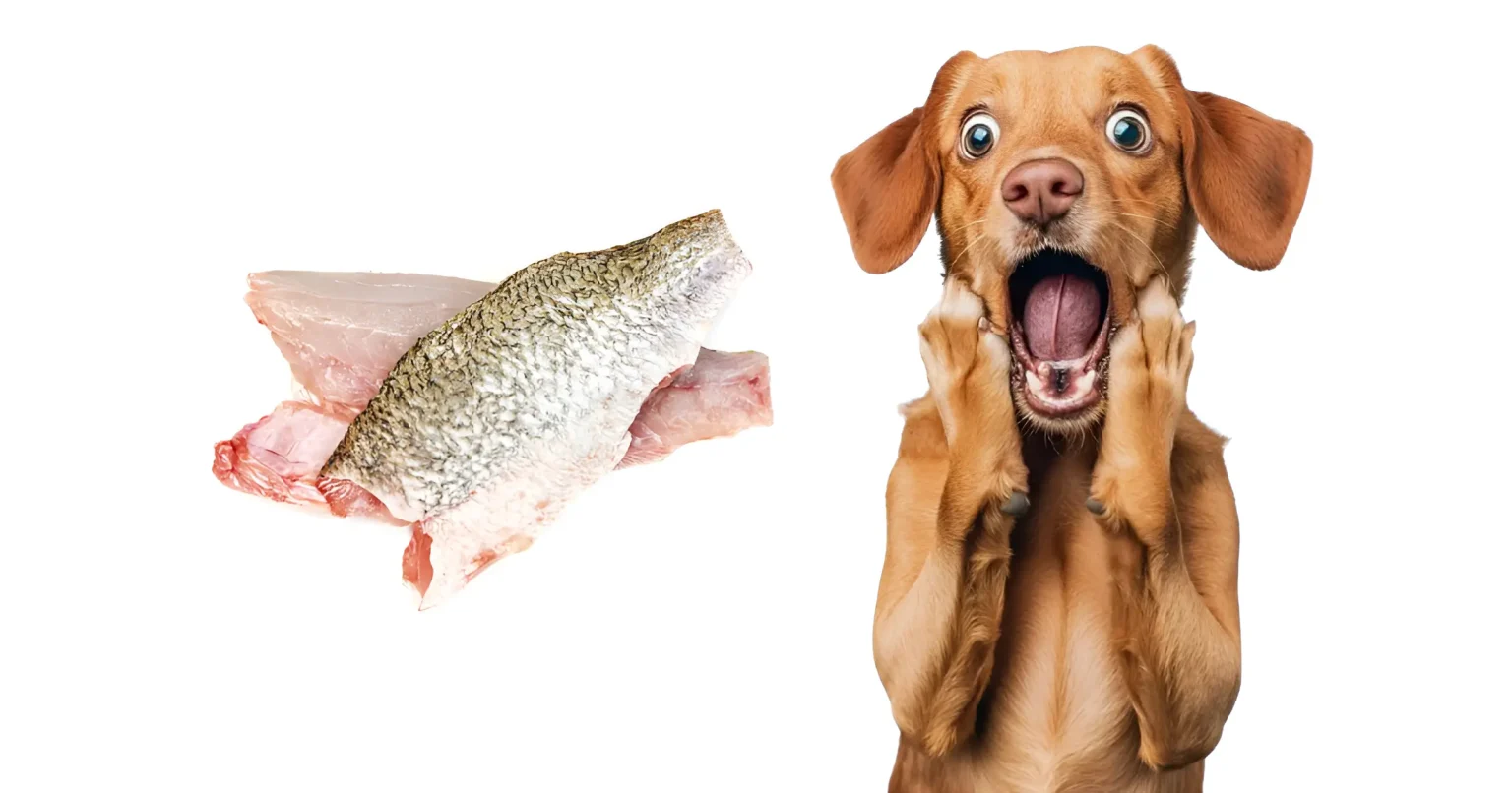
Many dog owners are curious about introducing new foods into their pet’s diet, especially healthy options like fish. One question that often arises is: can dogs eat pollock fish? Pollock is a mild, white fish commonly found in seafood markets and used in many human dishes. While it is a nutritious food for people, it is essential to understand how pollock affects dogs, how to prepare it safely, and whether it is a suitable addition to your dog’s diet.
This guide explores the benefits, risks, preparation methods, portion control, and practical advice for feeding pollock fish to dogs. By the end of this article, you will have a comprehensive understanding to make informed decisions for your pet.
What Is Pollock Fish?
Pollock is a type of white, flaky fish that is popular in human diets. It is commonly used in fish sticks, fillets, and processed seafood products. Pollock is known for its mild taste and low-fat content, making it an appealing option for both humans and pets when prepared correctly.
From a nutritional standpoint, pollock is rich in protein, essential amino acids, omega-3 fatty acids, and several vitamins and minerals, including vitamin B12, phosphorus, and selenium. These nutrients play a crucial role in maintaining overall health.
Are Dogs Allowed to Eat Pollock Fish?
Yes, dogs can eat pollock fish, provided it is prepared properly. Pollock is not toxic to dogs and can provide nutritional benefits when included in moderation. However, there are several important precautions to consider, including cooking methods, portion size, and potential additives that may be harmful.
Nutritional Benefits of Pollock Fish for Dogs
Pollock offers multiple benefits for dogs when fed safely:
1. High-Quality Protein
Pollock is an excellent source of lean protein, which is essential for building and maintaining strong muscles, repairing tissues, and supporting a healthy immune system.
2. Omega-3 Fatty Acids
Omega-3 fatty acids found in pollock promote healthy skin and a shiny coat. They also support joint health and may have anti-inflammatory effects, which can benefit older dogs or those with joint issues.
3. Vitamins and Minerals
Pollock contains vitamin B12, which is important for energy metabolism, and selenium, which supports immune function. Phosphorus in pollock helps maintain strong teeth and bones.
Potential Risks of Feeding Pollock to Dogs
Although pollock is generally safe, certain risks must be considered:
1. Bones
Cooked fish can contain small, sharp bones that pose a choking hazard or may damage the digestive tract. Always remove bones thoroughly before serving pollock to dogs.
2. Seasonings and Additives
Pollock prepared for humans often contains salt, butter, sauces, or spices, which can be harmful to dogs. Ingredients like garlic, onion, and high sodium content are particularly dangerous. Always serve plain, unseasoned fish.
3. Mercury and Environmental Contaminants
All fish can contain trace amounts of mercury or environmental toxins. Pollock is generally considered a low-mercury fish, making it safer than some other species like tuna. However, overfeeding any type of fish can increase exposure to these toxins over time.
4. Allergic Reactions
Some dogs may have sensitivities or allergies to fish. Introduce pollock gradually and observe your dog for any signs of discomfort, such as itching, vomiting, or diarrhea.
How to Safely Prepare Pollock for Dogs
The safest way to serve pollock to dogs is plain and thoroughly cooked. Here are some guidelines:
1. Cooking Methods
- Boiling or steaming is ideal to retain nutrients and avoid added fats.
- Baking without oils, butter, or seasonings is another safe option.
- Avoid frying or pan-searing with oils, which can upset a dog’s stomach.
2. Removing Bones
- Carefully inspect each fillet for bones.
- Use a fork to flake the fish and ensure there are no small, sharp pieces remaining.
3. Serving Size
- Small dogs: 1–2 teaspoons of cooked pollock occasionally.
- Medium dogs: 1–2 tablespoons.
- Large dogs: up to ¼ cup occasionally.
- Pollock should not replace your dog’s regular balanced diet.
Can Puppies Eat Pollock Fish?
Puppies have delicate digestive systems and high protein needs for growth. Small amounts of cooked pollock can be safe for puppies as an occasional supplement. Always introduce new foods slowly, and ensure the fish is plain and boneless. Overfeeding protein or new foods in large quantities can upset their stomach or interfere with balanced growth.
Pollock Fish vs Other Fish for Dogs
Pollock is one of the safer options among fish for dogs. Here’s how it compares:
- Salmon: High in omega-3 but prone to parasites if raw. Cooked salmon is safe.
- Tuna: Higher in mercury, better to limit frequency.
- Cod: Similar to pollock; safe and mild.
- Tilapia: Mild and low-fat, safe if cooked.
Pollock strikes a balance between low mercury, lean protein, and nutritional value, making it a solid choice for occasional feeding.
Benefits of Including Fish in a Dog’s Diet
Feeding fish like pollock to dogs occasionally can provide variety and nutrition benefits, including:
- Enhanced skin and coat health from omega-3 fatty acids.
- Lean protein that supports muscle maintenance.
- Nutrient supplementation that may not be present in all commercial dog foods.
- A low-calorie treat for dogs on weight management plans.
Risks of Overfeeding Pollock
While pollock is safe, overfeeding can lead to problems:
- Digestive upset: diarrhea, vomiting, or gas.
- Nutrient imbalance if fish replaces regular food.
- Excess mercury exposure over time.
- Risk of pancreatitis if fed with added oils or high-fat sauces.
Moderation is key. Use pollock as a supplement or treat rather than a staple.
Homemade Pollock Recipes for Dogs
For owners who enjoy preparing meals for their pets, here’s how to safely serve pollock:
- Steamed Pollock Flakes
- Steam plain fillets until fully cooked.
- Flake into small, bite-sized pieces.
- Mix with regular dog food or serve as a treat.
- Boiled Pollock with Veggies
- Boil fillets and serve with dog-safe vegetables like carrots or green beans.
- Avoid any seasoning.
- Ensure the portion is small to prevent digestive upset.
- Pollock Treats
- Bake thin strips of pollock in the oven without oil.
- Cool completely before giving as a low-calorie, high-protein treat.
Signs Your Dog Did Not Tolerate Pollock Well
Monitor your dog after introducing pollock for the first time. Watch for:
- Vomiting
- Diarrhea
- Excessive gas
- Loss of appetite
- Itching or skin irritation (possible allergic reaction)
If any of these symptoms occur, stop feeding pollock and consult your veterinarian.
Pollock in Commercial Dog Foods
Many dog foods include fish like pollock as a main protein source. These products are formulated to balance nutrients and minimize risks. Feeding plain cooked pollock at home can supplement a dog’s diet, but commercial foods often provide a safer, balanced alternative if you want regular fish-based meals.
Serving Pollock Safely: Key Takeaways
- Cook thoroughly: Never feed raw pollock.
- Remove bones: Flake carefully to avoid choking hazards.
- Avoid seasonings: Salt, spices, butter, or oils can harm dogs.
- Moderation: Serve in small amounts occasionally.
- Monitor reactions: Introduce slowly and watch for any adverse symptoms.
- Balanced diet: Pollock is a supplement, not a replacement for complete dog food.
Final Verdict: Can Dogs Eat Pollock Fish?
Dogs can eat pollock fish safely, provided it is plain, fully cooked, boneless, and fed in moderation. It is a nutritious, low-fat source of protein and omega-3 fatty acids that can benefit skin, coat, and overall health. Avoid human-style preparations with seasonings or sauces, and use pollock as an occasional supplement rather than a daily staple.
By following these guidelines, you can confidently share this healthy fish with your dog without compromising their well-being.
Frequently Asked Questions (FAQs)
Can dogs eat raw pollock?
No, raw pollock may contain parasites and bacteria. Always cook fish thoroughly before feeding.
Are bones in pollock dangerous for dogs?
Yes, cooked fish bones are small and sharp and can choke dogs or damage the digestive tract. Always remove bones completely.
How often can dogs eat pollock?
Pollock should be given occasionally, not daily. Use it as a supplement or treat.
Can puppies eat pollock?
Yes, small amounts of plain cooked pollock are safe for puppies, but introduce gradually.
Is pollock better than salmon for dogs?
Pollock is lower in mercury and leaner than salmon, making it a safer option for occasional feeding.
Can dogs be allergic to pollock?
Some dogs may have fish allergies. Introduce pollock slowly and watch for itching, vomiting, or diarrhea.
Can pollock replace dog food?
No, pollock should never replace a complete dog diet. It is a supplement or occasional treat.
For More Visits: Animalsinfo
Also Read: Are Collard Greens Good for Dogs? Safe & Powerful Guide 2026