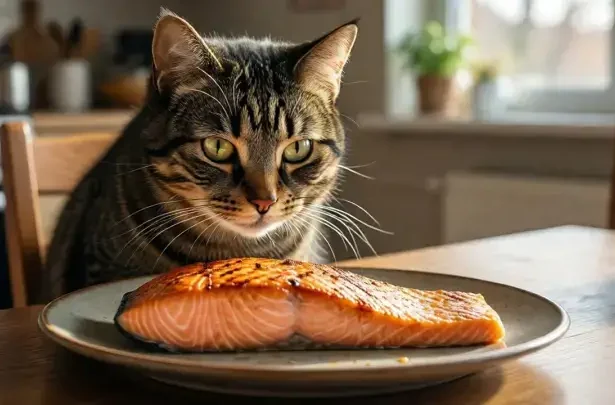


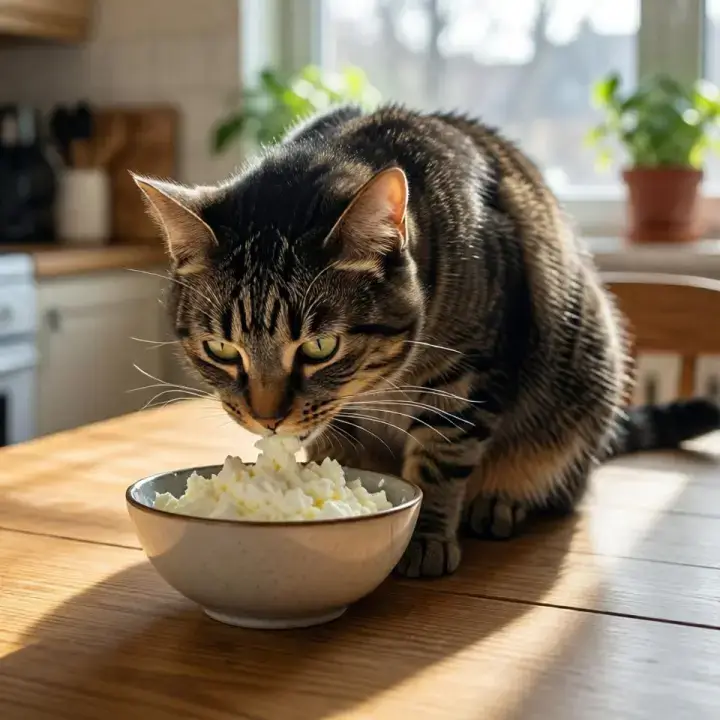
Cats are naturally curious animals, often intrigued by what their human companions are eating. It’s common to see a cat sitting nearby during meal times, watching intently as food is prepared or served. Among dairy products, cottage cheese frequently catches their attention. This raises a common question among pet owners: can cats eat cottage cheese?
The short answer is yes, cats can eat cottage cheese in small amounts. Cottage cheese is generally safe for cats, especially when plain and unseasoned. It contains protein and calcium, which can benefit some cats, but it should only be offered as an occasional treat. Regularly feeding dairy products to cats is not recommended because many cats are lactose intolerant, which can lead to digestive upset.
Understanding the benefits, potential risks, and proper ways to feed cottage cheese to cats is important for maintaining a healthy diet. This guide provides everything cat owners need to know about offering cottage cheese safely.
Understanding a Cat’s Nutritional Needs
Cats are obligate carnivores, which means they require a diet primarily composed of animal-based proteins. In the wild, they consume small prey such as birds, rodents, and insects. These sources provide essential amino acids like taurine, which are critical for heart health, vision, and reproduction.
Unlike humans, cats do not require carbohydrates, fruits, or plant-based foods to meet their nutritional needs. While they may occasionally explore non-meat foods out of curiosity, these items do not contribute significantly to their overall health.
Commercial cat foods are specifically formulated to meet all of a cat’s dietary requirements. They contain high-quality protein, fats, vitamins, and minerals necessary for optimal growth, maintenance, and overall well-being. Treats like cottage cheese should only complement this diet occasionally and never replace balanced cat food.
Are Cats Lactose Intolerant?
Lactose intolerance is common in adult cats. While kittens produce the enzyme lactase in order to digest their mother’s milk, this enzyme diminishes as they grow. Adult cats may have difficulty digesting lactose, the sugar found in milk and many dairy products.
Feeding large amounts of regular milk or other dairy products can lead to digestive upset in lactose-intolerant cats, including:
- Diarrhea
- Vomiting
- Gas or bloating
- Stomach discomfort
Cottage cheese contains less lactose than milk, which makes it easier for some cats to tolerate. Still, it should only be offered in very small portions to gauge your cat’s reaction.
Nutritional Components of Cottage Cheese
Cottage cheese is a dairy product made from curds of cow’s milk. It contains several nutrients:
- Protein: Supports muscle maintenance and overall health.
- Calcium: Important for bone and teeth strength.
- Phosphorus: Works with calcium to support bone health.
- Fat: Provides energy but can contribute to weight gain if overfed.
Despite these nutrients, cats do not need dairy in their diet. Protein and fat from animal meat are far more beneficial. Cottage cheese should only be used as an occasional treat, not a primary food source.
Benefits of Cottage Cheese for Cats
Offering small amounts of cottage cheese can provide minor benefits:
- Protein boost: Cottage cheese is rich in protein, which can support a cat’s overall health.
- Palatability: Some cats enjoy the creamy texture, making it a useful tool for enticing picky eaters.
- Calcium source: Small amounts contribute calcium for bone health, although this is better obtained from complete cat food.
While these benefits exist, they are supplementary. They do not replace the nutritional value of a balanced diet formulated for cats.
Risks of Feeding Cottage Cheese to Cats
Even though cottage cheese is generally safe, there are several risks to consider:
- Lactose intolerance: Some cats may experience diarrhea or vomiting if their digestive system cannot handle dairy.
- High sodium content: Some commercial cottage cheeses are high in salt, which can contribute to dehydration or long-term kidney problems.
- Excess fat: Feeding large amounts of full-fat cottage cheese can lead to weight gain and obesity.
- Artificial additives: Flavored or processed cottage cheese may contain herbs, spices, or preservatives that are unsafe for cats.
Feeding cottage cheese in moderation and choosing plain, low-sodium varieties helps minimize these risks.
How to Safely Offer Cottage Cheese to Cats
If you decide to give your cat cottage cheese, follow these guidelines:
- Choose plain, unflavored cottage cheese: Avoid varieties with added herbs, fruits, or spices.
- Use small portions: A teaspoon or less is sufficient for most cats.
- Observe your cat: Watch for digestive upset such as vomiting, diarrhea, or bloating.
- Limit frequency: Treats like cottage cheese should only be offered occasionally, not daily.
- Check fat content: Low-fat or reduced-fat cottage cheese is preferable for maintaining a healthy weight.
By following these steps, you can safely introduce cottage cheese as an occasional treat.
When Cats Should Avoid Cottage Cheese
Certain cats should avoid cottage cheese entirely:
- Cats with lactose intolerance: Even small amounts may trigger digestive issues.
- Cats with kidney disease: Dairy can increase phosphorus intake, which may stress the kidneys.
- Obese or overweight cats: Cottage cheese adds calories and fat that can worsen weight issues.
- Kittens: Their diet should consist primarily of kitten-specific food to ensure proper growth.
Always consult your veterinarian before introducing new foods, especially if your cat has existing health concerns.
Alternatives to Cottage Cheese for Cats
If your goal is to provide a healthy treat, there are better alternatives than cottage cheese:
- Plain cooked meats: Chicken, turkey, or fish without seasoning provide high-quality protein.
- Commercial cat treats: Designed to be safe and nutritionally balanced.
- Catnip or cat grass: Safe plants that provide enrichment without digestive risk.
These options are better aligned with a cat’s natural dietary needs and provide enrichment without potential health risks associated with dairy.
Moderation is Key
Even safe foods should be offered in moderation. Cottage cheese should only comprise a tiny fraction of a cat’s total daily caloric intake. Overfeeding dairy or treats can lead to:
- Obesity
- Nutritional imbalance
- Digestive issues
By keeping treats limited and occasional, you ensure that your cat’s primary diet remains nutritionally complete.
Frequently Asked Questions (FAQs)
1. Can cats eat cottage cheese every day?
No. Cottage cheese should only be offered occasionally in small amounts as a treat.
2. Is cottage cheese safer than milk for cats?
Yes. Cottage cheese contains less lactose than milk, making it easier for some cats to digest.
3. Can kittens eat cottage cheese?
It’s best to avoid feeding kittens cottage cheese. Their nutritional needs are met through kitten-specific food.
4. How much cottage cheese can I give my cat?
A teaspoon or less is enough for an occasional treat. Adjust according to your cat’s size and tolerance.
5. Are flavored cottage cheeses safe for cats?
No. Flavored or processed cottage cheese may contain additives, salt, or spices that are harmful to cats.
6. What if my cat has digestive upset after eating cottage cheese?
Stop feeding it and monitor for symptoms like diarrhea or vomiting. Consult a veterinarian if issues persist.
Final Thoughts
So, can cats eat cottage cheese? Yes, but only in very small, occasional amounts. Plain, unflavored cottage cheese can be a safe treat and may provide minor benefits such as protein and calcium.
However, it should never replace a balanced cat diet, and owners should be cautious about lactose intolerance, fat content, and potential additives. Treats should remain a minor part of a cat’s overall nutrition to maintain health and well-being.
By following safe feeding guidelines and monitoring your cat’s reaction, cottage cheese can be an occasional, harmless indulgence that satisfies curiosity without compromising their health.
For More Visits: Animalsinfo
Also Read: Can Cats Eat Cranberries? Safe Tips 2026