

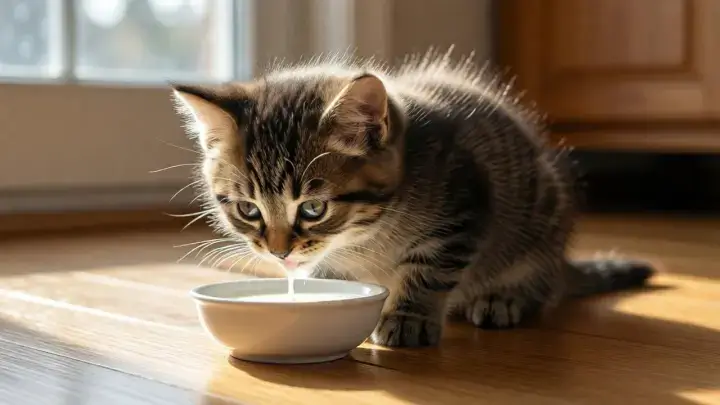
The idea of tasting cat milk is unusual, even intriguing, to many people. While cow’s milk, goat’s milk, and plant-based alternatives dominate human consumption, cat milk remains a largely mysterious subject. This is not just because of its rarity, but also due to the distinct composition and nutritional profile that feline milk possesses. Understanding what does cat milk taste like requires more than just a sensory comparison—it demands an exploration of biology, feline nutrition, and human perception of flavors.
The Composition of Cat Milk
Cat milk is quite different from the milk humans commonly consume. Unlike cow’s milk, which is relatively diluted and high in lactose for human digestion, cat milk is rich in proteins and fats. This richness is biologically necessary: kittens grow rapidly, and their tiny bodies require concentrated nutrients to develop bones, muscles, and immune systems efficiently.
The fat content in cat milk is significantly higher than in cow’s milk, often ranging from 8% to 12%, depending on the mother cat’s diet and the stage of lactation. This high fat content gives cat milk a creamier and more viscous texture. Proteins, particularly whey and casein, are also abundant, making the milk dense and nutrient-packed. Lactose levels in cat milk are moderately lower than cow’s milk, which is interesting because it makes cat milk slightly less sweet, though the sweetness is still noticeable.
This unique composition shapes both the taste and texture. The creamy mouthfeel and subtle sweetness combine with a certain “earthy” undertone, likely derived from proteins and naturally occurring minerals. Some people compare cat milk to very rich goat’s milk but with a slightly tangier undertone, while others describe it as “nutty” or “savory” compared to what we typically perceive as sweet milk.
Texture and Consistency
Texture is a critical factor in the tasting experience. Cat milk is thicker than cow’s milk but not as gelatinous as some specialized milks like camel or buffalo milk. When fresh, it has a smooth consistency that coats the palate in a satisfying manner. This thickness contributes to a perception of richness, often described as luxurious or indulgent in flavor profiles.
Temperature also plays a significant role in taste. Warm cat milk, as naturally consumed by kittens, feels creamier and carries the taste more fully. Cold cat milk, on the other hand, can seem heavier and slightly denser, which might make it less palatable to human taste buds accustomed to cow or plant-based milk chilled in beverages.
Flavor Notes of Cat Milk
Describing the taste of cat milk requires attention to subtle nuances. Many people find that the initial taste is slightly sweet due to lactose, but unlike cow’s milk, this sweetness is not overwhelming. It is more balanced with a naturally occurring savory flavor, a characteristic not commonly found in mainstream dairy products.
Some taste testers mention a hint of “umami,” the savory fifth taste that comes from amino acids present in high-protein milk. This gives cat milk a more complex flavor than typical milk. There is also a faint animalistic undertone, not unpleasant, but very noticeable to those with sensitive palates.
The aftertaste is another distinguishing feature. Unlike cow’s milk, which often leaves a clean or mildly creamy finish, cat milk tends to linger with a mild tanginess. This lingering flavor is attributed to lactic acids and other fermentation-like compounds that naturally develop in milk even before it is ingested.
Why Cat Milk Is Rarely Consumed by Humans
Despite its intriguing taste, cat milk is not widely available for human consumption. There are several reasons for this:
- Health Concerns: Raw cat milk can carry pathogens that are harmful to humans. Unlike commercially processed milk, which is pasteurized to kill bacteria, cat milk in its natural state poses risks if consumed directly.
- Quantity Limitations: A mother cat produces only a limited amount of milk sufficient for her kittens. Unlike cows, which have been selectively bred for high milk production, domestic cats are not a practical source of milk in large quantities.
- Digestibility: While lactose is present, some individuals may find it harder to digest cat milk due to its higher fat content and protein density. This can cause stomach discomfort if consumed in larger amounts.
- Ethical Considerations: Harvesting milk from a cat intended for human consumption could interfere with the nutrition of kittens and is generally considered unethical.
Comparisons with Other Milks
Understanding cat milk’s taste is easier when comparing it with more familiar milks.
- Cow’s Milk: Cow’s milk is milder and less fatty. The sweetness of cow’s milk is more noticeable because of higher lactose and lower protein content. Cat milk, by contrast, has a richer texture and a more complex flavor profile.
- Goat’s Milk: Goat milk is tangy and earthy, and some people find cat milk shares this tanginess. However, cat milk tends to be creamier and less sharp than goat milk.
- Human Breast Milk: Interestingly, cat milk and human breast milk share some similarities in sweetness, but cat milk is significantly richer in fat and protein, designed to support rapid growth. Human milk is more diluted, providing a softer, sweeter taste to infants.
- Plant-Based Milks: Comparing cat milk to almond, soy, or oat milk highlights the fundamental difference: cat milk is naturally animal-based, with fats and proteins not replicable in plant-based alternatives. Its texture and umami flavor are unique and cannot be matched by non-dairy products.
Nutritional Profile of Cat Milk
The taste of cat milk is inseparable from its nutritional content. Cat milk is designed by nature to be a complete food for kittens, which explains its richness. It is high in essential fatty acids, which support brain and eye development. Proteins provide amino acids crucial for growth, while vitamins like A, D, and B12 contribute to bone formation and metabolic health.
Minerals such as calcium and phosphorus are present in optimal ratios for skeletal development. These nutrients, while beneficial for kittens, may influence the taste when experienced by human palates. The richness in fats and minerals can make the milk taste heavier and more “substantial” than what humans are used to.
Historical Perspective on Cat Milk Consumption
Historically, cat milk was rarely consumed by humans. Unlike cow or goat milk, which have been domesticated and cultivated for centuries, cat milk remained an obscure curiosity. Some cultures have occasionally experimented with feline milk, but it was always rare due to the challenges of collection and ethical concerns.
In modern times, interest in cat milk has grown mainly as a scientific curiosity or novelty experience rather than a dietary staple. Animal researchers may study cat milk to understand lactation, nutritional optimization for kittens, and disease prevention, but human consumption remains largely impractical.
Modern-Day Uses of Cat Milk
While not common for human consumption, cat milk has found niche applications:
- Pet Nutrition: Specially formulated cat milk replacers are commercially available for orphaned kittens. These products are designed to mimic natural cat milk in taste, texture, and nutritional content.
- Scientific Research: Studying cat milk composition helps veterinary science understand feline nutrition, immune factors, and maternal health.
- Curiosity Tasting: Some adventurous individuals or pet enthusiasts may taste cat milk to experience its flavor, but such cases are extremely rare and usually controlled to avoid health risks.
Ethical Considerations
Tasting or using cat milk raises ethical questions. Mother cats need their milk for kittens, and extracting milk for humans can interfere with this natural process. Responsible pet care always prioritizes the well-being of the animals over curiosity or novelty.
Furthermore, health risks associated with raw feline milk emphasize that experimentation should never compromise safety. For those genuinely curious about the taste, alternatives like commercially prepared kitten milk replacers offer a safer way to explore the flavor without ethical or health concerns.
FAQs About Cat Milk Taste
1. Is cat milk safe for humans to drink?
Raw cat milk is not recommended for human consumption due to potential pathogens. Pasteurization is required to eliminate bacteria, but this is rarely done commercially.
2. How does cat milk taste compared to cow milk?
Cat milk is richer, creamier, and slightly tangier than cow milk. It has a subtle sweetness but a noticeable savory undertone.
3. Can humans digest cat milk easily?
Some may find it hard to digest due to high fat and protein content. Lactose intolerance could also pose challenges.
4. Why is cat milk so rare?
Cats produce milk in small quantities mainly for kittens. Unlike cows, they are not bred for milk production, making it impractical for human use.
5. Are there any substitutes for tasting cat milk safely?
Yes, kitten milk replacers available in pet stores mimic natural cat milk and provide a safe way to experience its taste without ethical or health risks.
6. Does cat milk have nutritional benefits for humans?
While nutritionally rich for kittens, the benefits for adult humans are limited and not well-studied. The milk is specialized for feline development.
Conclusion-What does cat milk taste like
Cat milk is a remarkable substance, both biologically and gastronomically. Its creamy texture, subtle sweetness, and unique umami undertones make it unlike any milk humans typically encounter. However, rarity, ethical considerations, and potential health risks make it an unlikely candidate for regular human consumption.
For those curious about its taste, exploring safe alternatives like kitten milk replacers can provide insight without compromising animal welfare or personal health. Understanding cat milk goes beyond flavor—it offers a glimpse into the intricate design of nature and how each species develops its own perfect nutritional formula.
In essence, tasting cat milk is more than a culinary experience; it’s an exploration of biology, nutrition, and the delicate balance between curiosity and responsibility.
For More Visits: Animalsinfo
Also Read: Can Dogs Eat Sherbet? 2026 Safe Tips Every Owner Needs