


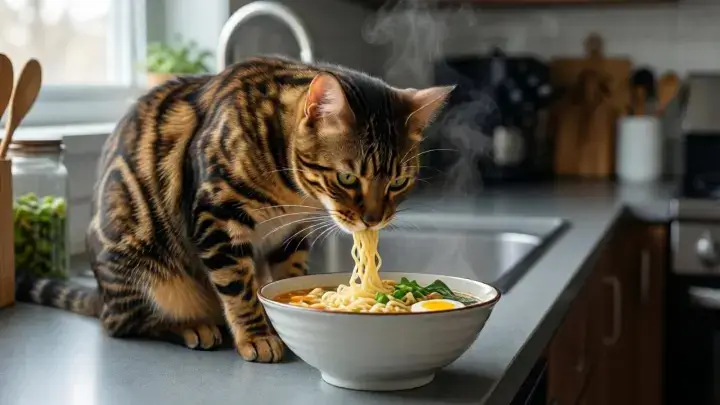
Cats are naturally curious animals, and many will show interest in human foods, especially those with strong aromas or flavorful textures. Among popular human meals, ramen noodles often catch a cat’s attention due to their smell, warmth, and occasional toppings. As an attentive pet owner, you may wonder: Can cats eat ramen noodles safely? Are they just a harmless snack, or do they pose risks to your feline friend’s health?
Understanding the nutritional content, potential dangers, and safe practices is essential before allowing cats to consume any type of human food, including ramen.
What Are Ramen Noodles?
Ramen noodles are a type of wheat-based noodle, originating from Japan but widely consumed worldwide. They are typically quick-cooking, often paired with broth and seasoning packets. Commercially available instant ramen may contain additional flavor enhancers, preservatives, and sodium.
Key components of ramen noodles include:
- Wheat flour: The primary ingredient, rich in carbohydrates.
- Salt: Often included both in the noodles and seasoning packets.
- Flavoring agents: Such as MSG, soy sauce powder, dehydrated vegetables, and spices.
- Fats: Some instant noodles are fried during processing, increasing fat content.
While these ingredients make ramen tasty for humans, they are not naturally suitable for cats, whose digestive systems are designed for high-protein, low-carb diets.
Understanding Cats’ Nutritional Needs
Cats are obligate carnivores, meaning they require nutrients primarily found in animal proteins. Unlike humans, cats do not need carbohydrates as a major energy source. Their diets depend on:
- High-quality animal protein: Essential for muscle growth and maintenance.
- Taurine: A critical amino acid for heart and eye health.
- Fats: Provide energy and support healthy skin and coat.
- Vitamins and minerals: Necessary for overall metabolic function.
Because of these unique dietary requirements, feeding cats carbohydrate-heavy foods like ramen noodles is not ideal. While a tiny amount may not immediately harm a healthy cat, regular consumption can lead to nutritional imbalances and health complications.
Can Cats Eat Ramen Noodles?
Technically, cats can eat plain, cooked ramen noodles in very small amounts, but it should be an extremely occasional treat rather than part of their regular diet. There are several important considerations:
1. Sodium Content
Instant ramen noodles are typically high in sodium due to both the noodles themselves and the seasoning packets. Excess sodium is dangerous for cats and can cause dehydration, kidney strain, high blood pressure, or more severe conditions if consumed in large amounts.
2. Flavoring and Additives
Most packaged ramen contains artificial flavors, MSG, garlic, onion, or other spices. Both garlic and onion are toxic to cats and can damage red blood cells, leading to anemia. Even small amounts of these ingredients can be harmful over time.
3. Carbohydrate Overload
Cats do not require carbohydrates in their diet, and excessive carbs can contribute to obesity, diabetes, and digestive issues. Ramen noodles are high in carbs, so frequent consumption is not recommended.
4. Fats and Oils
Some instant ramen noodles are fried in oil before packaging, increasing fat content. Too much fat can upset a cat’s digestive system and, in some cases, trigger pancreatitis, a serious health condition.
Potential Risks of Feeding Cats Ramen Noodles
While a tiny piece of plain, cooked noodle is unlikely to cause immediate harm, the following risks must be considered:
- Digestive upset: Diarrhea, vomiting, or gas may occur if the cat consumes noodles with seasonings or in large quantities.
- Sodium toxicity: High-sodium foods can cause dehydration, tremors, and kidney stress.
- Toxic ingredients: Garlic, onion, and some spices are highly toxic to cats.
- Nutritional imbalance: Regular consumption may replace protein-rich foods, leading to deficiencies over time.
- Obesity and diabetes: Carbohydrate-heavy foods contribute to weight gain and metabolic disorders in cats.
Safe Ways to Offer Noodles to Cats
If you want to share noodles with your cat, it is crucial to do so safely:
- Use plain, cooked noodles without any seasoning, oils, or butter.
- Cut the noodles into small, bite-sized pieces to prevent choking.
- Serve as an occasional treat only, never replacing a cat’s regular meals.
- Avoid instant ramen seasoning packets entirely, as they are unsafe.
- Introduce noodles slowly to monitor for digestive reactions.
By following these precautions, a small taste of plain noodles can be safe for most cats.
Are Any Types of Ramen Safer Than Others?
Homemade noodles or plain, boiled pasta-style noodles are safer than commercially packaged instant ramen. Avoid fried or flavored noodles entirely. If the goal is to provide variety, small amounts of cooked rice or plain pasta can also serve as safe alternatives, but protein should remain the primary part of the diet.
Occasional Treats vs. Regular Diet
It is important to remember that human foods like ramen noodles are treats, not meals. Cats require a diet formulated for their specific nutritional needs, usually through high-quality commercial cat food or a vet-approved homemade diet. Treats should make up no more than 5–10% of their total caloric intake, ensuring their overall health remains uncompromised.
Behavioral Considerations
Many cats are curious about human food, and sharing small tastes can strengthen bonds between pets and owners. However, feeding inappropriate foods can encourage begging behavior and make it more difficult to maintain a balanced diet. To prevent this, offer safe treats like plain cooked chicken, fish, or commercial cat treats instead of human foods with additives.
FAQs About Cats and Ramen Noodles
1. Can kittens eat ramen noodles?
Kittens should not be fed ramen noodles. Their nutritional needs are higher and more specific, requiring protein, fats, and taurine-rich foods to support growth.
2. Can cats eat instant ramen with flavor packets?
No. Flavor packets contain high salt, spices, garlic, and onion—all of which are toxic or harmful to cats.
3. What happens if my cat eats ramen noodles accidentally?
If the noodles are plain and small in quantity, your cat may be fine. Monitor for vomiting, diarrhea, or lethargy. If the ramen contained seasoning or oils, contact a veterinarian immediately.
4. Can cooked noodles be a healthy treat?
Plain, cooked noodles can be offered as a tiny, occasional treat but provide no essential nutrients and should not replace protein-rich foods.
5. Can ramen noodles cause pancreatitis in cats?
High-fat or fried noodles can increase the risk of pancreatitis, especially in cats prone to digestive sensitivity or obesity.
6. How often can cats safely have plain noodles?
Once in a while as a small treat is acceptable. Frequent feeding is discouraged due to carbohydrate content and potential digestive issues.
7. Are there better human food alternatives for cats?
Yes. Plain cooked chicken, turkey, or fish (without seasoning) are safer, protein-rich options.
Conclusion
In conclusion, cats can eat plain, cooked ramen noodles in tiny amounts, but they are not a suitable part of a cat’s diet. Ramen noodles are high in carbohydrates, low in protein, and often accompanied by harmful seasonings when prepared for humans. Occasional sharing of plain noodles as a treat is generally safe, but it is crucial to avoid flavor packets, fried noodles, and any additives that could harm your cat.
Cats thrive on a diet centered around animal protein, taurine, and essential fats. While small tastes of plain noodles may satisfy curiosity or act as a bonding moment, they should never replace nutritionally balanced cat food. Pet owners should always prioritize the health and safety of their cats when offering any human foods.
Ultimately, while the occasional nibble of plain ramen noodle is unlikely to cause harm, cats’ well-being depends on a diet tailored to their unique carnivorous requirements. Moderation, observation, and safe preparation are the keys to keeping your cat healthy and happy.
For More Visits: Animalsinfo
Also Read: Can Cats Eat Crab Meat? 5 Amazing Tips 2026