

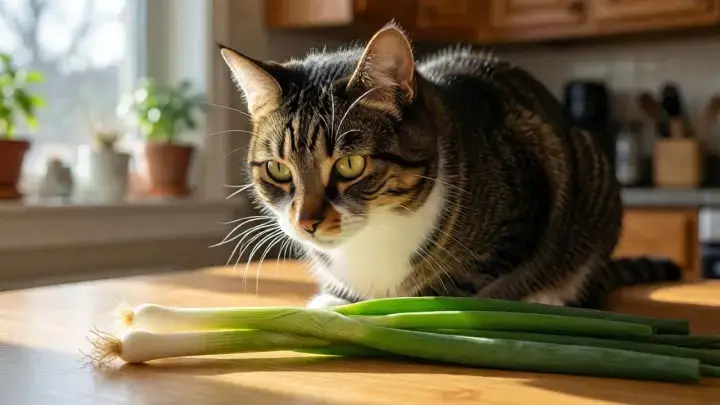
Cats are naturally curious creatures, and their interest in human food can sometimes create concern for pet owners. A common question many ask is: can cats eat green onions? Green onions, also known as scallions, are widely used in human cooking for their mild flavor and aromatic qualities. However, while they are safe and nutritious for humans, they pose serious health risks for cats.
Understanding why green onions are dangerous for cats, how they affect feline health, and what to do in case of exposure is essential for keeping your pet safe. This guide will cover everything you need to know, including risks, signs of poisoning, safe alternatives, and frequently asked questions.
Understanding a Cat’s Natural Diet
Cats are obligate carnivores, meaning their bodies are designed to thrive on animal-based proteins. Unlike omnivores, cats rely primarily on meat to obtain essential nutrients, including taurine, arginine, and arachidonic acid.
In the wild, cats hunt small prey such as rodents, birds, and insects. These foods provide a complete balance of protein, fat, and nutrients that support muscle development, vision, heart health, and overall survival.
Plant-based foods, such as vegetables or spices, are not necessary for a cat’s diet. Many plant compounds, including those in green onions, can be toxic or harmful. Even a small amount can be dangerous depending on the cat’s size and health condition.
What Are Green Onions?
Green onions, also called scallions or spring onions, are part of the allium family, which also includes garlic, onions, leeks, and chives. They have a mild flavor compared to regular onions and are often used fresh in salads, garnishes, soups, and stir-fries.
The key components of green onions include sulfur-containing compounds. These compounds are safe for humans and even provide some health benefits, such as antioxidants and cardiovascular support. However, these same compounds can cause serious damage to a cat’s red blood cells.
Why Green Onions Are Dangerous for Cats
Green onions contain compounds called thiosulfates, which cats cannot metabolize safely. When ingested, thiosulfates can damage red blood cells, leading to a condition called hemolytic anemia.
Hemolytic anemia occurs when red blood cells break down faster than the body can replace them. This prevents oxygen from being efficiently transported throughout the body and can cause severe illness or even be fatal in extreme cases.
Even small amounts of green onions can pose risks, especially for kittens, elderly cats, or cats with underlying health conditions.
Symptoms of Green Onion Poisoning in Cats
If a cat consumes green onions, symptoms may appear within a few hours to a couple of days. Common signs include:
- Weakness or lethargy
- Pale or yellowish gums
- Vomiting or diarrhea
- Loss of appetite
- Rapid breathing or panting
- Dark-colored urine
Severe cases of poisoning may require immediate veterinary attention to prevent serious complications.
What to Do If Your Cat Eats Green Onions
If you suspect your cat has ingested green onions, take the following steps:
- Remove access: Ensure no more green onions are available.
- Observe your cat: Monitor for symptoms like vomiting, lethargy, or unusual behavior.
- Contact a veterinarian immediately: Early intervention is crucial. Bring details about the amount ingested and the cat’s size.
- Do not induce vomiting without guidance: Some home remedies or incorrect actions may worsen the situation.
Veterinarians may administer treatments such as activated charcoal to limit absorption, IV fluids to support hydration, and medications to protect red blood cells.
Why Some Owners Consider Feeding Onions
Sometimes, pet owners may think green onions are safe because the taste is mild, or because they are a small part of a dish. Others may assume that fresh onions are less toxic than cooked or powdered forms.
However, there is no safe amount of green onion for cats. Even a small slice or bit of leftover food containing green onion can be harmful. Cats are more sensitive to allium compounds than humans, and what is minor for us can be serious for them.
Other Allium Vegetables to Avoid
Green onions are part of the allium family, so the following vegetables are also toxic to cats:
- Regular onions (red, white, yellow)
- Garlic
- Leeks
- Shallots
- Chives
All of these contain thiosulfates or related compounds that can lead to hemolytic anemia. Avoid feeding any member of this family to cats in any form, whether raw, cooked, powdered, or as part of human food.
Long-Term Risks of Onion Exposure
Repeated or chronic exposure to onions and related vegetables can lead to cumulative toxicity. Over time, a cat may develop anemia gradually, even if no immediate symptoms appear.
Regular exposure, even in small amounts through leftovers, flavored snacks, or sauces, can quietly damage a cat’s red blood cells. This is why it’s crucial to avoid green onions and all allium vegetables entirely.
Safe Food Practices for Cats
To keep cats safe around human foods, follow these guidelines:
- Avoid feeding human foods that contain onions or garlic.
- Check ingredients in pre-made meals or sauces for allium content.
- Keep kitchen scraps out of reach to prevent accidental ingestion.
- Provide species-appropriate treats like small portions of cooked chicken, turkey, or fish.
- Offer enrichment safely with cat-safe plants like catnip or cat grass.
Proper awareness of what is harmful helps prevent accidental poisoning and ensures a safe environment for your cat.
Healthy Alternatives to Green Onions
While green onions are toxic, there are safe ways to add flavor or enrichment to your cat’s diet:
- Cooked plain meats: Chicken, turkey, or fish can be a safe treat.
- Cat-safe herbs: Catnip, cat grass, or small amounts of parsley can provide sensory enrichment.
- Commercial treats: Specially formulated cat treats provide flavor and nutrition without harmful compounds.
- Pumpkin or squash: Small amounts of cooked pumpkin can be a safe dietary addition and aid digestion.
These options allow for variety in your cat’s diet without compromising health.
Why Prevention Matters
Cats cannot communicate when they feel unwell, and symptoms of green onion poisoning may be subtle at first. Even if your cat seems fine after eating a small amount, delayed effects like anemia can still occur.
Prevention is the best approach:
- Avoid exposing cats to allium vegetables entirely.
- Educate family members, especially children, about the dangers of sharing food.
- Keep kitchen surfaces clean and free from scraps.
Final Thoughts
So, can cats eat green onions? The answer is a definite no. Green onions contain compounds that are toxic to cats and can lead to serious health problems, including hemolytic anemia. Even small amounts can be dangerous, and there is no safe way to feed green onions to cats.
Cats are obligate carnivores, and their diet should focus on animal-based proteins and fats. Treats should be carefully selected to ensure safety and nutritional adequacy. By understanding the risks of green onions and other allium vegetables, cat owners can prevent accidental poisoning and keep their pets healthy and happy.
Frequently Asked Questions (FAQs)
Can cats eat green onions safely?
No, green onions are toxic to cats and can cause serious health problems.
What happens if my cat eats green onions?
Ingesting green onions can lead to vomiting, diarrhea, lethargy, pale gums, and hemolytic anemia. Immediate veterinary attention is recommended.
Is a small amount of green onion safe for cats?
No, there is no safe amount. Even a small piece can cause red blood cell damage in cats.
Are other allium vegetables dangerous too?
Yes, onions, garlic, leeks, shallots, and chives are all toxic to cats.
How can I tell if my cat has been poisoned by green onions?
Look for weakness, vomiting, diarrhea, pale or yellow gums, rapid breathing, and loss of appetite.
What should I do if my cat eats green onions?
Contact a veterinarian immediately. Do not try home remedies without professional guidance.
What are safe alternatives to green onions for cats?
Safe alternatives include plain cooked meat, catnip, cat grass, pumpkin, and commercial cat treats.
For More Visits: Animalsinfo