

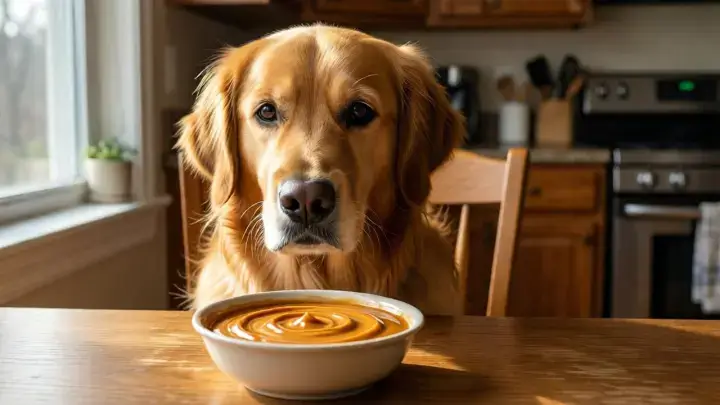
Many pet owners love sharing sweets with their dogs, but not all treats are safe. One dessert that often raises questions is butterscotch. Its rich, sweet flavor is appealing to humans, but can dogs have butterscotch safely? Understanding the ingredients, risks, and alternatives is essential to ensure the safety and health of your furry friend.
What is Butterscotch?
Butterscotch is a sweet confection typically made from butter, brown sugar, cream, and sometimes vanilla. It is used in candies, sauces, and desserts like puddings or cookies. While humans enjoy its rich taste, many of its ingredients can be harmful to dogs.
Commercial butterscotch products may also contain chocolate, nuts, or artificial flavorings, which can increase the risk of toxicity in pets.
Can Dogs Eat Butterscotch? The Risks
Feeding your dog butterscotch is generally not recommended due to several factors:
1. Sugar Content
Butterscotch is extremely high in sugar, which dogs do not require in their diet. Excess sugar can lead to:
- Obesity
- Dental problems
- Diabetes
- Digestive upset like vomiting or diarrhea
Even a small amount of butterscotch is considered an unnecessary treat for dogs.
2. Toxic Ingredients
Many commercial butterscotch products include ingredients that are toxic to dogs, such as:
- Chocolate – Highly toxic to dogs, affecting the heart and nervous system.
- Xylitol – A sugar substitute that can cause life-threatening hypoglycemia and liver damage.
- Nuts – Certain nuts like macadamia nuts are toxic to dogs.
3. Fat Content
Butterscotch often contains butter and cream, which are high in fat. Overconsumption of fatty foods can lead to:
- Pancreatitis
- Weight gain
- Digestive upset
4. Additives and Preservatives
Commercial butterscotch candies may include artificial flavors, colorings, and preservatives that are not safe for dogs.
Because of these risks, veterinarians generally advise against feeding butterscotch to dogs, even in small quantities.
Occasional Exposure: What You Should Know
While butterscotch is not ideal, accidental ingestion of a tiny piece may not be immediately harmful to a healthy dog. However:
- Monitor your dog for vomiting, diarrhea, or lethargy.
- Ensure they do not consume chocolate, xylitol, or nut-containing butterscotch.
- Keep sweets out of reach to prevent repeated exposure.
Even with minimal risk, butterscotch should never be a regular treat.
Symptoms of Butterscotch Toxicity
If a dog consumes butterscotch containing toxic ingredients, signs can appear within hours:
- Vomiting or diarrhea
- Tremors or seizures (from chocolate or xylitol)
- Excessive drooling
- Weakness or lethargy
- Rapid heart rate
In case of ingestion of dangerous ingredients, contact your veterinarian immediately.
Safer Treat Alternatives
Instead of giving your dog butterscotch, you can offer safe, sweet alternatives:
- Pumpkin Puree: Provides fiber and a naturally sweet taste.
- Apples or Bananas: Fresh fruit in small portions can satisfy a sweet craving.
- Dog-Friendly Yogurt: Plain, unsweetened yogurt is creamy and safe.
- Homemade Dog Treats: Using dog-safe ingredients like peanut butter (without xylitol), oats, and pumpkin.
These options let your dog enjoy a “sweet treat” safely.
Dogs with Special Health Concerns
Some dogs are particularly at risk if exposed to butterscotch or sugary foods:
- Dogs with Diabetes: Sugar intake can spike blood glucose levels.
- Dogs with Pancreatitis: High-fat foods can trigger painful flare-ups.
- Obese Dogs: Extra calories from sweets contribute to weight gain and related health problems.
- Dogs with Allergies or Digestive Sensitivities: Dairy or additives can worsen symptoms.
For these dogs, butterscotch should be strictly avoided.
How to Prevent Accidental Ingestion
Preventing your dog from accessing butterscotch is key to keeping them safe:
- Store sweets in high cabinets or secure containers.
- Educate family members and guests about not sharing candy with dogs.
- Offer safe dog-friendly treats as alternatives to reduce temptation.
By taking preventive measures, you reduce the risk of accidental toxicity.
Why Dogs are Attracted to Butterscotch
Dogs are naturally drawn to butterscotch because of:
- Its strong, sweet aroma
- Rich, fatty texture
- High sugar content
Despite their interest, owners must resist giving dogs sweets with potentially harmful ingredients.
Homemade Dog-Safe Butterscotch Alternatives
You can create a dog-safe version of butterscotch flavor without the toxic ingredients:
Ingredients:
- 1/4 cup unsweetened pumpkin puree
- 1 tablespoon peanut butter (xylitol-free)
- 1 teaspoon honey (optional, small amount)
Instructions:
- Mix pumpkin puree and peanut butter in a bowl.
- Add a tiny amount of honey if desired.
- Serve in a small portion as an occasional treat.
This provides a sweet, creamy treat that dogs can safely enjoy.
FAQs About Dogs and Butterscotch
1. Can dogs eat a small piece of butterscotch?
A tiny piece without chocolate or xylitol may not harm a healthy dog, but it should never be a regular treat.
2. Is butterscotch toxic to dogs?
Butterscotch itself is not inherently toxic, but ingredients commonly found in it, like chocolate, xylitol, or nuts, are dangerous.
3. What are safe sweet treats for dogs?
Pumpkin puree, apples, bananas, plain yogurt, and homemade dog treats are healthy alternatives.
4. What happens if my dog eats chocolate butterscotch?
Chocolate is toxic to dogs and can cause vomiting, tremors, seizures, or even death. Seek veterinary care immediately.
5. How do I know if my dog is sensitive to dairy?
Watch for diarrhea, vomiting, gas, or bloating after consuming dairy products.
6. Can butterscotch cause long-term health issues in dogs?
Regular consumption of sugary, fatty treats can lead to obesity, diabetes, dental problems, and pancreatitis.
Conclusion-Can dogs have butterscotch
While dogs may find butterscotch appealing due to its sweet aroma and creamy texture, it is not a safe or recommended treat. The high sugar and fat content, along with potential toxic ingredients like chocolate or xylitol, make it risky for dogs.
Occasional accidental ingestion of a tiny piece may not be harmful, but owners must monitor their pets and avoid making it a regular snack. Safer alternatives like pumpkin puree, apples, bananas, plain yogurt, or homemade dog-friendly treats allow dogs to enjoy a sweet treat safely.
Understanding the risks and offering healthy, dog-safe alternatives ensures your furry friend stays healthy, happy, and free from digestive or toxic complications.
For More Visits: Animalsinfo
Also Read: Can Dogs Eat Flan? 5 Safe Tips 2026