

Can Dogs Eat Chicharon? The Truth Every Dog Owner Needs to Hear
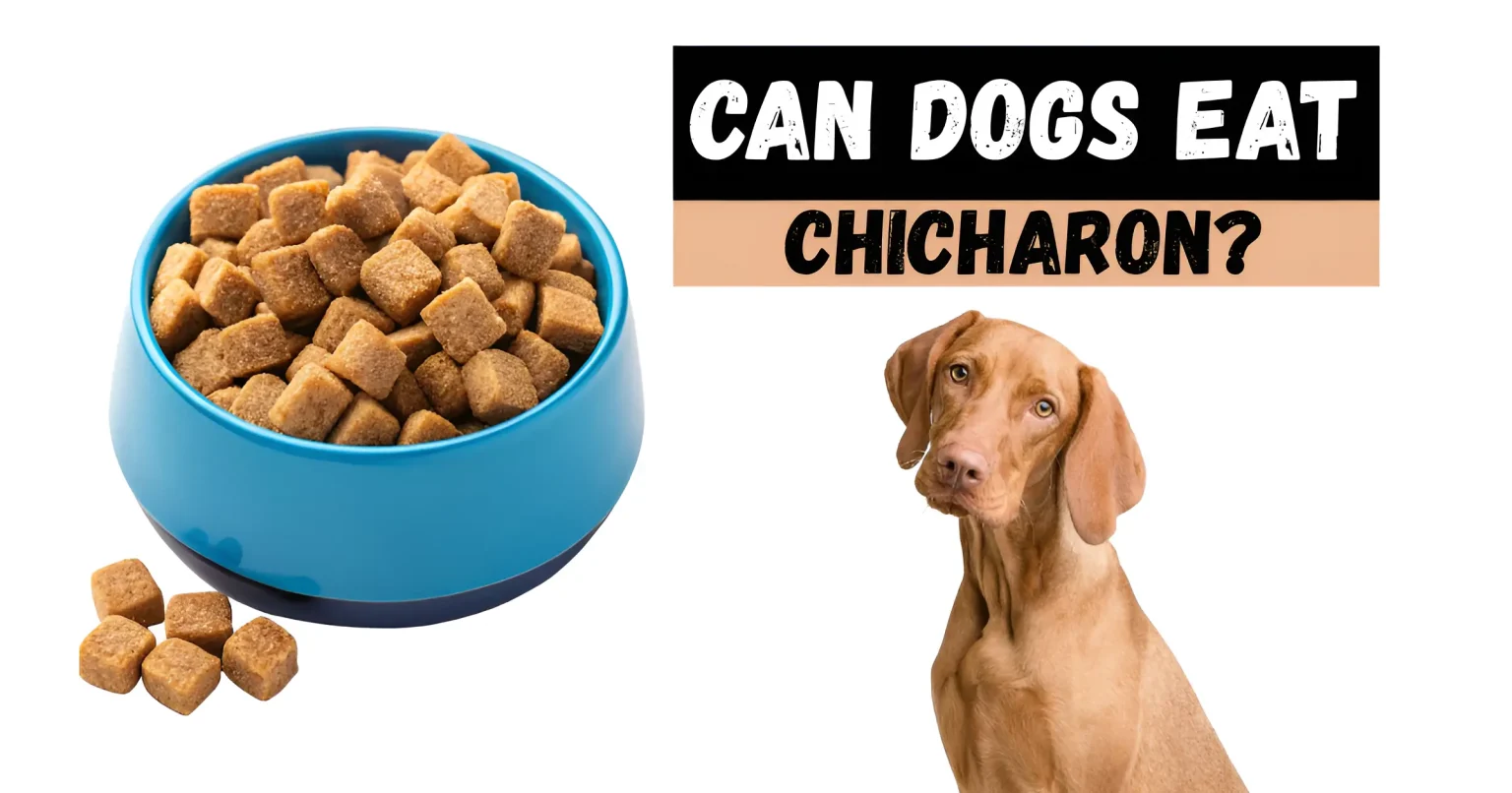
If you have ever been snacking on a crunchy piece of chicharon and caught your dog watching you with that irresistible, hopeful expression, you have probably wondered whether it is okay to share a piece or two. Chicharon is one of those snacks that feels harmless because it is just fried pork skin, right? How bad could it really be? The honest answer is that chicharon is one of those human foods that falls into a genuinely risky category for dogs — not toxic in the way that grapes or chocolate are, but harmful in ways that can quietly build up into serious health problems over time. Before you toss a piece to your dog, it is worth understanding exactly what chicharon does inside a dog’s body and why most veterinarians would strongly advise against making it a habit.
What Exactly Is Chicharon and Why Do Dogs Want It So Badly
Chicharon, also known as chicharrón in Latin American cuisine or simply pork rinds in other parts of the world, is made by deep-frying dried pork skin until it puffs up into that light, airy, crunchy texture that makes it so addictive. In some preparations, it also includes fat and meat attached to the skin, making it even richer. The result is a snack that is extremely high in fat, loaded with salt, and often seasoned with various spices depending on how it is prepared.
Dogs are drawn to chicharon for the same reason they are drawn to almost any meat-based food — the smell. The deep-fried pork aroma is intensely appealing to a dog’s highly sensitive nose. Dogs have roughly 300 million olfactory receptors compared to a human’s 6 million, which means that bag of chicharon you opened across the room is practically screaming at your dog on a sensory level. Their interest in it is completely natural and does not mean it is safe for them to eat.
The Fat Content Is the Biggest Problem
The most immediate and serious concern with chicharon is its extraordinarily high fat content. A single serving of pork rinds can contain anywhere from 5 to 9 grams of fat, and that is based on human serving sizes — which are already small portions relative to what a dog might consume if given free access. For dogs, consuming large amounts of fat in a short period of time is not just an upset stomach situation. It can trigger a dangerous condition called pancreatitis.
Pancreatitis is inflammation of the pancreas, the organ responsible for producing digestive enzymes and regulating blood sugar. When a dog suddenly consumes a high-fat food like chicharon, the pancreas can become overwhelmed and begin releasing its digestive enzymes prematurely, essentially starting to digest itself. The result is painful and potentially life-threatening. Symptoms of pancreatitis in dogs include vomiting, severe abdominal pain, hunching of the back, loss of appetite, diarrhea, and lethargy. In mild cases, dogs recover with veterinary care and dietary management. In severe cases, pancreatitis can be fatal.
What makes this especially concerning is that pancreatitis does not always require a massive amount of fatty food to be triggered. Some dogs, particularly breeds like Miniature Schnauzers, Cocker Spaniels, and Yorkshire Terriers, are genetically predisposed to developing pancreatitis and can have serious episodes from even a modest amount of high-fat food. For these dogs, a few pieces of chicharon could genuinely be a medical emergency.
Salt and Sodium Overload in Dogs
Beyond the fat content, chicharon is one of the saltiest snacks in existence. The heavy salting is part of both the preservation and flavoring process, and the sodium levels in a typical serving are extremely high even by human dietary standards. For dogs, the sodium threshold is significantly lower than it is for people, and excessive salt consumption creates a cascade of problems that can escalate quickly.
When a dog consumes too much sodium, it disrupts the fluid balance in their body. The kidneys are forced to work overtime trying to filter and excrete the excess salt. This leads to increased thirst and frequent urination in mild cases, but in more serious situations it can cause a condition called hypernatremia, or sodium ion poisoning. Dogs experiencing sodium toxicity may show symptoms like excessive thirst, bloating, vomiting, diarrhea, tremors, elevated body temperature, and in severe cases, seizures and death.
Dogs with pre-existing kidney disease, heart conditions, or high blood pressure face even greater danger from high-sodium foods because their bodies are already struggling to maintain proper fluid and electrolyte balance. For these dogs, even a small amount of chicharon could worsen their condition considerably.
Seasonings and Spices Make It Even Worse
Plain, unseasoned chicharon is already problematic because of its fat and sodium content. But most chicharon available in markets and restaurants is anything but plain. It is commonly seasoned with garlic powder, onion powder, vinegar, chili, paprika, or various spice blends depending on regional preparation styles. Several of these ingredients are outright toxic to dogs.
Garlic and onion, in any form — fresh, dried, or powdered — are toxic to dogs and cause damage to red blood cells, leading to hemolytic anemia. Garlic powder is considered significantly more potent than raw garlic by weight, meaning that even a small amount of garlic-seasoned chicharon can deliver enough of the toxic compound to cause harm. Symptoms of garlic or onion toxicity in dogs do not always appear immediately and may take several days to develop, which means a dog can seem fine right after eating and then become seriously ill later.
Chili and spicy seasonings, while not toxic in the same way, cause significant gastrointestinal irritation in dogs. Dogs do not process spicy food the way humans do, and spicy chicharon can lead to stomach pain, vomiting, diarrhea, and general discomfort that may last for hours.
What Happens If Your Dog Already Ate Some Chicharon
If your dog managed to grab a piece or two of chicharon before you could stop them, the situation is not necessarily cause for immediate panic, but it does require attention. A small amount consumed by a large, healthy dog is unlikely to cause severe consequences, though you should still monitor them carefully for the next 24 to 48 hours.
Watch for signs of digestive upset such as vomiting, loose stools, excessive gas, or loss of appetite. Watch for signs of sodium distress including extreme thirst, frequent urination, or unusual restlessness. If your dog consumed a larger quantity, ate heavily seasoned chicharon, or is a small breed, elderly, or has any existing health condition, contact your veterinarian right away rather than waiting to see what happens. When in doubt, a call to your vet or an animal poison control line is always the right move.
Safer Alternatives to Share With Your Dog
Understanding that chicharon is not a good treat for dogs does not mean your dog has to sit and watch you snack with nothing to enjoy. There are plenty of dog-safe alternatives that satisfy the craving for something savory and crunchy. Plain, unseasoned boiled or baked chicken is a favorite among most dogs and provides clean protein without the risks. Small pieces of plain cooked pork with no fat, seasoning, or bone are also generally safe in moderate amounts.
If you are specifically looking for a crunchy treat, there are commercially available dog treats made from dried meat or fish that mimic the texture of crunchy snacks without the harmful fat and sodium levels. Many dogs also enjoy raw carrots, cucumber slices, or small pieces of apple as crunchy snacks that are genuinely healthy and low in calories.
The key principle is always the same: whatever you share with your dog should be simple, unseasoned, and appropriate for their size and health status.
Frequently Asked Questions – Can Dogs Eat Chicharon?
Can dogs eat chicharon in very small amounts? A tiny piece of plain chicharon is unlikely to cause immediate serious harm in a large, healthy dog, but it is still not recommended. The high fat and sodium content make even small amounts a poor choice, and repeated exposure increases the risk of pancreatitis and other problems over time. It is better to avoid it altogether and offer a safer treat instead.
What should I do if my dog ate a lot of chicharon? Contact your veterinarian immediately, especially if the chicharon was heavily seasoned with garlic, onion, or spices. Describe how much your dog ate and what the seasoning contained. Even if your dog seems fine, a vet can advise you on whether monitoring at home is sufficient or whether your dog needs to be seen.
Are pork rinds and chicharon the same thing for dogs? Yes, they are essentially the same food. Whether you call it chicharon, chicharrón, or pork rinds, the base product is deep-fried pork skin with high fat and sodium content. The risks for dogs are the same regardless of what the product is called or where it comes from.
Is there any type of chicharon that is safe for dogs? No commercially prepared chicharon is truly safe for dogs because even the plainest versions contain high levels of fat and salt. Some dog food companies make pork skin-based treats specifically formulated for dogs with appropriate fat and sodium levels — those are a far better alternative if your dog enjoys that texture.
Can puppies eat chicharon? Absolutely not. Puppies have even more sensitive digestive systems than adult dogs, and their developing organs are more vulnerable to the effects of excessive fat and sodium. Chicharon should never be given to a puppy under any circumstances.
My dog ate chicharon and seems fine. Should I still be worried? Not every dog will show immediate symptoms after eating a small amount of chicharon, but that does not mean no harm was done. Pancreatitis, for example, can take hours to develop before symptoms become visible. It is always wise to monitor your dog for at least 48 hours after they eat something high in fat, and to make sure they have access to plenty of fresh water.
The conclusion here is clear: chicharon is a food best kept out of your dog’s reach entirely. The combination of extreme fat, high sodium, and common toxic seasonings makes it one of the more problematic human snacks you could share with a dog. Your dog’s enthusiasm for it does not make it safe — it just makes you the responsible one in the relationship. Choose a treat that your dog will enjoy just as much and that will not put their health at risk. That is the kind of love that actually takes care of them.
For More Visits: Animalsinfo
Also Read: Can Cats Eat Cooked Shrimp? 5 Safe Tips 2026


