

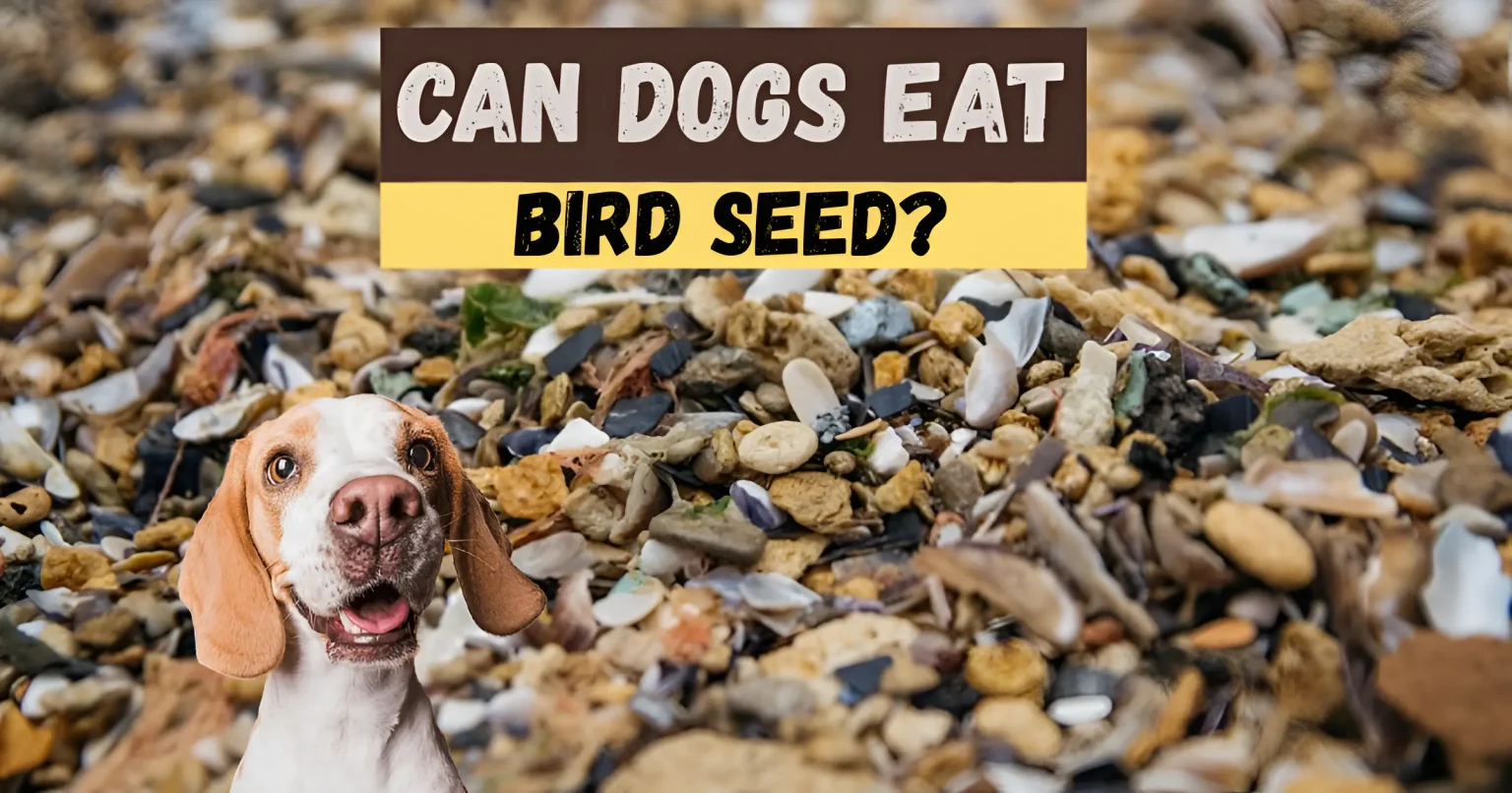
If you have a backyard bird feeder, there is a very good chance your dog has already shown intense interest in whatever falls on the ground beneath it. Can dogs eat bird seed? Dogs are opportunistic eaters by nature, and a pile of scattered bird seed on the ground looks like an all-you-can-eat buffet to most of them. Whether your dog managed to hoover up a mouthful before you could stop them, or you are simply trying to get ahead of the situation before it happens, understanding what bird seed actually does to a dog’s body is genuinely important. The answer is more layered than most people expect — it is not a simple yes or no, and the details of which seeds are involved, how much was eaten, and in what condition the seed was found all play a significant role in determining the level of concern.
What Bird Seed Actually Contains and Why That Matters for Dogs
Bird seed is not a single ingredient. It is almost always a mixture of various seeds blended together to attract different species of birds, and the specific composition varies considerably between products. The most common ingredients found in standard bird seed mixes include sunflower seeds, millet, safflower seeds, nyjer seeds, corn, peanuts, sorghum, and sometimes dried fruits or nuts depending on the blend. Each of these ingredients interacts with a dog’s digestive system differently, and some are significantly more problematic than others.
Understanding what is in the specific bird seed your dog encountered is the starting point for assessing the situation. A bag of plain black oil sunflower seeds presents a very different risk profile than a mixed blend containing raisins or macadamia nuts — both of which are genuinely toxic to dogs. This is why reading the ingredient label on your bird seed bag is not just a good idea but an important step when your dog has gotten into it.
The Seeds That Are Generally Low Risk
Several of the seeds commonly found in bird seed mixes are not inherently toxic to dogs and will not cause serious harm if a small amount is consumed. Plain sunflower seeds, for example, are not toxic to dogs. They contain healthy fats, vitamin E, and some protein. However, sunflower seeds sold for bird feeders are not the same as the lightly salted, human-ready snack version — they are raw and unprocessed, often still in the shell, and that distinction matters. The shells of sunflower seeds are rough and fibrous, and a dog that swallows a large quantity of shells could experience digestive irritation, constipation, or in larger amounts, a potential blockage.
Millet, safflower seeds, and sorghum are similarly low in direct toxicity. These seeds are small, digestible in modest quantities, and unlikely to cause poisoning. Nyjer seeds, sometimes called thistle seeds, are also generally considered non-toxic to dogs. A dog that sniffs out a patch of spilled bird seed containing primarily these ingredients and eats a small amount is probably not in immediate danger, though gastrointestinal upset — loose stools, vomiting, or gas — is still possible simply from the introduction of an unusual food into their system.
The important qualifier in all of these cases is quantity. Even seeds that are not inherently toxic can cause real problems when consumed in large amounts. A dog that eats a few scattered sunflower seeds from the ground is in a very different situation from one that has chewed through a five-pound bag of mixed bird seed.
The Ingredients in Bird Seed That Are Actually Dangerous to Dogs
Here is where the conversation becomes considerably more serious. While many individual seed types are low risk, bird seed mixes frequently contain ingredients that are genuinely toxic to dogs, and these ingredients are sometimes added in quantities significant enough to cause real harm.
Raisins and dried grapes are one of the most dangerous ingredients that appear in premium or fruit-enhanced bird seed blends. Grapes and raisins are well-established as toxic to dogs, capable of causing acute kidney failure even in small amounts. The toxic mechanism is not fully understood, which makes it particularly concerning because there is no established safe dose — some dogs have experienced kidney failure after eating just a small handful of raisins, while others have consumed more with no apparent effect. The unpredictability makes any raisin exposure something to take seriously regardless of the amount.
Macadamia nuts are another ingredient sometimes found in specialty bird seed mixes or wildlife feeds that is toxic to dogs. Macadamia nut toxicity in dogs causes weakness, particularly in the hind legs, vomiting, tremors, and fever. Symptoms typically appear within 12 hours of ingestion and, while rarely fatal, can be severe enough to require veterinary treatment.
Peanuts in their plain, unseasoned form are not toxic to dogs, but bird seed blends sometimes use flavored or salted peanuts, and the added sodium and flavorings create their own concerns. More significantly, peanuts in bird seed are often exposed to moisture and temperature fluctuations in outdoor feeders, which creates conditions favorable for mold growth — and certain molds that grow on peanuts and corn produce aflatoxins, which are among the most potent naturally occurring toxins known. Aflatoxin poisoning in dogs causes liver damage, and symptoms may not appear immediately, making it difficult to connect the cause to the outcome without veterinary testing.
Corn in bird seed is another aflatoxin risk. When bird seed sits in a feeder through rain and humidity cycles, the corn in particular can develop mold rapidly. Dogs that eat moldy bird seed — whether directly from a feeder they have knocked over or from seed that has fallen and sat on the ground through wet weather — are at risk of mycotoxin poisoning, which can cause vomiting, tremors, seizures, and liver damage depending on the type and quantity of mold involved.
The Problem of Spoiled and Moldy Bird Seed on the Ground
This point deserves its own discussion because it is one of the most commonly underestimated risks associated with dogs and bird feeders. The seed that falls from a feeder and accumulates on the ground beneath it is not fresh seed in the same condition as what was originally poured into the feeder. It sits exposed to rain, morning dew, animal saliva from birds, and temperature changes — all of which accelerate spoilage and mold growth significantly.
Dogs are drawn to precisely this ground-level accumulation, and it is often the moldiest, most decomposed seed that ends up on the ground after being picked through by birds and squirrels. A dog that regularly grazes beneath a bird feeder is repeatedly exposing themselves to whatever molds and bacteria have developed in that seed over time. Chronic low-level aflatoxin exposure is particularly insidious because it causes cumulative liver damage that may not produce obvious symptoms until significant harm has already been done.
This is one of the strongest practical reasons to either relocate your bird feeder to an area your dog cannot access, place a catch tray beneath it to collect fallen seed and clean it regularly, or simply discontinue the feeder if keeping your dog away from it is not realistic in your yard setup.
What Happens When a Dog Eats Too Much Bird Seed
Even in the absence of toxic ingredients or mold, consuming a large quantity of bird seed creates mechanical and digestive problems for dogs. Bird seed is calorie-dense and high in fat from the oils present in sunflower seeds and other ingredients. A dog that eats a substantial amount in one sitting is essentially consuming a very high-fat meal in an unfamiliar form, which can trigger pancreatitis — the same condition discussed in relation to fatty human foods like fried pork skin.
The husks and shells present in unprocessed bird seed also add a significant fiber load that a dog’s digestive system is not accustomed to. This can result in bloating, gas, stomach pain, and diarrhea. In dogs with sensitive stomachs or pre-existing digestive conditions, even a modest amount of bird seed consumed in one episode can cause several days of digestive disruption.
The salt content in some bird seed blends, particularly those that include seasoned nuts or flavored corn, adds sodium toxicity to the list of potential concerns for dogs that eat large quantities.
What to Do If Your Dog Already Ate Bird Seed
If you caught your dog eating bird seed and are now trying to figure out what to do, the first step is to identify exactly what was in that seed mix. Check the bag for the full ingredient list and look specifically for raisins, dried grapes, macadamia nuts, or any other additives beyond plain seeds. If any of those toxic ingredients are present, contact your veterinarian or an animal poison control line immediately without waiting for symptoms to appear.
If the ingredient list appears to contain only standard seeds with no obvious toxic additions, assess roughly how much your dog ate and monitor them over the next 24 to 48 hours for any signs of digestive distress, unusual lethargy, loss of appetite, or neurological symptoms like tremors or weakness. Make sure your dog has access to plenty of fresh water, as the high fiber and fat content of bird seed can contribute to dehydration as the digestive system works to process it.
If the seed your dog ate was from the ground beneath a feeder and may have been sitting there through wet weather, the mold risk makes a call to your vet worthwhile even if the ingredient list looks clean. Describing the situation — how long the seed had been on the ground, whether it showed any visible signs of mold or clumping — will help your vet advise you appropriately.
How to Prevent Your Dog From Getting Into Bird Seed
Prevention is considerably easier than treatment, and there are several practical approaches depending on your yard setup. Hanging feeders at a height that is genuinely out of reach for your dog is the most straightforward solution, combined with placing them away from structures your dog could use to get closer to the feeder. Using a seed tray or catch basin beneath the feeder to collect fallen seed and emptying it regularly eliminates the ground-level accumulation that attracts dogs most strongly.
Some dog owners choose to use bird seed varieties that are less appealing to dogs — nyjer seed feeders attract finches but tend to be less interesting to dogs than mixed seed feeders with peanuts and corn. Designated feeding areas separated from your dog’s yard access by fencing or gates are another practical solution for households where bird watching is a priority but so is keeping the dog safe.
Frequently Asked Questions – Can dogs eat bird seed?
Can a dog die from eating bird seed? Death from bird seed alone is uncommon in healthy dogs that consume a moderate amount of standard seed mixes. However, bird seed containing toxic ingredients like raisins or macadamia nuts, or heavily moldy seed containing aflatoxins, can cause serious organ damage that is potentially fatal without prompt veterinary treatment. The risk depends heavily on what was in the seed and how much was consumed.
Is sunflower seed from a bird feeder safe for dogs? Plain sunflower seeds are not toxic to dogs, but the shells can cause digestive irritation and potential blockages in large quantities. Seeds from a bird feeder may also be contaminated with mold or bacteria from outdoor exposure, which adds risk beyond the seeds themselves.
My dog eats bird seed from the ground every day. Should I be worried? Yes, regular daily consumption of ground-level bird seed is a genuine concern, primarily because of the cumulative mold and aflatoxin exposure from seed that has been sitting outside. Chronic aflatoxin ingestion causes liver damage that may not produce obvious symptoms until it is advanced. A veterinary checkup and liver function testing would be appropriate if this has been happening over an extended period.
What are the signs of aflatoxin poisoning in dogs? Signs of aflatoxin poisoning include vomiting, lethargy, loss of appetite, yellowing of the eyes or gums (jaundice), and unusual bruising or bleeding. These symptoms can be delayed and may not appear until days after exposure, which is why prevention and early veterinary consultation are so important.
Can bird seed cause blockages in dogs? Yes, particularly if a dog consumes a large quantity of seed with intact shells or husks. The fibrous, indigestible material can accumulate and obstruct the gastrointestinal tract, especially in smaller dogs. Signs of a blockage include repeated vomiting, absence of bowel movements, abdominal swelling, and signs of pain or distress.
Are there any types of bird seed that are completely safe for dogs? No bird seed blend can be considered completely safe for dogs because of the outdoor exposure to mold, the potential for toxic additives, and the digestive disruption caused by consuming large quantities of any seed mix. The safest approach is simply to prevent your dog from accessing bird seed altogether rather than trying to identify a version that is acceptable for them to eat.
The situation with dogs and bird seed is one where the casual attitude many pet owners have — assuming it is just seeds and cannot be that bad — does not hold up well under scrutiny. The combination of potentially toxic ingredients, near-certain mold exposure in outdoor conditions, and the high-fat digestive burden of large seed quantities makes bird seed a genuinely risky food for dogs. Your bird feeder does not have to go, but making it inaccessible to your dog is not an overreaction. It is just responsible pet ownership applied to a situation that does not always get the attention it deserves.
For More Visits: Animalsinfo
Also Read: Can Cats Eat Lemon? 5 Safe Facts 2026