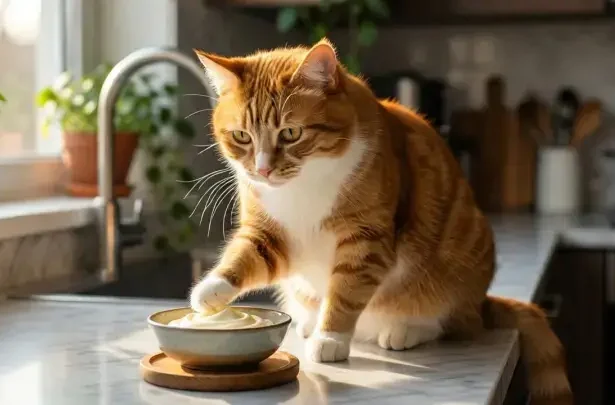



If you have ever sliced open a lemon in your kitchen and watched your cat immediately wrinkle their nose and back away, that reaction is actually telling you something important. Unlike dogs, who will often try to eat almost anything out of curiosity, most cats instinctively avoid citrus fruits. That instinct, as it turns out, is not a quirk — it is biology protecting them from something genuinely harmful. Lemon is one of those foods that sits in a completely different category from mildly risky human foods. It is not a matter of portion size or preparation method. Can cats eat lemon? Lemon, in essentially all of its forms, is toxic to cats, and understanding exactly why that is the case could make a real difference for your cat’s safety.
The Reason Most Cats Hate the Smell of Lemon
Before getting into the toxicity, it is worth understanding why the majority of cats react so strongly and negatively to the scent of lemon and other citrus fruits. Cats have an extraordinarily developed sense of smell — their olfactory system is estimated to be between 14 and 40 times more sensitive than a human’s. What smells pleasantly tart and fresh to us registers as an overwhelming, almost offensive assault of scent compounds to a cat.
Citrus fruits contain volatile aromatic compounds that cats find deeply unpleasant on a neurological level. This is actually why lemon-scented sprays and citrus-based deterrents are commonly recommended as a way to keep cats away from furniture or specific areas of the home. The aversion is so consistent across cats that it has become a practical tool in feline behavioral management. So when your cat backs away from a lemon, they are not being dramatic — they are responding to an odor that their senses are reading as genuinely repellent.
This natural aversion is actually protective in an important way. Because most cats find citrus so off-putting, accidental ingestion is less common than it might otherwise be. However, the aversion is not universal, and some cats — particularly younger or more curious ones — may still investigate or nibble on citrus-related items out of curiosity. That is where the danger begins.
Why Lemon Is Genuinely Toxic to Cats
Lemon contains several compounds that are toxic to cats, and the danger is not limited to the juice. The entire lemon plant — the fruit, the peel, the seeds, the leaves, and even the stems — contains substances that can harm a cat’s body. The primary toxic compounds are psoralens and essential oils, specifically limonene and linalool.
Limonene is a chemical compound found in high concentrations in the peel and rind of lemons and other citrus fruits. It is used in many cleaning products, air fresheners, and insecticides, which should give you a sense of how potent it is. In cats, limonene is processed by the liver, but cats lack certain liver enzymes that would allow them to metabolize it efficiently. As a result, the compound accumulates in their system and causes toxic effects. Linalool, another citrus-derived compound, behaves similarly and is equally problematic for feline metabolism.
Psoralens are a class of naturally occurring compounds found in citrus plants that cause photosensitization — essentially making the skin abnormally sensitive to ultraviolet light. In cats that are exposed to psoralens and then exposed to sunlight, this can result in serious skin reactions and burns.
What makes lemon particularly dangerous is that the highest concentration of these toxic compounds is found not in the juice but in the peel and the essential oils extracted from it. This means that lemon-flavored foods, lemon-scented products, lemon essential oil diffusers, and lemon zest all carry significant risk — in some cases more so than the juice itself.
What Happens to a Cat That Ingests Lemon
The symptoms of lemon toxicity in cats can range from mild to severe depending on how much was ingested and in what form. Even a small amount of lemon juice or peel can cause noticeable gastrointestinal distress. Larger amounts or exposure to concentrated lemon essential oil can produce symptoms serious enough to require emergency veterinary care.
On the milder end of the spectrum, a cat that licked a small amount of lemon juice might experience drooling, vomiting, and diarrhea. These symptoms are the body’s attempt to expel the toxic substance quickly, and while uncomfortable, they typically resolve within a few hours if no further exposure occurs. However, even these milder symptoms are a sign that something genuinely harmful entered your cat’s system and should not be dismissed.
More significant exposure produces more alarming symptoms. Cats that consume lemon peel, lemon essential oil, or larger quantities of lemon juice may develop depression and lethargy, weakness and loss of coordination, tremors or muscle trembling, cold limbs due to poor circulation, and in severe cases, liver damage and collapse. Cats are particularly vulnerable to liver damage from citrus compounds because of how their metabolic system is structured, and repeated exposure even in small amounts can contribute to cumulative liver stress over time.
Lemon essential oil deserves special mention because it is far more concentrated than fresh lemon and therefore far more dangerous. A few drops of lemon essential oil contain the same toxic load as a much larger quantity of fresh lemon, and cats can be exposed not just by ingesting it directly but by walking through a spill and then grooming it off their paws, or by inhaling concentrated diffused oil in an enclosed space over an extended period of time.
Forms of Lemon That Are Dangerous and Often Overlooked
Most cat owners understand that they should not feed their cat a slice of lemon, but the danger of lemon extends into products and situations that are much easier to overlook. Lemon-scented cleaning products used on floors or countertops can leave residue that a cat walks through and then grooms off their paws. Lemon-flavored human foods like lemon cake, lemon cookies, lemon curd, or lemon-flavored candies contain lemon derivatives that are harmful, combined with other ingredients like sugar, butter, and artificial sweeteners that bring their own risks.
Lemon essential oil used in diffusers is a growing concern as aromatherapy becomes more popular in homes. While the airborne concentration from a diffuser used in a well-ventilated space may be low enough that occasional exposure does not cause acute symptoms, cats with respiratory sensitivities can react to diffused citrus oils, and prolonged exposure in enclosed rooms is not advisable. Direct contact with undiluted lemon essential oil — whether the cat walks through a spill or the oil is applied to their skin or coat — is significantly more dangerous and should be treated as a toxic exposure requiring veterinary attention.
Lemon grass, while technically a different plant, is another citrus-adjacent item worth being cautious about. Lemon verbena and lemon balm, which are sometimes grown as household herbs, also contain compounds that cats should not ingest in significant quantities.
What to Do If Your Cat Eats or Is Exposed to Lemon
If you witnessed your cat eating or licking lemon — whether it was juice, peel, a lemon-flavored food, or essential oil — the first thing to do is stay calm and assess the situation. Note what form of lemon was involved, approximately how much your cat was exposed to, and when the exposure happened. This information will be important when you contact your veterinarian.
Do not wait to see if symptoms develop before reaching out for professional guidance. Some toxic effects have a delayed onset, and early intervention is always better than waiting until your cat is visibly unwell. Your veterinarian or an animal poison control line can help you determine whether your cat needs to be seen immediately or can be safely monitored at home based on the specific details of the exposure.
If your cat came into contact with lemon essential oil on their fur or paws, gently wash the affected area with mild soap and water to remove as much of the oil as possible and prevent further ingestion through grooming. Do not use any citrus-based soap or cleaning product in doing so, and rinse thoroughly.
Keeping Your Home Safe for Your Cat Around Citrus
Practical prevention is straightforward once you understand where the risks lie. Store lemons and other citrus fruits in a refrigerator or a closed pantry rather than in a fruit bowl where a curious cat might investigate them. Be mindful of cleaning products that contain lemon or citrus — opt for cat-safe formulations whenever possible, particularly for surfaces your cat walks on or areas they frequent.
If you enjoy using essential oil diffusers, avoid diffusing lemon or other citrus oils in rooms where your cat spends significant time, and always ensure good ventilation in any space where a diffuser is running. Never apply essential oils to your cat’s skin or coat, and keep bottles stored securely where a cat cannot knock them over and walk through the spill.
Frequently Asked Questions – Can cats eat lemon?
Can cats eat lemon-flavored food like lemon cake or lemon candy? No. Lemon-flavored human foods should not be given to cats. They contain lemon derivatives that carry the same toxic compounds as fresh lemon, combined with sugar, butter, and potentially artificial sweeteners like xylitol — which is extremely toxic to pets. None of these foods are appropriate for cats under any circumstances.
My cat licked a tiny bit of lemon juice. Should I be worried? A very small amount of lemon juice from a single lick is unlikely to cause severe toxicity, but it can still cause drooling, vomiting, or stomach upset. Monitor your cat closely for a few hours. If symptoms appear or you are concerned about how much was ingested, contact your veterinarian for guidance.
Is lemon essential oil dangerous for cats even if they do not eat it? Yes. Lemon essential oil is dangerous both through ingestion and skin contact. Cats that walk through spilled oil and then groom their paws are effectively ingesting it. Prolonged inhalation of concentrated diffused oil in enclosed spaces also poses a risk, particularly for cats with respiratory sensitivities.
Are all citrus fruits equally toxic to cats? All citrus fruits — including oranges, limes, grapefruits, and tangerines — contain the same class of toxic compounds as lemons. While the concentration may vary slightly between fruits, none of them are safe for cats to eat, and all carry the same basic risks.
Can lemon be used to keep cats away from certain areas? Yes, the strong smell of citrus is a well-known feline deterrent and is generally considered safe for this purpose when used appropriately — such as placing lemon peels near a garden or using a diluted citrus spray on furniture. The key is ensuring the cat cannot directly ingest the lemon material being used and that the concentration is not so high as to cause respiratory irritation.
What is the difference in risk between lemon juice and lemon peel? Lemon peel is actually more dangerous than lemon juice because the toxic essential oils are most concentrated in the rind and outer skin of the fruit. The juice, while still harmful, contains lower concentrations of limonene and linalool than the peel does. This means that products containing lemon zest or lemon peel derivatives carry a higher toxic load than those containing only lemon juice flavoring.
The takeaway here is unambiguous: lemon is not a food that cats can have in moderation, and it is not a case of preparation method making the difference. The toxic compounds in lemon are present throughout the entire plant, are found in concentrated form in products derived from it, and cannot be processed safely by a cat’s liver the way a human body handles them. Your cat’s instinctive aversion to citrus is one of the smarter reflexes nature gave them. The best thing you can do as a cat owner is respect that instinct, understand where lemon appears in your home beyond just the fruit bowl, and keep all forms of it safely out of your cat’s reach.
For More Visits: Animalsinfo
Also Read: Can Dogs Eat Cardboard? 5 Safe Facts 2026