


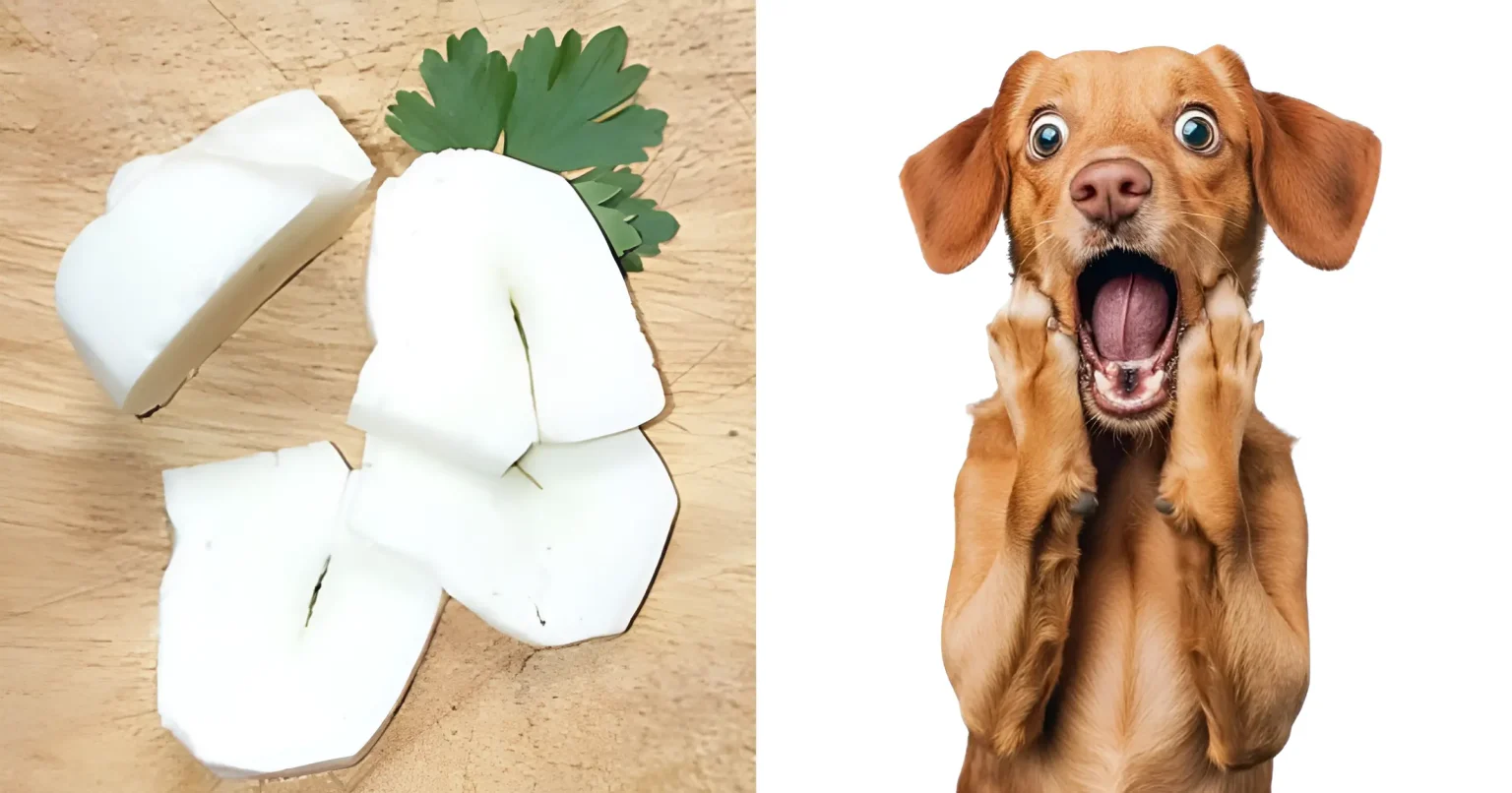
Dogs are naturally curious about the foods we eat, and many pet owners love to share their meals with their furry friends. One food that often raises questions is can dogs eat halloumi, a semi-hard, salty cheese that is popular in Mediterranean cuisine. While humans enjoy halloumi grilled, fried, or fresh in salads, it’s important to understand whether it’s safe for dogs. In this guide, we’ll discuss the nutritional content of halloumi, the risks it poses to dogs, safe alternatives, and practical feeding advice.
What Is Halloumi?
Halloumi is a cheese originating from Cyprus, made from a mixture of goat’s and sheep’s milk, and sometimes cow’s milk. It has a distinctive salty flavor and firm texture that holds up well when cooked. Halloumi is commonly fried, grilled, or eaten raw, and it is often included in Mediterranean dishes.
While halloumi provides protein and calcium, it is also very high in salt and fat, making it unsuitable as a regular part of a dog’s diet. Understanding the composition of halloumi is crucial before considering it for your dog.
Nutritional Content of Halloumi
On average, a 1-ounce (28g) serving of halloumi contains:
- Calories: ~85
- Protein: ~6 grams
- Fat: ~6-7 grams
- Sodium: ~400-500 mg
- Calcium: ~180 mg
The main concerns for dogs are the high sodium content and high fat levels. While protein is essential for dogs, the salt and fat in halloumi can pose serious health risks, especially if consumed frequently or in large amounts.
Can Dogs Eat Halloumi?
Technically, dogs can eat small amounts of halloumi, but it is not recommended. A tiny bite may not immediately harm a healthy adult dog, but halloumi is far from an ideal snack. The high sodium content can lead to dehydration and kidney stress, while the fat can contribute to obesity or pancreatitis.
Feeding halloumi to dogs should always be occasional and in very small quantities, and never as a regular part of their diet. Puppies, older dogs, or dogs with pre-existing kidney, heart, or digestive issues should avoid it entirely.
Risks of Feeding Halloumi to Dogs
1. High Sodium Levels
Halloumi is exceptionally salty. Dogs are much more sensitive to sodium than humans, and excessive salt can lead to:
- Dehydration
- Increased thirst and urination
- High blood pressure
- Sodium ion poisoning in severe cases
Even small amounts of salty cheese like halloumi can be dangerous if consumed regularly.
2. High Fat Content
Halloumi contains a significant amount of fat. While fat is an essential nutrient for dogs, too much can cause:
- Digestive upset, including vomiting and diarrhea
- Weight gain and obesity
- Pancreatitis, a painful and potentially life-threatening condition
Feeding fatty cheeses regularly can strain your dog’s digestive system and lead to long-term health problems.
3. Digestive Issues
Dogs have sensitive stomachs, and rich, salty cheeses like halloumi can cause gastrointestinal discomfort. Symptoms may include:
- Vomiting
- Diarrhea
- Abdominal pain or bloating
Some dogs are more sensitive than others, so even a small piece may trigger digestive issues.
4. Lactose Considerations
Halloumi contains some lactose, though it is lower than soft cheeses. Dogs that are lactose intolerant may experience gas, bloating, and diarrhea after consuming halloumi. Lactose intolerance is common in adult dogs, so it’s important to proceed with caution.
How to Safely Give Halloumi to Dogs
If you decide to offer halloumi as an occasional treat:
- Limit the portion size: Give a very small piece, roughly the size of a pea or less for small dogs.
- Serve plain: Avoid halloumi cooked in oil, butter, or with added seasonings.
- Monitor for symptoms: Watch your dog for vomiting, diarrhea, or unusual behavior after feeding.
- Use infrequently: Halloumi should not be a regular treat. A tiny bite once in a while is enough to satisfy curiosity.
Safe Cheese Alternatives for Dogs
If you want to treat your dog with cheese without the risks associated with halloumi, consider these options:
- Low-fat cottage cheese: Easier to digest and lower in sodium.
- Mozzarella: Mild flavor and lower in salt compared to halloumi.
- Cheddar (small amounts): High-fat but less salty; use sparingly.
Always avoid cheeses with garlic, herbs, or excessive salt, as these can be harmful to dogs.
Why Dogs Are Sensitive to Salt and Fat
Dogs have different metabolic needs compared to humans. Excess sodium can lead to dehydration and kidney strain, while high-fat foods can trigger pancreatitis and long-term obesity. Puppies and older dogs are particularly sensitive, making high-salt, high-fat cheeses a poor choice for these age groups.
Feeding dogs foods like halloumi occasionally may not cause immediate harm, but repeated consumption can have cumulative negative effects.
Myths About Dogs and Cheese
Myth 1: All cheeses are safe for dogs
Not all cheeses are suitable. Highly processed, salty, or flavored cheeses like halloumi, blue cheese, and feta can cause health issues.
Myth 2: Cheese is a healthy treat
Cheese is calorie-dense and often high in fat and salt. While small amounts can be used as training treats, it should not replace balanced dog food.
Myth 3: Dogs love cheese, so it’s fine
Even if dogs enjoy the taste, it does not mean it’s safe. Pleasure does not equal nutrition, and some cheeses can harm their health.
Feeding Guidelines for Dogs
To ensure your dog’s health and well-being:
- Stick to a complete and balanced dog food as the main diet.
- Limit treats to no more than 10% of daily calories.
- Avoid high-salt and high-fat foods like halloumi, processed meats, and pastries.
- Provide plenty of fresh water to prevent dehydration from salty treats.
Following these guidelines will keep your dog healthy while allowing for occasional safe treats.
FAQs About Dogs and Halloumi
Q1: Can puppies eat halloumi?
No. Puppies are more sensitive to salt and fat, making halloumi unsafe for them.
Q2: What happens if my dog eats a lot of halloumi?
Large amounts can lead to vomiting, diarrhea, dehydration, pancreatitis, and in severe cases, organ damage.
Q3: Is cooked halloumi safer than raw halloumi?
Cooking halloumi in oil or butter increases fat content, making it even less safe. Raw halloumi is still high in salt and fat, so it’s not recommended.
Q4: Are there any cheeses completely safe for dogs?
Low-fat cheeses like cottage cheese or mozzarella, given in moderation, are safer. Avoid cheeses with added salt, spices, or garlic.
Q5: How often can I give my dog a tiny piece of halloumi?
Halloumi should be offered very rarely, only a small piece once in a while, and never as a regular treat.
Final Thoughts
While halloumi is a delicious cheese for humans, it is not suitable for dogs due to its high salt and fat content. Occasional tiny bites may not harm a healthy adult dog, but repeated feeding can cause digestive upset, pancreatitis, obesity, and other health issues. Puppies, senior dogs, and dogs with existing health conditions are particularly at risk.
Dog owners should focus on safe, low-sodium, low-fat treats or dog-specific snacks to satisfy their pet’s cravings without compromising their health. Understanding your dog’s dietary needs and avoiding high-risk foods like halloumi ensures your furry companion remains healthy, happy, and energetic for years to come.
For More Visits: Animalsinfo
Also Read: Can Dogs Eat Nutella? 5 Safe Tips for 2026


