

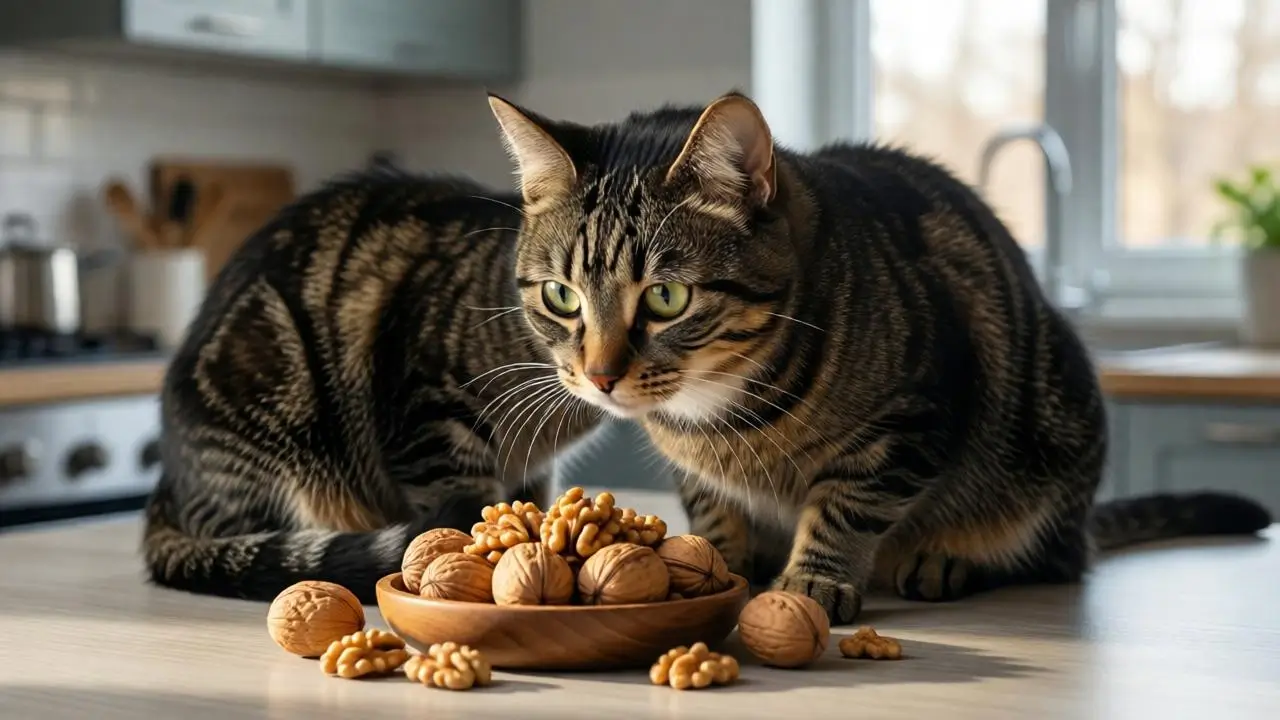
When cat owners search for “can cats eat walnuts,” they are usually trying to make sure they are not accidentally feeding something harmful to their pets. Cats are naturally curious animals, and they often try to taste human food out of interest rather than hunger. Because of this behavior, it becomes very important to understand which foods are safe and which can cause health problems.
Walnuts are a common human snack, known for their rich texture and nutritional value for people. However, what is healthy for humans is not always safe for cats. The digestive system of cats is very different, and they require a specific diet that is high in animal protein and low in unnecessary plant-based fats or toxins.
Understanding whether cats can safely eat walnuts is not just about curiosity; it is about protecting their health and preventing accidental poisoning or digestive issues.
Understanding a Cat’s Natural Diet
Cats are obligate carnivores, which means their bodies are designed to get nutrition from meat rather than plants or nuts. Unlike humans or even dogs, cats do not require nuts, seeds, or plant-based proteins in their diet.
Their digestive system is short and highly specialized for processing animal protein. This is why foods like chicken, fish, and specially formulated cat food are ideal for them. Plant-based foods, including walnuts, do not provide essential nutrients for cats and can sometimes cause harm instead of benefit.
When people ask “can cats eat walnuts,” the real question is whether walnuts fit into a carnivorous diet. The answer becomes clearer when we understand that cats simply do not need nuts for nutrition.
What Are Walnuts Made Of?
Walnuts are nutrient-dense nuts rich in healthy fats, omega-3 fatty acids, protein, and fiber. For humans, they are considered beneficial for heart health and brain function.
However, the same composition that makes walnuts healthy for humans does not translate well for cats. Cats metabolize fats differently, and their bodies are not designed to process large amounts of plant-based oils.
Walnuts also contain compounds that can be difficult for cats to digest. While they are not classified as highly toxic in the same way as chocolate or onions, they can still cause unwanted health issues depending on the amount consumed and the cat’s sensitivity.
Can Cats Eat Walnuts Safely?
The simple answer is no, cats should not eat walnuts. While a very small accidental bite may not immediately cause severe toxicity in most cases, walnuts are not safe or recommended for regular consumption.
There are several reasons why walnuts are not suitable for cats. First, their high fat content can lead to digestive upset. Cats have sensitive stomachs, and foods rich in oils can cause vomiting or diarrhea.
Second, walnuts can pose a choking hazard, especially for small cats or kittens. The texture and size make them difficult to chew properly.
Third, some walnuts may develop mold or toxins during storage. Moldy walnuts can produce harmful substances that are dangerous for both humans and animals, but cats are more sensitive due to their smaller body size.
Because of these risks, veterinarians generally advise avoiding walnuts completely in a cat’s diet.
Possible Risks of Feeding Walnuts to Cats
One of the main concerns with walnuts is digestive distress. Cats that consume even a small amount may show signs of stomach discomfort. This can include vomiting, loss of appetite, or diarrhea.
Another risk involves the fat content. While fats are essential in a cat’s diet, they must come from proper animal-based sources. Excess fat from nuts can strain a cat’s pancreas and potentially lead to more serious conditions if consumed repeatedly.
There is also the risk of allergic reactions. Although rare, some cats may be sensitive to plant-based foods, including nuts. Symptoms could include itching, swelling, or general discomfort.
Additionally, flavored or salted walnuts are even more dangerous. Many packaged nuts contain salt, sugar, or seasoning that can be harmful to cats. Salt, in particular, can lead to dehydration or sodium poisoning in severe cases.
What Happens If a Cat Eats Walnuts Accidentally?
If a cat accidentally eats a small piece of walnut, it may not always lead to serious problems. However, it is important to observe the cat closely for any unusual behavior.
Signs to watch for include vomiting, lethargy, changes in appetite, or digestive discomfort. In most cases, mild symptoms may resolve on their own, but persistent issues should always be checked by a veterinarian.
If a cat consumes a large quantity of walnuts or eats moldy nuts, the situation becomes more serious. Immediate veterinary attention is recommended in such cases.
The key is not to panic but to monitor the cat carefully and ensure no further access to walnuts or similar foods.
Why Cats Are Attracted to Human Food
Many cat owners wonder why their pets show interest in foods like walnuts, even though they are not natural for them. The answer lies in curiosity and smell.
Cats rely heavily on scent to explore their environment. Foods with strong aromas, even if not suitable for them, can attract their attention. Walnuts have a rich, nutty smell that may seem interesting to some cats.
However, interest does not equal safety. Just because a cat shows curiosity does not mean the food is appropriate for consumption.
This is why pet owners must be careful about leaving human food within reach of cats.
Healthier Alternatives for Cats
Instead of walnuts or other human snacks, cats should be given food specifically designed for their nutritional needs.
High-quality cat food contains the right balance of protein, fats, vitamins, and minerals that support their overall health. Occasional treats designed for cats are also safe and enjoyable for them.
If a cat owner wants to give a special treat, small pieces of cooked chicken or fish (without seasoning) are usually a better option than nuts or processed human snacks.
Providing safe alternatives ensures that cats remain healthy while still enjoying occasional treats.
Veterinary Perspective on Walnuts for Cats
Most veterinarians agree that walnuts are not suitable for cats. While they are not considered highly toxic in small amounts, they are unnecessary and potentially risky.
Veterinary advice usually focuses on prevention rather than treatment. Avoiding exposure to walnuts is easier than dealing with digestive issues or complications afterward.
Experts emphasize that cats thrive on a simple, protein-rich diet. Introducing unnecessary foods increases the risk of imbalance and health problems.
Common Misconceptions About Cats and Nuts
One common misconception is that if a food is healthy for humans, it must also be healthy for pets. This is not true. Cats have very different nutritional requirements.
Another misconception is that nuts are harmless in small quantities. While this may be partially true for some animals, cats are more sensitive to dietary changes and certain plant-based compounds.
Some people also believe that natural foods are always safe. However, natural does not always mean suitable for every species.
Understanding these misconceptions helps pet owners make better decisions for their cats’ well-being.
How to Keep Cats Safe from Harmful Foods
Preventing accidental consumption is the best way to protect cats from foods like walnuts. Keeping human snacks stored securely and not leaving food unattended can significantly reduce risks.
It is also important to educate family members and visitors about not feeding cats human food without permission.
Creating a safe feeding routine ensures that cats only consume appropriate meals and treats.
FAQs About Can Cats Eat Walnuts
Can cats eat walnuts in small amounts?
Cats should not eat walnuts even in small amounts, as they can still cause digestive upset or other health issues.
Are walnuts toxic to cats?
Walnuts are not highly toxic like some foods, but they can still be harmful due to fat content and possible mold contamination.
What happens if my cat eats a walnut?
Your cat may experience vomiting, diarrhea, or mild stomach discomfort. Monitor closely and contact a vet if symptoms worsen.
Can kittens eat walnuts?
No, kittens should never eat walnuts. Their digestive systems are even more sensitive than adult cats.
Are any nuts safe for cats?
Most nuts are not recommended for cats because they are not part of their natural diet and can cause digestive problems.
Why do cats try to eat walnuts?
Cats are curious and attracted to smells, but curiosity does not mean the food is safe for them.
What should I do if my cat eats walnuts?
Observe your cat for symptoms and consult a veterinarian if you notice vomiting, lethargy, or unusual behavior.
Final Thoughts
So, can cats eat walnuts? The clear answer is no. While walnuts are nutritious for humans, they do not belong in a cat’s diet. Cats are carnivores and require food designed specifically for their biological needs.
Walnuts can cause digestive issues, pose choking risks, and offer no real nutritional benefit to cats. Even small amounts are unnecessary and potentially risky.
The best approach for pet owners is to stick to balanced cat food and safe treats designed for feline health. By avoiding human snacks like walnuts, you ensure your cat stays healthy, active, and comfortable.
Understanding what your pet can and cannot eat is an important part of responsible pet ownership, and in this case, keeping walnuts away from your cat is the safest choice.
For More Visits: Animalsinfo