

Can Cats Eat Tamales? Everything You Need to Know Before Your Cat Gets a Taste
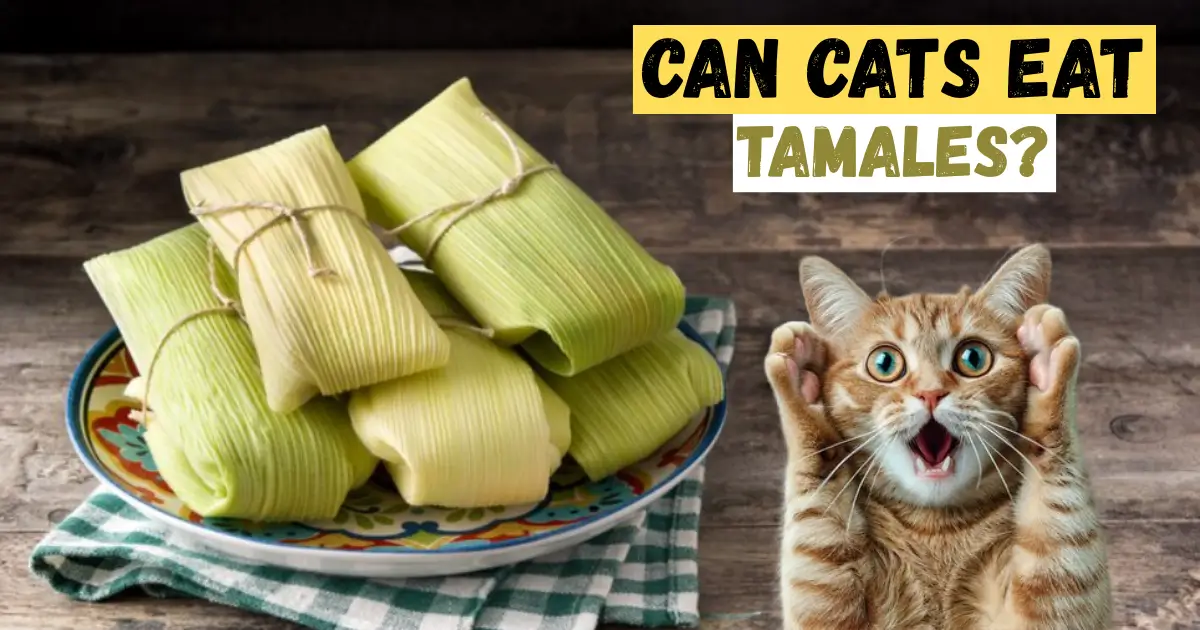
If you have ever been sitting down to enjoy a plate of tamales and caught your cat hovering nearby with that persistent, hopeful expression they reserve for moments when human food is involved, the question probably crossed your mind — can cats actually eat tamales, or is this one of those situations where sharing would be a mistake? Tamales are a beloved dish with deep cultural roots, built from a combination of masa, filling, and various seasonings all wrapped and steamed together into something that smells genuinely wonderful to both humans and animals alike. But the aroma that makes tamales so appealing is actually one of the reasons they are so problematic for cats, because that complex, layered smell comes from a combination of ingredients that range from simply inappropriate to genuinely dangerous for feline consumption. Can cats eat tamales? The honest answer is that tamales are not a suitable food for cats, and understanding exactly why requires looking at each component of a typical tamale and what it does inside a cat’s body.
What Tamales Are Actually Made Of
Before getting into the specific risks, it helps to understand what tamales consist of as a dish, because the danger does not come from a single ingredient but from the cumulative effect of multiple components working against a cat’s physiology simultaneously.
At their most basic, tamales are made from masa — a dough prepared from nixtamalized corn flour — which is spread onto a corn husk or banana leaf, filled with a savory or sweet filling, and then steamed until the dough sets into its characteristic soft, slightly dense texture. The fillings vary enormously depending on regional tradition and family recipe, but common savory fillings include seasoned pork, chicken, beef, cheese, chili peppers, and various spice blends. The masa itself is typically seasoned with lard or vegetable shortening, broth, salt, and often garlic or onion powder worked directly into the dough. The entire package is seasoned throughout, which means there is no component of a typical savory tamale that is free from problematic ingredients where cats are concerned.
Sweet tamales exist as well, filled with ingredients like sugar, raisins, dried fruits, cinnamon, and sweet cream, and these carry their own entirely separate set of concerns that make them equally inappropriate — and in some cases more acutely dangerous — for cats.
The Masa Itself Is Already a Problem
Many people assume that if they stripped a tamale down to just the masa dough and offered that to their cat, they would be offering something relatively harmless — after all, it is essentially just corn flour. But the masa in a tamale is rarely just plain corn flour, and even if it were, it would still not be an appropriate food for cats.
Corn is not toxic to cats, but it is also not a food their bodies are designed to process efficiently. Cats are obligate carnivores whose digestive systems are optimized for animal protein, not carbohydrates or grain-based starches. A cat that consumes a significant amount of corn-based masa is consuming a carbohydrate load their pancreas and digestive system must work harder than normal to process, potentially contributing to blood sugar fluctuations and digestive upset in the short term, and to weight gain and metabolic strain if it becomes any kind of regular occurrence.
The lard or shortening used to prepare masa adds a substantial fat load to the equation. High-fat foods are a well-established trigger for pancreatitis in cats — an inflammation of the pancreas that can range from mildly uncomfortable to life-threatening depending on severity and the individual cat’s predisposition. Cats that are already overweight, older, or have any history of digestive sensitivity are at elevated risk of a pancreatitis episode from consuming high-fat foods, and the fat content in properly prepared tamale masa is significant.
The salt worked into masa during preparation is another concern. Cats have a much lower sodium tolerance than humans, and the salt levels in seasoned masa — combined with the salt present in the filling and any broth used in preparation — add up to a sodium load that far exceeds what a cat’s kidneys are equipped to handle comfortably. Excessive sodium consumption in cats causes increased thirst, frequent urination, and in more significant exposures can progress to sodium toxicity with symptoms including vomiting, diarrhea, tremors, and in severe cases seizures.
Garlic and Onion Make Tamales Genuinely Dangerous
If the fat content and carbohydrate load of tamale masa were the only concerns, the situation would be one of inappropriateness rather than genuine danger. But most tamales — both the masa and the filling — are seasoned with garlic, onion, or both, and these two ingredients transform the risk profile from simply unsuitable to actively toxic.
Garlic and onion belong to the Allium family of plants, all members of which are toxic to cats. The toxic compounds in garlic and onion — organosulfides — cause oxidative damage to a cat’s red blood cells, breaking them down faster than the body can replace them. The result is a condition called hemolytic anemia, in which the cat’s blood loses its ability to carry oxygen effectively throughout the body. Symptoms of Allium toxicity in cats include lethargy, weakness, pale or yellowish gums, rapid breathing, reduced appetite, and in serious cases collapse.
What makes garlic and onion toxicity particularly insidious in the context of tamales is that the toxic compounds are present in all forms of these ingredients — fresh, cooked, dried, and powdered. Garlic powder and onion powder, which are commonly used in tamale seasoning and are often worked directly into the masa dough, are actually more potent by weight than their fresh counterparts because the drying and grinding process concentrates the toxic compounds. A seemingly small amount of garlic or onion powder in a tamale filling or dough can deliver a meaningful toxic dose to a cat, particularly a smaller cat.
Another feature of Allium toxicity that catches many cat owners off guard is the delayed onset of symptoms. A cat that eats garlic or onion may not show obvious signs of illness for 24 to 72 hours after ingestion, during which time the damage to red blood cells is already accumulating. This delay can give a false impression that everything is fine when the biological process of harm is already underway.
Chili Peppers and Spices Add More Layers of Harm
Beyond garlic and onion, tamale fillings and seasonings frequently include chili peppers, cumin, oregano, paprika, and various regional spice blends that contribute significantly to the flavor profile of the dish. From a cat health perspective, these ingredients add additional layers of concern on top of the Allium toxicity risk.
Chili peppers contain capsaicin, the compound responsible for the characteristic heat and spiciness of hot peppers. Cats do not process capsaicin the way humans do, and exposure causes significant irritation to the mucous membranes of the mouth, throat, and gastrointestinal tract. A cat that eats chili-seasoned tamale filling will typically experience immediate oral discomfort, followed by drooling, pawing at the mouth, vomiting, and diarrhea as the irritant moves through the digestive system. While capsaicin is not toxic in the same way garlic is, the gastrointestinal distress it causes can be intense and prolonged.
Cumin, while not toxic to cats, is a strong spice that can cause digestive irritation and stomach upset. Oregano in large amounts has been associated with gastrointestinal irritation in cats. The cumulative effect of multiple strong spices in a single food item creates a significant digestive burden that a cat’s system is simply not equipped to handle.
The Filling Proteins — Are They at Least Safe
At this point a reasonable question is whether the meat filling in a tamale — the pork, chicken, or beef at the center — might be the one component that is actually appropriate for a cat. After all, cats are carnivores, and meat is their natural food source. In isolation, plain cooked pork, chicken, or beef without any seasoning or additives would be a perfectly appropriate occasional treat for most cats.
The problem is that the meat inside a tamale is never plain or unseasoned. It has been cooked in broth, marinated in spices, seasoned with garlic and onion, and often prepared with chili sauce or additional fat. The meat in a tamale is thoroughly flavored throughout with precisely the ingredients that make the rest of the tamale dangerous. There is no realistic way to separate the protein from the seasoning in a prepared tamale filling, which means the meat component offers no safe refuge within the dish.
Sweet Tamales Bring Entirely Different but Equally Serious Risks
If someone is considering whether sweet tamales might be a safer option for cats than savory ones, the answer is no — they are differently problematic but no less inappropriate. Sweet tamale fillings commonly include large amounts of sugar, raisins or other dried fruits, cinnamon in concentrated quantities, and sometimes chocolate or chocolate-adjacent ingredients in certain regional variations.
Raisins are among the most acutely dangerous foods a cat can consume. The same toxicity mechanism that causes kidney failure in dogs from grape and raisin ingestion applies to cats as well. Even a very small amount of raisin can potentially trigger acute kidney failure in a cat, and because the exact toxic dose threshold is not consistently established, no amount can be considered safe. A sweet tamale containing raisins represents a genuinely serious toxic exposure risk for any cat that consumes it.
Sugar in large amounts contributes to weight gain, blood sugar instability, and dental problems in cats. Cinnamon in concentrated amounts can cause oral irritation, vomiting, and in large doses, liver damage and changes in heart rate. The combined ingredient profile of a sweet tamale makes it no safer than its savory counterpart — just dangerous in a different direction.
What to Do If Your Cat Already Ate Some Tamale
If your cat managed to steal a bite or a piece of tamale before you could intervene, the appropriate response depends on what kind of tamale it was and roughly how much was consumed. The most urgent concern is the garlic and onion content, because Allium toxicity from even small amounts can have serious consequences and does not always produce immediate symptoms.
Contact your veterinarian or an animal poison control line and describe the situation in as much detail as possible — what type of tamale, what you know about the seasoning and ingredients, approximately how much your cat ate, and your cat’s size and weight. This information will help the veterinarian assess the level of risk and advise you on whether your cat needs to be seen immediately or can be monitored at home with specific instructions for what symptoms to watch for.
Do not wait for symptoms to appear before seeking guidance when garlic or onion exposure is involved. By the time symptoms of hemolytic anemia become visible, meaningful damage has already occurred. Early veterinary consultation gives the best opportunity for intervention before that damage progresses.
If your cat ate only a very small nibble of plain masa without obvious heavy seasoning and appears completely normal, monitor them closely for 48 to 72 hours for any signs of digestive upset, lethargy, changes in appetite, or any other unusual behavior, and call your vet if anything concerning develops.
Frequently Asked Questions – Can cats eat tamales?
Can cats eat plain masa without filling or seasoning? Plain unseasoned masa is not toxic to cats, but it is still not an appropriate food for them. The high carbohydrate content, fat from lard or shortening, and salt typically present even in basic masa make it unsuitable. More importantly, most masa is not actually plain — it is seasoned with garlic, onion, salt, and broth during preparation, which reintroduces the toxic ingredient concerns.
What if my cat only licked the corn husk the tamale was wrapped in? The corn husk itself is not toxic, but it carries residue from the tamale that was steamed inside it, including fat, seasoning, and potentially garlic and onion compounds absorbed into the surface of the husk during cooking. Additionally, corn husks are a choking and obstruction hazard if a cat chews and swallows pieces of them. Keep husks away from cats after unwrapping tamales.
Are tamales with only cheese filling safer for cats? Cheese tamales are still problematic because the masa itself typically contains garlic and onion seasoning, and the salt and fat content remains a concern. Additionally, many cats are lactose intolerant to varying degrees, and the cheese filling adds another digestive challenge. Cheese tamales are not a safer option despite the absence of meat-based filling.
My cat ate tamale and seems completely fine. Should I still call a vet? Yes, particularly if the tamale contained garlic or onion in any form. Allium toxicity in cats has a delayed symptom onset of 24 to 72 hours, meaning a cat can appear perfectly normal while red blood cell damage is already underway. A proactive call to your veterinarian is always the right choice when known toxic ingredients are involved, regardless of how your cat appears in the immediate aftermath.
Can cats eat the meat from inside a tamale if I rinse it off? Rinsing seasoning off cooked meat does not remove the compounds that have already been absorbed into the protein during cooking, particularly garlic and onion compounds which penetrate meat thoroughly during the cooking process. The meat from inside a seasoned tamale cannot be made safe for cats through rinsing or any other home preparation method.
How much tamale is dangerous for a cat? There is no established safe amount, particularly because of the garlic and onion content. Cats are more sensitive to Allium toxicity than many other animals, and smaller cats face proportionally higher risk from the same amount of toxic compound. Rather than trying to identify a threshold, the most responsible approach is to treat any tamale consumption as a situation requiring veterinary guidance.
Tamales are a dish built from layers of ingredients, and almost every one of those layers presents a problem for cats — from the carbohydrate-heavy masa and high fat content, to the garlic and onion that run through both the dough and the filling, to the chili peppers and concentrated spices that cause their own digestive harm. This is not a food where moderation makes it acceptable, or where a particular preparation method changes the calculus. Tamales simply are not food that belongs anywhere near your cat, no matter how persuasively they make their case from across the room. The next time your cat lobbies intensely for a share of your plate, a small piece of plain cooked chicken is the kind of treat that actually makes sense for them — flavorful, protein-rich, and genuinely aligned with what their body is built to handle.
For More Visits: Animalsinfo