


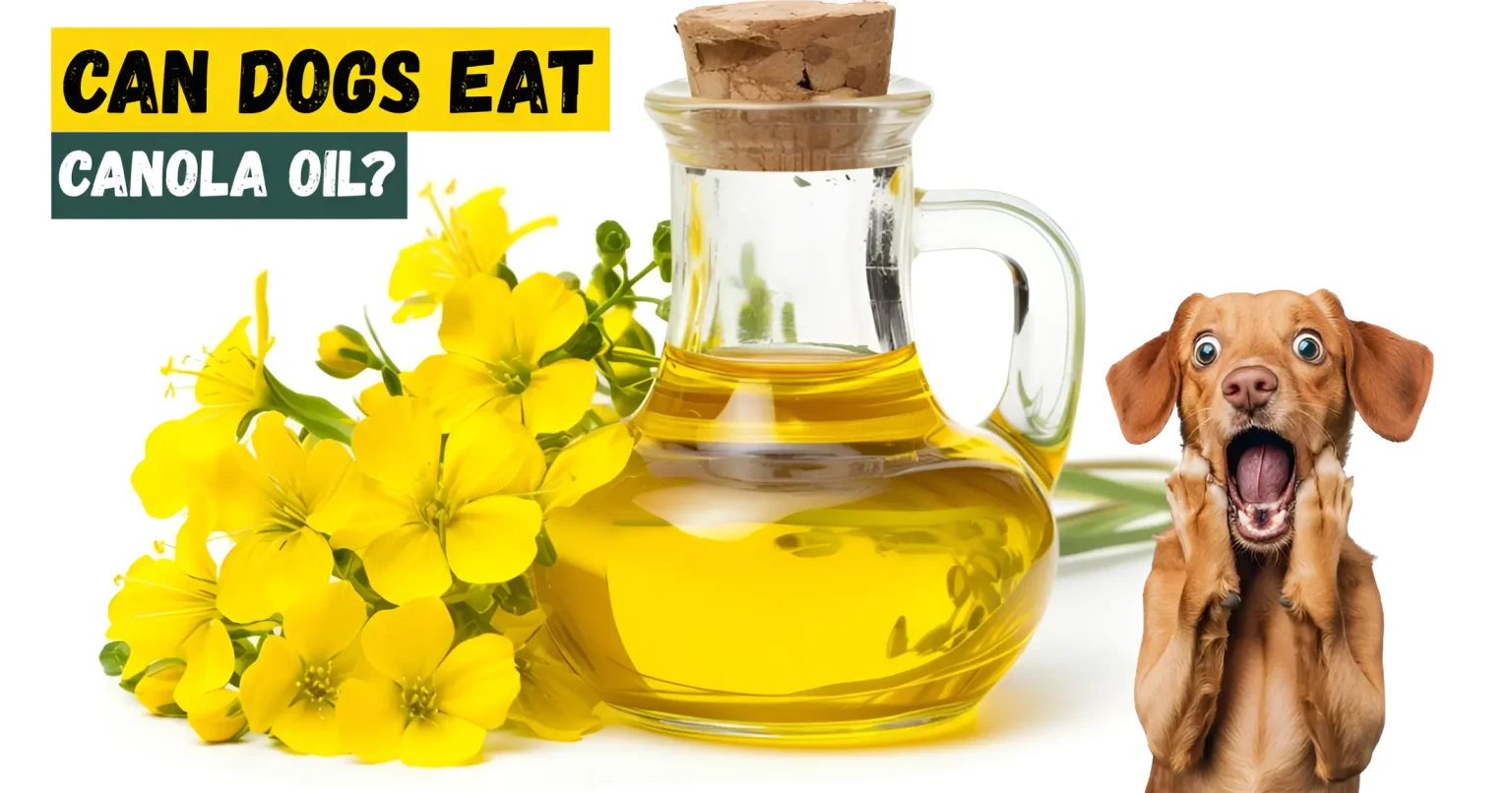
When it comes to your dog’s diet, even the smallest ingredient can raise important questions. Oils, in particular, are often overlooked, yet they play a significant role in nutrition. One common household oil many pet owners wonder about is canola oil. Is it safe? Does it provide any benefits? Or could it harm your dog in the long run?
Can dogs eat canola oil? This detailed guide explores everything you need to know about canola oil for dogs, including its safety, potential health effects, proper usage, and better alternatives. If you’re aiming to make informed decisions about your dog’s health, this article will give you a clear and practical understanding.
Understanding Canola Oil – Can dogs eat Canola Oil?
Canola oil is a vegetable oil derived from rapeseed plants that have been specifically bred to reduce harmful compounds. It is widely used in cooking because of its mild flavor, affordability, and relatively balanced fat profile. Rich in monounsaturated fats and containing some omega-3 fatty acids, it is often considered a “healthier” oil for humans.
However, what works for humans does not always translate the same way for dogs. Dogs have different metabolic needs, and their digestive systems respond differently to certain fats and oils.
Is Canola Oil Safe for Dogs?
Can dogs eat canola oil? The short answer is yes, dogs can eat canola oil in small amounts. It is not toxic and will not cause immediate harm if your dog consumes a little of it. In fact, many commercial dog foods already include plant-based oils, including canola oil, as a source of fat.
That said, “safe” does not necessarily mean “ideal.” While canola oil is not poisonous, it is not the most beneficial oil for your dog either. The key lies in moderation and understanding its limitations.
If your dog accidentally consumes food cooked in canola oil, there is generally no need to panic. However, regularly adding it to your dog’s diet without understanding its effects may not be the best approach.
Nutritional Profile and Its Impact on Dogs
Can dogs eat canola oil? Canola oil contains a mix of fats, including omega-3 and omega-6 fatty acids. These fats are essential for dogs, as they support skin health, coat shine, brain function, and overall energy levels.
However, the balance of these fatty acids is crucial. Dogs require a proper ratio of omega-3 to omega-6 fats. While canola oil does contain both, it is not the richest or most efficient source of omega-3s compared to other oils like fish oil or flaxseed oil.
Additionally, canola oil is highly processed. During production, it undergoes refining, bleaching, and deodorizing processes, which may reduce some of its natural nutritional value. This processing can also introduce compounds that are less beneficial for long-term health.
Potential Benefits of Canola Oil for Dogs
In limited amounts, canola oil may offer a few mild benefits. These are not unique to canola oil but are associated with dietary fats in general.
Can dogs eat canola oil? One possible benefit is improved skin hydration. If a dog has dry or flaky skin, adding a small amount of fat to the diet can sometimes help. Canola oil may also contribute to a shinier coat due to its fat content.
Another potential benefit is energy support. Fats are a dense source of calories, which can be useful for highly active dogs or those needing to gain weight under professional guidance.
However, it is important to note that these benefits can be achieved more effectively through higher-quality oils that are specifically recommended for dogs.
Risks and Concerns of Feeding Canola Oil to Dogs
While canola oil is not toxic, there are several concerns that pet owners should be aware of before including it in their dog’s diet.
One major concern is overconsumption. Too much oil can lead to digestive issues such as diarrhea, vomiting, or stomach discomfort. Dogs are sensitive to sudden changes in fat intake, and excessive oil can upset their digestive balance.
Another issue is weight gain. Because oil is calorie-dense, even small amounts can contribute to excess calorie intake. Over time, this may lead to obesity, which brings a range of health problems, including joint issues and heart strain.
There is also ongoing debate about the long-term effects of highly processed oils. Some experts question whether refined oils like canola oil contribute to inflammation or oxidative stress in animals, especially when consumed regularly.
Lastly, some dogs may have sensitivities or allergies to certain plant-based ingredients. While rare, it is still something to monitor when introducing any new food item.
How Much Canola Oil Can Dogs Have?
If you decide to give your dog canola oil, it should only be in very small amounts and not on a daily basis. Occasional use, such as a few drops mixed into food, is generally considered acceptable for most healthy dogs.
The exact amount depends on your dog’s size, age, and overall health. Smaller dogs require significantly less than larger breeds. It is always better to start with a minimal quantity and observe how your dog reacts.
Consistency is more important than quantity. Even small amounts given frequently can add up and impact your dog’s health over time.
Better Alternatives to Canola Oil
If you are considering adding oil to your dog’s diet for health benefits, there are better options available that provide more targeted nutrition.
Fish oil is widely regarded as one of the best supplements for dogs. It is rich in high-quality omega-3 fatty acids, which support joint health, reduce inflammation, and improve skin and coat condition.
Coconut oil is another popular choice. While it should also be used in moderation, it contains medium-chain triglycerides that may support digestion and energy levels.
Flaxseed oil offers plant-based omega-3 fatty acids and can be a good alternative for dogs that cannot consume fish products.
Olive oil, in small amounts, can also be beneficial due to its antioxidants and healthy fats.
Compared to these options, canola oil is often seen as a lower-priority choice when it comes to optimizing your dog’s nutrition.
Signs Your Dog May Not Tolerate Canola Oil
Whenever introducing any new food, including oils, it is important to monitor your dog closely. Some dogs may not tolerate canola oil well, even in small amounts.
Signs of intolerance may include digestive upset such as loose stools, vomiting, or gas. You might also notice changes in appetite or energy levels.
In some cases, skin reactions like itching or redness could occur, although this is less common.
If you observe any unusual symptoms after giving your dog canola oil, it is best to discontinue use immediately and assess their condition.
Should You Add Canola Oil to Your Dog’s Diet?
For most dogs, there is no real need to add canola oil to their diet. High-quality commercial dog foods are already formulated to provide balanced nutrition, including the necessary fats.
If your dog has specific health concerns, such as dry skin or joint issues, it is better to choose supplements that are specifically designed to address those problems.
Adding canola oil without a clear purpose may do more harm than good, especially if it leads to excess calorie intake or digestive disturbances.
In general, canola oil should be viewed as an occasional, non-essential addition rather than a regular part of your dog’s diet.
Frequently Asked Questions (FAQs)
Can puppies eat canola oil?
Puppies have more sensitive digestive systems and specific nutritional needs for growth. It is best to avoid adding canola oil to their diet unless advised by a professional.
Is canola oil better than other cooking oils for dogs?
While it is not harmful, it is not the best option either. Oils like fish oil or flaxseed oil provide more targeted health benefits.
Can canola oil help with a dog’s dry skin?
It may offer mild improvement, but more effective options like fish oil are generally recommended for skin health.
What happens if my dog eats too much canola oil?
Overconsumption can lead to digestive issues such as diarrhea or vomiting. In the long term, it may contribute to weight gain.
Can I cook my dog’s food with canola oil?
Yes, but it is better to use minimal amounts and consider healthier alternatives if possible.
Is canola oil toxic to dogs?
No, it is not toxic. However, it should still be used cautiously and in moderation.
Final Thoughts
Canola oil is not dangerous for dogs, but it is far from the best choice when it comes to supporting their health. While small amounts are unlikely to cause harm, regular use may not provide meaningful benefits and could even lead to unwanted side effects over time.
As a responsible pet owner, focusing on high-quality, nutrient-rich options is always the better approach. Understanding what your dog truly needs will help you make smarter dietary decisions and ensure their long-term well-being.
For More Visits: Animalsinfo
Also Read: Can Cats Eat Mice? Smart Pet Care Guide 2026