


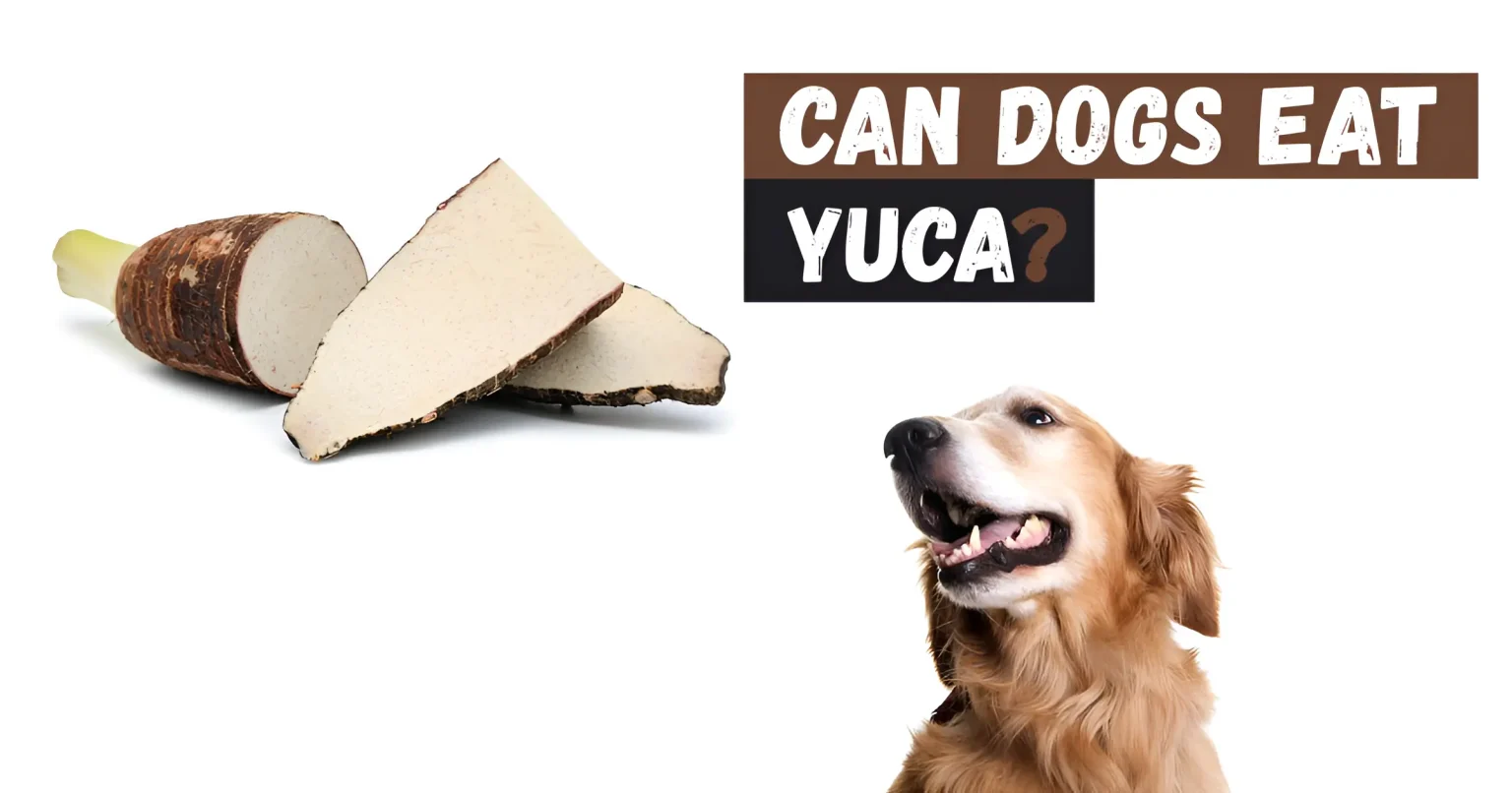
Dog owners often look for ways to add variety to their pet’s diet, especially when it comes to natural foods. Root vegetables are commonly seen as healthy options, which leads many people to ask: can dogs eat yuca? At first glance, yuca appears to be just another starchy vegetable like potatoes or sweet potatoes. However, this assumption can be misleading.
Yuca, also known as cassava, is widely consumed in many parts of the world. While it can be a nutritious food for humans when prepared correctly, it carries certain risks that make it a questionable choice for dogs. Understanding how yuca works, what it contains, and how it affects a dog’s body is essential before offering it as food.
This article provides a detailed and honest explanation so you can make safe decisions for your dog.
What Is Yuca and Why Is It Popular?
Yuca, or cassava, is a root vegetable grown in tropical and subtropical regions. It is a major source of carbohydrates for millions of people and is often used to make dishes like fries, chips, flour, and tapioca.
The root is rich in starch, making it an energy-dense food. It also contains small amounts of vitamins and minerals. Because of its versatility, it is often considered a staple food in many cultures.
However, what makes yuca unique is that it must be properly processed before it is safe to eat. This is where the concern for dogs begins.
Can Dogs Eat Yuca Safely?
The answer is not straightforward. Dogs can eat yuca only under very specific conditions, and even then, it should be given with caution. Raw yuca is unsafe for dogs, and improperly cooked yuca can also be harmful.
The root naturally contains compounds called cyanogenic glycosides. These compounds can release cyanide, which is toxic. While proper cooking significantly reduces these toxins, the risk does not disappear entirely if preparation is not done correctly.
Because of this, yuca is not considered a safe or necessary addition to a dog’s diet.
Why Raw Yuca Is Dangerous
Raw yuca should never be given to dogs under any circumstances. The toxic compounds present in raw cassava can interfere with the body’s ability to use oxygen at a cellular level. This can lead to serious health issues if consumed in sufficient amounts.
Dogs are particularly sensitive to toxins compared to humans, and their smaller size means even a modest amount can have a stronger impact. Symptoms of toxicity may include difficulty breathing, weakness, vomiting, and in severe cases, more serious complications.
Cooking yuca properly helps break down these harmful compounds, but feeding it raw is simply not worth the risk.
Is Cooked Yuca Safe for Dogs?
Cooked yuca can be safer, but only if it is prepared correctly. The root must be thoroughly peeled, cooked, and served plain without any added salt, spices, oils, or seasonings.
Even then, it should only be offered in small amounts as an occasional treat rather than a regular part of the diet. Overfeeding starchy foods can lead to weight gain and digestive issues in dogs.
It is also important to note that even properly cooked yuca does not offer significant nutritional benefits that cannot be found in safer alternatives.
Nutritional Value of Yuca for Dogs
Yuca is primarily a carbohydrate source. It provides energy, but it lacks the balanced nutrients dogs need for optimal health. Dogs require a combination of protein, fats, vitamins, and minerals, and yuca does not contribute much beyond calories.
While it does contain some vitamin C and small amounts of other nutrients, these are not present in levels that make it a valuable addition to a dog’s diet.
Feeding dogs foods that are high in empty calories without sufficient nutrients can lead to imbalances over time. This is why yuca is not commonly recommended in canine diets.
Potential Risks of Feeding Yuca to Dogs
Even when cooked, yuca is not entirely risk-free. Several factors make it less than ideal for dogs.
The first concern is improper preparation. If the root is not cooked thoroughly, traces of toxic compounds may remain. This increases the risk of adverse reactions.
Another issue is its high carbohydrate content. Dogs that consume too many starchy foods may gain weight, especially if they are not highly active. Obesity can lead to a range of health problems, including joint issues and reduced mobility.
Digestive upset is also possible. Some dogs may have difficulty processing new foods, especially ones that are not part of their regular diet. This can result in bloating, gas, or diarrhea.
What Happens If a Dog Eats Yuca?
If a dog eats a small amount of properly cooked yuca, it is unlikely to cause serious harm. However, you should still observe your dog for any unusual reactions.
Signs to watch for include vomiting, diarrhea, lethargy, or discomfort. These symptoms may indicate that the dog’s digestive system is not tolerating the food well.
If a dog consumes raw yuca or a large quantity of cooked yuca, the situation becomes more serious. In such cases, symptoms may appear more quickly and may be more severe. Immediate veterinary attention is recommended if you notice anything unusual.
Yuca vs. Yucca: Understanding the Difference
One common source of confusion is the difference between yuca and yucca. While they sound similar, they are completely different plants.
Yuca (cassava) is a root vegetable used as food. Yucca, on the other hand, is a plant often used in landscaping and sometimes included in pet products for its extract.
Yucca extract is occasionally added to dog food in small amounts to help reduce odor in stool. This does not mean the whole plant is safe to eat. In fact, parts of the yucca plant can be toxic if consumed directly.
Understanding this distinction helps prevent accidental feeding of the wrong plant.
Better Alternatives to Yuca
There are many safer and more nutritious options available if you want to add variety to your dog’s diet.
Sweet potatoes are a popular choice. They are rich in fiber and vitamins and are easy to digest when cooked properly. Plain boiled potatoes can also be offered in moderation, as long as they are free from seasoning.
Other vegetables like carrots, green beans, and pumpkin provide more nutritional value and are widely accepted as safe for dogs.
These options deliver benefits without the risks associated with yuca.
How Much Is Safe If You Choose to Feed It?
If you decide to give your dog cooked yuca, portion control is essential. It should only be a small piece, given occasionally. It should never replace regular meals or become a frequent treat.
Dogs thrive on consistency, and introducing new foods too often can disrupt their digestive balance. Keeping treats simple and predictable is always the safer approach.
Building a Safe Diet for Your Dog
A healthy dog diet is based on balance and consistency. High-quality commercial dog food is formulated to meet all nutritional needs. When you add human foods, they should complement this diet rather than disrupt it.
Foods that require special preparation or carry potential risks are usually not worth including. Yuca falls into this category. While it can be made safer through proper cooking, it does not offer enough benefits to justify the effort or risk.
Focusing on proven safe foods helps ensure your dog remains healthy and avoids unnecessary complications.
When to Contact a Veterinarian
If your dog has eaten yuca and shows any signs of illness, it is best to seek professional advice. Even mild symptoms can develop into more serious issues if left untreated.
Contact a veterinarian if you notice persistent vomiting, diarrhea, weakness, or unusual behavior. Quick action can make a significant difference in outcomes.
If raw yuca has been consumed, do not wait for symptoms to appear. Immediate consultation is the safest choice.
Final Thoughts
So, can dogs eat yuca? The honest answer is that it is not the best choice. While properly cooked yuca may be tolerated in small amounts, the risks associated with its natural toxins and preparation make it less suitable compared to other foods.
Dogs do not need yuca in their diet, and there are many safer alternatives that provide better nutritional value without complications.
Choosing what to feed your dog is about more than convenience. It’s about making decisions that support long-term health and well-being. Avoiding foods like yuca, or at least limiting them strictly, is a simple way to protect your pet.
Frequently Asked Questions (FAQs)
Can dogs eat raw yuca?
No, raw yuca is toxic and should never be given to dogs.
Is cooked yuca safe for dogs?
Cooked yuca can be safer if prepared properly, but it should only be given in small amounts and not regularly.
What are the symptoms of yuca toxicity in dogs?
Symptoms may include vomiting, diarrhea, weakness, and difficulty breathing.
Can puppies eat yuca?
No, puppies have sensitive digestive systems and should not be given yuca.
Is yuca better than potatoes for dogs?
No, potatoes and sweet potatoes are safer and more commonly recommended options.
What should I do if my dog eats raw yuca?
Contact a veterinarian immediately, even if symptoms are not yet visible.
Are there any benefits of yuca for dogs?
Yuca mainly provides carbohydrates and does not offer significant benefits compared to safer alternatives.
For More Visits: Animalsinfo
Also Read: Can Dogs Eat Star Fruit? 2026 Safe & Proven Guide