

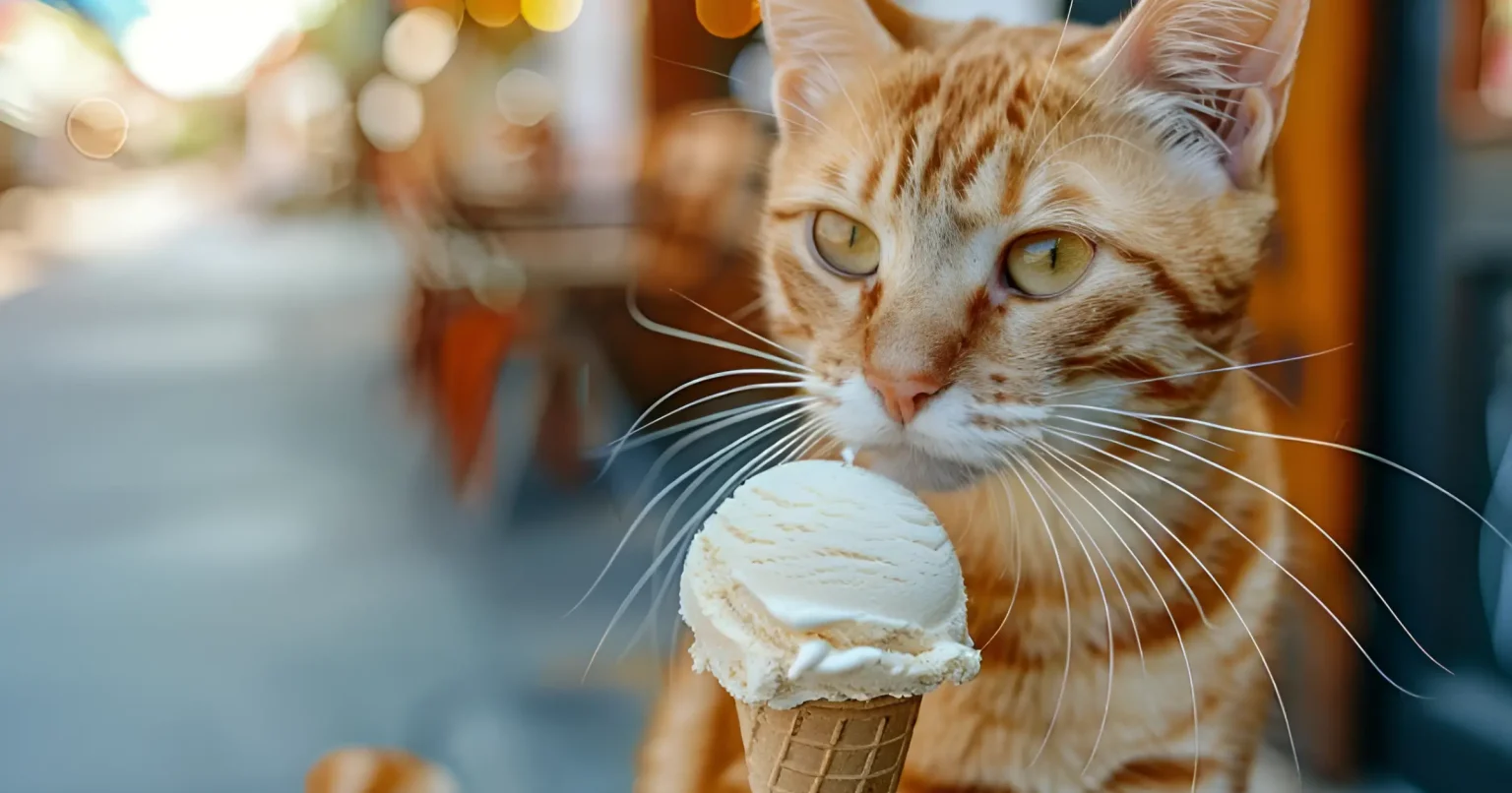
Many cat owners enjoy sharing moments with their pets, especially during snack time. It is common to see a cat curiously sniffing around when you are eating something sweet, including ice cream. This often leads to an important question: can cats eat vanilla ice cream? While it may seem harmless to offer your cat a small lick, the reality is more complicated. Understanding how a cat’s body reacts to certain foods is essential before sharing human treats.
Cats have very different dietary needs compared to humans. They are obligate carnivores, which means their bodies are designed to thrive on animal-based proteins. Unlike humans, they do not require sugar or carbohydrates in their diet. This fundamental difference plays a major role in determining whether foods like vanilla ice cream are suitable for them.
What Is Vanilla Ice Cream Made Of?
To understand whether vanilla ice cream is safe for cats, it helps to break down its ingredients. Vanilla ice cream typically contains milk, cream, sugar, and vanilla flavoring. Some versions may also include additives, stabilizers, or artificial sweeteners.
At first glance, none of these ingredients seem immediately dangerous. However, when combined and consumed by a cat, they can create several health concerns. The issue is not just one ingredient but the overall composition of the dessert.
Milk and cream are dairy products, which many people assume are safe for cats. Sugar is another component that raises questions. While vanilla itself is not toxic in small amounts, the way it is used in ice cream can still contribute to problems.
Lactose Intolerance in Cats
One of the biggest reasons vanilla ice cream is not suitable for cats is lactose intolerance. Kittens can digest milk because they produce an enzyme called lactase. This enzyme helps break down lactose, the sugar found in milk. However, as cats grow older, their bodies produce less lactase.
As a result, most adult cats cannot properly digest dairy products. When a lactose-intolerant cat consumes ice cream, it may experience digestive issues such as bloating, gas, or diarrhea. Even a small amount can cause discomfort, depending on the individual cat’s sensitivity.
Many people still associate cats with drinking milk, but this is largely a myth. While some cats may tolerate small amounts without visible symptoms, it does not mean dairy is good for them. Over time, repeated exposure can lead to digestive stress.
The Problem with Sugar
Another major concern in vanilla ice cream is sugar. Cats do not have a biological need for sugar in their diet. In fact, they cannot even taste sweetness the way humans do. This means that the appeal of ice cream is not based on flavor but rather on texture or curiosity.
Excess sugar can contribute to weight gain, dental problems, and other health issues. Obesity in cats is a growing concern, and feeding sugary treats can worsen the problem. Unlike humans, cats are not equipped to process high levels of sugar efficiently.
Regular consumption of sugary foods can also increase the risk of metabolic issues. Even though a small lick may not cause immediate harm, it is not something that should become a habit.
Artificial Additives and Hidden Risks
Some vanilla ice creams contain artificial sweeteners or flavor enhancers. One particularly dangerous ingredient for pets is xylitol, a sugar substitute commonly found in sugar-free products. While xylitol is more harmful to dogs, it is still best to avoid exposing cats to it.
Other additives, such as preservatives and stabilizers, may not be toxic but can still upset a cat’s digestive system. Cats have sensitive stomachs, and introducing unfamiliar substances can lead to discomfort.
Additionally, flavored ice creams may include ingredients like chocolate, nuts, or caramel, which can pose further risks. Even if you are offering plain vanilla, there is always a chance that the product contains hidden components that are not suitable for pets.
Can a Small Amount Be Safe?
Many cat owners wonder if a tiny lick of vanilla ice cream is acceptable. In most cases, a very small amount is unlikely to cause serious harm to a healthy adult cat. However, “not harmful” does not mean “beneficial.”
Even a small quantity can lead to mild digestive upset in lactose-intolerant cats. Some cats may show no immediate symptoms, while others may react quickly. It depends on the individual cat’s tolerance and overall health.
It is also important to consider long-term habits. Occasional exposure might seem harmless, but repeated feeding can lead to health issues over time. It is always better to choose treats that are specifically designed for cats.
Why Cats Are Attracted to Ice Cream
If cats cannot taste sweetness, why do they show interest in ice cream? The answer lies in the fat content. Cats are naturally drawn to foods that are rich in fat because it is a valuable source of energy in their natural diet.
The creamy texture of ice cream also makes it appealing. Cats may enjoy licking soft, cold foods out of curiosity or because of the sensation. This does not mean the food is suitable for them; it simply explains their behavior.
Understanding this distinction can help owners make better decisions. Just because a cat shows interest in a food does not mean it should be shared.
Healthier Alternatives for Cats
Instead of offering vanilla ice cream, there are safer ways to treat your cat. Many pet stores offer specially formulated cat treats that are designed to meet their nutritional needs. These treats are made with ingredients that cats can digest easily.
Some owners choose to prepare homemade treats using cat-safe ingredients. For example, small portions of cooked chicken or fish can be a healthy reward. There are also pet-friendly frozen treats available that mimic the texture of ice cream without the harmful ingredients.
Providing appropriate alternatives ensures that your cat can enjoy a treat without compromising its health. It also helps reinforce good feeding habits.
The Importance of a Balanced Diet
A cat’s primary diet should consist of high-quality cat food that meets its nutritional requirements. Treats should only make up a small portion of daily intake. Feeding human foods, especially those high in sugar or dairy, can disrupt this balance.
Cats rely on specific nutrients such as taurine, which are not found in foods like ice cream. Replacing proper meals with unsuitable treats can lead to deficiencies over time.
Maintaining a balanced diet is one of the most important aspects of responsible pet ownership. It supports overall health, energy levels, and longevity.
Signs Your Cat Ate Ice Cream
If your cat accidentally consumes vanilla ice cream, it is important to monitor its behavior. Common signs of digestive upset include diarrhea, vomiting, or changes in appetite. Some cats may also become lethargic or show signs of discomfort.
In most cases, mild symptoms will resolve on their own. However, if symptoms persist or worsen, it is advisable to consult a veterinarian. Early intervention can prevent more serious complications.
Keeping potentially harmful foods out of reach is the best way to avoid such situations. Prevention is always easier than treatment.
When to Be Extra Careful
Certain cats may be more sensitive to foods like ice cream. Kittens, elderly cats, and those with existing health conditions require extra caution. Their digestive systems may not handle unusual foods well.
Cats with diabetes or weight issues should never be given sugary treats. Even small amounts can have a significant impact on their health. Always consider your cat’s individual needs before introducing any new food.
If you are unsure about a particular treat, it is best to consult a veterinarian. Professional advice can help you make informed decisions.
Final Thoughts
So, can cats eat vanilla ice cream? The simple answer is that they should not. While a tiny lick may not cause immediate harm, the risks associated with dairy, sugar, and additives make it an unsuitable choice for cats.
Cats have unique dietary requirements that are very different from humans. Feeding them foods outside their natural diet can lead to digestive issues and long-term health problems. It is always better to choose treats that are specifically designed for their needs.
By understanding what is safe and what is not, you can ensure that your cat stays healthy and happy. Small decisions, such as avoiding inappropriate treats, can make a big difference in your pet’s well-being.
FAQs
Can cats eat vanilla ice cream occasionally?
A very small lick is unlikely to cause serious harm, but it is not recommended due to lactose and sugar content.
Why is dairy bad for cats?
Most adult cats are lactose intolerant, which means they cannot properly digest milk and dairy products.
Is vanilla itself toxic to cats?
Plain vanilla is not toxic in small amounts, but it is not beneficial and is usually combined with harmful ingredients in ice cream.
What happens if my cat eats ice cream?
Your cat may experience digestive issues such as diarrhea or stomach discomfort, especially if it is lactose intolerant.
Can kittens eat ice cream?
It is best to avoid giving ice cream to kittens, as their digestive systems are still developing.
What are safe treats for cats?
Cat-specific treats, cooked chicken, or fish are safer alternatives that align with their dietary needs.
Do cats like sweet foods?
Cats cannot taste sweetness, but they may be attracted to the fat content and texture of foods like ice cream.
Should I call a vet if my cat eats ice cream?
If your cat shows severe or persistent symptoms, it is best to consult a veterinarian for advice.
For More Visits: Animalsinfo