

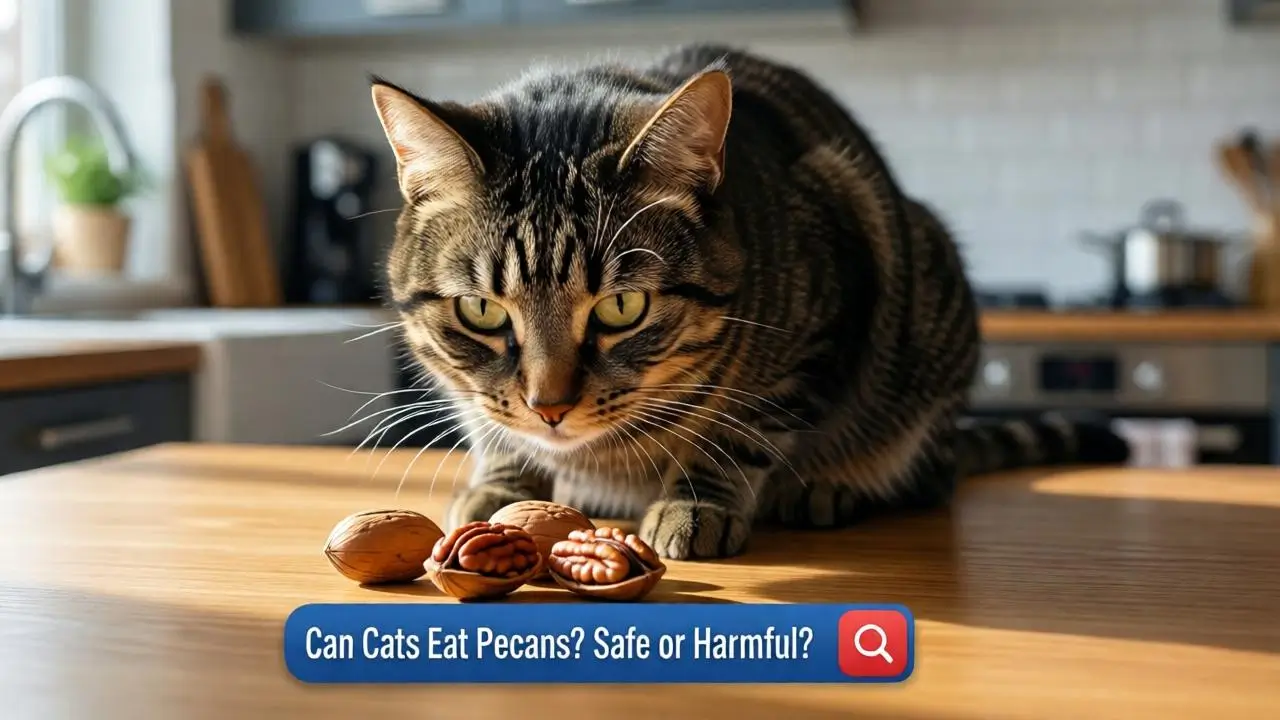
If you share your home with a cat, you already know how curious they can be—especially around food. Whether it’s a snack on the table or something that falls on the floor, cats often investigate before you even notice. This curiosity raises an important question for many pet owners: can cats eat pecans?
At first glance, pecans might seem harmless. They are natural, widely consumed by humans, and even considered healthy in many diets. However, what’s good for people is not always safe for cats. Understanding how pecans affect a cat’s body is essential if you want to avoid unnecessary health risks.
This article takes a deep dive into whether pecans are safe for cats, what happens if they eat them, and how to handle such situations responsibly.
Are Pecans Safe for Cats?
The short and clear answer is no, pecans are not safe for cats. While they are not classified as highly toxic in the same way as some other foods, they still pose several health risks that make them unsuitable for feline consumption.
Cats are obligate carnivores, which means their bodies are designed to process meat, not plant-based foods like nuts. Pecans do not provide any nutritional benefit to cats, and their composition can actually create problems rather than support health.
Even a small amount may not immediately harm your cat, but feeding pecans intentionally or allowing repeated exposure is not a good idea.
Why Pecans Are Problematic for Cats
To understand why pecans are unsafe, it helps to look at how a cat’s digestive system works. Cats lack the enzymes needed to properly break down many plant-based foods. Nuts, including pecans, are high in fat and difficult to digest, which can put stress on their system.
The high fat content is one of the biggest concerns. While fat is a necessary part of a cat’s diet, it must come from appropriate sources like animal protein. The fat found in pecans is not suitable for cats and can lead to digestive upset or even more serious conditions over time.
Another issue is the risk of mold. Pecans, especially if not stored properly, can develop mold that produces harmful toxins. These toxins can affect a cat’s nervous system and lead to serious health complications.
What Happens If a Cat Eats Pecans?
If your cat eats a small piece of a pecan, it may not show immediate symptoms. However, that doesn’t mean it’s completely safe. The effects can vary depending on the amount consumed, the cat’s size, and its overall health.
In many cases, the first signs are related to digestion. You might notice vomiting, diarrhea, or a lack of appetite. These symptoms can appear within a few hours and may resolve on their own if the amount consumed was minimal.
However, larger quantities or repeated exposure can lead to more serious issues. The high fat content can trigger pancreatitis, a painful and potentially dangerous inflammation of the pancreas. This condition requires medical attention and can take time to recover from.
If mold toxins are involved, symptoms can become more severe. These may include tremors, weakness, or coordination problems. In such cases, immediate veterinary care is essential.
Choking and Physical Hazards
Beyond internal health concerns, pecans also present a physical risk. Their size and hardness can make them a choking hazard, especially for smaller cats. Even if swallowed, large pieces can cause blockages in the digestive tract.
Cats do not chew food the same way humans do. They often swallow pieces quickly, which increases the risk of obstruction. A blockage in the digestive system can become a medical emergency that may require surgery.
Salted and Flavored Pecans: An Even Bigger Risk
Many pecans available at home are not plain. They may be salted, roasted, or coated with sugar and spices. These added ingredients make the situation even worse for cats.
Salt, in particular, can be harmful when consumed in excess. It can lead to dehydration and disrupt the body’s natural balance. Spices and artificial flavorings may also irritate a cat’s stomach or cause unexpected reactions.
This means that even if a plain pecan is risky, flavored or processed pecans are even more dangerous.
Do Cats Benefit from Eating Pecans?
There is no nutritional benefit for cats in eating pecans. Everything a cat needs—protein, fats, vitamins, and minerals—comes from a balanced, meat-based diet.
Pecans do not contribute anything useful to their health. Instead, they add unnecessary fat and increase the risk of digestive problems. Feeding pecans to cats is not only unnecessary but also potentially harmful.
Why Cats Might Be Interested in Pecans
If pecans are not suitable for cats, why do some cats try to eat them? The answer lies in curiosity rather than preference.
Cats are naturally inquisitive. They explore their environment using their senses, especially smell and touch. A pecan on the floor or table might attract their attention simply because it is new or unusual.
In some cases, the texture or smell of pecans may resemble something edible, leading the cat to take a bite. This behavior does not mean the food is good for them—it just means they are investigating.
What to Do If Your Cat Eats Pecans
If you catch your cat eating a pecan, the first step is to remain calm. Check how much was consumed and observe your cat closely for any changes in behavior.
If it was a very small amount and your cat seems fine, you can monitor the situation at home. Make sure your cat has access to fresh water and keep an eye out for symptoms like vomiting or lethargy.
However, if your cat eats multiple pecans, shows signs of distress, or if the pecans were moldy or heavily seasoned, you should contact a veterinarian immediately. It’s always better to be cautious when it comes to your pet’s health.
Preventing Accidental Consumption
Prevention is the best way to keep your cat safe. Pecans and other nuts should be stored securely in containers that your cat cannot access. Avoid leaving them on tables or countertops where your cat might reach them.
If you are cooking or baking with pecans, be mindful of any pieces that fall on the floor. Cleaning up quickly can prevent your cat from getting to them.
It’s also helpful to educate everyone in your household about what foods are safe and unsafe for cats. This reduces the chances of someone accidentally offering pecans as a treat.
Healthier Alternatives for Treats
If you want to give your cat something special, there are many safe options available. Commercial cat treats are designed to meet their nutritional needs and are a much better choice.
You can also offer small pieces of plain, cooked meat such as chicken or turkey. These are more aligned with a cat’s natural diet and are easier for them to digest.
The key is to keep treats simple, unseasoned, and appropriate for a carnivorous animal.
Long-Term Risks of Feeding the Wrong Foods
Feeding inappropriate foods like pecans on a regular basis can have long-term consequences. Over time, the excess fat can contribute to weight gain and obesity, which in turn increases the risk of other health problems.
Digestive issues may become more frequent, and the strain on internal organs can lead to chronic conditions. What might seem like a harmless snack can gradually impact your cat’s overall well-being.
Consistency in diet is important for cats. Sticking to foods that are specifically designed for them helps maintain their health and prevents avoidable complications.
FAQs About Can Cats Eat Pecans
1. Can a cat eat a single pecan safely?
A single small piece may not cause immediate harm, but it is not recommended. It’s best to avoid giving pecans altogether.
2. Are pecans toxic to cats?
They are not highly toxic in small amounts, but they can still cause digestive issues and other health problems.
3. What symptoms should I watch for after my cat eats pecans?
Look for vomiting, diarrhea, lethargy, loss of appetite, or unusual behavior.
4. Can pecans cause serious health conditions?
Yes, in some cases they can lead to pancreatitis or complications from mold toxins.
5. Are other nuts safer for cats?
Most nuts are not suitable for cats and should be avoided.
6. What should I do if my cat shows symptoms?
Contact a veterinarian immediately, especially if symptoms are severe or persistent.
7. Why do cats try to eat things they shouldn’t?
Cats are naturally curious and explore objects through smell and taste, even if those items are not suitable for them.
Final Thoughts
Pecans might be a healthy snack for humans, but they have no place in a cat’s diet. From digestive issues to potential toxicity, the risks clearly outweigh any possible benefit.
Caring for a cat means understanding their unique nutritional needs and avoiding foods that don’t support their health. By keeping pecans and similar items out of reach, you can prevent unnecessary problems and ensure your cat stays safe.
A simple rule to follow is this: if a food is not specifically made for cats or does not resemble their natural diet, it’s best to keep it away. Small choices like this make a big difference in your cat’s long-term health and happiness.
For More Visits: Animalsinfo