

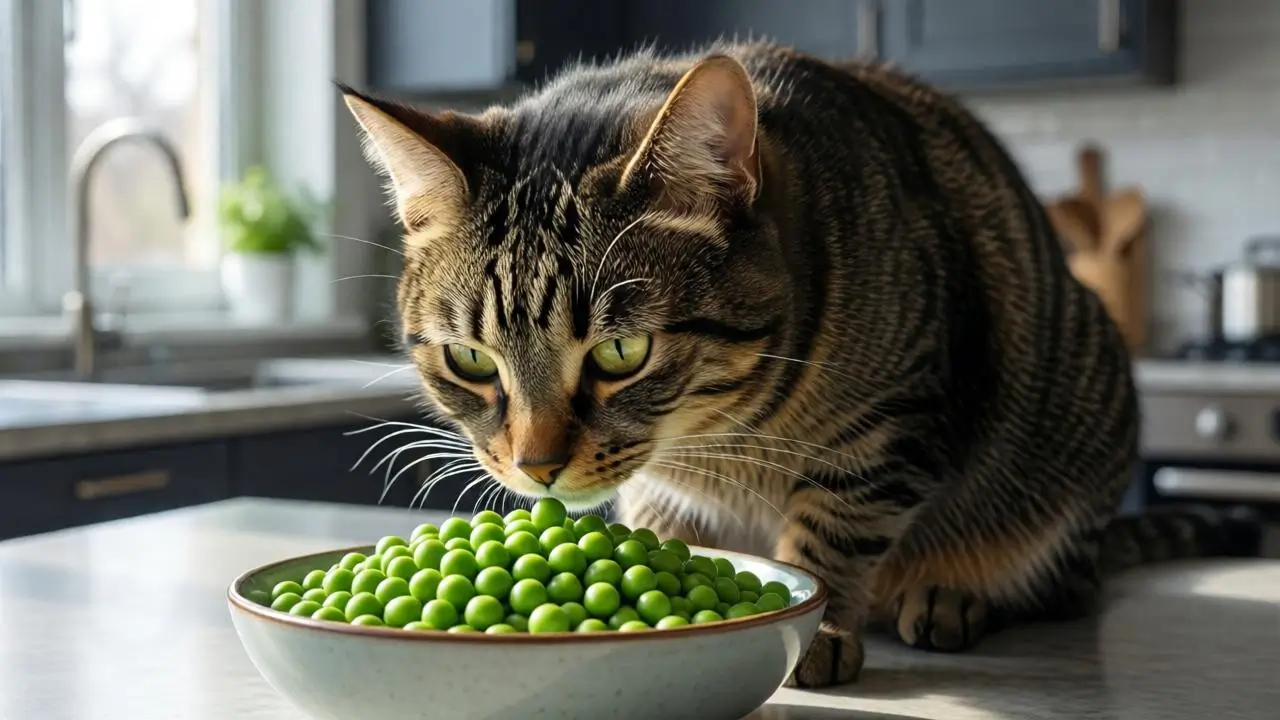
If you’ve ever opened a bowl of vegetables while your cat sat nearby watching closely, you might have wondered whether sharing a few bites would be safe. One common question that comes up for pet owners is simple: can cats eat green peas?
The answer is yes—cats can eat green peas in small amounts. In fact, green peas are often found in commercial cat food. However, that doesn’t mean they should become a regular or significant part of your cat’s diet. Like many human foods, peas fall into the category of “safe but limited,” and understanding the difference is important if you want to protect your cat’s long-term health.
Understanding What Cats Really Need to Eat
To make sense of whether green peas are suitable, it helps to first understand how a cat’s body works. Cats are obligate carnivores, meaning they rely primarily on animal-based protein to survive and stay healthy. Their digestive system is designed to process meat, not plant-heavy diets.
This doesn’t mean cats can’t eat plant foods at all. It simply means plants should never replace the core nutrients they get from meat. Their bodies require specific amino acids like taurine, which are only found in animal tissue. Without these, serious health problems can develop.
So where do green peas fit into this picture? They are not harmful when given occasionally, but they don’t provide the essential nutrients your cat depends on.
Are Green Peas Safe for Cats?
Green peas are generally safe for cats when served plain and in moderation. Many high-quality cat foods include peas as an ingredient because they offer fiber, some vitamins, and a small amount of plant protein.
Fresh, frozen, or cooked peas are all acceptable as long as they are not seasoned. However, canned peas should be avoided unless they are specifically labeled as low sodium and free from additives. Salt, spices, and preservatives can turn an otherwise harmless food into something risky for your cat.
The key point here is portion control. A few peas here and there won’t harm your cat, but feeding them in large amounts or too frequently is not a good idea.
Nutritional Value of Green Peas for Cats
Green peas do contain some beneficial nutrients. They are a source of fiber, which can help support digestion in small amounts. They also contain vitamins such as vitamin A and vitamin K, along with certain minerals.
However, it’s important not to overestimate their value. Cats do not rely on vegetables for nutrition the way humans do. While peas can contribute a little variety, they don’t replace the need for high-quality animal protein.
In some cases, fiber from peas may help with mild digestive issues, but too much can have the opposite effect, leading to bloating or discomfort.
Why Some Cat Foods Contain Peas
If you check the ingredient list on many commercial cat foods, you’ll likely find peas included. This often raises questions among pet owners.
Peas are used in pet food for several reasons. They can act as a source of fiber, help improve texture, and sometimes serve as a plant-based protein supplement. In grain-free formulas, peas are often used as an alternative carbohydrate source.
When included in balanced cat food, peas are carefully measured and combined with other ingredients to meet a cat’s nutritional needs. This is very different from feeding plain peas directly from your plate.
Potential Risks of Feeding Green Peas
Even though green peas are considered safe, there are still some risks to be aware of. Overfeeding is the most common issue. Too many peas can upset your cat’s stomach, leading to gas, diarrhea, or reduced appetite.
Another concern is seasoning. Many peas prepared for human consumption contain butter, salt, garlic, or onion—all of which can be harmful to cats. Garlic and onion, in particular, are toxic and should never be given in any amount.
There is also the issue of balance. If your cat starts filling up on peas, they may eat less of their regular food, which can lead to nutritional deficiencies over time.
Can Kittens Eat Green Peas?
Kittens have more sensitive digestive systems and stricter nutritional needs than adult cats. While a tiny amount of plain mashed peas is unlikely to cause harm, it’s generally better to avoid feeding vegetables to kittens.
At this stage of life, kittens need nutrient-dense food that supports growth and development. Their diet should be focused on specially formulated kitten food that provides all essential nutrients in the right proportions.
How to Safely Serve Green Peas to Cats
If you decide to give your cat green peas, preparation matters. Always serve them plain, without any seasoning, oil, or butter. Cooking the peas until they are soft makes them easier to digest.
You can mash them slightly to prevent choking, especially if your cat tends to swallow food quickly. Start with a very small portion and observe how your cat reacts.
Not all cats will be interested in peas, and that’s perfectly fine. There is no need to force it if your cat shows no interest.
Do Cats Even Like Green Peas?
Cats have different taste preferences, and not all of them are attracted to vegetables. Some cats may show curiosity and enjoy the texture, while others will ignore peas completely.
Taste is not a reliable indicator of what is healthy. Cats may enjoy foods that are not suitable for them and reject foods that are beneficial. As a pet owner, your role is to decide what’s appropriate, regardless of their preferences.
Comparing Green Peas to Other Vegetables
When it comes to vegetables, green peas are among the safer options for cats. Compared to more dangerous foods like onions or garlic, peas pose minimal risk when handled correctly.
Other relatively safe vegetables include small amounts of carrots or cooked pumpkin. However, just like peas, these should only be given occasionally and should never replace a balanced diet.
The goal is not to turn your cat into a plant eater but to offer safe variety in a controlled way.
Long-Term Impact of Feeding Vegetables
Feeding small amounts of vegetables like peas occasionally is unlikely to cause harm. However, consistently adding plant-based foods to your cat’s diet in large quantities can create problems.
Cats require a precise balance of nutrients. Too much fiber or plant matter can interfere with digestion and reduce the intake of essential proteins. Over time, this imbalance can lead to health issues that may not be immediately noticeable.
Maintaining a consistent, high-quality diet is one of the most important factors in keeping your cat healthy.
When to Avoid Giving Green Peas
There are certain situations where it’s best to avoid giving peas altogether. Cats with digestive sensitivities, food allergies, or existing health conditions may not tolerate them well.
If your cat has a history of stomach issues, introducing new foods should be done carefully or avoided unless recommended by a veterinarian.
Also, if your cat is on a special diet for medical reasons, it’s better to stick strictly to approved foods.
FAQs
Can cats eat green peas every day?
No, green peas should only be given occasionally. Daily feeding can lead to digestive issues and disrupt a balanced diet.
Are frozen peas safe for cats?
Yes, frozen peas are safe if they are cooked and served plain without salt or seasoning.
Can cats eat canned peas?
Canned peas are not ideal because they often contain added salt and preservatives. Fresh or frozen peas are a better choice.
Do green peas have any health benefits for cats?
They provide small amounts of fiber and vitamins, but they are not essential for a cat’s health.
What happens if a cat eats too many peas?
Eating too many peas can cause stomach upset, including gas, diarrhea, or reduced appetite.
Can peas replace meat in a cat’s diet?
No, peas cannot replace meat. Cats require animal protein to meet their nutritional needs.
Final Thoughts
So, can cats eat green peas? Yes, they can—but only in moderation and under the right conditions. Green peas are not toxic, and they can even offer small nutritional benefits, but they are far from essential in a cat’s diet.
The most important thing to remember is that cats thrive on meat-based nutrition. Any addition to their diet should support—not replace—their primary food source. Treat peas as an occasional snack rather than a regular part of their meals.
By staying mindful of what you feed your cat and focusing on balanced nutrition, you can ensure they live a healthy and comfortable life. Small choices, like whether or not to share a spoonful of peas, can make a bigger difference than you might expect over time.
For More Visits: Animalsinfo