


It’s no surprise that your cat might show interest the moment you unwrap a slice of bologna—the strong, savory aroma can be irresistible to their sensitive noses. And since bologna is technically a meat product, many pet owners assume it’s safe to share a little bite. But can cats eat bologna without harm? Just because it smells meaty doesn’t mean it’s a healthy option for your feline companion.
In reality, bologna is a highly processed deli meat filled with salt, preservatives, artificial flavors, and spices—none of which belong in your cat’s diet. While it isn’t considered toxic, the ingredients in bologna can contribute to serious health concerns over time, including high blood pressure, kidney strain, and digestive upset. An occasional nibble may not harm your cat, but making bologna a regular treat can do more harm than good.
As we move into 2025, pet nutrition experts emphasize the importance of feeding cats whole, species-appropriate foods that support their natural dietary needs. Bologna simply doesn’t make the cut. If you truly want to treat your furry friend, opt for plain, cooked meat without any seasoning—or better yet, choose vet-approved cat treats designed to nourish their body, not just tempt their taste buds.
Is Bologna Safe for Cats?
While bologna might seem harmless at first glance, it’s far from a safe or healthy option for your cat. This processed meat contains a mix of additives—including salt, spices, and ingredients like myrtle berries—that can irritate your cat’s digestive system and negatively impact their health over time. Just like traditional sausage or Vienna sausage, bologna is highly processed, making it unsuitable for regular feline consumption.
What makes bologna particularly concerning isn’t just the type of meat it contains—usually a blend of pork, chicken, or beef scraps—but the way these meats are prepared. Bologna is made from leftover cuts that wouldn’t qualify for other meat products, and then it’s heavily processed with preservatives, nitrates, artificial flavors, and sodium to create the final product. These components can contribute to serious long-term issues in cats, such as obesity, diabetes, high blood pressure, and heart disease.
A tiny bite may not cause immediate harm, feeding your cat bologna regularly—or even occasionally—poses more risks than benefits. If you want to show your cat some love, opt for plain, lean meats like boiled chicken or turkey without seasoning—foods that truly support their health, not compromise it.
Do Cats Like Bologna? The Truth Behind the Curiosity
It’s no surprise that your cat may come running the moment you unwrap a slice of bologna. Its strong, savory aroma can be highly appealing to a cat’s sensitive nose, which is why some felines appear obsessed with it. While bologna might seem like a tasty indulgence from your cat’s perspective, it’s essential to look beyond their curiosity and understand the potential consequences.
Cats are obligate carnivores and naturally gravitate toward the smell of meat—even if it’s processed. Bologna is typically made from a mix of low-quality meat trimmings, often from pork, chicken, or beef, combined with preservatives, salt, nitrates, and artificial flavorings. Although these elements might smell delicious to your cat, they are not designed with feline health in mind. In fact, they can disrupt your cat’s digestive balance and, over time, contribute to serious health concerns.
Not every cat will find bologna appealing—especially if it’s seasoned with black pepper, garlic powder, or paprika, which can make it less palatable and even dangerous. Still, some curious cats may beg for a bite out of sheer interest or to mimic their human’s behavior during mealtime.
As tempting as it is to share your snack, bologna should never be considered a safe or nutritious treat for cats. A healthy feline diet should consist of high-quality animal protein, not processed meats. If you’re looking to offer your cat something special, opt for plain, cooked lean meats like chicken or turkey—without the seasonings or additives.
How Much Bologna Can My Cat Safely Eat?
If your cat manages to sneak a bite of bologna, there’s no need to panic—a tiny portion about the size of your fingertip is unlikely to cause immediate harm, especially in an otherwise healthy feline. However, moderation is not just a suggestion—it’s a rule when it comes to feeding your cat processed meats like bologna.
The safety of offering bologna depends on several factors: your cat’s overall health, the presence of any food sensitivities or allergies, and how often they’re exposed to this type of treat. A very small piece once a month at most may not trigger any issues, but anything beyond that can start to strain your cat’s digestive system and long-term well-being. Ingredients like excess sodium, preservatives, and flavor enhancers are not suitable for a cat’s natural dietary needs.
It’s also crucial to understand that not all cats respond to processed food the same way. Some may tolerate a small amount, while others could show signs of stomach upset even from a single bite. To stay on the safe side, always consult your veterinarian before introducing new human foods into your cat’s routine—even as an occasional treat.
Ultimately, while the occasional nibble may seem harmless, it’s best to reserve such indulgences for rare moments, not routine snacks. Your cat’s health depends on consistent, species-appropriate nutrition—not salty sandwich fillers.
Can You Give a Cat Bologna?
While you technically can give your cat a tiny bite of bologna on rare occasions, it’s not a wise or healthy choice for regular feeding. Bologna is a heavily processed meat loaded with sodium, preservatives, fillers like cornstarch, and artificial seasonings that do not belong in a cat’s natural diet. These ingredients are difficult for cats to digest and can lead to issues such as dehydration, digestive upset, and long-term health concerns like obesity, diabetes, and heart problems. Even worse, some bologna products include traces of garlic or onion powder, which are toxic to cats and should be strictly avoided. Though the smell of bologna may attract your feline friend, it’s far safer to satisfy their curiosity with healthier, cat-friendly options like plain, cooked poultry without seasoning. Ultimately, feeding bologna to your cat offers no nutritional benefit and poses several health risks, so it’s best to leave it off the menu entirely.
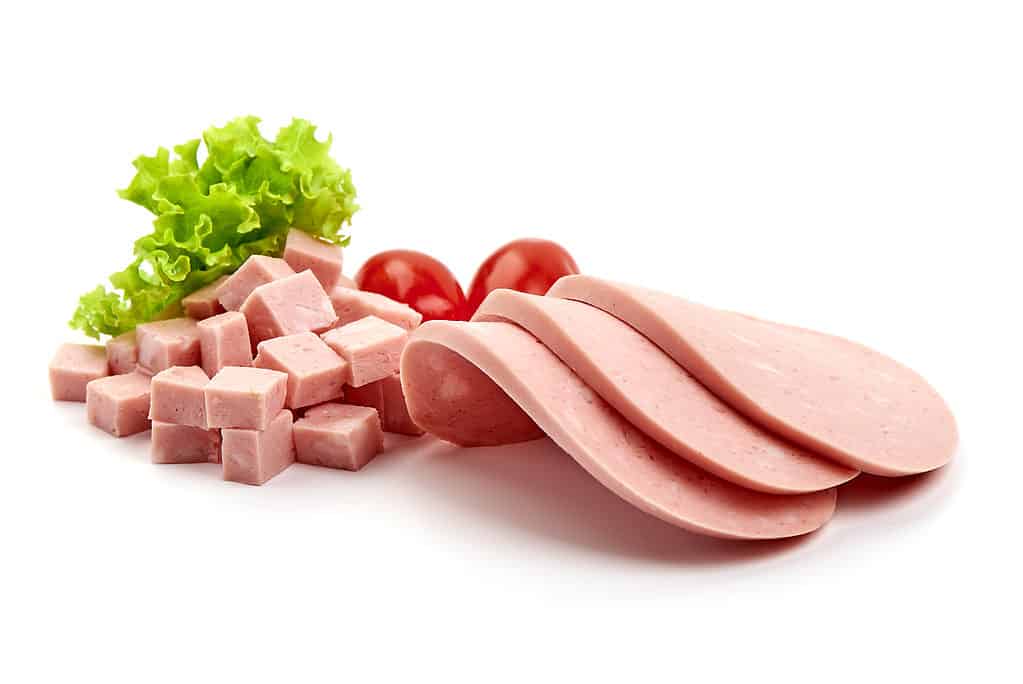
Can Cats Eat Bologna? A 2025 Guide to Safe Treats and Feline Nutrition
As cat parents, it’s natural to be curious—and even a little concerned—about what’s safe to share from our own plates. But just because it’s made from meat doesn’t mean it’s a healthy snack for your cat.
In today’s pet care landscape, understanding feline nutrition is more important than ever. With so many human foods posing hidden risks, it’s essential to look beyond the surface and consider what’s truly beneficial—or potentially harmful—for your cat’s long-term health. In this 2025 veterinary-informed guide, we’ll explore the truth about bologna and whether it belongs in your cat’s bowl. From ingredients and health risks to safer alternatives and expert tips, you’ll find everything you need to make an informed, compassionate choice for your furry friend.
Let’s break down the facts and separate myth from reality—because your cat deserves more than just a slice of whatever’s on your plate.
Bologna Ingredients and Their Impact on Cats: What Every Cat Parent Should Know in 2025
Bologna might be a staple in your sandwich, but its ingredients can spell trouble for your cat’s health. Beneath its savory flavor lies a mix of salt, sugar, and garlic—three components that seem harmless to humans but can silently harm your feline companion. Let’s explore how these hidden additives affect cats and why offering bologna as a snack can be a risky habit.
Salt: The Silent Danger in Every Slice
Salt is one of the primary ingredients in bologna, and while it adds flavor for us, it can overwhelm a cat’s delicate system. Felines require only trace amounts of sodium, and bologna delivers far more than they need. When a cat consumes too much salt—either through regular feeding or a large accidental bite—their body responds with vomiting, extreme thirst, and lethargy. These are early signs of salt poisoning, which can escalate to kidney damage or even fatal outcomes if left untreated. Your cat may seem fine after one bite, but repeated exposure builds up over time, slowly stressing their organs.
Sugar: Hidden Calories with Serious Consequences
Though cats don’t taste sweetness the way we do, sugar still makes its way into processed meats like bologna—often disguised as corn syrup or dextrose. While not immediately toxic, sugar provides empty calories that cats don’t need. A few extra grams here and there can quickly lead to weight gain, especially in indoor cats with limited activity. Obesity opens the door to multiple feline health issues: diabetes, arthritis, liver strain, and even cardiovascular complications. Cats weren’t built to handle sugary diets, and bologna’s hidden sweeteners can quietly steer them toward long-term illness.
Garlic: A Toxic Threat Lurking in the Recipe
Among all the ingredients found in bologna, garlic is arguably the most dangerous for cats. Often added as a seasoning or flavor enhancer, garlic contains compounds like n-propyl disulfide that destroy red blood cells in cats—a condition known as Heinz body anemia. Even small amounts can trigger symptoms such as weakness, pale gums, fatigue, and dark-colored urine. If the toxicity reaches a critical point, the damage may require intensive veterinary care and blood transfusions to save the cat’s life. It’s a powerful reminder that what tastes good to us might carry deadly risks for them.
Related Post: Can Cats Eat Spam? Causes, Concerns & Safe Solutions!
What Human Meats Are Safe for Cats in 2025?
If bologna is off the menu (and it should be), there are far better human-grade meats you can safely share with your cat—in moderation and prepared correctly. The best options include plain, cooked lean cuts of chicken, turkey, beef, lamb, and small amounts of cooked liver. These proteins align with a cat’s carnivorous biology and can make excellent high-value treats when used wisely. Always cook meats thoroughly to reduce the risk of bacterial contamination, and serve them plain—no salt, spices, marinades, butter, onions, or garlic. Remove skin, excess fat, bones, and gristle before offering even a tiny portion. For the liver, think of it as a supplement-level treat only; too much can upset vitamin balance.
How to Serve Human-Grade Meats Safely
Cut cooked meat into small, bite-sized pieces suited to your cat’s chewing ability. Offer it as an occasional topper or hand-fed reward rather than a meal replacement. Human meat should represent only a small fraction of your cat’s total calorie intake unless you are working from a complete, balanced, veterinarian-formulated home-prepared diet.
When a Home-Cooked Diet Is on the Table
If you’re interested in feeding more than the occasional treat and want to build a cooked diet around fresh meats, do so under the guidance of a board-certified veterinary nutritionist. Cats require precise amounts of taurine, essential fatty acids, vitamins, and minerals that are not reliably met with meat alone. Balanced recipes often include specific supplements and carefully measured nutrient sources (and sometimes limited, cooked produce or fiber) to prevent long-term deficiencies.
Support Good Feeding Habits with the Right Bowl
Once you’ve chosen safe meats, serving them in a way that supports comfort matters too. Shallow, whisker-friendly bowls help reduce whisker stress, while wide, easy-clean feeding stations catch spills from juicy meats or toppers. A clean, low-profile dish encourages good eating posture and helps keep bacteria in check—an especially smart move when offering fresh foods.
Can Cats Eat Other Lunch Meats?
While it may seem convenient to share a slice of deli meat with your curious cat, most lunch meats—just like bologna—come with a set of risks. Processed meats such as ham, turkey breast, roast beef, and chicken slices may appear healthier on the surface, but they’re often packed with sodium, nitrates, preservatives, and flavor enhancers that can burden a cat’s delicate system.
That said, if you’re looking for an occasional treat or a clever way to disguise a pill, small, unseasoned pieces of lean lunch meats like plain turkey or roast beef can be acceptable in rare situations. Just remember that moderation is key—no more than a tiny sliver once in a while—and it’s important to avoid varieties that contain garlic, onion powder, smoked flavoring, or artificial additives, all of which can be toxic to cats.
Additionally, never substitute lunch meat for your cat’s regular meals. While it may be high in protein, deli meat lacks the essential taurine, vitamins, and balanced fat-to-protein ratio that a cat’s body requires for optimal health. Over time, reliance on such treats can contribute to health problems such as kidney stress, hypertension, and digestive upset.
For pet parents who truly want the best for their cats in 2025, focus on offering treats that mirror a cat’s natural diet. Choose cooked, unprocessed meats without added salt or seasonings, and always serve them in very small portions. When in doubt, consult your veterinarian about treatment options that are both safe and nutritionally appropriate for your feline companion.
Healthy Alternatives to Bologna for Cats
If you’re thinking about sharing a bite with your feline friend, bologna might seem convenient, but it’s far from ideal. This processed meat is high in sodium, preservatives, and unhealthy fats, all of which can negatively impact your cat’s health. Instead of bologna, it’s best to offer natural, lean meats that are safe, digestible, and nutritionally beneficial for your cat.
Cooked Lean Meats Are a Better Choice
These meats are packed with high-quality protein and essential amino acids that support your cat’s muscles, skin, and immune system. To make them safe for your cat, always cook the meat thoroughly and avoid using any seasonings, oils, sauces, or spices.
The Nutritional Power of Organ Meats
Organ meats such as liver, heart, and kidneys can be especially valuable in your cat’s diet when offered occasionally. These organs contain concentrated vitamins and minerals—like vitamin A, taurine, and iron—that support your cat’s eyesight, heart function, and overall health. However, moderation is key, as an excess of certain nutrients, particularly vitamin A, can lead to health issues.
Can Cats Eat Bones?
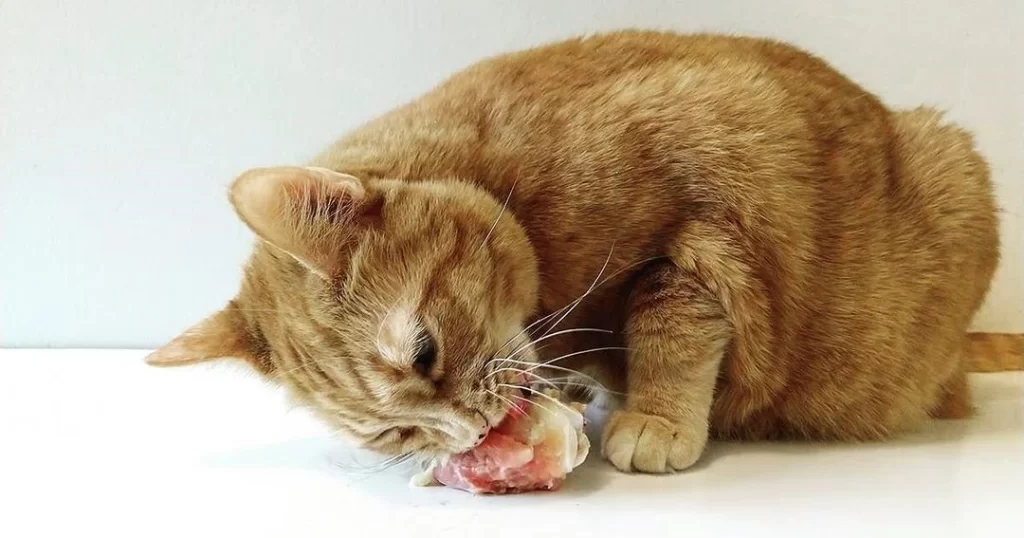
Raw meaty bones, like chicken necks or wings, are sometimes included in feline diets to provide calcium and improve dental health. They can help reduce tartar buildup and give your cat a natural outlet for chewing. However, you should never give your cat cooked bones, as they can splinter and cause choking or internal injuries. Always supervise your cat while they’re eating raw bones and speak with your vet first to ensure it’s appropriate for your pet’s age, size, and health condition.
Introduce New Foods With Caution
Sudden dietary changes can upset your cat’s stomach and lead to vomiting or diarrhea. Start with small amounts and monitor your cat for any signs of discomfort or allergic reaction. If your cat has any underlying medical issues, dietary restrictions, or food allergies, always check with your veterinarian before offering new treats.
Final Thoughts: Should You Share Bologna with Your Cat?
While your cat may show interest in bologna, it’s important to understand that curiosity doesn’t equal compatibility. Bologna is a highly processed meat that may seem harmless in small amounts, but its high sodium content, artificial preservatives, and spices make it a poor choice for feline nutrition. Cats thrive on pure, high-quality animal proteins—not salty, seasoned deli meats designed for humans.
The smarter choice is to prioritize lean, unseasoned meats like cooked chicken, turkey, or beef, which align with your cat’s natural dietary needs and offer real nutritional value. Your cat’s long-term health depends on what you feed them today.
In the end, skipping the bologna isn’t about being overly cautious—it’s about being a responsible pet parent. By making informed, thoughtful decisions about your cat’s treats, you’re giving them the gift of better health, a stronger immune system, and a happier, longer life.
Frequently Asked Questions: Can Cats Have Bologna?
Is bologna toxic to cats?
Bologna isn’t considered toxic, but it contains high levels of salt, fats, and preservatives that can be harmful to cats over time. While a small nibble may not cause immediate harm, regular feeding can lead to digestive issues, kidney stress, and other health concerns.
Can cats eat a small piece of bologna occasionally?
Technically, yes—but it’s not recommended. A tiny bite may not hurt a healthy cat, but even occasional feeding builds unhealthy habits. It’s best to offer healthier, protein-rich treats like cooked chicken or turkey instead.
What happens if my cat eats bologna by accident?
If your cat eats a small amount of bologna by mistake, there’s no need to panic. If symptoms appear or if your cat has underlying health issues, contact your vet immediately.
Why is bologna bad for cats?
Bologna is packed with sodium, nitrates, spices, and additives that offer no nutritional benefit to cats. These ingredients can put stress on your cat’s kidneys and digestive system, especially over time or in cats with sensitive health conditions.
What are safe alternatives to bologna for cats?
Organ meats such as liver or heart can also be beneficial in moderation. Always avoid seasoning, and consult your vet before introducing new foods.
For More Visits: Animalsinfo