

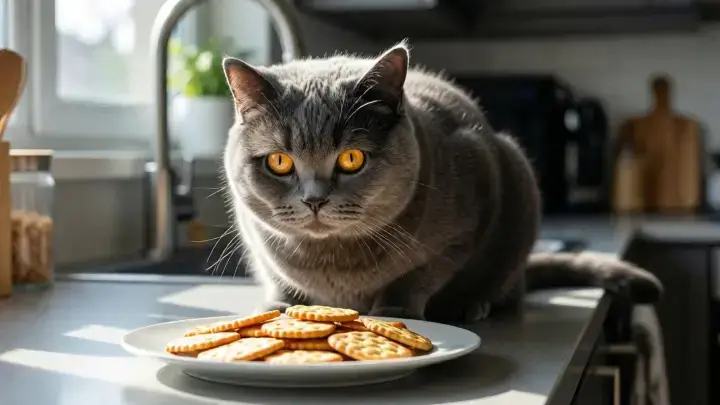
Cats are naturally curious animals, especially when it comes to food. If you have ever opened a packet of crackers while your cat was nearby, you may have noticed them sniffing around or trying to grab a bite. This situation often leads many pet owners to ask an important question: can cats eat crackers?
At first glance, crackers may seem harmless. They are simple, crunchy snacks that people eat every day, and they do not appear dangerous. However, foods that are safe for humans are not always suitable for cats. Their digestive systems work very differently, and their nutritional needs are much more specific.
Understanding whether crackers are safe for cats requires a closer look at what crackers contain, how a cat’s body processes different foods, and what risks might arise if a cat eats them. By learning more about these factors, cat owners can make better decisions about what foods should and should not be shared with their pets.
Understanding a Cat’s Natural Diet
To understand whether crackers are appropriate for cats, it is important to first look at how cats are designed to eat. Cats are obligate carnivores. This means their bodies depend primarily on nutrients that come from animal sources.
In the wild, a cat’s diet would mostly consist of small animals such as rodents or birds. These prey provide protein, fat, and essential nutrients that support a cat’s health. Their digestive systems are specialized for breaking down meat rather than plant-based foods.
Unlike humans, cats have very little need for carbohydrates. Their bodies produce energy more efficiently from protein and fat. Because of this, foods made mostly from grains or flour do not offer much nutritional value for them.
Commercial cat food is carefully formulated to match these dietary needs. It contains the right balance of nutrients that cats require. Human snacks like crackers are very different and often contain ingredients that do not fit into a cat’s ideal diet.
What Are Crackers Made Of?
Crackers are typically made using a few basic ingredients, but the exact recipe can vary depending on the brand or flavor. Most crackers contain refined flour, water, oil, salt, and sometimes yeast or baking powder. Many varieties also include additional ingredients such as butter, cheese flavoring, herbs, or spices.
The main component of crackers is usually wheat flour, which is a source of carbohydrates. For humans, carbohydrates provide energy and are a normal part of daily nutrition. For cats, however, large amounts of carbohydrates are unnecessary and sometimes difficult to digest.
Salt is another common ingredient found in crackers. While a small amount of sodium is necessary for a cat’s body to function properly, too much salt can create health problems.
Some flavored crackers may also contain onion powder, garlic powder, or artificial flavorings. These ingredients can pose a greater risk to cats.
Because of these variations, the safety of crackers for cats depends heavily on the specific ingredients used in the product.
Can Cats Safely Eat Crackers?
In most cases, a small piece of plain cracker is not toxic to cats. If a cat accidentally eats a tiny amount, it usually does not lead to serious harm. However, that does not mean crackers are a good snack choice for them.
Crackers provide almost no nutritional value for cats. They are mostly made from refined carbohydrates and contain little to no protein. Since cats rely on protein to maintain muscle mass and overall health, foods like crackers do not contribute anything meaningful to their diet.
Another issue is digestion. Some cats may struggle to digest wheat-based products. This can lead to mild stomach upset, especially if the cat eats more than a very small portion.
For these reasons, crackers should not be offered to cats as a regular treat.
The Problem With Salt in Crackers
Salt is one of the biggest concerns when it comes to crackers and cats. Most crackers are seasoned with salt to improve flavor, but cats require only a small amount of sodium in their diet.
When a cat consumes too much salt, it can lead to dehydration and an imbalance in electrolytes. In extreme cases, excessive sodium intake may cause symptoms such as vomiting, diarrhea, excessive thirst, or lethargy.
Although a tiny crumb of a cracker will not usually cause serious issues, repeatedly feeding salty snacks to a cat can create long-term health risks. Cats with kidney disease or heart problems are particularly sensitive to sodium.
Because many crackers contain high levels of salt, they are not considered a safe snack for cats.
Harmful Ingredients in Flavored Crackers
Plain crackers are already unsuitable as a regular treat, but flavored crackers can be even more problematic. Many brands add seasonings and flavor enhancers that may be harmful to cats.
Garlic powder and onion powder are sometimes used to enhance flavor in savory crackers. Both of these ingredients belong to the allium family and are toxic to cats. They can damage red blood cells and potentially lead to anemia.
Cheese-flavored crackers may contain artificial flavorings, preservatives, and additional salt. These additives are not beneficial for cats and may irritate their digestive systems.
Herb-seasoned crackers may also include spices that are not safe for animals. Since ingredient lists vary widely, it can be difficult to determine exactly what a cat might be exposed to.
Because of these uncertainties, it is safer to avoid sharing any type of flavored cracker with a cat.
How Crackers Affect a Cat’s Digestive System
A cat’s digestive system is not designed to handle large amounts of grains. Wheat flour, which is the primary ingredient in most crackers, can sometimes cause digestive issues for cats.
Some cats may tolerate a small amount without noticeable problems. Others may experience symptoms such as bloating, gas, or mild diarrhea.
Cats that have grain sensitivities may react more strongly to wheat-based foods. Even a small amount could trigger stomach discomfort.
In addition to the grain content, the dry and crumbly texture of crackers can also be difficult for some cats to chew and swallow properly. This may increase the risk of choking if a cat attempts to swallow a large piece.
For these reasons, crackers do not fit well within a cat’s digestive capabilities.
Why Cats Show Interest in Crackers
It might seem strange that a carnivorous animal would show interest in a grain-based snack. However, several factors may explain why a cat becomes curious about crackers.
The sound of a crinkling wrapper can immediately attract a cat’s attention. Cats often associate this sound with food or treats. Once they notice their owner eating something, curiosity may lead them to investigate.
The smell of oils or butter used in crackers may also appeal to a cat’s sensitive nose. Even if the food itself is not suitable for them, the aroma can still be attractive.
In many cases, a cat’s interest in crackers is more about curiosity than genuine hunger.
What to Do If Your Cat Eats Crackers
If your cat manages to eat a small piece of a plain cracker, there is usually no reason to panic. Most cats will not experience serious problems from such a small amount.
However, it is still important to observe your cat for any unusual symptoms. Mild digestive upset may occur in some cases.
If your cat eats a larger quantity of crackers or consumes flavored crackers that may contain garlic or onion powder, closer monitoring is necessary. Watch for symptoms such as vomiting, diarrhea, loss of appetite, or unusual tiredness.
If any concerning symptoms appear, contacting a veterinarian is the safest step.
Healthier Treat Options for Cats
Cats enjoy occasional treats, but the best treats are those that align with their natural diet. Foods that contain animal protein are generally the safest and most beneficial options.
Small pieces of plain cooked chicken or turkey can make excellent treats. Cooked fish such as salmon may also be enjoyed by many cats when served without seasoning.
Commercial cat treats are another reliable option. These treats are designed to meet feline nutritional needs and are usually produced with safe ingredients.
When offering treats, portion size is important. Treats should make up only a small percentage of a cat’s daily calorie intake to prevent weight gain.
Preventing Your Cat From Eating Human Snacks
Cats are skilled at finding food, especially if it is left within reach. Preventing them from eating snacks like crackers often requires a few simple habits.
Keeping food sealed in containers and storing it away after eating can reduce temptation. Avoid leaving snack bowls unattended on tables or countertops where a cat might climb.
Consistently refusing to share human snacks also helps discourage begging behavior. Cats quickly learn patterns, and if they never receive table food, they are less likely to keep asking for it.
Creating clear boundaries around mealtime helps protect a cat from accidentally consuming something unsafe.
When to Seek Veterinary Advice
While most cases of a cat eating crackers are harmless, there are situations where veterinary guidance is necessary.
If your cat eats a large amount of crackers, especially flavored varieties, contacting a veterinarian is a wise decision. The same applies if your cat shows symptoms such as vomiting, diarrhea, weakness, or unusual behavior.
Cats with existing medical conditions may also be more sensitive to certain ingredients. In these cases, professional advice can help prevent complications.
A quick call to a veterinarian can provide reassurance and ensure that your pet receives proper care if needed.
Final Thoughts
So, can cats eat crackers? Technically, a small piece of a plain cracker is unlikely to cause serious harm. However, that does not mean crackers are a suitable snack for cats.
Crackers contain refined carbohydrates, salt, and sometimes harmful flavorings that do not support a cat’s nutritional needs. Since cats are obligate carnivores, their diets should focus primarily on animal-based foods that provide essential nutrients.
Offering appropriate treats and keeping human snacks out of reach is the best way to protect your cat’s health. By understanding what foods are safe and which ones should be avoided, cat owners can ensure their pets enjoy long, healthy lives.
Frequently Asked Questions (FAQs)
Can cats eat plain crackers?
Cats can eat a tiny piece of plain cracker without serious harm, but it is not recommended. Crackers offer no nutritional benefits and may upset a cat’s stomach.
Are salted crackers dangerous for cats?
Salted crackers can be harmful if eaten in large amounts. Too much sodium may lead to dehydration and other health problems in cats.
What happens if my cat eats a cracker?
If your cat eats a small piece, it will likely be fine. However, watch for symptoms such as vomiting or diarrhea, especially if the cracker contained seasoning.
Are cheese crackers safe for cats?
Cheese crackers are not safe for cats. They often contain high levels of salt, artificial flavorings, and preservatives that can irritate a cat’s digestive system.
Can kittens eat crackers?
Kittens should not eat crackers. Their digestive systems are more sensitive, and they require a diet specifically designed for growth and development.
What snacks are safe for cats?
Plain cooked chicken, turkey, and small amounts of fish can be safe treats for cats when served without seasoning. Commercial cat treats are also a good option.
Also Read: Can Cats Eat Hummus? Safe Guide: 7 Facts for 2026
For More Visits: Animalsinfo