

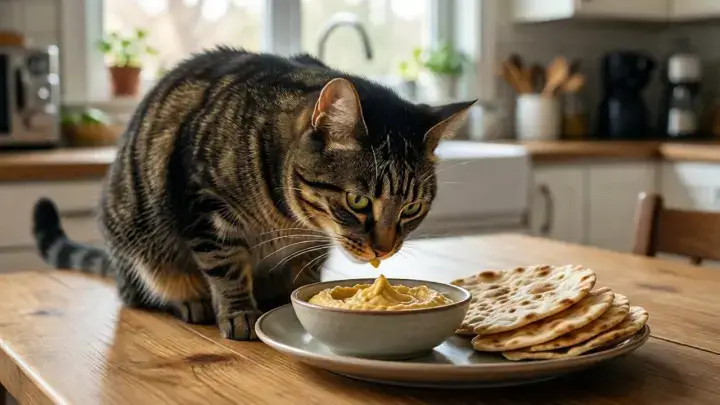
Many cat owners enjoy sharing small bites of their food with their pets. When a curious cat watches you eat, it can be tempting to offer a taste. One food that often raises questions is hummus. This creamy dip made from chickpeas is healthy for humans, but that does not automatically mean it is safe for cats.
Understanding can cats eat hummus and cannot eat is an important part of responsible pet care. Cats have very different nutritional needs compared to humans, and some ingredients that are harmless for people can cause problems for animals. If you have ever wondered whether cats can eat hummus, the answer requires a closer look at its ingredients and how they affect feline health.
This guide explains whether hummus is safe for cats, what risks it may carry, and what you should do if your cat eats it.
Understanding a Cat’s Natural Diet
Cats are obligate carnivores. This means their bodies are designed to get most of their nutrients from animal-based proteins. Unlike humans or even dogs, cats do not need large amounts of plant foods in their diet. Their digestive systems work best when they consume meat, organs, and small amounts of fat.
Because of this biological design, many plant-based foods are difficult for cats to digest. Some may simply pass through the digestive system without providing much benefit, while others can lead to stomach upset or more serious health concerns.
Commercial cat food is carefully formulated to meet these nutritional requirements. It contains the right balance of protein, fats, vitamins, and minerals that cats need to stay healthy. Human foods, even those considered healthy for people, are not always suitable for them.
Hummus is a good example of a food that appears nutritious but may not align with a cat’s dietary needs.
What Is Hummus Made Of?
Hummus is a popular Middle Eastern dip that has become widely consumed around the world. It is typically made by blending several ingredients together to create a smooth and creamy texture.
The traditional ingredients include:
- Chickpeas
- Tahini (sesame seed paste)
- Olive oil
- Garlic
- Lemon juice
- Salt
Some recipes may also include spices, paprika, cumin, or other flavorings.
For humans, hummus is packed with plant protein, fiber, and healthy fats. It is often seen as a nutritious snack. However, when evaluating whether it is safe for cats, each ingredient must be considered separately.
Are Chickpeas Safe for Cats?
Chickpeas are the main ingredient in hummus. On their own, plain cooked chickpeas are not toxic to cats. If a cat eats a very small amount accidentally, it is unlikely to cause serious harm.
However, that does not mean chickpeas are ideal for cats. Their digestive systems are not designed to process large amounts of legumes. Chickpeas contain high levels of fiber and carbohydrates, which cats do not require in significant quantities.
If a cat eats too many chickpeas, it may experience digestive discomfort. Symptoms can include bloating, gas, diarrhea, or vomiting. These reactions happen because the feline digestive system struggles to break down complex plant compounds.
In small accidental amounts, chickpeas are generally tolerated. But they should never become a regular part of a cat’s diet.
The Real Problem: Garlic in Hummus
The biggest concern with hummus is garlic. Garlic belongs to the allium family, which also includes onions, leeks, and chives. These foods are known to be toxic to cats.
Garlic contains compounds that can damage a cat’s red blood cells. When these cells are destroyed, the cat may develop a condition called hemolytic anemia. This condition reduces the blood’s ability to carry oxygen throughout the body.
Even small amounts of garlic can be harmful, especially for smaller cats. The effects may not appear immediately, which can make the situation more dangerous if the problem goes unnoticed.
Symptoms of garlic toxicity in cats can include weakness, pale gums, lethargy, rapid breathing, and loss of appetite. In severe cases, veterinary treatment is necessary to prevent life-threatening complications.
Because hummus almost always contains garlic, it is not considered safe for cats.
Other Ingredients That May Cause Issues
Garlic is the primary danger, but several other ingredients in hummus may also cause problems for cats.
Salt is commonly added to hummus recipes. Cats require only a very small amount of sodium in their diet. Excess salt can lead to dehydration and, in extreme cases, sodium poisoning.
Lemon juice is another ingredient that may irritate a cat’s digestive system. Citrus fruits contain compounds that cats often find unpleasant, and they can cause stomach upset if consumed.
Tahini, which is made from sesame seeds, is high in fat. While a tiny amount may not be harmful, fatty foods can sometimes trigger digestive problems in cats, especially if they are not used to them.
When all these ingredients are combined, hummus becomes a food that provides no real benefit to cats and carries several potential risks.
What Happens If Your Cat Eats Hummus?
Cats are naturally curious animals. If you leave a plate unattended, a cat might take a quick lick before you notice. In most cases, a tiny taste of hummus will not lead to severe problems.
However, the reaction can vary depending on how much was eaten and the ingredients in the hummus.
A small lick may result in no symptoms at all. Some cats may experience mild digestive upset, such as temporary diarrhea or vomiting. These symptoms often pass within a day.
If a cat consumes a larger portion of hummus, especially one that contains garlic or onion powder, the risk becomes more serious. Toxic reactions can develop within a few hours or sometimes after a day or two.
Monitoring your cat closely after accidental consumption is important.
Signs That Your Cat May Be Having a Reaction
If your cat eats hummus, watch for unusual behavior or physical symptoms. Some warning signs may include:
- Vomiting
- Diarrhea
- Loss of appetite
- Weakness
- Pale gums
- Increased breathing rate
- Lethargy
These symptoms do not always appear immediately. Garlic toxicity, in particular, may take time to develop. If you notice any of these signs, contacting a veterinarian is the safest option.
Early treatment can prevent complications and help your cat recover quickly.
Why Cats Are Attracted to Human Food
Many cats show interest in the food their owners eat. This behavior is not always driven by hunger. Sometimes the smell, texture, or curiosity encourages them to investigate.
Cats rely heavily on their sense of smell. Strong aromas, especially from foods that contain oils or fats, may capture their attention.
Another factor is learned behavior. If a cat has been given table scraps before, it may associate human meals with potential treats.
While it might seem harmless to share food occasionally, doing so can encourage begging and increase the risk of your cat eating something unsafe.
Safer Treat Options for Cats
If you want to treat your cat occasionally, there are many safer alternatives to human snacks like hummus. Choosing foods that align with a cat’s natural diet is always the better option.
Small pieces of cooked chicken or turkey without seasoning are excellent treats. Cats also enjoy small amounts of cooked fish such as salmon or tuna, provided it is plain and free of added salt.
Commercial cat treats are another reliable choice because they are specifically designed for feline nutritional needs.
When offering treats, moderation is important. Treats should make up only a small portion of a cat’s daily calorie intake to maintain a healthy weight.
Preventing Accidental Consumption
Preventing your cat from eating foods like hummus is usually simple with a few precautions. Keeping human food out of reach is the most effective method.
Cats are agile and curious, so it helps to avoid leaving food unattended on tables or countertops. Sealing leftovers in containers and storing them properly also reduces temptation.
Training can also play a role. Teaching your cat to stay off dining surfaces helps create clear boundaries and prevents food-related accidents.
Consistency is key. If a cat never receives food from the table, it eventually learns that begging will not lead to rewards.
When to Contact a Veterinarian
If your cat eats a very small amount of hummus and shows no symptoms, monitoring at home is usually enough. However, certain situations require immediate veterinary advice.
You should contact a veterinarian if:
- Your cat ate a large portion of hummus
- The hummus contained garlic or onion powder
- Your cat begins showing unusual symptoms
- Your cat already has a sensitive stomach or existing health issues
Veterinary professionals can evaluate the situation and recommend the best course of action. In some cases, early treatment may involve inducing vomiting or providing supportive care.
Acting quickly can make a significant difference in protecting your cat’s health.
The Final Verdict: Can cats eat hummus?
Hummus is a nutritious food for humans, but it is not suitable for cats. The presence of garlic alone makes it a risky choice, and other ingredients such as salt and lemon juice add further concerns.
While a tiny accidental taste may not cause serious harm, hummus should never be intentionally offered to cats. Their bodies simply are not designed to process many of the ingredients found in this popular dip.
Providing species-appropriate food and treats is the best way to keep your cat healthy and safe. By understanding which foods are safe and which ones should be avoided, you can make better choices for your pet’s well-being.
Frequently Asked Questions (FAQs)
Can a cat eat a small amount of hummus?
A tiny lick of hummus is unlikely to cause serious harm, but it is not recommended. Most hummus recipes contain garlic, which is toxic to cats. Even small amounts may cause digestive upset.
Is plain hummus without garlic safe for cats?
Hummus without garlic may be less dangerous, but it still is not an ideal food for cats. Ingredients like chickpeas, lemon juice, and salt can still upset a cat’s stomach and provide no nutritional benefit.
What should I do if my cat eats hummus?
If your cat eats a small amount, monitor it for symptoms such as vomiting, diarrhea, or lethargy. If a large amount was consumed or symptoms appear, contact a veterinarian for guidance.
Are chickpeas toxic to cats?
Chickpeas themselves are not toxic, but they are difficult for cats to digest. Eating too many chickpeas can cause gas, bloating, or stomach discomfort.
Why is garlic dangerous for cats?
Garlic damages a cat’s red blood cells and can lead to hemolytic anemia. This condition reduces the blood’s ability to carry oxygen and can become life-threatening if untreated.
What human foods are safe for cats as treats?
Plain cooked chicken, turkey, and small amounts of fish can be safe treats for cats when offered occasionally. These foods align better with a cat’s natural carnivorous diet.
For More Visits: Animalsinfo
Also Read: Can Cats Eat Mayo? 7 Safe Tips Every Owner Needs (2026)