



Can Cats Have Imitation Crab? A 2025 Guide to Safe Feline Snacking
Cats are naturally drawn to the smell of seafood, and if you’ve ever opened a can of crab or prepared a seafood dish, you’ve probably seen your feline friend magically appear, eyes wide and nose twitching. This often leaves pet parents wondering—can cats eat imitation crab, or even real crab meat? Imitation crab, also called surimi, is a highly processed food made from white fish (usually Alaskan pollock) mixed with starches, sugars, salt, artificial flavoring, and preservatives to mimic the taste of real crab.
Related Post: Can Dogs Eat Imitation Crab Safely? Vet-Approved Insights!
Imitation Crab vs Real Crab: The Surprising Truth Behind What’s Really on Your Plate
Imitation crab may look like crab meat and even taste similar in certain dishes, but the truth is—it’s a cleverly disguised substitute made from processed white fish known as surimi. This fish is deboned, minced into a fine paste, and then blended with a mix of additives like starch, sugar, salt, vegetable oil, and artificial flavorings to replicate the texture and flavor of real crab. In fact, many people unknowingly consume imitation crab when expecting the real thing. But when it comes to nutritional value, the differences between imitation crab and authentic crab meat are significant. Real crab is naturally rich in high-quality protein, omega-3 fatty acids, essential minerals like zinc and selenium, and contains zero carbohydrates—making it far more suitable for a nutrient-dense diet. Imitation crab, on the other hand, is relatively low in protein and stripped of most vital nutrients during processing. It contains unnecessary fillers and additives not found in fresh crab, making it nutritionally inferior. Both imitation and real crab are high in sodium, but imitation crab often has extra salt added during manufacturing, which can pose health concerns if consumed in large quantities. As we move into 2025 with a stronger focus on informed food choices, it’s more important than ever for pet parents and health-conscious individuals alike to understand what really goes into the foods we offer our families—human or feline. Opting for whole, minimally processed foods instead of artificial alternatives plays a vital role in long-term health—and knowing the difference between imitation and real crab is a meaningful part of that step toward smarter nutrition.
Is Crab Meat Safe for Cats to Eat in 2025? A Smart Guide for Pet Parents
As obligate carnivores, cats thrive on a high-protein, low-carb diet sourced primarily from animal flesh. While crab does contain decent levels of protein and fat, it’s not a complete or balanced source of feline nutrition. Instead, crab should be treated as an occasional treat, not a daily meal. When prepared correctly—plain, fully cooked, and free from spices or additives—a small bite of crab can be a tasty and harmless indulgence for your curious cat. However, overfeeding or offering crab that’s been seasoned with garlic, onion, butter, or salt can pose serious health risks, including gastrointestinal upset or toxic reactions. Many herbs and spices that enhance flavor for humans are toxic to cats, so always separate a clean portion for your cat before adding any seasoning.
Additionally, the source of the crab matters. Wild-caught crab from clean waters, properly cooked and shell-free, is safest. Processed crab products or imitation crab often contain preservatives, artificial flavorings, and high sodium levels—none of which benefit your cat’s health. While it may be tempting to share your seafood dinner, the best approach is cautious,
In 2025, modern pet care emphasizes science-backed nutrition and personalized feeding habits. Before introducing crab—or any human food—to your cat’s diet, consult your veterinarian, especially if your feline has food sensitivities, is on medication, or follows a prescription diet. Suppose you’re unable to visit a vet in person. In that case, services like PangoVet offer affordable online consultations, allowing you to receive expert guidance quickly and safely from the comfort of your own home.
A plain, well-cooked piece here and there can be a fun and tasty experience for your pet, but balanced, species-appropriate meals should always remain at the heart of their diet.
Can Cats Eat Raw Crab? Why Cooking Matters More Than You Think
The simple answer is a firm no—cats should never eat raw crab. While it might seem natural to share uncooked seafood with your carnivorous feline, raw crab meat can harbor a range of harmful pathogens, including bacteria, parasites, and viruses commonly found
What cats do need is a high-protein, low-carbohydrate, and moderate-fat diet to support their biological systems. Protein fuels their metabolism, maintains lean muscle mass, and supports skin, coat, and organ function. Unlike humans or dogs, cats cannot produce certain amino acids like taurine or vitamins like vitamin A internally—they must get them through their food. This is why a meat-based diet is non-negotiable. Carbohydrate-heavy diets or filler-based commercial foods found in ocean-dwelling animals. Feeding your cat raw crab puts them at serious risk of foodborne illnesses, including gastrointestinal infections and parasitic infestations, which can lead to vomiting, diarrhea, lethargy, and in severe cases, life-threatening complications. That’s why crab meat must always be thoroughly cooked before it’s offered to your cat—cooking eliminates harmful microbes and makes the protein more digestible and safer for feline consumption.
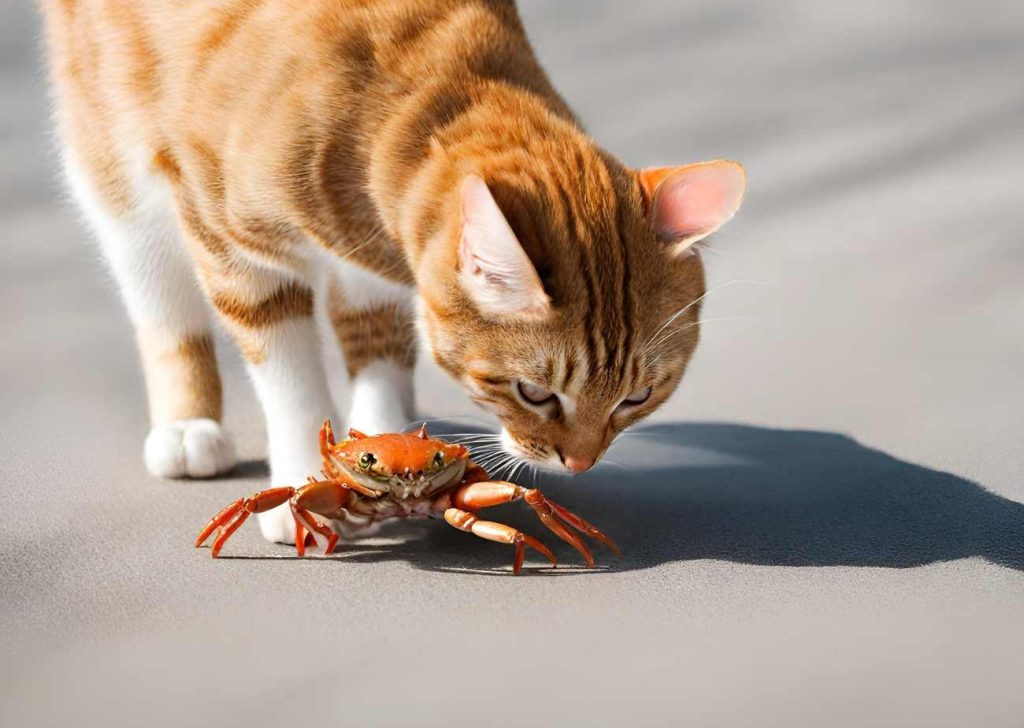
Equally important is avoiding the shell and legs of the crab. While it might be tempting to toss a leftover claw to your playful kitty, crab shells are sharp, hard to chew, and pose a significant choking hazard. Even if your cat is just licking the shell, small pieces can break off and be accidentally swallowed, leading to potential mouth injuries, broken teeth, or dangerous intestinal blockages. Moreover, crab shells can carry environmental bacteria or pollutants that aren’t safe for your pet—even minimal exposure through licking may upset their stomach.
So when it comes to feeding crab, keep it simple and safe: a small, plain, fully cooked piece of boneless meat, free from seasonings, shells, and additives. This applies even more strictly when considering imitation crab, which adds another layer of processing and potential ingredients that are not suitable for cats.
Is Raw Crab Safe for Cats? What Every Cat Owner Needs to Know in 2025
Raw crab might seem like a natural choice for a carnivorous pet, but it is not safe for cats under any circumstances. Uncooked seafood, including raw crab, can harbor dangerous pathogens such as bacteria, parasites, and viruses that may lead to severe gastrointestinal infections in felines. Unlike humans, cats have sensitive digestive systems and are especially vulnerable to foodborne illnesses. That’s why crab meat should always be thoroughly cooked before offering even a small bite to your pet. Proper cooking destroys harmful microorganisms and makes the meat safer and easier to digest.
In addition to avoiding raw crab, it’s equally important to never feed your cat crab shells or legs. These hard, sharp parts are not only difficult to chew and swallow but also pose a significant choking hazard. Even small shell fragments can injure your cat’s mouth, break their teeth, or lead to internal injuries and intestinal blockages if swallowed. Some cats, especially playful or curious ones, might lick or play with crab shells, accidentally ingesting pieces in the process. Moreover, these shells can be contaminated with environmental bacteria, which may cause stomach upset or infection even through minimal exposure.
To keep your cat safe and healthy, stick to small, plain, fully cooked portions of crab meat, free of seasonings, butter, garlic, or shell. Informed pet care in 2025 means understanding not just what your cat eats, but also how it’s prepared. Your cat’s safety is always worth the extra step.
What Exactly Are Crabs? A Closer Look at These Fascinating Sea Creatures
Crabs are fascinating aquatic creatures that belong to the order Decapoda and the infraorder Brachyura, characterized by their hard exoskeleton, ten legs, and two prominent front claws used for defense and feeding. Found in oceans, freshwater rivers, and even on shorelines, crabs thrive in a wide range of environments across the globe. Their compact, armored bodies and sideways movement make them one of the most easily recognizable members of the crustacean family. Over the years, crabs have become a prized delicacy in global cuisine—not only for their sweet, tender meat but also for their impressive nutritional profile. Rich in protein, essential minerals, and omega-3 fatty acids, crab meat is enjoyed in everything from gourmet seafood dishes to simple home-cooked meals. As we explore whether this ocean treasure is safe for our feline companions, understanding what crabs are and what they offer nutritionally lays the foundation for making informed choices as a cat parent in 2025.
Cat Nutrition 101: Understanding Your Feline’s Natural Dietary Needs
Cats are obligate carnivores, also known as hypercarnivores, meaning their bodies are biologically designed to thrive on diets consisting of at least 70% animal-based protein. Unlike omnivores or herbivores, cats don’t require plant material for essential nutrients—in fact, their digestive systems are not built to effectively process or absorb nutrients from vegetation. Instead, their optimal nutrition comes directly from prey animals, which provide the amino acids, vitamins, and fatty acids necessary for survival.
This is vastly different from ruminants like cows or goats, which are forgetful fermenters and rely on complex bacterial fermentation in their multi-chambered stomachs to digest fiber-rich plant material. Cats, however, lack the gut bacteria and enzymes to break down cellulose and extract full nutrition from plants. This is why, even if a cat consumes certain greens or veggies, they cannot extract the full spectrum of nutrients unless it’s from animal sources. While most plant matter isn’t toxic to cats in small quantities, it simply doesn’t offer meaningful dietary value for them. cat foods often result in protein dilution, causing cats to consume less of the very nutrient their bodies crave. In 2025, where modern feline health is more prioritized than ever, pet parents must focus on species-appropriate diets that mirror what cats are naturally evolved to eat: meat, organs, and moisture-rich animal protein.
So whether you’re adding a bit of cooked crab as a treat or choosing daily meals, the golden rule is this: prioritize animal-based protein, minimize unnecessary carbs, and always aim for biologically-appropriate nutrition to give your cat the long, healthy life they deserve.
Related Post: Can Cats Eat Cashews: Safe or Silent Danger? – 2025 Edition
Can Cats Eat Crab Shell or Legs? The Hard Truth Every Cat Parent Should Know
No, cats should never eat crab shells or crab legs with the shell on—no matter how curious or persistent they may be. Crab shells are extremely hard, sharp, and splinter easily when bitten, which can cause serious harm to your cat’s mouth, gums, or even teeth. Ingestion of these shells poses a high risk of choking, especially if a sharp piece gets lodged in the throat or esophagus. In some cases, this can lead to breathing difficulties, coughing, retching, or vomiting—and may require emergency veterinary care.
Even if swallowed, crab shells are difficult to digest and can create serious intestinal blockages or internal injuries. Their jagged edges can cut the delicate lining of your cat’s digestive tract, potentially leading to internal bleeding or infection. This is true not only for the body shell but also for the shells on crab legs, which many pet owners mistakenly assume are safer.
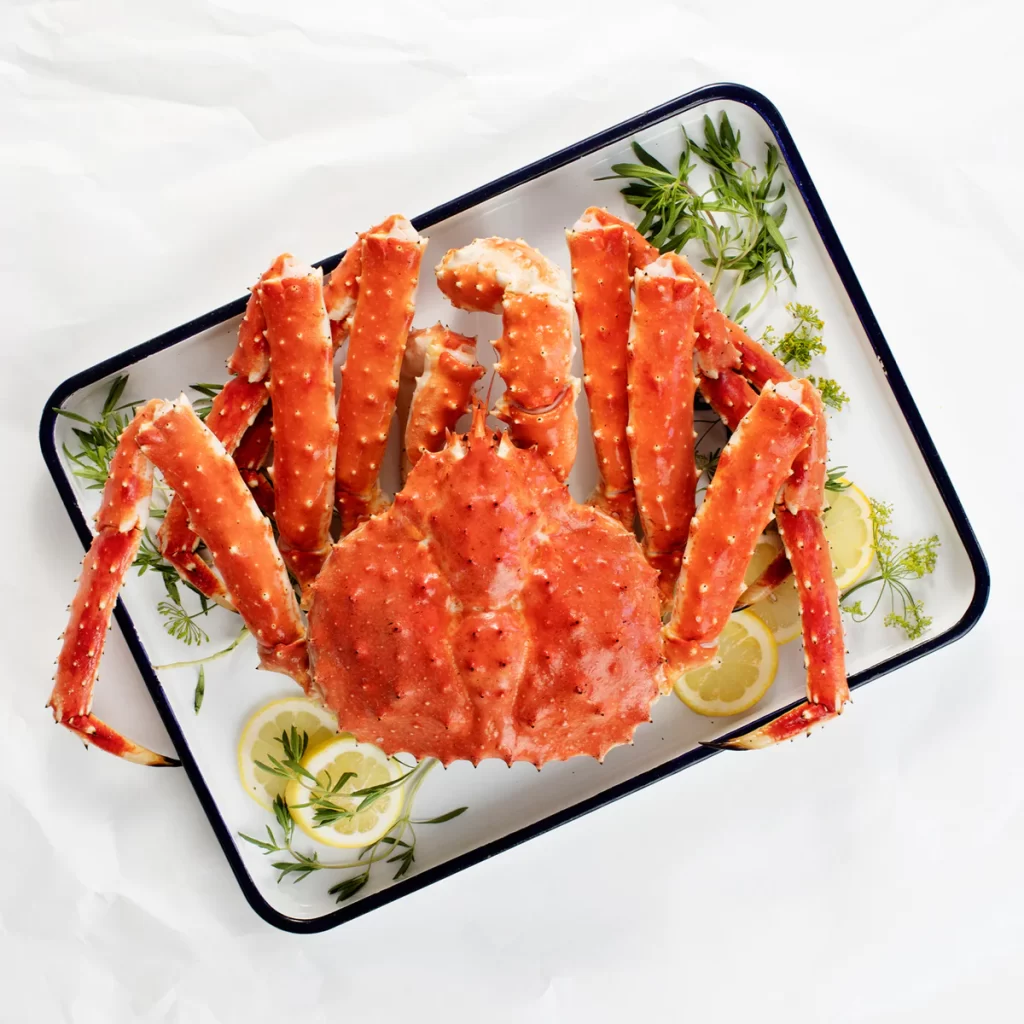
If you’re offering crab to your feline friend, it’s critical to remove all shell pieces completely, ensuring the meat is plain, fully cooked, and free of any added seasonings or oils. If your cat accidentally ingests any shell fragments, don’t wait—contact your vet immediately for guidance.
In short, crab meat can be a safe treat, but the shell is never part of the deal. Whether it’s the body shell or the shell on the legs, they all pose serious dangers. In 2025 and beyond, responsible pet care starts with understanding not just what’s edible—but what’s truly safe.
Can Cats Eat Imitation Crab? A 2025 Look at Surimi and Feline Safety
Imitation crab—often labeled as surimi—might look and taste like real crab meat, but when it comes to your cat’s health, the difference is more than skin-deep. Made from minced white fish (typically pollock) and heavily processed with starches, sugars, artificial flavors, preservatives, and high levels of sodium, imitation crab is essentially the “junk food” of the seafood world. While your cat might be drawn to its fishy smell and flavor, imitation crab offers little to no nutritional benefit and may pose health risks if consumed frequently.
Unlike real crab meat, which contains natural proteins and essential nutrients, imitation crab is loaded with carbohydrates and additives that don’t belong in a feline diet. Cats are obligate carnivores and have no biological need for carbs or sugars—in fact, over time, such ingredients can contribute to obesity, insulin resistance, or digestive discomfort. Even though a small bite may not cause immediate harm, regular consumption can upset your cat’s long-term health.
So, can cats eat imitation crab? Technically, yes—but they shouldn’t. A tiny nibble on rare occasions is unlikely to hurt, but it should never become a treat you rely on. In 2025, where informed pet nutrition is more important than ever, it’s essential to prioritize real, whole protein sources and avoid highly processed, filler-heavy options like surimi. Always check ingredient labels, and when in doubt, stick to plain, cooked, natural meats your cat’s body is actually designed to digest.
Can Cats Eat Crab Sticks? A 2025 Guide to Surimi and Feline Health
Crab sticks—those bright, seafood-flavored strips you often find in sushi or seafood salads—may look tempting to your cat, but they’re not exactly feline-friendly. While often marketed as crab-flavored snacks, crab sticks are actually made from surimi, a highly processed seafood paste made by blending white fish like pollock with starches, artificial flavorings, colorings, preservatives, and salt to mimic the taste and texture of real crab meat. Essentially, crab sticks are the seafood equivalent of a hotdog—cheap, flavorful, but far from nutritious.
Although not toxic, crab sticks are low in actual nutritional value and high in ingredients that cats do not need. The biggest concerns include excessive sodium, added phosphorus, refined carbs, and chemical additives, all of which can stress your cat’s kidneys and digestive system over time. Cats, as obligate carnivores, require high-quality animal protein and minimal carbohydrates, so feeding processed foods like crab sticks can gradually contribute to obesity, dehydration, and metabolic imbalances.
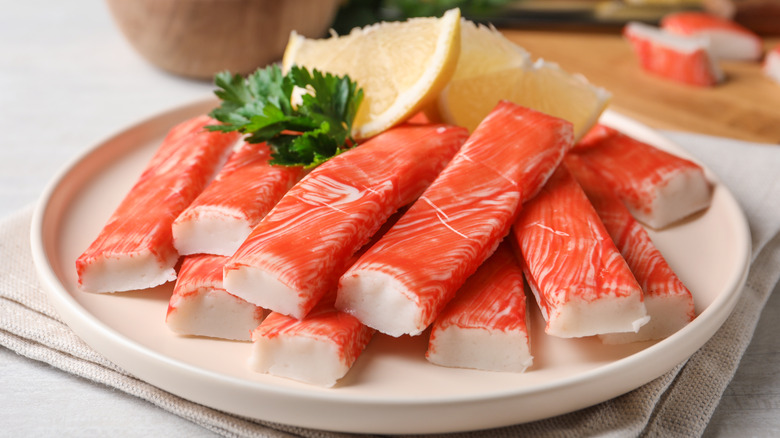
If your cat happens to nibble on a small piece of crab stick, there’s no immediate cause for alarm—but it should never become a regular part of their diet. Occasional, tiny treats may not cause harm, but consistent intake can increase the risk of digestive issues, high blood pressure, and even chronic illness over time. In short, crab sticks are human junk food, and like any other processed snack, they offer no meaningful benefit to your cat’s health.
In 2025, modern cat care is all about precision nutrition—feeding cats what they’re biologically designed to eat: natural, whole, protein-rich foods without unnecessary fillers. So, while crab sticks might seem harmless, your best move is to skip them altogether and stick to safer, species-appropriate treats.
Can Kittens Eat Crab Meat? What New Pet Parents Should Know in 2025
While adult cats can enjoy small portions of properly cooked crab meat on occasion, kittens should not be given crab meat—even as a treat. A kitten’s digestive system is still in its developmental stages, making it less equipped to process rich or unfamiliar proteins like shellfish. Introducing such foods too early can lead to digestive upset, allergic reactions, or nutrient imbalances during this critical growth period.
Kittens have very specific nutritional needs that must be met through a balanced, species-appropriate diet. These early months are crucial for forming strong bones, building lean muscle, and developing a resilient immune system. Their diet should include:
- High-quality animal-based protein to support muscle, organ, and tissue growth.
- Healthy fats for energy, brain development, and nutrient absorption—especially fat-soluble vitamins like A, D, E, and K.
- Balanced vitamins and minerals, including calcium and phosphorus for bone development, iron for red blood cell production, and B vitamins for metabolic and nervous system function.
- Fresh, clean water at all times to support hydration and kidney function.
Feeding crab meat to kittens can interfere with this delicate nutritional balance and may expose them to ingredients (like sodium or additives) they’re not ready to handle. While crab isn’t toxic in small quantities, it offers little benefit to a growing kitten and could do more harm than good.
As your kitten matures and transitions into an adult cat, you can consider introducing tiny, plain, cooked portions of crab meat as an occasional treat—but only with your veterinarian’s guidance. In 2025, the focus is on intentional feeding: ensuring every bite your kitten takes is working toward lifelong health, not just temporary satisfaction.
Related Post: Can Cats Eat Seaweed Safely? Shocking Truths & Safety Tips!
How Often Can You Give Your Cat Crab Meat? A Smart Feeding Guide for 2025
If your cat shows an interest in crab meat, you’re not alone—its rich aroma and tender texture make it a tempting treat for many felines. But when it comes to seafood and cats, moderation isn’t just important—it’s essential. As a general rule, you can offer your cat a small, plain, cooked piece of crab meat once or twice a week, but no more.
Crab meat is a natural source of protein and essential minerals like zinc and vitamin B12, but it also comes with high sodium levels that aren’t ideal for regular consumption. Too much crab meat can strain your cat’s kidneys, cause digestive upset, or disrupt their nutritional balance, especially if it’s replacing their regular, species-appropriate meals.
Can Cats Have Crab Rangoon? Here’s Why It’s a Definite No in 2025
As tempting as it may be to share your favorite takeout snack with your feline friend, Crab Rangoon is off-limits for cats. While it contains crab meat, which cats may be drawn to, this deep-fried appetizer is far from feline-friendly. Typically made with wonton wrappers, cream cheese, spices, and artificial flavorings, Crab Rangoon is a high-fat, high-sodium, and dairy-heavy food that offers zero nutritional benefit to your cat.
Final Thoughts:
In 2025, being a responsible cat parent means going beyond what’s simply “safe” and focusing on what’s biologically appropriate and genuinely beneficial. While imitation crab isn’t toxic, it’s far from ideal for a species that thrives on pure animal protein. With its processed fillers, added sodium, and artificial ingredients, imitation crab is more of a feline junk food than a wholesome treat.
If your cat sneaks a bite, there’s no need to panic—but don’t make it a habit. Instead, prioritize real, plain, cooked meats that align with your cat’s natural dietary needs.So yes, cats can have imitation crab—but only as an occasional nibble, not a regular indulgence. The healthiest cats in 2025 are those with guardians who make every treat count. Choose wisely, feed smart, and keep those curious paws thriving.
FAQs: Can Cats Eat Imitation Crab?
Is it okay to give cats imitation crab meat?
It’s okay in tiny amounts once in a while, but imitation crab meat is highly processed and offers little nutritional value for cats. It contains added salt, sugar, and preservatives, making it more of a junk treat than a healthy snack.
Will imitation crab make my cat sick?
If your cat eats a small piece, they’ll likely be fine. But larger quantities can lead to vomiting, diarrhea, or stomach upset due to the high sodium and additives. Always watch for signs of discomfort and avoid feeding it regularly.
Can cats digest imitation crab sticks safely?
Cats may digest small pieces of imitation crab sticks, but it’s not ideal. Their digestive systems are built for real meat, not starches, artificial flavors, or preservatives found in surimi. Long-term feeding can cause health issues.
What should I do if my cat ate an imitation crab?
If your cat ate a small, unseasoned amount, monitor them for 24 hours. If they show symptoms like vomiting, lethargy, or diarrhea, call your vet. If they ate a large portion or the crab was seasoned or fried, seek veterinary advice immediately.
Is real crab better than imitation crab for cats?
Yes—plain, cooked real crab is a much better option. It’s rich in protein and natural nutrients, while imitation crab is mostly filler and flavoring. If you’re treating your cat, always choose real crab in moderation over imitation.
For More Visits: Animalsinfo


