

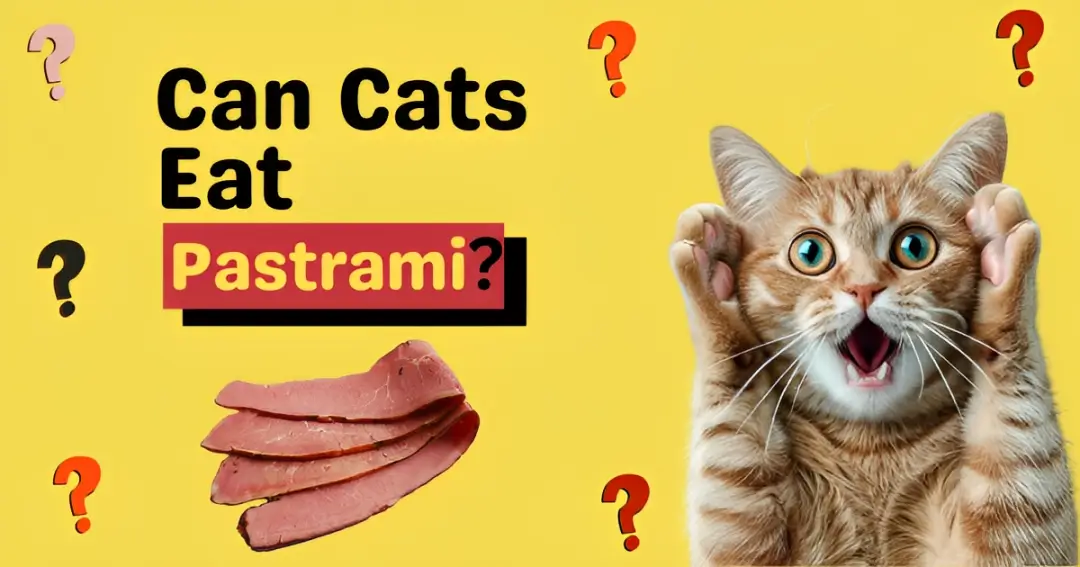
Imagine stepping away from your lunch for just a moment, only to return and discover your curious feline has taken a few bold bites out of your pastrami sandwich. Panic sets in—is pastrami toxic to cats? Should I rush to the vet?
So Can Cats Eat Pastrami? First, take a breath. So no, your beloved kitty probably isn’t in danger from that sneaky snack. But that doesn’t mean pastrami belongs in their diet, either.
As devoted pet parents, we often struggle to decode the safety of human foods for our cats. And let’s be honest—they always want what’s on our plate, whether it’s meat, bread, or cheese. Pastrami may smell enticing, but the truth is, deli meats like this can quietly compromise your cat’s health over time.
In this detailed guide, we’ll explore:
- What pastrami is really made of
- The hidden dangers it poses to cats
- How much is “too much”
- Safer alternatives that your cat will love
Whether your kitty just stole a nibble or you’re tempted to share a treat, keep reading to discover the facts every cat owner must know in 2025 about cats and pastrami.
What Is Pastrami? (Feline-Friendly Facts You Should Know in 2025)
Originally crafted in Eastern Europe—particularly Romania—this meat was a clever solution for preserving protein before the invention of refrigeration. Today, it’s a centerpiece in iconic delicatessen sandwiches, most famously the New York-style pastrami on rye.
Traditionally made from beef brisket, pastrami can also be produced from turkey, lamb, or even pork. The preparation process is intensive and includes brining the meat for several days in a saltwater solution infused with spices. This brine not only helps preserve the meat but also infuses it with bold flavor.
After brining, the meat is generously coated with a blend of spices—often including black pepper, coriander, garlic, paprika, and mustard seeds—before it’s smoked and sometimes steamed to tender perfection. The result? A meat that is tangy, peppery, smoky, and irresistibly aromatic.
With its reddish-brown crust, juicy texture, and complex flavor, pastrami is beloved in many cuisines and cultures, particularly in Jewish-American delis. Its heritage may be old, but its popularity is timeless.
However, while pastrami may be a flavorful favorite on your plate, it’s a different story when it comes to your cat’s bowl. Beneath its savory layers lie ingredients and additives that raise serious concerns for feline health—which we’ll break down in the next section.
Can Cats Eat Pastrami? Here’s What Every Cat Parent Must Know in 2025
The short answer: No, cats should not eat pastrami—even if your whiskered companion looks up at you with pleading eyes.
While it’s true that cats are obligate carnivores and require animal-based protein to thrive, not all meats are created equal when it comes to feline health. Pastrami, though meat-based, is a heavily processed deli product loaded with ingredients that don’t belong in a cat’s diet.
This cured meat is often high in sodium, fat, nitrates, preservatives, and bold spices—all of which can negatively affect your cat’s digestive system, kidneys, and overall well-being. Even a small slice may contain more salt than your cat should consume in an entire day.
These ingredients are toxic to cats and can cause symptoms ranging from gastrointestinal distress to serious organ damage with prolonged exposure.
So, while sharing a tiny, unseasoned piece of lean cooked meat (like plain chicken or turkey) might be okay in moderation, pastrami is a hard no. The risks far outweigh any potential reward, no matter how cute their begging face may be.
Is Pastrami Safe for Cats?
If your cat just swiped a bite of pastrami off your plate, don’t panic—it’s not immediately dangerous. However, while pastrami isn’t classified as toxic, it’s far from safe or healthy for feline consumption.
At its core, pastrami may be made from beef, turkey, or lamb—meats that cats naturally enjoy. But the transformation from raw meat to deli staple includes heavy brining, smoking, and seasoning, which strips the meat of its nutritional value and introduces potentially harmful compounds to your cat’s system.
Processed meats like pastrami are extremely high in sodium, often containing over 10 times the amount of salt a cat should have in a day. In addition to salt, pastrami usually includes a blend of strong spices—such as garlic, onion powder, black pepper, and mustard seeds—that can irritate a cat’s stomach or, in larger quantities, lead to toxicity.
Even a small piece may upset your cat’s digestive balance. And if fed regularly, pastrami could contribute to long-term issues like hypertension, kidney strain, dehydration, or digestive inflammation.
What to Do If Your Cat Eats Too Much Pastrami
If your curious kitty has indulged in more pastrami than they should, don’t panic—but don’t ignore it either. While a small nibble likely won’t harm them, eating a large amount can overload their system with salt, spices, and preservatives, potentially leading to serious health concerns.
Assess the Amount and Ingredients
Try to estimate how much pastrami your cat consumed. A single bite? A whole slice? Also, check the label—some deli pastrami contains onion powder, garlic, nitrates, and excessive sodium, which are red flags for feline health.
Observe Your Cat Closely
Signs of pastrami-related distress may include:
- Vomiting or diarrhea
- Excessive thirst or urination
- Lethargy or weakness
- Drooling or pawing at the mouth
- Loss of appetite
- Signs of abdominal pain
These symptoms could indicate salt toxicity, digestive irritation, or even a reaction to spices or additives.
Offer Fresh Water Immediately
Pastrami is very salty, and your cat will likely feel dehydrated after eating it. Provide plenty of fresh, clean water to help flush the sodium from their system and reduce the risk of dehydration or kidney stress.
Do Not Induce Vomiting or Give Human Remedies
Unless directed by a licensed veterinarian, do not attempt to make your cat vomit or administer non-prescribed medications.. What works for humans can be dangerous—even deadly—for felines.
Call Your Veterinarian
If your cat ate a significant amount of pastrami or is showing any symptoms of distress, contact your vet immediately. Time matters, especially in cases of salt poisoning or exposure to garlic/onion derivatives. A vet may recommend bloodwork, IV fluids, or other treatments based on your cat’s condition.
Are There Any Benefits of Pastrami for Cats?
While pastrami might be a flavorful treat for humans, it offers little to no nutritional benefit for cats. As obligate carnivores, cats do need meat—but not processed, seasoned, or cured varieties like pastrami. Though a small bite on occasion isn’t likely to cause immediate harm, regularly feeding pastrami to your cat can lead to long-term health risks.
Pastrami is often high in sodium, preservatives, nitrates, and spices—none of which are suited to a cat’s delicate digestive system. Excess salt can contribute to dehydration, kidney strain, and high blood pressure in cats over time. In fact, many veterinarians recommend avoiding processed deli meats altogether in feline diets.
Even for humans, health experts caution against regular consumption of lunch meats—especially for pregnant and breastfeeding women—due to concerns over listeria and sodium nitrates. Given these concerns for people, it’s easy to understand why pastrami is best kept off your cat’s menu.
In short, while pastrami isn’t toxic in tiny amounts, it’s not a healthy or beneficial snack for your cat.
Potential Hazards of Pastrami for Cats: What Every Pet Owner Must Know
While a thin slice of pastrami may seem harmless, it’s actually one of the worst types of deli meat you could offer your cat. The danger lies not just in the meat itself, but in how it’s prepared—heavily seasoned, preserved, and brined in a mix of ingredients that are completely unsuitable for feline consumption.
One of the primary concerns is excessive sodium. Pastrami contains alarming salt levels, which can silently damage your cat’s kidneys and lead to long-term conditions like hypertension, dehydration, and even kidney failure. Unlike humans, cats have a much lower tolerance for salt, making any added sodium a potential threat.
But the risks don’t stop there. Traditional pastrami recipes often include a blend of spices and herbs that are harmful—or even toxic—to cats, such as:
- Garlic: Even in small amounts, garlic can damage red blood cells and lead to anemia.
- Black Pepper & Paprika: These can irritate your cat’s gastrointestinal tract, causing stomach upset or vomiting.
- Mustard Seeds & Cloves: Known to cause digestive distress in pets.
- Coriander & Allspice: While not always toxic, these spices can be too harsh for sensitive cat stomachs.
- Turbinado Sugar: Sugar has no place in a cat’s diet and contributes to obesity and diabetes.
Additionally, pastrami often contains chemical preservatives and nitrates that may increase cancer risk over time—another reason it’s best left off your cat’s plate.
In conclusion, while your cat might sniff around your sandwich out of curiosity, resist the urge to share. Pastrami poses several health risks that far outweigh any momentary enjoyment. If you’re looking to treat your feline friend, stick with vet-approved, species-appropriate snacks.
A Deeper Look at the Seasonings: Hidden Dangers in Every Bite of Pastrami
When evaluating the safety of pastrami for cats, it’s not just the meat itself that raises red flags—it’s the blend of seasonings and spices that pose hidden risks. While flavorful for humans, these added ingredients can be toxic or irritating to your feline companion, even in small amounts.
Allium Plants: Silent Threats to Feline Health
Garlic, onions, chives, and leeks—all part of the allium family—are particularly dangerous for cats. Even small, cooked portions can trigger a condition called oxidative hemolysis, where the red blood cells are damaged faster than the body can replace them. This leads to anemia, lethargy, vomiting, and pale gums, and in severe cases, can become life-threatening.
Cooking does not eliminate their toxicity. In fact, even trace amounts of garlic powder or onion extract—commonly found in deli meats like pastrami—can gradually compromise your cat’s health.
Cloves & Allspice: Liver-Toxic Compounds
While occasional exposure to tiny amounts might not cause immediate harm, concentrated doses—such as in essential oils or spice-heavy meats—can result in vomiting, tremors, or seizures. Cats metabolize eugenol poorly, making repeated exposure especially risky.
Coriander (Cilantro): Non-Toxic, But Still Troublesome
Though coriander is classified as non-toxic to cats, it’s not necessarily safe. When ingested, it may cause gastrointestinal distress, including nausea, vomiting, or diarrhea. So while it won’t poison your cat, it can still make them quite uncomfortable.
Can Cats Eat Processed Meats?
Cats are obligate carnivores, meaning their bodies are naturally designed to thrive on a diet composed primarily of animal-based proteins. However, not all meat is created equal, and processed meats are far from ideal. While cats require meat to survive, that meat should be unprocessed, fresh, and free of artificial additives or spices. Processed meats such as bacon, sausage, salami, hot dogs, and pastrami often contain substances that are not only inappropriate but also potentially harmful to feline health.
Why Processed Meats Are Unsafe for Feline Diets
Processed meats typically contain excessive levels of sodium, preservatives, smoke flavoring, and spices that cats cannot metabolize safely. These products are developed with human taste and preservation in mind, not the delicate nutritional balance required by cats.
In addition to sodium, processed meats are preserved using chemicals such as nitrates and nitrites, which have been linked to various health issues, including digestive upset and organ stress. Furthermore, these meats often contain seasonings like garlic powder, onion powder, paprika, and black pepper—all of which are either toxic or irritating to cats. Even if these ingredients are present in small amounts, long-term or repeated exposure can negatively affect your cat’s overall well-being.
Loss of Nutrients in Processed Meats
Another serious concern with processed meats is the loss of essential nutrients during preparation. When meats are cured, smoked, or chemically altered, they often lose crucial compounds such as taurine, vitamin A, and other amino acids that are vital to a cat’s health. Over time, feeding your cat nutritionally depleted or inappropriate meats can lead to dietary imbalances, organ failure, and chronic health problems.
Can Cats Eat Small Amounts of Processed Meat?
While a very small piece of processed meat may not cause immediate harm, it is never recommended as a regular part of your cat’s diet. More importantly, allowing your cat to develop a taste for salty or seasoned meats may encourage unhealthy eating habits that are difficult to reverse later on.
Related Post: Can Cats Eat Imitation Crab? Expert Guide 2025
Healthier Meat Options for Cats
The safest way to provide meat in your cat’s diet is through plain, cooked protein without any seasoning, sauces, or oils. Fresh options like boiled chicken, turkey, or lean beef offer the natural nutrition cats need without the added risks found in processed foods. For pet owners considering raw diets, it is essential to consult with a veterinarian to ensure the diet is balanced and free of harmful bacteria. Commercial cat foods specifically formulated to meet feline nutritional standards remain the most reliable and convenient choice.
Final Thoughts: Can Cats Eat Pastrami?
So, can cats eat pastrami? The short answer is no—they shouldn’t. While pastrami isn’t instantly toxic in small amounts, it contains a cocktail of ingredients that can be dangerous to your cat’s health over time. High sodium content, harmful spices like garlic and cloves, artificial preservatives, and nitrates all pose risks that a cat’s delicate body isn’t built to handle. Cats require clean, natural animal protein—not heavily seasoned, processed deli meats designed for human consumption.
If you truly care about your cat’s well-being, it’s best to steer clear of pastrami altogether and opt for safer, species-appropriate treats. As a responsible pet owner, always choose food that supports their health rather than putting it at risk for a moment of taste.
For the safest and most personalized dietary advice, consult your veterinarian to ensure your cat’s nutritional needs are being met—without the risks that processed meats like pastrami can bring.
Frequently Asked Questions (FAQs)
Can cats eat a small piece of pastrami?
A very small piece of pastrami is unlikely to cause immediate harm, but it is still not recommended. Even in tiny amounts, pastrami contains high sodium and toxic seasonings like garlic and cloves that can upset your cat’s stomach and strain their kidneys over time.
Is pastrami toxic to cats?
While pastrami isn’t classified as instantly toxic, many of its ingredients—such as garlic powder, cloves, black pepper, and preservatives—can be harmful to cats when consumed regularly. These substances can lead to digestive upset, anemia, or even organ damage if not avoided.
What should I do if my cat accidentally eats pastrami?
If your cat consumes a small amount of pastrami, monitor them closely for symptoms like vomiting, diarrhea, lethargy, or loss of appetite. If symptoms appear or if your cat eats a large amount, contact your veterinarian immediately for professional advice.
Why is pastrami unsafe for cats?
Pastrami is unsafe for cats due to its high salt content, spice blend (including garlic and mustard seeds), and chemical preservatives. These ingredients are not suitable for a cat’s digestive system and can lead to chronic health problems over time.
What meats are safe for cats instead of pastrami?
Safer alternatives to pastrami include plain, cooked meats such as chicken, turkey, beef, or rabbit. These should be free from salt, spices, sauces, and preservatives. Always serve meats cooked thoroughly or vet-approved if raw.
Can cats have pastrami as a routine part of their meals?
No, pastrami should never be part of a cat’s regular diet. It lacks the essential nutrients cats need and contains several harmful components. For long-term health, cats should eat nutritionally balanced meals designed specifically for felines.
For More Visits: Animalsinfo