


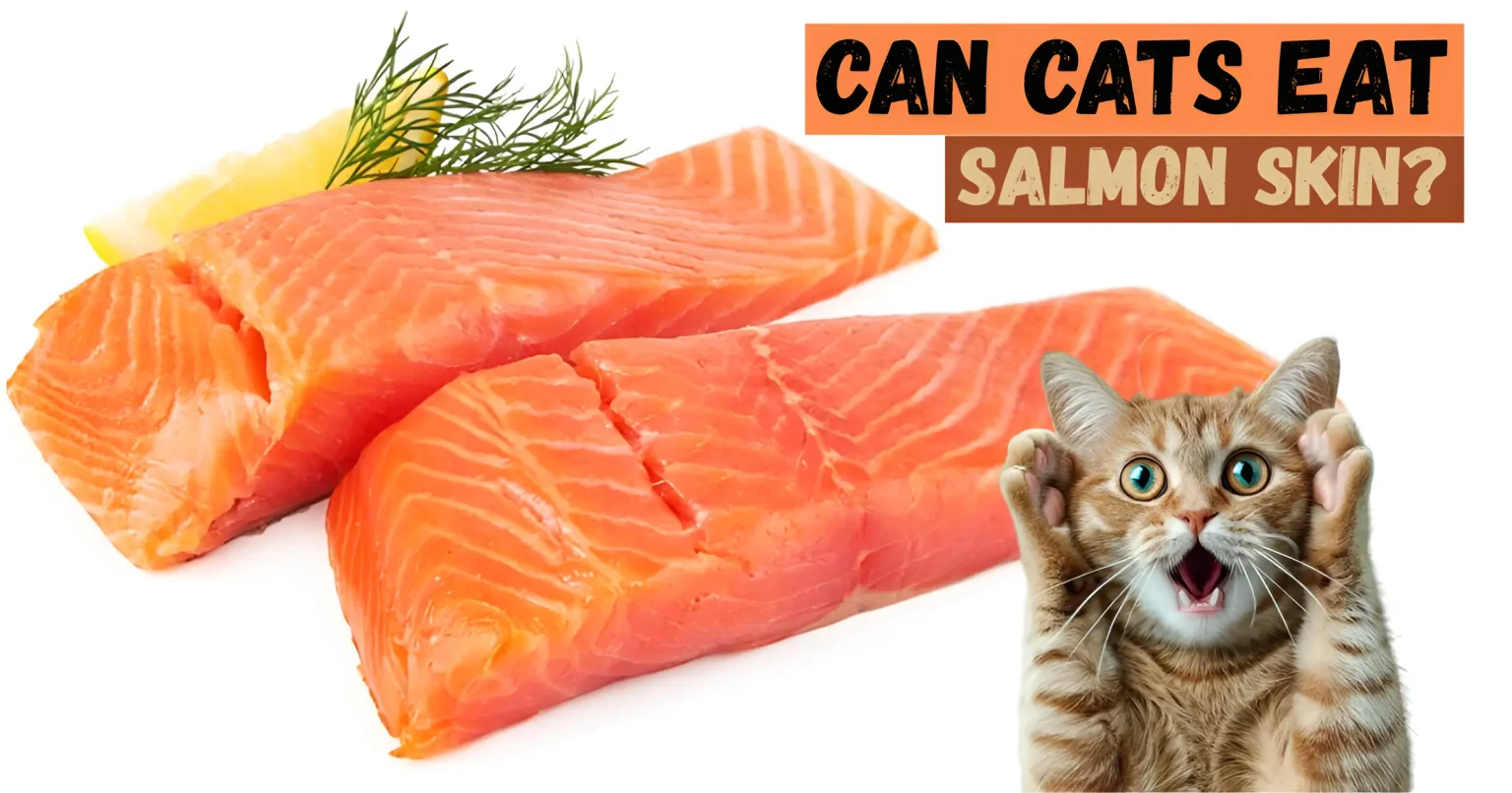
If you have ever been cooking salmon and peeled back the skin before serving, only to find your cat suddenly appearing at your feet with an intensity of focus that suggests they have been planning this moment for hours, you are in very familiar territory for cat owners. Salmon skin has an extraordinarily powerful smell when cooked — the oils and fats released during cooking create an aroma that registers as almost irresistible to a cat’s highly sensitive nose. Can cats eat salmon skin? The question of whether that skin is actually safe to share is one that deserves a thorough answer rather than a quick yes or no, because the reality involves a meaningful number of variables that determine whether salmon skin is a relatively harmless occasional treat or something that could genuinely harm your cat. The preparation method, the seasoning, the frequency of offering, and the condition of the skin all matter significantly, and understanding each of those factors will give you a much clearer picture of what you are actually dealing with.
Why Cats Are So Strongly Attracted to Salmon Skin Specifically
The attraction cats show toward salmon skin goes beyond simple curiosity about human food. Salmon skin is one of the most fat-rich parts of the fish, containing a high concentration of omega-3 fatty acids, oils, and proteins that produce an intensely appealing scent when heated. The Maillard reaction that occurs when salmon skin is cooked — the same chemical process responsible for browning and flavor development in many cooked foods — releases volatile aromatic compounds that carry through the air over considerable distances.
For a cat, whose olfactory system is estimated to be between 14 and 40 times more sensitive than a human’s, these aromatic compounds are not just noticeable — they are overwhelming in the most appealing possible way. The smell of cooking salmon skin essentially broadcasts a message to every cat in the vicinity that something extraordinarily rich in fat and protein is being prepared, and their biological instincts respond accordingly. This is not pickiness or personality — it is feline biology operating exactly as designed.
Understanding this attraction matters because it helps explain why cats can be so persistent and persuasive about salmon skin specifically, and why it is worth making a careful, informed decision about it rather than simply giving in to that persistence without thought.
The Nutritional Reality of Salmon Skin for Cats
Salmon skin, in its plain and properly prepared form, actually contains several nutrients that are genuinely beneficial for cats. The high omega-3 fatty acid content — particularly EPA and DHA — supports skin and coat health, reduces inflammation, aids joint function, and contributes to cardiovascular and neurological health. These are the same omega-3 benefits that make salmon oil supplements popular additions to cat diets under veterinary guidance.
Salmon skin also contains high-quality animal protein, which aligns with a cat’s fundamental dietary needs as an obligate carnivore. Unlike the carbohydrate-heavy treats and inappropriate human foods that cause problems for cats, the protein and fat profile of plain salmon skin is at least biologically appropriate in terms of the macronutrient categories it represents.
However — and this is a critically important however — the nutritional benefits of salmon skin are entirely dependent on the skin being offered in a form that does not introduce other harmful elements. The moment seasoning, salt, oil, sauces, or problematic cooking methods enter the picture, whatever nutritional value the salmon skin might have offered is completely overshadowed by the harm those additions cause. And in the real world of how salmon is actually prepared and consumed by humans, plain unseasoned salmon skin is the exception rather than the rule.
The Preparation Method Changes Everything
The single most important factor in determining whether salmon skin is safe for your cat is how it was prepared, and this cannot be overstated. The difference between plain, simply cooked salmon skin and the salmon skin that comes off a typical restaurant or home-cooked salmon dish can be the difference between a relatively harmless occasional treat and something that could make your cat genuinely sick.
Plain salmon skin that has been cooked through either steaming or baking with absolutely no added ingredients — no oil, no butter, no salt, no seasoning of any kind — is the only version that approaches acceptability as an occasional cat treat. Even in this ideal form, there are still considerations around portion size and frequency, but the absence of harmful additions means the primary risks are managed.
Pan-fried salmon skin is problematic even when no seasoning has been added, because frying introduces additional fat from the cooking oil that significantly raises the fat load of the skin beyond what was already present naturally. The already substantial fat content of salmon skin combined with frying oil creates a high-fat food that can trigger digestive upset and, with repeated consumption, contribute to pancreatitis.
Grilled salmon skin that has been seasoned — which describes the vast majority of grilled salmon dishes — combines the natural fat of the skin with salt, herbs, garlic, lemon, butter, or various marinade ingredients depending on the recipe. Each of these additions creates its own concern, and some of them are outright toxic.
Salmon skin from smoked salmon is particularly problematic because the smoking and curing process involves heavy salting that results in sodium levels far beyond what is appropriate for a cat’s kidneys to handle. Smoked salmon skin should never be offered to cats under any circumstances.
Salt and Seasoning Turn Salmon Skin Into a Hazard
Even when garlic and other explicitly toxic seasonings are not involved, the salt content in most prepared salmon dishes makes the skin from those preparations genuinely harmful to cats. Cats have a significantly lower sodium tolerance than humans, and their kidneys — already working hard to filter a concentrated protein diet — are not equipped to handle the sodium loads present in human-seasoned foods.
A small amount of salt may seem trivial from a human perspective, but the same quantity of sodium relative to a cat’s body weight and kidney capacity represents a meaningful burden. Short-term excessive sodium consumption causes increased thirst and urination as the kidneys work to excrete the excess. With repeated exposure, dietary sodium contributes to elevated blood pressure and kidney damage — conditions that are already among the most common and serious health problems in older cats.
For cats that already have kidney disease, heart disease, or hypertension — all conditions that affect a significant proportion of middle-aged and older cats — any additional sodium from human food represents a genuine medical concern rather than just a general wellness consideration. These cats should never receive salmon skin from human food preparations regardless of how plain the seasoning appears to be.
Garlic and onion, which appear in many salmon recipes either directly or as components of marinades, sauces, and herb blends, take the toxicity concern to a completely different level. Both belong to the Allium family of plants that are toxic to cats, causing oxidative damage to red blood cells and leading to hemolytic anemia. Garlic in particular is significantly more potent by weight than onion, and garlic powder — which is even more concentrated than fresh garlic — appears in many dry seasoning blends used on salmon. A cat that eats salmon skin that was seasoned with garlic has been exposed to a genuinely toxic compound, and the delayed symptom onset of Allium toxicity means they may appear fine for 24 to 72 hours while damage is already occurring internally.
Lemon and citrus-based seasonings, which are extremely common in salmon preparation, introduce citrus compounds that are also toxic to cats. The essential oils and psoralens in citrus cause gastrointestinal distress and can cause liver stress in cats. Salmon skin from a dish prepared with lemon butter or lemon herb seasoning is not appropriate for cats regardless of how appealing the smell might be.
Raw Salmon Skin Carries Its Own Serious Risks
Some cat owners, aware that cats are carnivores and associating raw food with natural eating, might consider offering raw salmon skin as an alternative to cooked preparations with their associated seasoning concerns. Raw salmon skin, however, carries a different but equally serious set of risks that make it an inappropriate choice.
Raw salmon and raw salmon skin can harbor a bacterium called Neorickettsia helminthoeca, which causes a condition known as salmon poisoning disease. While salmon poisoning disease is most commonly discussed in the context of dogs — in whom it is well documented and can be fatal — the safety of raw salmon for cats is not clearly established, and the general principle of avoiding raw fish to prevent bacterial and parasitic exposure applies to cats as well as other pets.
Raw fish also contains the enzyme thiaminase, which breaks down thiamine — vitamin B1 — in the cat’s body. Thiamine is essential for normal neurological function in cats, and thiamine deficiency caused by regular raw fish consumption can lead to serious neurological symptoms including loss of coordination, seizures, and in severe cases death. Cooking destroys thiaminase, which is one of the reasons cooked fish is significantly safer than raw fish from this perspective.
Raw salmon can also carry parasites including various species of tapeworm, the larvae of which can survive in salmon flesh and skin and establish themselves in a cat’s digestive tract if the fish is consumed raw. These parasites require veterinary treatment to eliminate and can cause ongoing digestive disruption if not identified and addressed.
How Much Plain Cooked Salmon Skin Is Actually Appropriate
If you have confirmed that you have plain, unseasoned, properly cooked salmon skin with no added salt, oil, or any other ingredients, the question becomes how much is appropriate to offer your cat and how often. The answer involves understanding that even nutritionally appropriate foods can cause problems in excessive quantities, and salmon skin — with its high fat content — is particularly important to portion carefully.
A small piece of plain cooked salmon skin, roughly the size of your thumbnail, offered occasionally — perhaps once a week at most — is the upper boundary of what most veterinarians would consider unlikely to cause harm in a healthy adult cat. This is a treat quantity in the truest sense, not a dietary supplement or a regular part of the meal. The omega-3 benefits attributed to salmon skin are better and more reliably delivered through veterinarian-recommended fish oil supplements designed specifically for cats, which provide controlled doses without the fat content and preparation concerns associated with actual fish skin.
Cats with sensitive stomachs, a history of pancreatitis, kidney disease, or any other health condition that affects how they process fat or protein should not receive salmon skin at all, even in these small quantities. The individual health status of your cat matters enormously in determining whether any amount is appropriate, and if you are uncertain, a conversation with your veterinarian is always the right first step.
The Bones Question — What to Watch For
Salmon skin sometimes comes with small pin bones still attached that were not fully removed during filleting. These fine, flexible bones are less immediately dangerous than the hard bones of other fish species, but they still represent a choking hazard and can potentially cause irritation or minor injury to the mouth, throat, or digestive tract if swallowed. Before offering any piece of salmon skin to your cat, examine it carefully and remove any bones that are present. Running your fingers along the skin and pressing gently will help you identify any pin bones that are not immediately visible.
Frequently Asked Questions – Can cats eat salmon skin?
Can cats eat salmon skin from sushi or sashimi? Sushi and sashimi preparations involve raw fish, which carries the risks of bacterial contamination, parasites, and thiaminase exposure discussed above. Additionally, sushi preparations often involve soy sauce, wasabi, and other seasonings that are completely inappropriate for cats. Salmon skin from sushi should not be offered to cats.
Is salmon skin better or worse for cats than regular salmon flesh? Both plain cooked salmon flesh and plain cooked salmon skin can be offered as occasional treats in small amounts, but they present slightly different risk profiles. The flesh has lower fat content than the skin, making it somewhat less likely to trigger digestive upset or contribute to pancreatitis. The skin has higher omega-3 content but also higher fat content overall. Neither should be a regular part of the diet, and both must be completely plain and properly cooked.
My cat ate salmon skin from dinner and it had butter and herbs on it. What should I do? Monitor your cat closely for signs of digestive upset including vomiting, diarrhea, and loss of appetite. If the preparation included garlic, onion, chives, or lemon in any form, contact your veterinarian promptly and describe what your cat ate and approximately how much was consumed. Do not wait for symptoms to develop before seeking guidance when potentially toxic seasonings are involved.
Can kittens eat salmon skin? Kittens should not be given salmon skin. Their digestive systems are still developing and considerably more sensitive than those of adult cats, and their nutritional needs during the growth phase are highly specific and best met exclusively through high-quality kitten food. Introducing rich, high-fat foods like salmon skin during kittenhood can cause digestive disruption and establish habits that are difficult to manage as the cat grows.
How often can I give my cat plain cooked salmon skin? Once a week at most, in a very small portion, is the upper boundary for healthy adult cats with no pre-existing health conditions. More frequent offering increases the cumulative fat load and the likelihood of contributing to weight gain, digestive issues, and pancreatic stress over time. Less frequent is generally better, and replacing salmon skin treats with purpose-made cat treats or plain cooked chicken removes the concern entirely.
Does the type of salmon matter — wild caught versus farmed? Wild-caught salmon generally has a different fatty acid profile than farmed salmon, with some research suggesting higher omega-3 content and lower exposure to certain contaminants. However, for the purposes of occasional cat treats, the distinction is less important than the preparation method and seasoning. Both wild-caught and farmed salmon skin should be plain and properly cooked before being offered to a cat in small amounts.
The conclusion with salmon skin is one of meaningful nuance rather than a flat prohibition or a blanket endorsement. Plain, properly cooked, completely unseasoned salmon skin offered in genuinely small quantities on an infrequent basis is something most healthy adult cats can have without immediate serious harm. But that description excludes the overwhelming majority of salmon skin that exists in real kitchens and on real dinner plates, which almost always involves salt, butter, oil, herbs, garlic, lemon, or some combination of all of the above. The gap between acceptable salmon skin and the salmon skin your cat is actually trying to get to is significant, and bridging that gap requires deliberate preparation specifically for your cat rather than sharing from your own plate. If the omega-3 benefits are what you are after for your cat’s coat and joint health, a veterinarian-recommended fish oil supplement delivers those benefits in a controlled, safe, and consistent way that no dinner table scrap can match.
For More Visits: Animalsinfo
Also Read: Can Cats Eat Cream Cheese? Vet-Backed Safe Guide 2026