

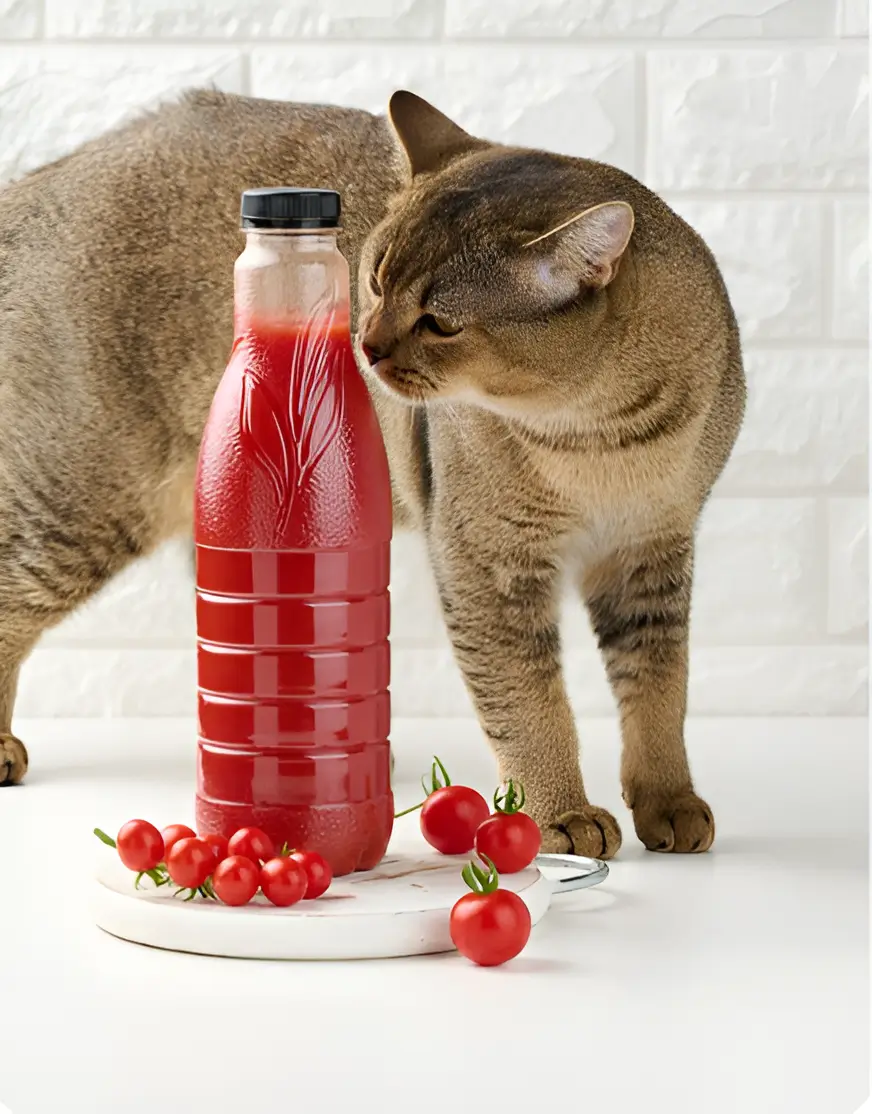
Cat owners often find themselves questioning whether certain human foods are safe to share with their pets. One such common question is: can cats eat tomato sauce? It may seem harmless at first, especially since tomatoes themselves are a natural ingredient. However, when it comes to tomato sauce, the answer is not as simple as yes or no. Understanding what tomato sauce contains and how it affects a cat’s body is essential before offering even a small taste.
Cats have very specific dietary requirements. Unlike humans, they are obligate carnivores, which means their bodies rely heavily on animal protein for proper nutrition. Their digestive systems are not designed to process a wide variety of plant-based or heavily seasoned foods. This makes it important to evaluate every ingredient in something like tomato sauce rather than focusing on just the main component.
What Is Tomato Sauce Made Of?
Tomato sauce is a widely used food item, commonly found in pasta dishes, pizzas, and various recipes. While the base ingredient is tomatoes, most sauces contain additional components such as salt, sugar, garlic, onions, herbs, and preservatives. These added ingredients are what make tomato sauce potentially harmful for cats.
Plain, ripe tomatoes in small amounts are generally not toxic to cats. However, tomato sauce is rarely just tomatoes. The seasoning and additives are what create risk. Ingredients like garlic and onions are particularly concerning, as they are known to be harmful to cats even in small quantities.
When evaluating whether cats can eat tomato sauce, it is important to consider the entire recipe, not just the primary ingredient.
Are Tomatoes Safe for Cats?
To better understand tomato sauce, it helps to first look at tomatoes themselves. Ripe tomatoes are not considered highly toxic to cats when consumed in very small amounts. However, unripe tomatoes, as well as the leaves and stems of the tomato plant, contain substances that can be harmful.
Even with ripe tomatoes, moderation is key. Cats do not need vegetables in their diet, and feeding them regularly is unnecessary. While a tiny piece of ripe tomato might not cause harm, it does not provide any meaningful benefit either.
Once tomatoes are turned into sauce, their safety changes significantly due to added ingredients. This is why it is not accurate to assume that tomato sauce is safe simply because tomatoes are involved.
Why Tomato Sauce Is Not Safe for Cats
The biggest concern with tomato sauce is the presence of toxic or irritating ingredients. Garlic and onions, which are commonly used in sauces, can damage a cat’s red blood cells and lead to serious health issues. Even small amounts can be harmful over time.
Salt is another ingredient that can cause problems. Cats require very small amounts of sodium in their diet, and excessive intake can lead to dehydration or more severe complications. Tomato sauce often contains more salt than a cat’s body can safely handle.
Sugar, while not toxic, is also unnecessary for cats. It can contribute to weight gain and other health problems if consumed regularly. Additionally, artificial preservatives and flavor enhancers may upset a cat’s digestive system.
The combination of these ingredients makes tomato sauce an unsuitable choice for cats, even if it seems harmless at first glance.
Digestive Issues in Cats
Cats have sensitive digestive systems that are not equipped to handle complex, heavily seasoned foods. When a cat consumes tomato sauce, it may experience gastrointestinal discomfort. This can include symptoms such as vomiting, diarrhea, or a lack of appetite.
These symptoms may appear mild at first but can become more serious depending on the amount consumed and the cat’s overall health. Some cats may be more sensitive than others, meaning even a small amount of sauce can cause noticeable issues.
Digestive upset is one of the most immediate signs that a food is not suitable for your pet. It is always better to avoid foods that have the potential to cause such reactions.
The Hidden Dangers of Garlic and Onions
Garlic and onions are among the most dangerous ingredients commonly found in tomato sauce. These foods belong to the allium family and are known to be toxic to cats. They can cause a condition that affects red blood cells, leading to anemia.
Symptoms of toxicity may not appear immediately, which makes it even more dangerous. A cat may seem fine at first but develop symptoms later, such as weakness, lethargy, or pale gums.
Because these ingredients are so common in tomato sauce, it is difficult to find a version that is completely safe for cats. This is one of the main reasons why tomato sauce should be avoided entirely.
Can Cats Eat Plain Tomato Sauce?
Some cat owners wonder if plain, unseasoned tomato sauce might be safe. While removing harmful ingredients like garlic and onions reduces the risk, it does not make the sauce beneficial.
Even plain tomato sauce can be acidic, which may irritate a cat’s stomach. Cats do not require tomatoes in their diet, and there is no nutritional advantage to feeding them tomato-based products.
If a cat accidentally consumes a small amount of plain sauce, it is unlikely to cause serious harm. However, it should not be intentionally offered as a treat.
Why Cats Show Interest in Human Food
Cats are naturally curious animals, and they often show interest in what their owners are eating. This does not mean the food is suitable for them. In many cases, cats are attracted to the smell, texture, or warmth of food rather than its taste.
Since cats cannot taste sweetness the way humans do, their interest in foods like tomato sauce is not driven by flavor. Instead, it may be curiosity or a response to strong aromas.
Understanding this behavior can help prevent accidental feeding. Just because a cat wants to try something does not mean it should be allowed.
Healthier Alternatives for Cats
Instead of offering tomato sauce, it is better to provide treats that align with a cat’s natural diet. High-quality commercial cat treats are specifically designed to meet their nutritional needs. These options are safer and more appropriate.
For those who prefer natural alternatives, small portions of cooked, unseasoned meat such as chicken or fish can be a good choice. These foods provide protein, which is essential for a cat’s health.
There are also specially formulated cat-friendly snacks available that mimic the texture of human foods without the harmful ingredients. These can be a safer way to treat your pet.
Maintaining a Proper Diet
A cat’s diet should primarily consist of balanced cat food that provides all necessary nutrients. Treats should only make up a small portion of their daily intake. Feeding inappropriate foods like tomato sauce can disrupt this balance.
Cats require specific nutrients such as taurine, which are not found in human foods like tomato sauce. Relying on unsuitable treats can lead to nutritional deficiencies over time.
Consistency in diet is important for maintaining overall health. Introducing random human foods can create unnecessary risks and complications.
What to Do If Your Cat Eats Tomato Sauce
If your cat accidentally consumes tomato sauce, the first step is to observe its behavior. Look for signs of discomfort, such as vomiting, diarrhea, or unusual lethargy. In many cases, mild symptoms will resolve on their own.
However, if the sauce contained garlic, onions, or other harmful ingredients, it is important to be more cautious. Symptoms of toxicity may take time to appear, so continued monitoring is necessary.
If you notice any concerning signs or if your cat has consumed a large amount, it is best to consult a veterinarian. Prompt attention can prevent more serious health issues.
Special Considerations for Certain Cats
Not all cats respond to foods in the same way. Kittens, older cats, and those with existing health conditions may be more sensitive to dietary changes. These cats require extra care when it comes to food choices.
Cats with digestive issues or chronic illnesses should never be given foods like tomato sauce. Even small amounts can trigger complications. It is always safer to stick to foods that are specifically designed for their needs.
When in doubt, consulting a professional is the best approach. A veterinarian can provide guidance based on your cat’s individual health profile.
Final Thoughts
So, can cats eat tomato sauce? The safest answer is no. While the main ingredient, tomatoes, may not be highly toxic in small amounts, the additional ingredients in tomato sauce make it unsuitable for cats. Garlic, onions, salt, and other additives pose real risks that should not be ignored.
Cats have unique dietary requirements that are best met through proper cat food and appropriate treats. Feeding them human foods like tomato sauce can lead to digestive issues and more serious health problems over time.
By understanding what is safe and what is not, you can make better choices for your pet. Avoiding harmful foods is a simple yet important step in ensuring your cat’s well-being. A healthy diet, combined with proper care, will help your cat live a long and happy life.
FAQs
Can cats eat tomato sauce in small amounts?
It is not recommended. Even small amounts may contain harmful ingredients like garlic or onions.
Are tomatoes toxic to cats?
Ripe tomatoes are generally not toxic in small quantities, but unripe tomatoes and plant parts can be harmful.
Why is garlic dangerous for cats?
Garlic can damage red blood cells and lead to anemia, even in small amounts.
What happens if my cat eats tomato sauce?
Your cat may experience digestive upset or, in severe cases, symptoms related to toxic ingredients.
Can I make homemade tomato sauce for my cat?
Even without harmful ingredients, tomato sauce is not necessary or beneficial for cats.
What are safe treats for cats?
Cat-specific treats and small portions of cooked, unseasoned meat are safe options.
Do cats need vegetables in their diet?
No, cats are obligate carnivores and rely primarily on animal-based nutrients.
When should I contact a vet?
If your cat shows symptoms like vomiting, lethargy, or has consumed a large amount of sauce, seek veterinary advice.
For More Visits: Animalsinfo