


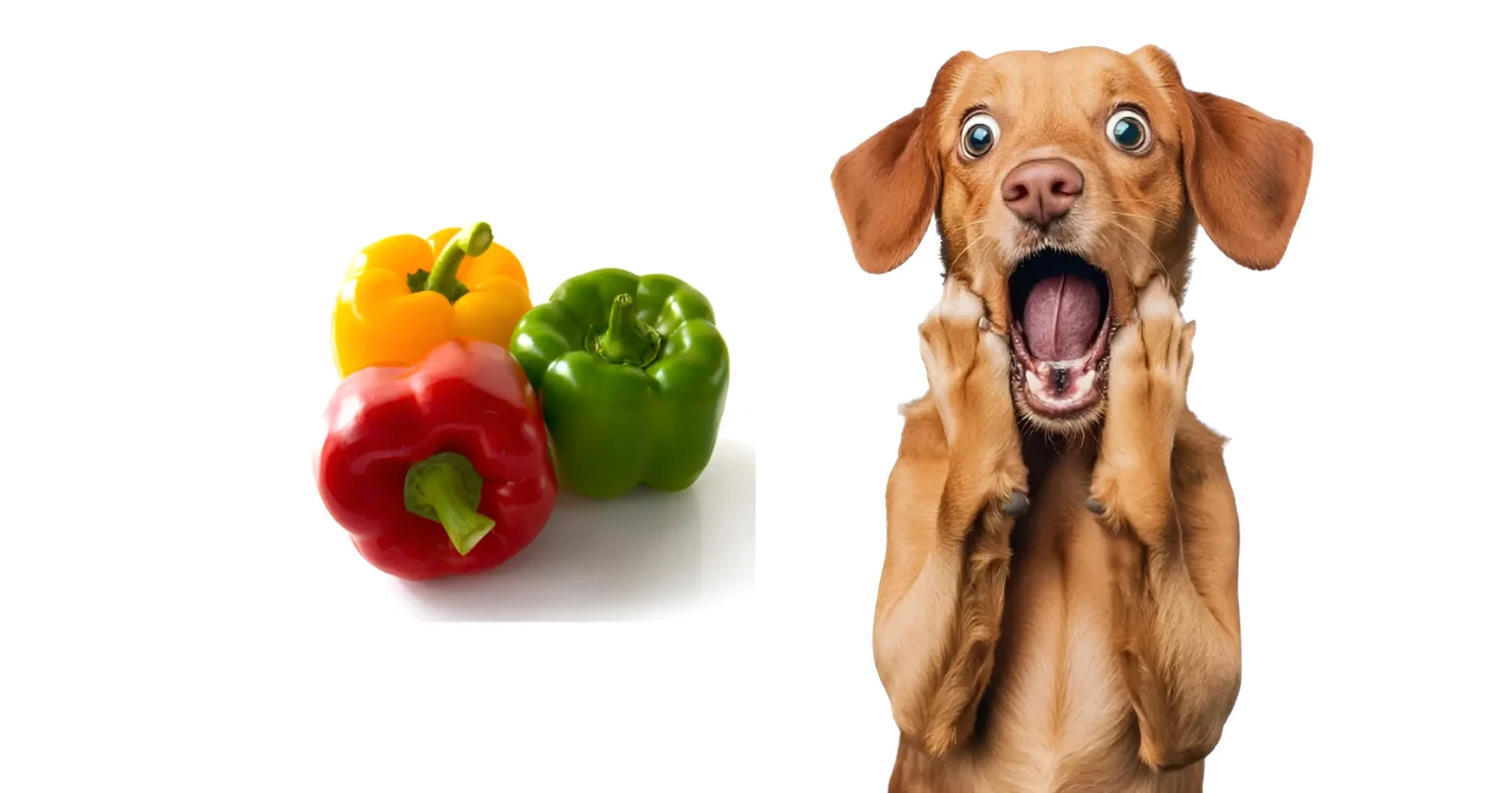
Dogs are often curious about the foods we eat, and as responsible pet owners, we want to know which vegetables are safe to share. One commonly asked question is: can dogs eat capsicum? Also known as bell peppers, capsicum is popular in human diets due to its vibrant colors, sweet taste, and high nutritional value.
This guide provides an in-depth look at capsicum for dogs, including its health benefits, risks, safe serving methods, portion guidelines, and frequently asked questions. By the end, you’ll know how to safely incorporate capsicum into your dog’s diet.
What Is Capsicum?
Capsicum, commonly called bell pepper, comes in various colors—red, yellow, green, and orange. It is a member of the nightshade family and is packed with vitamins, minerals, and antioxidants. For humans, capsicum is celebrated for improving immunity, supporting eye health, and providing anti-inflammatory benefits.
While it is highly beneficial for humans, dogs have different digestive systems. Some foods safe for humans can cause adverse effects in dogs, so it’s essential to understand how capsicum affects canine health.
Can Dogs Eat Capsicum?
Yes, dogs can eat capsicum in moderation. Capsicum is non-toxic and can be a nutritious addition to your dog’s diet when prepared properly. Dogs can enjoy small pieces of raw or cooked capsicum, preferably without seasonings, oils, or spices.
While safe, capsicum should not replace a dog’s main diet. It serves best as an occasional treat or supplement to a balanced dog food plan.
Nutritional Benefits of Capsicum for Dogs
Capsicum is rich in vitamins, minerals, and antioxidants that offer several benefits for dogs:
1. Vitamin C
Capsicum is packed with vitamin C, which supports the immune system, helps repair tissues, and reduces inflammation. While dogs produce some vitamin C naturally, supplemental sources can provide extra immune support.
2. Vitamin A
Red and orange capsicum are rich in beta-carotene, which converts to vitamin A in the body. Vitamin A promotes healthy vision, skin, and coat health in dogs.
3. Antioxidants
Capsicum contains antioxidants like carotenoids and flavonoids, which help combat oxidative stress and support overall cellular health.
4. Low-Calorie Fiber
Capsicum is low in calories and high in dietary fiber, promoting healthy digestion and weight management. Fiber also supports regular bowel movements.
5. Hydration
With high water content, capsicum can contribute to hydration, particularly on hot days.
Are All Capsicum Colors Safe for Dogs?
Yes, dogs can safely consume all colors of capsicum—green, red, yellow, and orange. However, red and orange capsicum are sweeter and richer in antioxidants, making them a slightly better choice for added nutritional benefits.
Green capsicum is less sweet and may be slightly more bitter, but it is still safe in moderation.
Potential Risks of Feeding Capsicum to Dogs
While capsicum is generally safe, there are potential risks to consider:
1. Digestive Upset
Some dogs may experience mild gastrointestinal upset, such as diarrhea or gas, when eating capsicum for the first time. Start with small portions to monitor tolerance.
2. Choking Hazard
Raw capsicum can be firm, posing a choking risk, especially for small dogs. Cut into small, manageable pieces.
3. Seasonings and Oils
Capsicum prepared with salt, spices, or cooking oils can be harmful to dogs. Avoid feeding seasoned or sautéed capsicum.
4. Nightshade Sensitivity
Capsicum belongs to the nightshade family. While most dogs tolerate it well, those with known sensitivities or chronic health conditions should avoid it unless cleared by a veterinarian.
Raw vs Cooked Capsicum for Dogs
Raw Capsicum
Raw capsicum is safe when washed thoroughly, seeds removed, and cut into small pieces. It retains most vitamins and antioxidants in its raw state, making it highly nutritious.
Cooked Capsicum
Lightly steaming or boiling capsicum makes it softer and easier for dogs to chew. Cooking may slightly reduce vitamin C content but improves digestibility, particularly for dogs with sensitive stomachs.
Avoid frying or adding seasonings, as these can be harmful.
How to Safely Serve Capsicum to Dogs
Here are some tips for feeding capsicum safely:
- Wash thoroughly to remove dirt and pesticides.
- Remove seeds and stem, which can be a choking hazard.
- Cut into small pieces appropriate for your dog’s size.
- Serve raw or lightly steamed.
- Introduce gradually to avoid digestive upset.
Suggested portions:
- Small dogs: 1–2 small pieces occasionally
- Medium dogs: 2–4 pieces occasionally
- Large dogs: 4–6 pieces occasionally
Puppies and Capsicum
Puppies have sensitive digestive systems, so it’s best to start with tiny portions of capsicum. Lightly steamed pieces are easier for puppies to chew. Capsicum should never replace complete puppy food.
Dogs That Should Avoid Capsicum
Certain dogs may need to avoid capsicum, including:
- Dogs with gastrointestinal issues
- Dogs prone to nightshade sensitivity
- Dogs with chronic allergies or inflammatory conditions
Always consult your veterinarian if your dog has underlying health concerns.
Health Benefits of Capsicum for Dogs
Adding capsicum to your dog’s diet can provide:
- Vitamin and mineral support
- Antioxidant protection for cellular health
- Dietary fiber for healthy digestion
- Low-calorie treats for weight management
- Variety in flavor and texture to make mealtime more enjoyable
When fed safely, capsicum can enhance your dog’s meals while offering health benefits.
Signs Your Dog Did Not Tolerate Capsicum
Monitor your dog for any signs of intolerance:
- Diarrhea or loose stools
- Vomiting
- Gas or bloating
- Loss of appetite
- Skin irritation
If these occur, stop feeding capsicum and consult your veterinarian.
Homemade Capsicum Treat Ideas for Dogs
- Raw Capsicum Cubes
- Wash, seed, and cut into bite-sized cubes. Serve as a refreshing snack.
- Steamed Capsicum
- Lightly steam pieces to soften them, making them easier for small or senior dogs to chew.
- Capsicum and Dog Food Mix
- Add small pieces to regular kibble for added nutrients and flavor variety.
Avoid adding salt, spices, or oil.
Serving Capsicum Safely: Key Takeaways
- Moderation is essential: Feed small amounts occasionally.
- Prepare safely: Remove seeds and stem; wash thoroughly.
- Serve appropriately: Raw or lightly steamed is best.
- Observe tolerance: Introduce gradually and monitor digestive reactions.
- Supplemental treat only: Capsicum should not replace balanced dog food.
Final Verdict: Can Dogs Eat Capsicum?
Dogs can eat capsicum safely when prepared properly and served in moderation. Capsicum provides vitamins, minerals, antioxidants, and fiber, making it a nutritious and low-calorie treat.
By following safe feeding practices and observing your dog for any digestive issues, capsicum can be an occasional, healthy addition to your dog’s diet. It adds variety, nutrients, and flavor, keeping your dog happy and healthy.
Frequently Asked Questions (FAQs)
Can dogs eat raw capsicum?
Yes, raw capsicum is safe when washed, seeds removed, and cut into small pieces.
Can dogs eat red, green, yellow, or orange capsicum?
Yes, all colors are safe. Red and orange are sweeter and richer in antioxidants.
Can puppies eat capsicum?
Yes, small, lightly steamed pieces are safe for puppies. Introduce gradually.
Can capsicum replace dog food?
No, it is a supplemental treat and should not replace balanced dog food.
Can capsicum cause allergies in dogs?
While rare, some dogs may have sensitivities. Monitor for digestive upset or skin irritation.
How often can dogs eat capsicum?
Occasionally as a supplement or treat, not daily in large amounts.
Are cooked capsicum and raw capsicum equally beneficial?
Both are safe. Raw retains more vitamin C, while lightly cooked capsicum is easier to digest.
For More Visits: Animalsinfo