

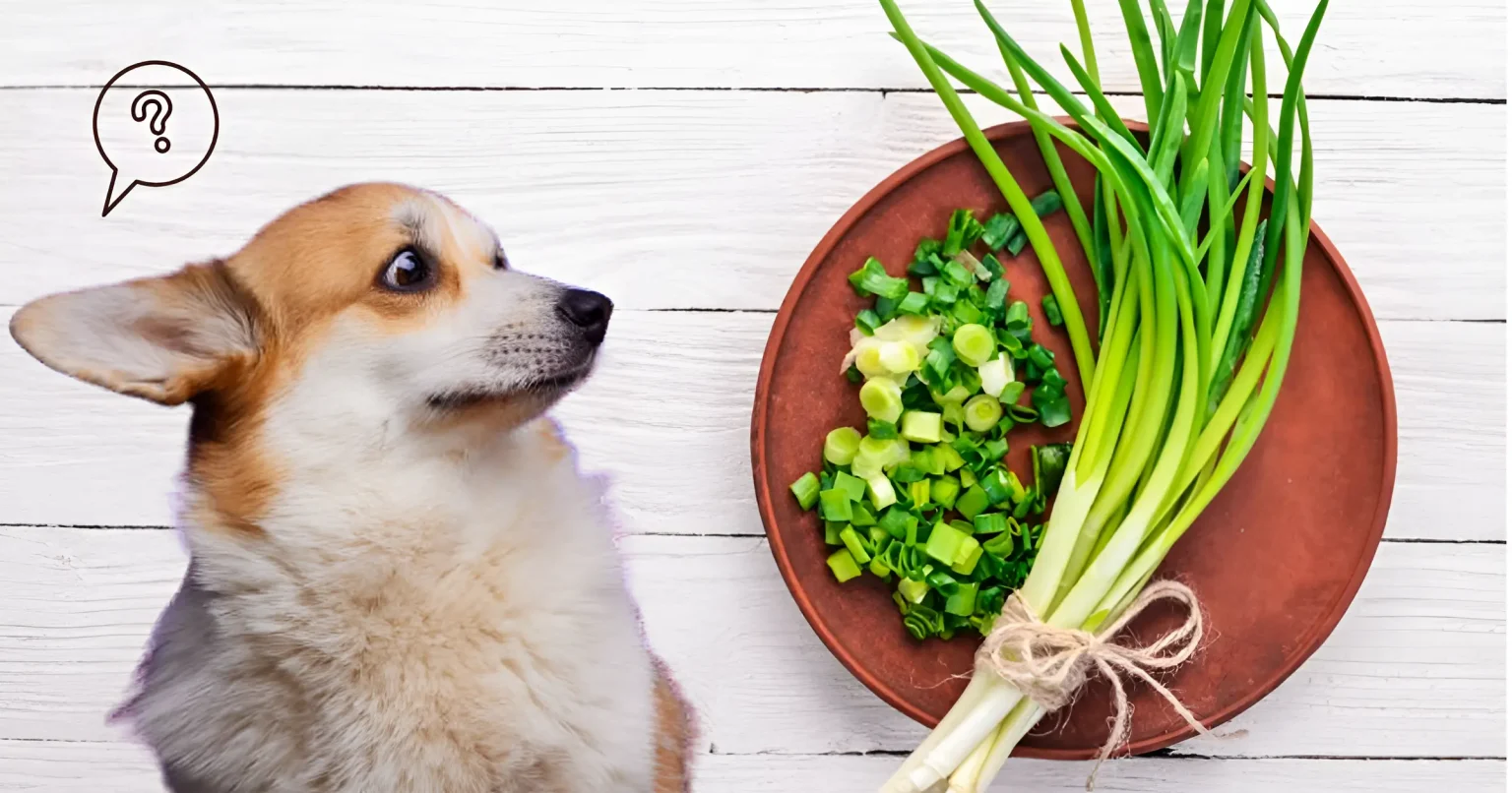
When it comes to feeding our pets, many dog owners like to share their favorite foods from the kitchen. However, not every human food is safe for dogs, and some can be extremely dangerous even in small amounts. One common question that arises is: can dogs eat chives? Chives are a popular herb used to flavor dishes, but when it comes to dogs, they can pose serious health risks. Understanding the dangers, potential symptoms, and safer alternatives is crucial for responsible pet care.
Can Dogs Eat Chives?
The simple and direct answer is no. Dogs should never eat chives. Chives belong to the Allium family, which also includes onions, garlic, leeks, and shallots. These vegetables and herbs contain compounds called thiosulfates, which are toxic to dogs. Even small amounts of chives can cause problems depending on the size, breed, and health of your dog.
So, when someone asks can dogs eat chives, the correct response is that chives are unsafe and should be avoided completely. Unlike some herbs that are safe and beneficial, chives have no nutritional benefit that outweighs their toxicity for dogs.
Why Chives Are Dangerous for Dogs
Chives contain organosulfoxides and other compounds that can damage a dog’s red blood cells. When red blood cells are damaged, it can lead to hemolytic anemia—a condition in which the dog’s body struggles to transport oxygen efficiently. Symptoms can develop slowly, and sometimes the signs of poisoning are subtle at first.
Additionally, chives can irritate a dog’s gastrointestinal system, causing vomiting and diarrhea. The combination of digestive upset and anemia can be life-threatening if not treated promptly. Therefore, it is crucial to keep all forms of chives away from dogs, whether fresh, cooked, or dried.
Symptoms of Chive Poisoning in Dogs
If your dog consumes chives, it’s important to recognize the symptoms of toxicity quickly. Signs of chive poisoning may include:
- Vomiting and diarrhea
- Loss of appetite
- Weakness or lethargy
- Pale gums
- Rapid breathing
- Discolored urine
- Collapse in severe cases
Even if your dog only consumes a small amount, it’s better to consult a veterinarian immediately. Chives can have delayed effects, and early treatment increases the chance of full recovery.
Is Cooked Chives Safer for Dogs?
No. Cooking does not neutralize the toxic compounds in chives. Whether raw or cooked, chives remain harmful to dogs. Many pet owners mistakenly think that adding herbs to cooked meals is safe, but in the case of chives, it is never safe.
Therefore, if someone is considering adding chives to homemade dog food, the answer is a firm no. Dogs should not eat chives under any circumstances.
Can Small Amounts of Chives Harm Dogs?
Yes. Even small quantities of chives can be dangerous, especially for small breed dogs or puppies. While larger dogs may tolerate slightly more without immediate severe symptoms, the risk of anemia and gastrointestinal upset still exists. The safest approach is to avoid chives entirely.
When considering can dogs eat chives in small amounts, the answer remains no. There is no “safe” amount of chives for dogs, and the potential risks outweigh any perceived benefit.
Why Dogs Are Sensitive to Chives
Dogs’ digestive systems and metabolic processes are different from humans. Compounds that are harmless to humans, like those in chives, can cause oxidative damage to dogs’ red blood cells. Over time, repeated exposure—even in tiny amounts—can lead to cumulative damage and serious health issues.
This is why when pet owners ask can dogs eat chives safely, the answer is unequivocal: dogs are highly sensitive to chives, and it is unsafe for them to consume.
What to Do If a Dog Eats Chives
If your dog accidentally consumes chives, quick action is essential. The first step is to contact your veterinarian immediately. The vet may recommend inducing vomiting if the ingestion was recent and providing supportive care such as IV fluids and medications to protect red blood cells.
Do not wait for symptoms to appear, as the effects can be cumulative and sometimes delayed. Early intervention greatly improves the prognosis for dogs that have ingested chives.
Safer Alternatives to Chives for Dogs
While chives are dangerous, there are several safe herbs and vegetables that dogs can enjoy without risk. These include:
- Parsley, which can freshen breath and provide vitamins
- Basil, which has anti-inflammatory properties
- Cilantro, which contains antioxidants and can support digestion
- Carrots and green beans, which are crunchy and nutrient-rich
Using these safe alternatives, you can flavor homemade dog meals or treats without exposing your pet to the dangers of chives.
Can Dogs Eat Chives in Commercial Dog Food?
Reputable commercial dog food manufacturers avoid using chives due to their toxicity. If you are reading labels, you are unlikely to find chives listed as an ingredient. However, always check ingredient lists, especially for gourmet or human-grade dog foods, to ensure your dog is not exposed.
So when the question arises can dogs eat chives in any form of dog food, the answer is no. Avoid all foods containing chives, even if it’s mixed into a commercial product.
How Much Chive Is Toxic to Dogs?
There is no exact safe threshold for chives in dogs. Even small amounts can cause symptoms depending on the dog’s size and health. For example, a few grams of chives can affect a small breed dog, while larger dogs may tolerate slightly more before showing severe signs. However, this does not make it safe.
The key takeaway for can dogs eat chives safely is that the risk exists for dogs of all sizes. Complete avoidance is the only safe practice.
Long-Term Effects of Chive Consumption in Dogs
Repeated exposure to chives, even in small quantities, can lead to long-term health problems. Chronic anemia, digestive upset, and weakness may develop over time. Dogs may also experience a cumulative toxic effect, where small doses over weeks or months cause more harm than a single larger dose.
Therefore, when pet owners ask can dogs eat chives regularly, the answer is absolutely no. Chives should never be introduced into a dog’s diet, even occasionally.
Why Some Dogs Might Accidentally Eat Chives
Dogs are naturally curious and may investigate your kitchen scraps or garden plants. Chives can be attractive because of their smell and taste, especially when added to human meals. It’s important to train your dog to avoid kitchen scraps and keep chives out of reach.
This is why prevention is key. Instead of asking can dogs eat chives and hoping for a safe outcome, it’s better to keep chives entirely away from areas your dog can access.
Chives vs Other Allium Vegetables
Chives are part of the Allium family, which also includes onions, garlic, leeks, and shallots. All of these vegetables are toxic to dogs and can produce similar symptoms. Even small amounts of any Allium vegetable can damage red blood cells.
Understanding this family helps clarify that can dogs eat chives is just one example of a broader danger. Avoid all Allium vegetables for your dog’s safety.
How Vets Treat Chive Poisoning
Treatment for chive poisoning depends on the severity of ingestion. Mild cases may only require monitoring, supportive care, and a special diet to help the dog recover. Severe cases might need intravenous fluids, blood transfusions, and medications to support the red blood cells.
Veterinarians emphasize that early detection and treatment are critical. This reinforces that when someone asks can dogs eat chives, the best advice is never to allow ingestion in the first place.
Can Dogs Eat Cooked Chives in Leftovers?
Even small amounts of cooked chives in leftovers or sauces are unsafe. The toxic compounds remain active even after cooking. Dogs should never be fed scraps from meals containing chives.
So the answer to can dogs eat chives in cooked form is no. All forms of chives are potentially harmful.
FAQs About Dogs and Chives
1. Can dogs eat chives safely in tiny amounts?
No, even tiny amounts can cause toxicity.
2. What happens if my dog eats chives?
It can lead to vomiting, diarrhea, lethargy, and hemolytic anemia. Immediate vet care is advised.
3. Can chives cause long-term problems in dogs?
Yes, repeated ingestion can cause chronic anemia and digestive issues.
4. Are cooked chives less dangerous for dogs?
No, cooking does not remove the toxic compounds.
5. Can puppies eat chives?
Absolutely not. Puppies are even more sensitive to chive toxicity.
6. Are dried chives in seasoning safe for dogs?
No, dried or powdered chives are just as toxic as fresh ones.
7. Can chives in garden plants harm dogs?
Yes, dogs may eat garden chives accidentally, which can be dangerous.
8. Are there safe herbs similar to chives?
Yes, parsley, basil, and cilantro are safe alternatives.
9. Can chives cause anemia in dogs?
Yes, chives can damage red blood cells and lead to hemolytic anemia.
10. How quickly do symptoms appear after ingestion?
Symptoms can appear within a few hours to a couple of days depending on the amount and size of the dog.
Final Thoughts
So, can dogs eat chives? The answer is a clear and firm no. Chives are part of the Allium family and contain compounds that are toxic to dogs, causing potentially life-threatening conditions such as anemia and digestive distress. Dogs should never be fed chives in any form, whether raw, cooked, or dried.
If your dog accidentally consumes chives, contact your veterinarian immediately for guidance and treatment. Instead of chives, opt for safe herbs like parsley or basil and ensure your kitchen and garden are free of toxic plants.
Understanding the risks and keeping chives out of your dog’s reach is essential for responsible pet ownership. By avoiding chives entirely, you protect your dog from unnecessary health risks and ensure they stay healthy and happy.
For More Visits: Animalsinfo
Also Read: Can Dogs Eat Cauliflower and Broccoli? 7 Powerful 2025 Facts