

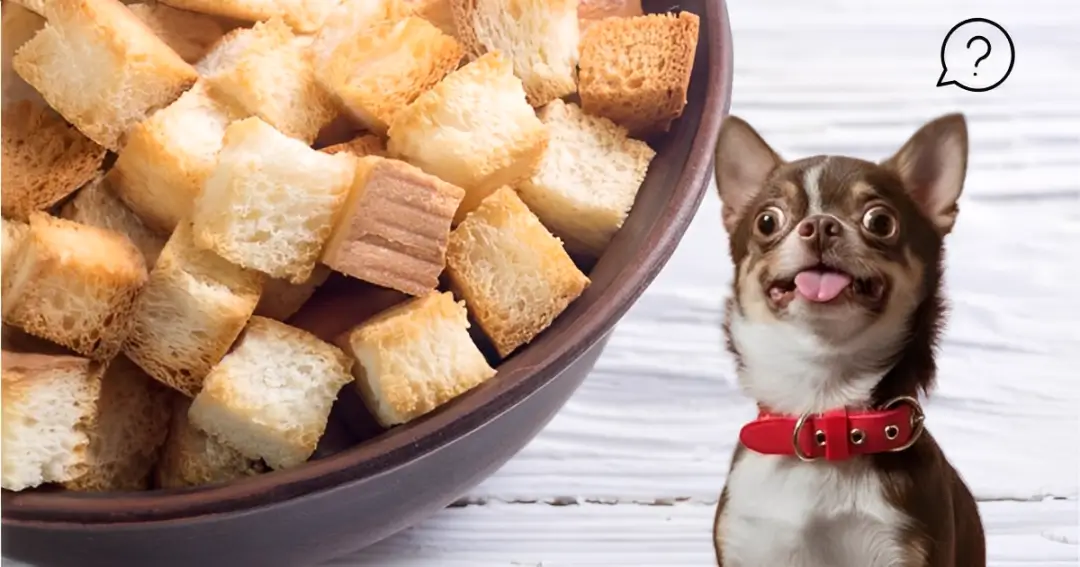
Dogs are naturally curious eaters, often sniffing around the kitchen or begging for a taste of whatever we’re enjoying. One food that often finds its way onto the dinner table is croutons. These crunchy, flavorful bread cubes are a common addition to salads and soups, and many pet owners wonder whether they can safely share them with their furry friends. But can dogs eat croutons without any health concerns? To answer that, we need to carefully look at what croutons are made of, how they affect dogs, and whether they should have any place in a canine diet.
What Are Croutons Made Of?
Croutons are small pieces of bread that are baked or fried until crispy, often seasoned with butter, oil, herbs, and spices. While they might seem harmless, the ingredients tell a different story when it comes to dogs. Most croutons contain:
- Bread made from refined flour
- Oil or butter for crispiness
- Seasonings such as garlic, onion, salt, and pepper
- Preservatives or additives in store-bought versions
For humans, these ingredients make croutons flavorful and enjoyable. For dogs, however, several of these components can pose risks, particularly garlic and onion, which are toxic to canines. Even plain croutons, without extra seasoning, are not particularly nutritious and don’t provide any meaningful health benefits to dogs.
Can Dogs Eat Croutons?
The short answer is yes, but they shouldn’t. Croutons are not toxic if they’re plain and free from harmful seasonings, but they are far from healthy. They are high in carbohydrates, fats, and sodium, which can contribute to digestive upset, weight gain, and other health issues if consumed regularly.
A tiny piece of plain crouton given once in a while will likely not harm your dog, but it should never become a regular treat. The real problem arises when croutons are seasoned or flavored with ingredients like garlic powder, onion powder, or excess salt. In such cases, even small amounts can be harmful.
Why Croutons Are Not a Good Choice for Dogs
When thinking about dog nutrition, the goal is to provide food that offers essential nutrients and supports long-term health. Croutons fail to meet these standards for several reasons.
Lack of Nutritional Value
Dogs thrive on a diet rich in protein, healthy fats, vitamins, and minerals. Croutons, on the other hand, are mostly empty calories. They contain refined carbohydrates with little to no beneficial nutrients for dogs. Feeding them croutons contributes to calorie intake without any real value.
High in Sodium and Fat
Many croutons are prepared with salted butter or flavored oils, making them high in sodium and unhealthy fats. Dogs are sensitive to excessive salt, which can cause dehydration, increased thirst, and in extreme cases, sodium poisoning. High fat levels can upset the digestive system and increase the risk of pancreatitis.
Potentially Toxic Ingredients
The biggest danger comes from garlic and onion, common seasonings in croutons. Both belong to the allium family and are toxic to dogs. Even in powdered form, they can damage red blood cells, leading to anemia. Symptoms of garlic or onion toxicity include weakness, vomiting, lethargy, and pale gums.
Risk of Obesity and Long-Term Health Problems
Since croutons are calorie-dense and nutrient-poor, frequent feeding can contribute to weight gain. Overweight dogs are more likely to suffer from joint issues, diabetes, and heart conditions. Offering croutons as a snack may seem harmless, but over time it can negatively affect your dog’s health.
Can Dogs Eat Plain Homemade Croutons?
Some dog owners consider making croutons at home without harmful seasonings. If you bake plain bread cubes without garlic, onion, salt, or butter, they are technically safe in small amounts. However, even homemade croutons don’t offer much nutritional benefit and can still lead to unnecessary calorie intake.
If you want to share a crunchy snack with your dog, there are much better alternatives that provide health benefits instead of empty calories.
Healthy Alternatives to Croutons for Dogs
Instead of croutons, consider dog-safe snacks that are both delicious and nutritious:
- Carrot sticks: Crunchy, low-calorie, and packed with vitamins.
- Apple slices: Provide natural sweetness and fiber (remove seeds and core).
- Cucumber slices: Hydrating and safe for dogs.
- Commercial dog treats: Specifically formulated to be safe and nutritious.
- Plain cooked sweet potato: A healthy, fiber-rich alternative.
These options not only satisfy a dog’s craving for crunch but also support overall health.
What to Do if Your Dog Eats Croutons
If your dog manages to sneak a crouton or two off the table, don’t panic. Most likely, they will be fine, especially if the croutons were plain. However, if the croutons contained garlic, onion, or excessive seasoning, keep a close eye on your pet. Watch for signs of digestive distress, vomiting, diarrhea, or lethargy.
In cases where a dog eats a large quantity of seasoned croutons, contact your veterinarian immediately for guidance. Prompt action can prevent serious complications, especially if toxic ingredients are involved.
Puppies and Croutons: Extra Caution Needed
Puppies have even more sensitive digestive systems than adult dogs. Feeding them croutons, with their high sodium and fat content, can quickly upset their stomachs. Additionally, puppies need nutrient-dense foods to support growth and development, and croutons provide none of that. It’s best to avoid giving croutons to puppies altogether.
Long-Term Impact of Feeding Croutons
Feeding croutons regularly can have negative long-term effects. Over time, the empty calories can contribute to weight gain, while the sodium and fats can stress vital organs like the kidneys, liver, and heart. Even if croutons don’t cause immediate harm, they are not a sustainable or safe food choice for your dog’s overall health.
The Bottom Line
So, can dogs eat croutons? Technically yes, but they absolutely shouldn’t. Croutons don’t provide any nutritional benefits and carry several risks, especially when seasoned with harmful ingredients like garlic and onion. While a small plain crouton is unlikely to hurt your dog, it’s not worth the potential dangers or health setbacks.
As a responsible pet owner, your best approach is to stick with safe, dog-friendly treats that add value to your dog’s diet. By choosing healthy alternatives, you’ll keep your furry companion both happy and healthy.
FAQs About Dogs and Croutons
Q1: Are plain croutons safe for dogs?
Plain croutons without seasoning are not toxic, but they provide no real nutritional benefit and should only be given rarely, if at all.
Q2: What happens if my dog eats seasoned croutons?
If the croutons contain garlic or onion, your dog may experience toxic reactions such as vomiting, lethargy, or weakness. In such cases, contact your vet.
Q3: Can croutons cause stomach problems in dogs?
Yes, the high fat, salt, and seasoning content can upset a dog’s stomach, leading to diarrhea or vomiting.
Q4: Are there any health benefits of giving croutons to dogs?
No, croutons are mostly empty calories and do not support your dog’s health in any meaningful way.
Q5: Can puppies eat croutons safely?
No, puppies have sensitive stomachs and need nutrient-rich foods. Croutons offer no benefits and can easily cause digestive upset.
Q6: What are the best alternatives to croutons for dogs?
Healthy alternatives include carrot sticks, cucumber slices, apple pieces (without seeds), and vet-approved dog treats.
Conclusion
Croutons may be a delicious snack for humans, but they don’t belong in a dog’s diet. While a single plain crouton is unlikely to cause harm, croutons as a whole are unhealthy and potentially dangerous if seasoned. The best choice is to avoid giving them altogether and instead offer nutritious, dog-safe treats that contribute to your pet’s health and happiness.
Your dog depends on you to make the right choices about food. By saying no to croutons and yes to healthier options, you protect their well-being and show them the love they deserve.
For More Visits: Animalsinfo
Also Read: Can Dogs Eat Liverwurst: 7 Amazing Health Facts 2025