

Dogs are beloved members of our families, and as responsible pet owners, it is natural to wonder about the safety of certain human foods for our furry friends. One dessert that often comes under scrutiny is flan—a sweet, custard-based treat popular in many households. While humans enjoy its smooth texture and rich flavor, it is important to understand whether flan is safe for dogs, what risks it may pose, and how to provide treats without endangering their health.
What is Flan?
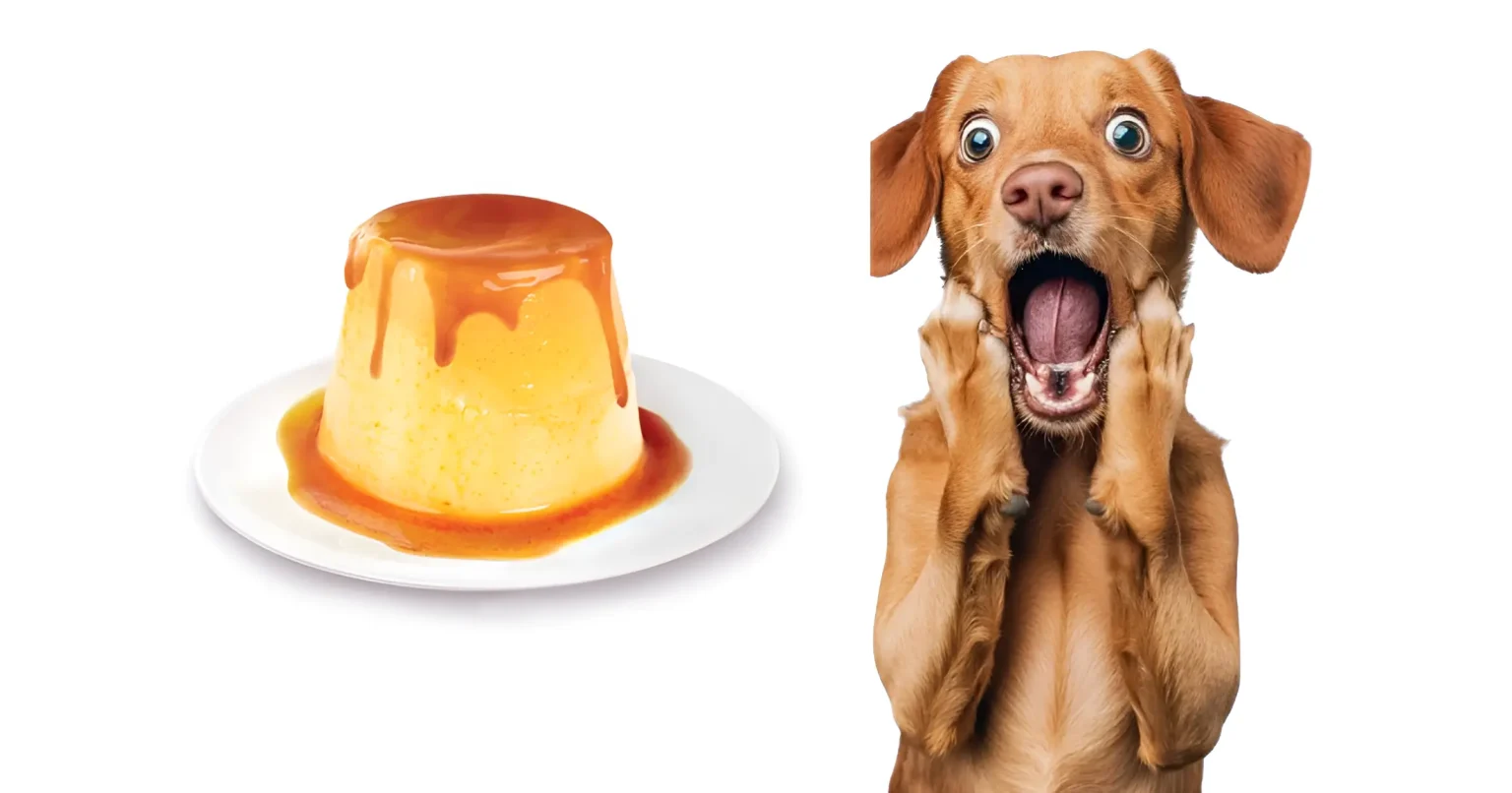
Can dogs eat flan? Flan is a custard dessert typically made with a combination of eggs, milk, sugar, and flavorings such as vanilla or caramel. The mixture is baked or steamed until it solidifies into a smooth, creamy consistency. Some variations may include sweetened condensed milk, heavy cream, or toppings like caramel syrup.
While this dessert is delicious for humans, its ingredients raise questions about its suitability for canine consumption. Understanding these ingredients is essential to determine whether flan is safe for dogs.
Why Dogs Should Be Careful with Flan
Dogs have different digestive systems and nutritional needs compared to humans. Certain ingredients commonly found in flan can pose health risks to dogs, either in small quantities or larger amounts. These risks include digestive upset, toxicity, and long-term health concerns such as obesity or diabetes.
Sugar Content
One of the main concerns with flan is its high sugar content. Sugar is not toxic to dogs in small amounts, but excessive sugar consumption can lead to health issues such as obesity, dental problems, and an increased risk of diabetes. Even a small piece of flan may contain more sugar than a dog’s body can safely handle, depending on the dog’s size and overall diet.
Dairy Ingredients
Flan is primarily made with milk, cream, or sweetened condensed milk. While some dogs tolerate dairy, many dogs are lactose intolerant, meaning they lack the enzyme lactase required to digest lactose effectively. Feeding lactose-intolerant dogs dairy can result in digestive upset, including diarrhea, gas, and vomiting.
Eggs
Eggs are a common ingredient in flan and are generally safe for dogs in moderation. Cooked eggs can be a healthy source of protein, vitamins, and fatty acids for dogs. However, in flan, eggs are combined with sugar and dairy, which may offset their nutritional benefits and introduce potential risks.
Flavorings and Additives
Flan often contains flavorings such as vanilla extract or caramel. While vanilla extract is usually safe in small amounts, some commercial versions may contain alcohol or other additives that can be harmful to dogs. Caramel topping adds extra sugar, which, as mentioned earlier, is not ideal for canine consumption.
Potential Health Risks of Flan for Dogs
Feeding flan to dogs, even occasionally, can pose several health risks:
- Digestive Upset: High sugar and dairy content can cause vomiting, diarrhea, and stomach discomfort.
- Obesity: Regularly feeding sugary treats like flan can contribute to weight gain, putting stress on joints and organs.
- Diabetes Risk: Excess sugar intake over time may increase the likelihood of developing diabetes in dogs.
- Pancreatitis: High-fat desserts may trigger pancreatitis in susceptible dogs, leading to severe abdominal pain and medical complications.
- Toxicity from Additives: Some flan recipes contain chocolate or alcohol flavorings, both of which are toxic to dogs.
Because of these risks, it is generally recommended to avoid giving flan to dogs, especially as a regular treat.
Can Dogs Eat Flan in Small Quantities?
Some pet owners may wonder whether a tiny bite of flan is safe. While a very small amount may not immediately harm a healthy dog, it is still not advisable. Even small amounts of sugar and dairy can cause mild digestive upset in sensitive dogs. Additionally, feeding human desserts can encourage begging behavior and make it more challenging to maintain a balanced canine diet.
Alternatives to Flan for Dogs
If you want to treat your dog with something sweet and safe, there are several alternatives that mimic the texture or flavor of flan without introducing harmful ingredients.
Dog-Friendly Custards
You can make a homemade custard for dogs using dog-safe ingredients. For example, blend plain yogurt with a small amount of pumpkin puree or mashed banana. Cooked eggs can be added to provide protein. Avoid sugar, artificial sweeteners, chocolate, or dairy products that your dog cannot tolerate.
Frozen Treats
Frozen dog treats can provide a smooth, creamy texture similar to flan. Use plain yogurt (lactose-free if needed) and freeze it in small portions. You can add a touch of fruit like blueberries or strawberries for natural sweetness. These frozen treats are refreshing and safe for dogs to enjoy in moderation.
Commercial Dog Treats
Many pet stores offer commercial treats designed to satisfy a dog’s sweet tooth safely. Look for treats made with natural ingredients, no added sugar, and free from harmful additives. Some brands offer soft, creamy treats that can resemble the texture of flan.
Signs of Digestive Issues After Eating Flan
If a dog accidentally consumes flan, monitor them for signs of digestive distress. Common symptoms may include:
- Vomiting or regurgitation
- Diarrhea or loose stools
- Gas or bloating
- Loss of appetite
- Lethargy or discomfort
Mild symptoms may resolve on their own, but persistent or severe symptoms require immediate veterinary attention.
How to Prevent Dogs from Eating Flan
To keep your dog safe, it is important to prevent access to human desserts. Here are some practical tips:
- Keep flan and other desserts out of reach, such as in high cabinets or closed containers.
- Educate family members and guests not to feed dogs table scraps, including desserts.
- Offer dog-safe treats as an alternative to discourage begging.
- Be cautious during celebrations or holidays when sweets are more accessible.
Portion Control and Moderation
Even when feeding dog-safe alternatives, portion control is key. Treats should make up no more than 10% of a dog’s daily caloric intake. Overfeeding, even with safe foods, can contribute to obesity and other health problems. Always consult your veterinarian if you are unsure about appropriate portion sizes.
Nutritional Considerations for Dogs
Dogs require a balanced diet that includes protein, healthy fats, carbohydrates, vitamins, and minerals. Human desserts like flan do not provide balanced nutrition and can displace essential nutrients if fed regularly. Prioritizing a complete and balanced canine diet ensures your dog maintains optimal health, energy, and longevity.
Importance of Hydration
Hydration is another factor to consider. Sweet desserts like flan contain very little water, and high sugar content may encourage dehydration. Ensure your dog has constant access to fresh water, especially if they accidentally consume sugary foods.
When to Consult a Veterinarian
If your dog consumes a significant amount of flan or shows any concerning symptoms, it is important to contact a veterinarian immediately. Professionals can provide guidance on whether your dog requires treatment, dietary adjustments, or monitoring for complications such as pancreatitis or digestive upset.
Conclusion
In summary, while flan is a delicious dessert for humans, it is not recommended for dogs due to its high sugar, dairy content, and potential additives. Even small amounts may cause digestive upset, obesity, or other health issues, depending on the dog’s size and sensitivity.
Instead of sharing human desserts, consider dog-safe alternatives like homemade custards, frozen treats, or specially formulated commercial treats. These options allow dogs to enjoy a tasty snack safely without compromising their health.
As a responsible pet owner, it is always better to err on the side of caution. Providing a balanced diet, safe treats, and a loving environment ensures that your dog thrives both physically and emotionally.
FAQs About Dogs and Flan
Q1: Can dogs eat a small piece of flan occasionally?
While a tiny bite may not cause immediate harm, it is not recommended. Even small amounts of sugar and dairy can upset a dog’s stomach.
Q2: What ingredients in flan are harmful to dogs?
Sugar, dairy (especially for lactose-intolerant dogs), caramel, and certain flavorings like alcohol or chocolate can be harmful.
Q3: Are there safe alternatives to flan for dogs?
Yes, homemade custards using plain yogurt, pumpkin puree, or mashed banana, as well as frozen treats and dog-specific treats, are safe options.
Q4: What should I do if my dog accidentally eats flan?
Monitor your dog for vomiting, diarrhea, or lethargy. Contact a veterinarian if symptoms persist or are severe.
Q5: Can eggs in flan be good for dogs?
Eggs themselves are a good source of protein, but when combined with sugar and dairy in flan, they do not make the dessert safe for dogs. Cooked eggs on their own are safe in moderation.
For More Visits: Animalsinfo