


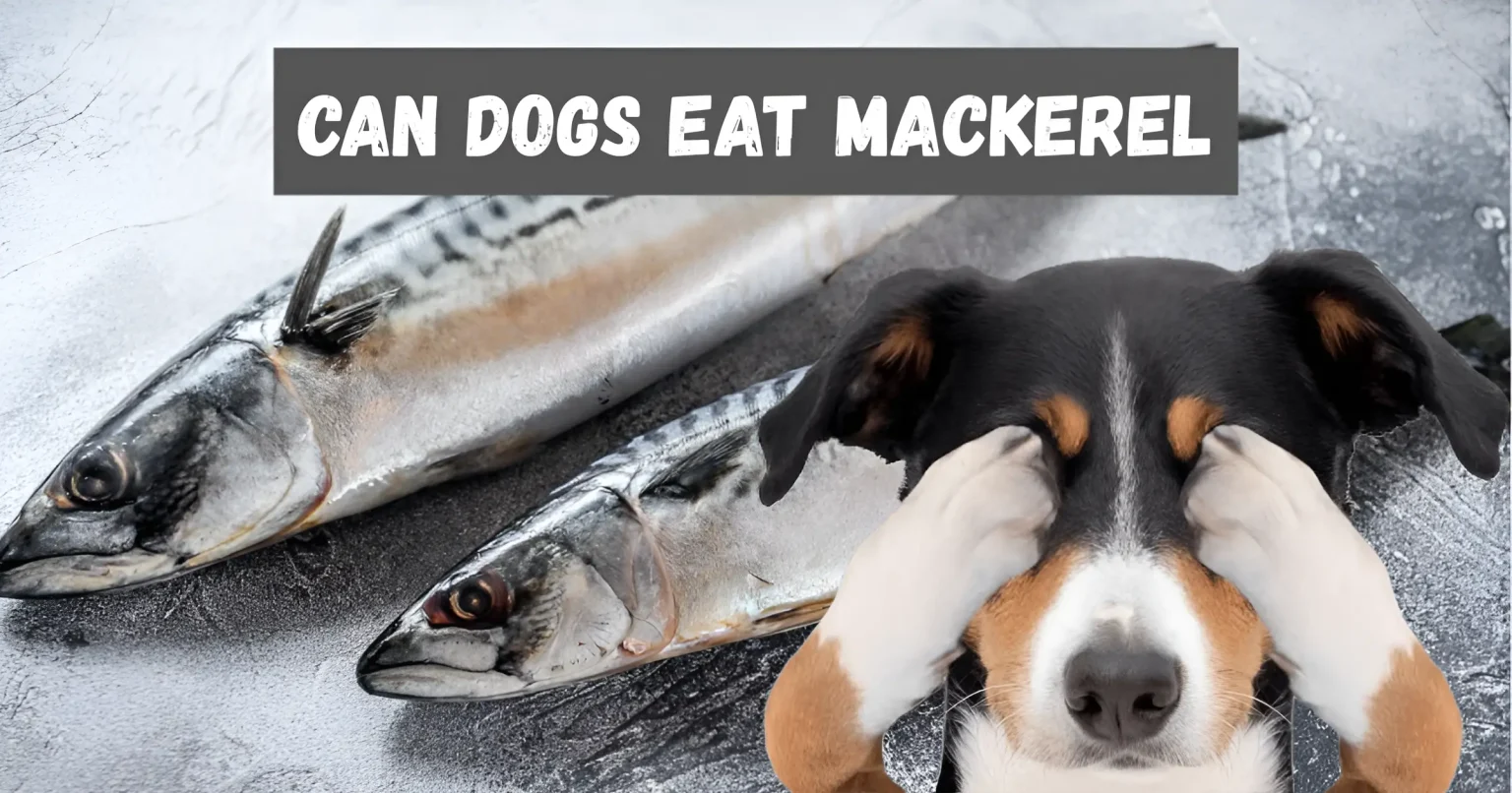
Fish is often considered one of the healthiest foods for both humans and dogs. Rich in essential nutrients and healthy fats, it can be a valuable addition to a balanced diet. Among the many types of fish available, mackerel stands out for its strong nutritional profile. This leads many dog owners to ask: can dogs eat mackerel, and is it actually good for them?
The short answer is yes—dogs can eat mackerel. However, like many foods, it must be prepared properly and fed in moderation. This guide will walk you through everything you need to know, including benefits, risks, preparation methods, and the safest way to include mackerel in your dog’s diet.
Also Read: Can Dogs Eat Pollock Fish? Healthy 2026 Guide
Can Dogs Eat Mackerel?
Yes, dogs can eat mackerel as long as it is cooked, plain, and served without harmful additives. Mackerel is not toxic to dogs and is actually considered one of the more nutritious fish options available.
However, not all forms of mackerel are safe. Raw, smoked, or heavily seasoned mackerel should be avoided. The safest option is fresh or frozen mackerel that has been properly cooked and prepared without seasoning.
Nutritional Value of Mackerel
Mackerel is packed with nutrients that can support your dog’s overall health.
High-Quality Protein
Mackerel provides lean protein that helps build and maintain muscle. Protein is essential for energy, tissue repair, and overall body function.
Omega-3 Fatty Acids
One of the biggest advantages of mackerel is its high omega-3 content. These healthy fats play a crucial role in:
- Maintaining healthy skin and a shiny coat
- Reducing inflammation
- Supporting joint health
- Promoting brain function
Omega-3 fatty acids are especially beneficial for older dogs and those with joint issues.
Vitamins and Minerals
Mackerel contains important nutrients such as:
- Vitamin D: Supports bone health and calcium absorption
- Vitamin B12: Helps with nerve function and energy levels
- Selenium: Acts as an antioxidant to support the immune system
- Potassium and magnesium: Support muscle and heart function
Health Benefits of Mackerel for Dogs
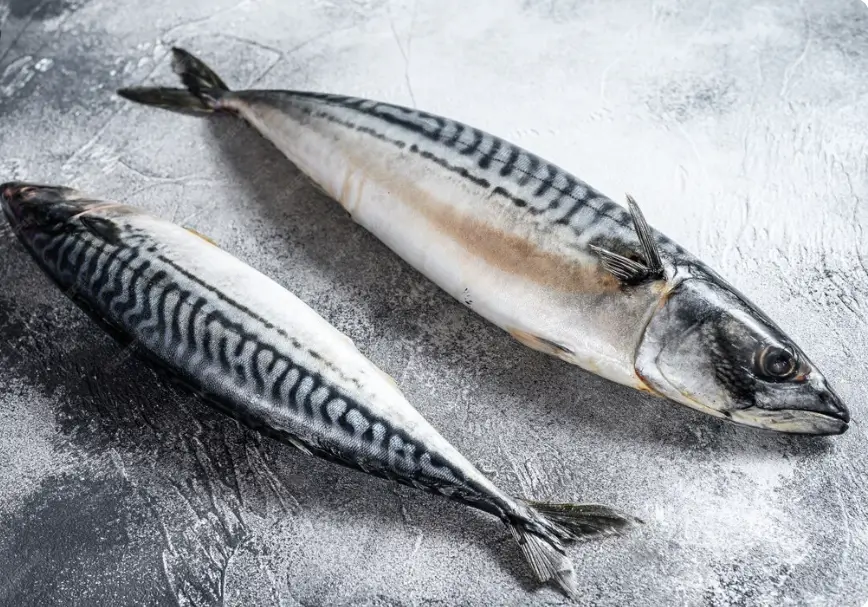
When fed properly, mackerel can offer several benefits:
Improves Skin and Coat Health
Dogs that suffer from dry skin or dull coats may benefit from the omega-3 fatty acids found in mackerel. Regular, moderate intake can lead to noticeable improvements.
Supports Joint Health
The anti-inflammatory properties of omega-3s can help reduce joint pain and stiffness, especially in senior dogs.
Boosts Brain Function
Omega-3 fatty acids support cognitive health, which is important for both puppies (brain development) and older dogs (mental sharpness).
Strengthens the Immune System
The combination of vitamins and antioxidants helps keep your dog’s immune system strong and responsive.
Risks of Feeding Mackerel to Dogs
Despite its benefits, there are some risks to consider:
Fish Bones
Mackerel contains small, fine bones that can pose a choking hazard or cause internal injury. Always remove bones carefully before feeding.
Mercury Content
Mackerel can contain mercury, especially larger species. While occasional feeding is generally safe, excessive consumption may lead to toxin buildup.
Raw Mackerel
Raw fish may carry bacteria or parasites that can make your dog sick. Cooking the fish eliminates these risks.
Salt and Seasonings
Smoked or canned mackerel often contains high levels of salt and preservatives. These can be harmful to dogs and should be avoided.
High Fat Content
Mackerel is a fatty fish. While healthy in small amounts, too much fat can lead to digestive issues or pancreatitis in sensitive dogs.
How to Prepare Mackerel for Dogs
Preparation is key to making mackerel safe for your dog.
Choose Fresh or Frozen Fish
Fresh or properly frozen mackerel is the best option. Avoid fish that smells overly strong or appears spoiled.
Cook Thoroughly
Bake, steam, or grill the fish without adding oil, salt, or spices. Cooking ensures the fish is free from harmful bacteria and parasites.
Remove All Bones
Carefully check for and remove all bones before serving. Even small bones can cause serious problems.
Cut into Small Pieces
Cut the fish into bite-sized pieces appropriate for your dog’s size. This makes it easier to eat and reduces choking risk.
How Much Mackerel Can Dogs Eat?
Mackerel should be given as an occasional treat, not a daily food.
A good rule is that treats should make up no more than 10% of your dog’s daily calorie intake.
- Small dogs: A few small pieces once a week
- Medium dogs: A small portion once or twice a week
- Large dogs: Slightly larger portions, but still limited
Overfeeding can lead to digestive upset or excessive fat intake.
Can Puppies Eat Mackerel?
Yes, puppies can eat mackerel, but in very small amounts. Their digestive systems are still developing, so new foods should be introduced slowly.
Start with a tiny portion of cooked, boneless fish and monitor for any reactions. Mackerel can support brain development due to its omega-3 content, but it should never replace a balanced puppy diet.
Can Dogs Eat Canned Mackerel?
Canned mackerel can be given occasionally if it is packed in water and contains no added salt or seasoning. However, many canned products contain high sodium levels, so it’s important to read labels carefully.
Fresh, cooked mackerel is always the safer choice.
Also Read: Can Dogs Eat Catfish Healthy 2025 Power Guide
Can Dogs Eat Raw Mackerel?
No, dogs should not eat raw mackerel. Raw fish can contain harmful bacteria and parasites that may lead to illness. Cooking is the safest way to prepare fish for dogs.
Signs Your Dog Tolerates Mackerel Well
After feeding mackerel, watch for positive signs such as:
- Normal digestion
- Healthy stool
- Improved coat condition
- No signs of discomfort
If your dog shows any negative reactions, reduce the portion or discontinue feeding.
When Should You Avoid Feeding Mackerel?
Avoid feeding mackerel if:
- Your dog has a fish allergy
- Your dog has pancreatitis or fat-related conditions
- Your dog is on a strict veterinary diet
- The fish is raw, seasoned, or processed
In such cases, consult your veterinarian before introducing new foods.
Frequently Asked Questions (FAQs)
Can dogs eat mackerel every day?
No, mackerel should be given occasionally due to its fat content and potential mercury levels.
Is mackerel better than other fish for dogs?
Mackerel is highly nutritious, but other fish like salmon and sardines also offer similar benefits. Variety is often best.
Can dogs eat smoked mackerel?
No, smoked mackerel is high in salt and may contain harmful additives. It is not safe for dogs.
What happens if my dog eats mackerel bones?
Small bones can cause choking or internal injury. Monitor your dog closely and seek veterinary help if symptoms appear.
Can senior dogs eat mackerel?
Yes, in moderation. The omega-3 fatty acids can help support joint health and reduce inflammation in older dogs.
Final Thoughts
So, can dogs eat mackerel? Yes, they can—and it can be a highly nutritious addition to their diet when prepared correctly. Rich in protein, omega-3 fatty acids, and essential vitamins, mackerel offers several health benefits for dogs of all ages.
However, proper preparation is crucial. Always cook the fish, remove bones, and avoid seasoning or processed versions. Feed it in moderation to prevent issues related to fat content or mercury exposure.
Every dog is unique, so pay attention to how your pet responds to new foods. Making informed decisions about your dog’s diet helps ensure they stay healthy, active, and happy for years to come.
For More Visits: Animalsinfo
Also Read: Can Dogs Eat Meatballs? Safe Feeding, Benefits & Risks