

Dog owners often look for ways to expand their pet’s diet or share small amounts of human foods as treats. Mushrooms, a popular ingredient in human cuisine, are one such food that many owners wonder about. The question arises: can dogs eat mushrooms, or are they dangerous for canine health?
The short answer is complicated. While some mushrooms are safe for dogs, many others are highly toxic. Dogs have different digestive systems than humans, and even mushrooms that are edible for people can be harmful to pets if prepared incorrectly. Understanding which mushrooms are safe, how to serve them, and what signs of poisoning to watch for is essential for responsible dog ownership.
This guide explores all aspects of feeding mushrooms to dogs, including the benefits, risks, preparation, and safe alternatives.
What Are Mushrooms?
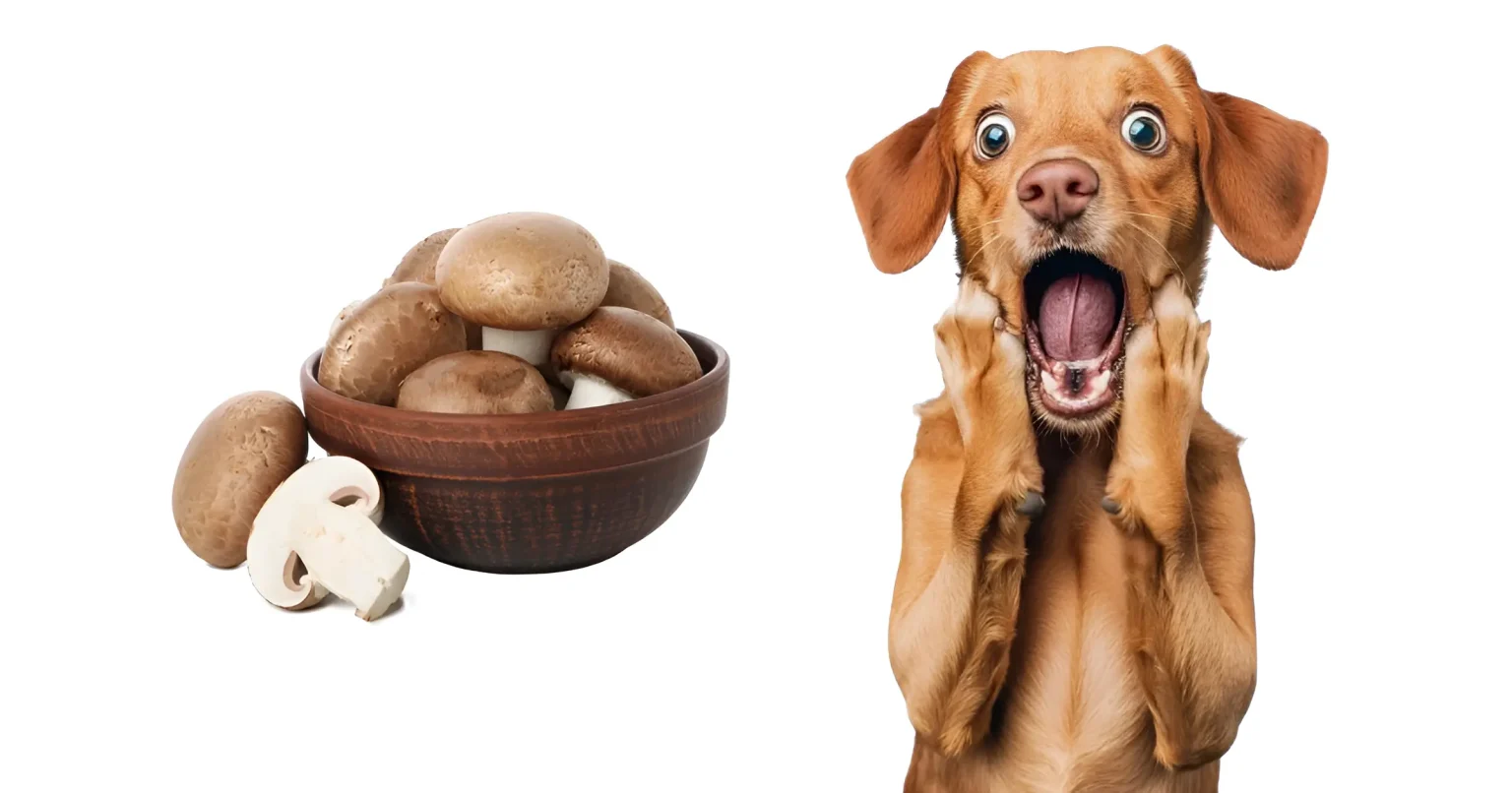
Mushrooms are fungi, not vegetables. They come in a wide variety of species, each with unique characteristics. Some mushrooms are cultivated for human consumption, such as white button, cremini, and portobello mushrooms. Others grow wild and can be extremely dangerous.
Mushrooms contain vitamins, minerals, and antioxidants, which can be beneficial for humans. However, dogs metabolize food differently, and the compounds found in some mushrooms can lead to severe toxicity.
Can Dogs Eat Mushrooms?
Yes, dogs can eat certain mushrooms, but only if they are carefully selected and properly prepared. Store-bought mushrooms, such as white button mushrooms, are generally safe when cooked plain and served in small quantities. Avoid raw mushrooms, as cooking makes them easier to digest and reduces potential gastrointestinal irritation.
Wild mushrooms should never be given to dogs. Even small amounts of toxic mushrooms can cause serious health problems or death. It is nearly impossible for non-experts to distinguish safe wild mushrooms from poisonous varieties.
Safe Mushrooms for Dogs
The safest mushrooms for dogs are those specifically grown for human consumption. These include:
- White button mushrooms
- Cremini mushrooms
- Portobello mushrooms
These types are low in calories, rich in vitamins like B vitamins and vitamin D precursors, and contain antioxidants. They should always be served cooked, plain, and chopped into small, manageable pieces.
Mushrooms Dogs Should Avoid
All wild mushrooms are potentially dangerous for dogs. Toxic mushrooms can cause a range of symptoms, from mild gastrointestinal upset to liver failure or death. Some dangerous species include:
- Amanita species (destroying angels and death caps)
- Galerina species
- False morels
Even a single bite of these mushrooms can be life-threatening. Never allow dogs to forage for mushrooms outdoors, as they cannot tell which mushrooms are safe.
Nutritional Benefits of Mushrooms for Dogs
When fed safely, mushrooms can offer some nutritional benefits:
- Low in calories: Mushrooms provide volume without excess calories, which can help with weight management.
- Rich in antioxidants: Antioxidants help combat oxidative stress and support overall cellular health.
- Vitamins and minerals: Mushrooms contain B vitamins, selenium, potassium, and other nutrients that support energy metabolism and immune function.
- Fiber content: Fiber supports digestion and may help maintain gut health.
However, mushrooms should not be relied upon as a primary nutrient source. Balanced commercial dog food already provides the essential vitamins, minerals, and protein dogs need.
How to Prepare Mushrooms for Dogs
Proper preparation is critical for safety. Follow these steps:
- Choose store-bought mushrooms only: Avoid wild mushrooms.
- Cook thoroughly: Boil or sauté mushrooms without oil, butter, salt, or seasonings.
- Cut into small pieces: Chopping reduces the risk of choking and improves digestibility.
- Serve occasionally: Mushrooms should be a small supplement, not a main food.
Never feed raw mushrooms, as they are harder for dogs to digest and may irritate the stomach. Also, avoid using flavorings or sauces that contain garlic, onions, or other ingredients toxic to dogs.
How Much Mushroom Can Dogs Eat?
Mushrooms should be fed sparingly. Small treats or mixed into meals in tiny amounts are sufficient. A few chopped mushrooms for a small or medium-sized dog is enough. Large quantities can lead to digestive upset, including vomiting and diarrhea.
Treats, including mushrooms, should make up no more than 10% of a dog’s daily calorie intake. Overfeeding mushrooms does not provide extra benefits and may introduce unnecessary risks.
Health Risks of Feeding Mushrooms to Dogs
Even safe mushrooms can pose risks if served incorrectly or in excess:
- Gastrointestinal upset: Vomiting, diarrhea, or bloating may occur if mushrooms are fed too quickly or in large amounts.
- Allergic reactions: Though rare, some dogs may be allergic to mushrooms. Watch for itching, hives, or swelling.
- Choking hazard: Whole mushrooms can lodge in a dog’s throat if not cut small.
- Hidden toxins: If dogs access wild mushrooms, they may ingest dangerous species that cause liver failure, neurological symptoms, or death.
It is always safer to err on the side of caution and avoid wild mushrooms entirely.
Signs of Mushroom Poisoning in Dogs
If a dog ingests a toxic mushroom, early detection is critical. Symptoms may appear within hours or sometimes a day after ingestion:
- Vomiting
- Diarrhea
- Lethargy
- Drooling
- Jaundice (yellowing of gums or eyes)
- Seizures
- Tremors or unsteady gait
- Abdominal pain
If any of these signs appear, immediate veterinary attention is required. Bring a sample of the mushroom if possible, as this helps the veterinarian identify the toxin.
Can Puppies Eat Mushrooms?
Puppies have delicate digestive systems and should not be fed mushrooms as a treat. Their nutritional needs are better met through high-quality puppy food that supports growth and development. Introducing mushrooms can increase the risk of digestive upset or poisoning.
Even store-bought mushrooms should be avoided for very young puppies.
Are There Any Benefits to Feeding Dogs Mushrooms?
While mushrooms are not essential, they can offer minor benefits:
- Variety in texture and taste
- Low-calorie treat option
- Small boost of antioxidants and micronutrients
For dogs with certain dietary restrictions or weight management goals, mushrooms may be a helpful supplement when served correctly.
Wild Mushrooms: A Serious Threat
One of the biggest risks is wild mushroom ingestion. Dogs often sniff and chew mushrooms while exploring outdoors. Toxic mushrooms can be small and inconspicuous, making it difficult to prevent accidental ingestion.
Because some wild mushrooms can be lethal, prevention is the only reliable strategy:
- Supervise dogs in areas with wild mushrooms
- Remove mushrooms from your yard
- Train dogs to avoid unknown plants or fungi
Even experienced foragers cannot guarantee safety, so never rely on your judgment to feed wild mushrooms.
Safe Alternatives to Mushrooms for Dogs
If you want to provide variety and nutrition without the risk of mushrooms, consider safe alternatives:
- Cooked carrots or green beans
- Sweet potatoes
- Small pieces of cooked meat
- Dog-friendly fruit, such as blueberries or apples (seed-free)
- Commercially formulated dog treats
These options are digestible, safe, and nutritionally appropriate.
Frequently Asked Questions (FAQs)
Can dogs eat cooked mushrooms?
Yes, certain store-bought mushrooms cooked plain are safe in moderation. Avoid raw mushrooms and all wild varieties.
Can dogs eat raw mushrooms?
No. Raw mushrooms are harder to digest and may irritate the stomach. Cooking reduces some digestive stress.
Are wild mushrooms safe for dogs?
No. Wild mushrooms are highly risky and can be deadly. Always prevent access.
What are the signs of mushroom poisoning in dogs?
Symptoms include vomiting, diarrhea, drooling, lethargy, seizures, tremors, and jaundice. Immediate veterinary care is essential.
How much mushroom can I safely feed my dog?
Only a few small pieces, mixed into meals or given as a rare treat. Treats should be under 10% of daily calories.
Can puppies eat mushrooms?
It is not recommended. Puppies have sensitive digestive systems and require balanced puppy food for proper growth.
Final Thoughts
So, can dogs eat mushrooms? The answer is yes, but only very specific types—namely store-bought edible mushrooms—and only when cooked plain, chopped, and fed in moderation. Wild mushrooms are extremely dangerous and should never be allowed near dogs. Even safe mushrooms should only be an occasional supplement, not a primary food source.
Responsible feeding means understanding your dog’s digestive limits, supervising outdoor activities, and avoiding foods that pose unnecessary risks. By choosing the right type of mushroom and serving it safely, you can add a small variety to your dog’s diet while protecting their health.
Mushrooms can offer minor nutritional benefits, but they are not essential. The safest way to enrich your dog’s diet is through safe treats, balanced commercial food, and veterinarian-approved supplements when needed.
For More Visits: Animalsinfo
Also Read: Can Cats Eat Pig Ears? Safe Power Guide 2026