

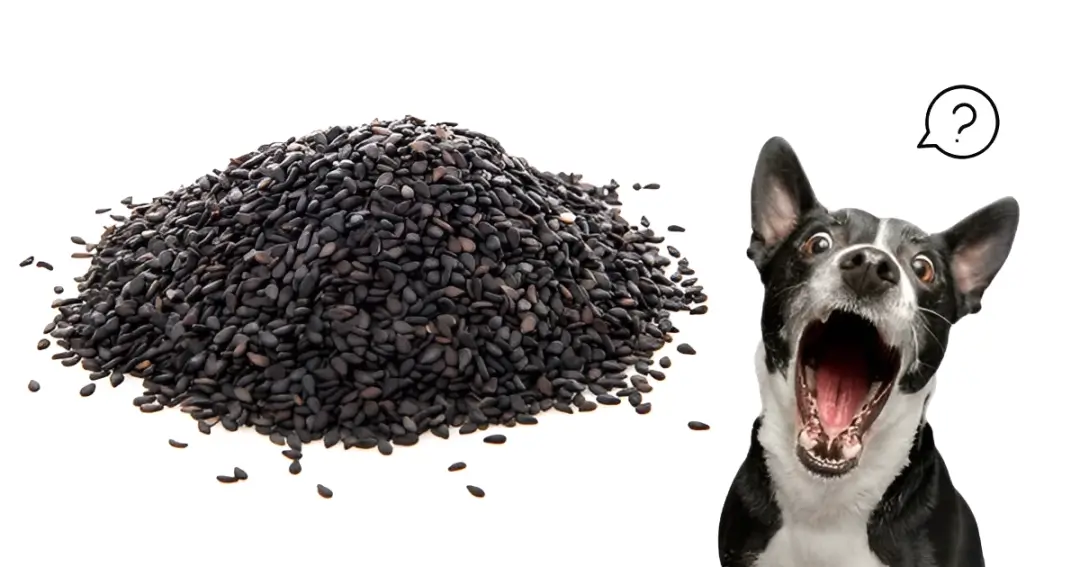
Dogs have a reputation for eating just about anything they can reach. From dropped crumbs on the floor to snacks left unattended on the table, their curiosity around food can sometimes lead to trouble. As a pet owner, it’s natural to wonder about specific foods and their impact on your furry friend’s health. One common question many people have is: can dogs eat poppy seeds?
At first glance, poppy seeds may look harmless. They are tiny, often used as toppings for bread, bagels, and muffins, and they add a nutty crunch to human dishes. However, just because something is safe for humans does not mean it’s safe for dogs. In this article, we will explore everything you need to know about dogs and poppy seeds, including the risks, potential symptoms, and safer alternatives you can consider.
Why Poppy Seeds Are Concerning for Dogs
Poppy seeds come from the opium poppy plant. While the seeds themselves contain significantly less of the dangerous compounds found in the plant’s sap, they are not entirely free of risk. The main concern lies in alkaloids such as morphine and codeine, which can be present in trace amounts on the seed coating.
For humans, the amount of these compounds in poppy seeds is too small to cause harm, though it can sometimes even lead to a false positive on drug tests if consumed in large amounts. For dogs, however, their smaller body size and different metabolism mean even small quantities could trigger problems.
What makes this especially worrying is that dogs are not as tolerant to these alkaloids as humans. While you may eat a poppy seed bagel without issue, your dog could suffer digestive upset or even neurological symptoms from the same snack.
Symptoms Dogs Might Show After Eating Poppy Seeds
If your dog happens to sneak a bite of food containing poppy seeds, the symptoms can range from mild to severe depending on the amount consumed and your dog’s size. Common signs include:
- Upset stomach, including vomiting or diarrhea
- Lethargy or unusual tiredness
- Loss of appetite
- Slowed breathing or difficulty in coordination
- In extreme cases, tremors or seizures
It’s worth noting that a very tiny accidental lick or crumb is unlikely to cause a medical emergency for most dogs. However, consistent or larger ingestion could quickly become dangerous.
Are All Forms of Poppy Seeds Dangerous?
Many owners wonder whether the way poppy seeds are prepared makes a difference. For example, seeds baked into bread might seem less harmful than raw seeds. Unfortunately, this doesn’t eliminate the risk. Whether raw or baked, the seed coating can still contain trace alkaloids, and once consumed, these compounds can affect your dog’s body.
Additionally, foods that contain poppy seeds often come with other ingredients that are unhealthy for dogs. Think about muffins, pastries, or bagels—these often include sugar, salt, butter, or other flavorings that further upset a dog’s digestive system. So even if the seeds were harmless (which they aren’t), the surrounding food would still pose risks.
Why Dogs Process Foods Differently from Humans
The key reason behind these dietary restrictions is the difference between human and canine digestion. Dogs metabolize certain compounds at a slower rate, which allows toxins to build up faster in their system. Something that seems mild to us can hit their bodies with a stronger effect.
This is why foods like chocolate, grapes, onions, and even seemingly harmless snacks like poppy seeds can create problems. Their systems simply aren’t built to handle these ingredients safely.
What to Do If Your Dog Eats Poppy Seeds
If you suspect your dog has eaten poppy seeds, the best action depends on the situation:
- Small accidental lick or crumb: Monitor your dog closely. In many cases, a tiny amount won’t cause noticeable symptoms, but watch for changes in energy or stomach upset.
- Moderate amount (like half a muffin or bagel): Contact your veterinarian. They may advise you to bring your pet in or to monitor for specific symptoms.
- Large quantity or severe symptoms: Go to the vet immediately. Difficulty breathing, tremors, or unusual behavior should be treated as emergencies.
It’s always better to err on the side of caution. Even if the risk feels small, your vet can provide peace of mind and guidance specific to your dog’s health history.
Safer Treat Alternatives for Dogs
The good news is that while poppy seeds are unsafe, there are plenty of safe snacks you can give your dog instead. Healthy alternatives include:
- Plain cooked chicken or turkey (without seasoning)
- Carrot sticks or apple slices (without seeds or cores)
- Plain unsweetened yogurt
- Pumpkin puree
- Dog-safe biscuits made with simple ingredients
These options are not only safe but also provide nutritional benefits. For instance, carrots promote dental health, pumpkin aids digestion, and lean meats give your dog protein without harmful additives.
Why Prevention Is Key
Dogs are naturally curious and often don’t know what’s safe for them. That’s why prevention is the best approach when it comes to foods like poppy seeds. Be mindful of where you leave baked goods, store pantry items securely, and avoid sharing human snacks without checking if they’re dog-friendly first.
Family members, especially children, should also be taught about the risks of giving certain foods to pets. Something as innocent as offering part of a bagel can unintentionally make your pet sick.
Frequently Asked Questions (FAQs)
1. Can a small amount of poppy seeds kill a dog?
A very small accidental amount is unlikely to be fatal for most dogs, but it can still cause digestive upset or lethargy. Larger amounts carry serious risks and require vet attention.
2. My dog ate a muffin with poppy seeds—should I be worried?
Yes, you should monitor your dog closely. Contact your vet for guidance, especially if your dog shows any signs of discomfort or unusual behavior.
3. Are poppy seed bagels more dangerous than raw seeds?
Both are risky. Baked goods also contain other unhealthy ingredients like sugar and fat, which add to the danger for dogs.
4. What should I do if my dog vomits after eating poppy seeds?
Call your vet immediately. Vomiting could be a sign of toxicity or irritation from the seeds.
5. Are there any dog-safe seeds I can give instead?
Yes, some seeds like chia or flax (in moderation) can be safe and even healthy for dogs. Always introduce them carefully and consult your vet before making changes to your dog’s diet.
6. Can poppy seeds cause long-term damage in dogs?
If ingested in large quantities or repeatedly, yes, they could harm the nervous system or liver. That’s why prevention is important.
Final Thoughts
So, can dogs eat poppy seeds? The answer is no—it’s not safe and carries risks that outweigh any potential benefit. While a small accidental taste might not cause immediate harm, repeated or larger ingestion could lead to digestive issues, lethargy, or even severe toxicity.
The best way to protect your dog is by keeping foods containing poppy seeds out of reach and offering safe, healthy alternatives instead. Your furry friend depends on you to make the right choices for their health, and steering clear of harmful foods is one of the simplest yet most important steps you can take.
For More Visits:Animalsinfo