

Dog owners often feel tempted to share sweet treats with their pets, especially when those treats smell delicious and seem harmless. Butterscotch is one such sweet that raises a common question among pet parents: can dogs have butterscotch? While it may look safe and appealing, the truth is more complicated. Understanding what butterscotch contains and how it affects a dog’s body is essential before offering even a small taste.
This article explores butterscotch in detail, explains whether it is safe for dogs, discusses potential risks, and offers safer alternatives so you can make informed decisions about your dog’s health.
What Is Butterscotch Made Of?
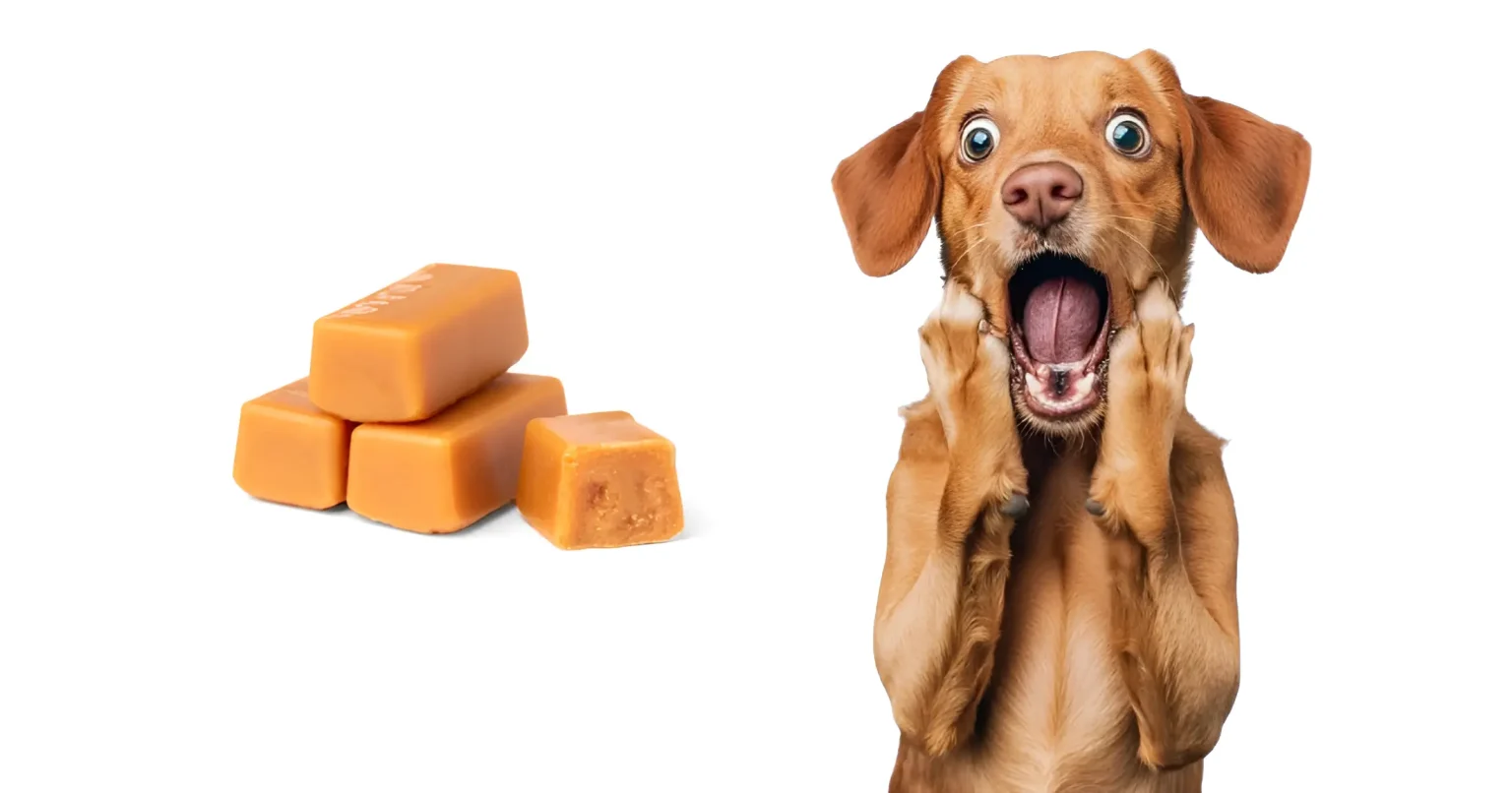
Butterscotch is a confection typically made by heating brown sugar and butter together. Many recipes also include heavy cream, corn syrup, salt, and vanilla flavoring. Commercial butterscotch candies, syrups, and sauces often contain additional ingredients such as artificial flavorings, preservatives, and sweeteners.
While these ingredients are safe for humans in moderation, dogs process food very differently. What seems harmless to us can cause discomfort or health issues for them.
Can Dogs Have Butterscotch?
The short and responsible answer is no, dogs should not have butterscotch. While butterscotch is not immediately toxic in the way chocolate or xylitol is, it is still unsafe and unhealthy for dogs.
The high sugar content, dairy, fat, and possible artificial additives make butterscotch unsuitable for canine consumption. Even small amounts can lead to digestive problems, and repeated exposure can cause long-term health issues.
Why Butterscotch Is Bad for Dogs
High Sugar Content
Sugar is the biggest concern when it comes to butterscotch. Dogs do not need sugar in their diet. Excessive sugar intake can lead to weight gain, dental disease, and insulin problems. Over time, regular exposure to sugary treats increases the risk of diabetes, especially in older dogs or breeds already prone to metabolic issues.
Even a single serving of butterscotch can contain more sugar than a dog’s body can comfortably handle.
Butter and High Fat Levels
Butterscotch contains butter and sometimes cream, both of which are high in fat. Dogs that consume fatty foods are at risk of developing pancreatitis, a painful and potentially serious condition that affects the pancreas. Symptoms may include vomiting, diarrhea, abdominal pain, and lethargy.
Some dogs are more sensitive to fat than others, and even a small amount of butterscotch can trigger digestive distress.
Dairy Sensitivity in Dogs
Many dogs are lactose intolerant. This means their bodies cannot properly digest lactose found in butter and cream. Feeding dairy products can lead to gas, bloating, loose stools, or vomiting. While some dogs tolerate small amounts of dairy, there is no way to predict how an individual dog will react.
Artificial Ingredients and Flavorings
Store-bought butterscotch products often contain artificial sweeteners, colorings, or preservatives. Some sugar-free versions may contain xylitol, which is extremely toxic to dogs and can cause rapid insulin release, seizures, liver failure, or death.
Even if a product does not contain xylitol, artificial additives still place unnecessary strain on a dog’s digestive system.
What Happens If a Dog Eats Butterscotch?
If a dog accidentally eats a small amount of butterscotch, the reaction will depend on the dog’s size, sensitivity, and the ingredients involved. Some dogs may show no immediate symptoms, while others may experience discomfort.
Common short-term reactions include stomach upset, loose stools, gas, and mild vomiting. These symptoms may appear within a few hours of ingestion.
If a dog consumes a larger amount or butterscotch containing harmful additives, symptoms may become more severe. Prolonged vomiting, diarrhea, lethargy, refusal to eat, or signs of abdominal pain require veterinary attention.
Is Homemade Butterscotch Any Safer?
Some dog owners assume homemade treats are safer because they lack preservatives. However, homemade butterscotch still contains sugar and butter, which are the main reasons it is unsafe for dogs.
Even without artificial additives, homemade butterscotch remains nutritionally inappropriate for dogs and should not be offered as a treat.
Can Dogs Taste Sweet Foods?
Dogs do have taste buds that can detect sweetness, but they experience food differently than humans. They do not crave sweets the way people do. Dogs are more attracted to smells and textures rather than sugar itself.
This means your dog is not missing out emotionally or nutritionally by not having butterscotch. Avoiding sweet human desserts is actually beneficial for their overall health.
Long-Term Risks of Feeding Sugary Treats
Repeated exposure to sugary foods like butterscotch can create long-term health problems for dogs. Obesity is one of the most common issues, which can lead to joint pain, heart problems, and reduced lifespan.
Dental disease is another concern. Sugar promotes plaque buildup, leading to bad breath, gum disease, and tooth loss. Unlike humans, dogs cannot brush their teeth after eating sweets, making sugary foods especially harmful.
What to Do If Your Dog Ate Butterscotch
If your dog eats a small amount accidentally, stay calm and observe them closely. Ensure they have access to fresh water and avoid giving any additional treats that day.
If symptoms such as vomiting, diarrhea, weakness, or unusual behavior occur, contact a veterinarian immediately. If you suspect the butterscotch contained xylitol or another harmful ingredient, seek emergency veterinary care without delay.
Safe Alternatives to Butterscotch for Dogs
Instead of offering butterscotch, there are many dog-safe treats that provide enjoyment without health risks.
Natural fruits like apples (without seeds), bananas, and blueberries can satisfy a dog’s curiosity for new flavors. These should always be given in moderation.
Plain cooked pumpkin or sweet potato is another excellent option. These foods are gentle on the stomach and provide fiber and nutrients.
Commercial dog treats specifically designed for canine digestion are the safest option. These products are formulated without harmful sugars or fats and often come in flavors dogs love.
Can Dogs Have Caramel Instead of Butterscotch?
Caramel is also unsafe for dogs for similar reasons. It contains high sugar levels and sometimes dairy, making it just as problematic as butterscotch. Neither caramel nor butterscotch should be offered to dogs as treats.
Training and Treat Choices
Using sugary treats during training can create unhealthy habits. Dogs respond better to small, high-quality rewards such as lean meat pieces or vet-approved treats. These options reinforce good behavior without compromising health.
Consistency is key. When dogs learn that human desserts are off-limits, begging behavior decreases, making mealtimes less stressful for everyone.
Conclusion
So, can dogs have butterscotch? The clear and responsible answer is no. While butterscotch may not be instantly toxic, it is packed with sugar, fat, dairy, and sometimes artificial ingredients that can harm a dog’s digestive system and overall health.
Dogs thrive best on a balanced diet designed for their nutritional needs. Offering safe alternatives instead of human sweets helps prevent illness, supports long-term wellness, and keeps your dog happy and energetic.
Choosing not to share butterscotch is an act of care, not deprivation. Your dog’s health will always matter more than a momentary treat.
FAQs
Can dogs have a tiny lick of butterscotch?
Even a small lick is not recommended. While it may not cause immediate harm, it can still upset a dog’s stomach and encourage unhealthy eating habits.
Is butterscotch toxic to dogs?
Butterscotch is not directly toxic, but it is unsafe due to high sugar, fat, dairy, and potential additives.
What if my dog ate butterscotch candy?
Check the ingredients immediately. If it contains xylitol or artificial sweeteners, contact a veterinarian at once.
Are there dog-friendly sweet treats?
Yes, fruits like bananas and apples (without seeds), plain pumpkin, and dog-specific treats are safer alternatives.
Can puppies eat butterscotch?
No. Puppies have even more sensitive digestive systems and should never be given butterscotch or other sugary desserts.
For More Visits: Animalsinfo
Also Read: Can Dogs Eat Flan Safely? Top Tips 2026