


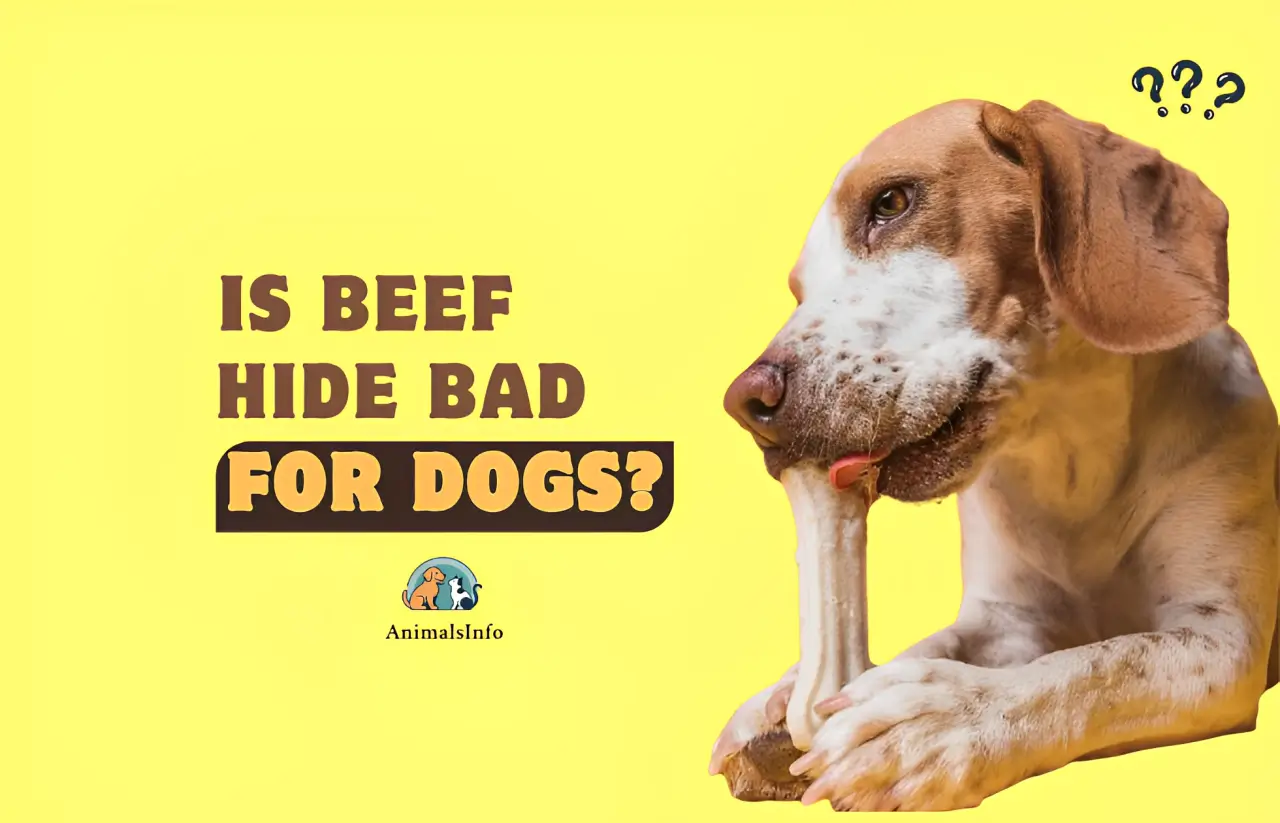
Is Beef Hide Bad for Dogs? A Dog Owner’s Truth
Wondering if beef hide chews are safe for your pup?
I remember the first time I gave my dog a beef hide chew—I stood there, watching closely, unsure if I was doing the right thing. It looked like a harmless treat, but something about how tough it was made me pause. Turns out, that gut feeling wasn’t totally off. Beef hide, also known as rawhide, is popular because it’s long-lasting and keeps dogs busy. But not all chews are created equal. Some can cause digestive issues, especially if the hide is treated with chemicals or not processed properly. I’ve learned to check where the product comes from and how it’s made before offering it again.
One thing that many dog parents don’t realize is that some dogs gulp instead of chew. That’s when the real problems start—chunks of rawhide can get stuck in the throat or block the intestines. In my case, I saw my dog gagging once, and that was enough to reconsider. Now, I only offer beef hide occasionally and always under supervision. There are safer chew alternatives out there, like natural bones or vet-approved dental chews, that give peace of mind without the risk.
Why Beef Hide Has Dog Owners Divided
As someone who’s spent years around dogs and in pet circles, I’ve noticed that beef hide chews spark strong opinions—some swear by them, others avoid them completely. The confusion mostly comes from how differently dogs react to them. One dog might chew beef hide regularly without a problem, while another ends up at the vet with an upset stomach or worse. The issue isn’t just the chew itself, but how it’s made. Some rawhides are treated with harsh chemicals or bleached to look clean and white, which can pose health risks that many dog owners aren’t aware of. On the flip side, when sourced responsibly and given in moderation, they can be a satisfying way for dogs to stay busy. That contrast is what keeps the debate alive.
Clearing Up the Confusion with Real Answers
If you’ve ever googled “Is beef hide bad for dogs?” and ended up more confused than when you started, you’re not alone—I’ve been there too. As a long-time dog owner and someone who’s talked with vets about this exact topic, I know how frustrating it is to get mixed messages. Some say it’s perfectly safe; others warn of serious health risks. That’s why this post isn’t just opinion—it’s built on expert advice and real-world experience. We’ll break down the facts in plain language so you can finally feel confident about what’s safe for your dog to chew and what to avoid.
What Is Beef Hide, Really?
What Exactly Is Beef Hide—And Is It Just Rawhide?
When I first saw beef hide chews labeled differently from rawhide, I figured they must be a safer, healthier version. But after digging into it and asking a vet friend, I found out they’re basically the same thing. Both come from the inner layer of cow skin and go through a drying process to become those tough chews you see in stores. Sometimes brands use “beef hide” to sound more natural or appealing, but it doesn’t mean the product is any different or safer. What really matters is how the hide is processed—if it’s treated with chemicals or bleached, it could be harmful to your dog. So whether it’s called beef hide or rawhide, I’ve learned to look past the label and ask the right questions before bringing it home.
Why the Way It’s Made Can Make All the Difference
When I started paying closer attention to what my dog was chewing, I realized I had no idea how beef hide was actually made. Turns out, the process isn’t always as clean as you’d hope. After the cowhide is removed, it often goes through chemical baths to strip the hair and fat. Some hides are even bleached or treated with preservatives to improve shelf life or appearance. This matters because those added chemicals don’t just stay on the surface—they can end up in your dog’s system. I’ve seen dogs get sick from poor-quality chews, and it taught me to always check for words like “chemical-free” or “single-ingredient” when buying. A simple treat can be harmless—or harmful—depending on how it’s processed.
What Products Are Actually Made from Beef Hide?
When I first walked down the pet aisle, I didn’t realize just how many items were made from beef hide. It’s not just those classic white rolled chews—there are twisted sticks, pressed bones, chips, and even treats shaped like donuts or shoes. Some are flavored with chicken or peanut butter to make them more tempting, which can make it easy to overlook what they’re actually made of. I used to grab these thinking they were all harmless fun, but over time I learned to check the ingredients and the source. Many of these products look different on the outside but are still made from the same processed hide underneath, and that’s where the health concerns come in.
Why Some People Say Beef Hide Is Bad for Dogs
The Hidden Dangers Behind the Chew
I used to think beef hide chews were a safe way to keep my dog busy—until I saw him struggle to swallow a large piece. That’s when I learned just how risky these treats can be. One of the biggest concerns is digestive blockage. Dogs that chew quickly or try to swallow chunks whole can end up with pieces stuck in their throat or intestines, which can lead to emergency surgery. Then there’s the chemical side—some hides are soaked in preservatives or bleached, and those toxins can build up over time. Even when the chew seems small, it can still be a choking hazard, especially for smaller breeds. Now, I always supervise and stick to safer alternatives because I’ve seen firsthand how quickly a treat can turn into a problem.
What the Experts Really Say About Beef Hide
After talking to my own vet and reading through advice from veterinary nutritionists, one thing is clear: beef hide chews aren’t one-size-fits-all. Some vets say they’re okay in small amounts and only if your dog chews slowly and doesn’t swallow big chunks. But others strongly advise against them altogether, especially for dogs with sensitive stomachs or aggressive chewing habits. A vet I trust once told me, “There are much safer ways to satisfy a dog’s need to chew that don’t come with so many risks.” That really stuck with me. Experts often recommend digestible chews made from natural ingredients, and they always stress the importance of supervision—because even something as common as beef hide can cause trouble if not handled the right way.
When (and for Which Dogs) Beef Hide Might Be Okay
Why One Chew Doesn’t Fit All Dogs
One thing I’ve learned after raising both a small Yorkie and a large Lab is that the same chew can be completely different depending on the dog. My Yorkie struggled with even thin pieces of beef hide, while the Lab tore through them like paper—and that’s where the trouble starts. Dogs who chew too fast or too hard are more likely to swallow big pieces, and that’s when choking or digestive issues happen. That’s why I always look at the size of the chew compared to the dog, and more importantly, their chewing style. It also matters where the product comes from. I avoid anything that doesn’t clearly list ingredients or country of origin. These days, I only give chews when I’m around to supervise. No matter how harmless a treat looks, it’s not worth the risk if it’s not a match for your dog’s size or habits.
Safer Chews That Don’t Come with the Same Risks
After dealing with a few too many upset tummies and one scary choking scare, I started exploring safer alternatives to beef hide. What surprised me was how many natural options are out there—things like dehydrated beef tendons, bully sticks, or even air-dried fish skins. These are single-ingredient treats that don’t go through the same heavy chemical processing as traditional rawhide. I’ve noticed they’re easier for my dogs to digest, and they still keep them busy without the same risk of blockages. Now, I always check for words like “limited ingredient,” “air-dried,” or “naturally processed” on the label. It takes a little more effort, but it’s worth it when I see my dogs enjoying their chew without me worrying every second.
Safe Alternatives to Beef Hide
Better Alternatives to Beef Hide: What I Recommend as a Dog Owner
After years of giving my dog different chews, I learned that not all treats are created equal. While beef hide might seem like a classic option, it often caused my pup digestive discomfort—and it took a few vet visits to realize it wasn’t the safest choice. That’s when I started looking into other natural, safer chews like bully sticks, antlers, veggie-based options, and raw bones. These aren’t just tasty—they’re easier to digest and don’t carry the same risks of choking or chemical exposure that come with some processed beef hide products. Bully sticks, for example, keep my dog busy without upsetting his stomach, and antlers last surprisingly long without splintering. I always check that the chews are natural and sourced responsibly, and I’ve found that rotating these types keeps my dog engaged while supporting better dental health too.
What I’ve Learned About the Good and Bad in Dog Chews
Over the years, trying out different dog chews taught me one thing—every option has its ups and downs. Beef hide kept my dog busy for hours, but it often ended with digestive trouble or pieces getting stuck in his throat. On the flip side, natural options like bully sticks or veggie chews are easier to digest, though they don’t last quite as long. Antlers and bones hold up better for heavy chewers, but I’ve had to watch for cracked teeth. It really comes down to knowing your dog’s chewing style and health needs. What worked best for me was testing each in small amounts and keeping an eye on how my dog reacted—comfort, safety, and long-term health always guide my choices now.
Quick Comparison of Chew Options I’ve Tried
When I first started exploring alternatives to beef hide, it was hard to keep track of what worked and what didn’t. I made a simple list to help me remember which chews were safe, lasted long, and kept my dog healthy. Here’s a breakdown based on my personal experience:
- Beef Hide – Long-lasting, but hard to digest and risky if swallowed in chunks
- Bully Sticks – Easily digestible, dogs love them, but don’t last very long
- Antlers – Very durable, good for strong chewers, but can cause tooth fractures
- Veggie-Based Chews – Gentle on the stomach, but some dogs lose interest quickly
- Raw Bones (supervised) – Natural and satisfying, but can splinter if not raw or fresh
This list helped me pick chews that actually suit my dog’s chewing habits without risking his health.
Real Dog Owner Experiences
My Experience After Giving My Dog Beef Hide
I used to think beef hide was a harmless treat, so I gave one to my dog thinking it would keep him busy. At first, he was excited and chewed for hours—but later that night, he started throwing up. I didn’t connect it right away until it happened again a week later. Turns out, the beef hide wasn’t digesting properly and was sitting too long in his stomach. After speaking with my vet, I learned that some dogs really struggle with these types of chews, especially if they swallow big pieces. Since then, I’ve switched to safer, natural options and haven’t had a problem since. It was a hard way to learn, but now I always check what’s in a chew before giving it to him.
What Vets and Other Dog Owners Say
When I started questioning beef hide, I didn’t just rely on my own experience—I turned to other dog owners and my vet. In online forums, I found story after story of dogs having stomach issues, blockages, or even emergency surgeries after chewing beef hide. One comment that stuck with me was from a pet parent who said, “It kept my dog busy, but the vet bill wasn’t worth it.” My own vet backed this up, explaining that beef hide is tough to digest and often treated with harsh chemicals during processing. She recommended safer options like natural chews or raw bones, especially for dogs with sensitive stomachs like mine. That mix of real stories and expert advice helped me feel confident in switching to healthier alternatives.
Final Verdict: Is Beef Hide Bad for Dogs?
From what I’ve seen with my own dog and heard from others, beef hide isn’t automatically bad—but it’s also not risk-free. Some dogs handle it fine, especially if the product is high-quality, free from chemicals, and given under supervision. Others, like mine, had digestive problems even with small amounts. The chew’s size, how aggressive your dog is when chewing, and how often you offer it all play a role. I learned that it’s really about knowing your dog—some can handle tougher chews, while others need softer, safer alternatives. Just like with any treat, paying attention to how your dog reacts is more important than the label on the bag.
Expert Tips for Choosing Safe Chews
What I Always Look for Before Buying Chews
After a few bad experiences with beef hide, I got into the habit of reading labels carefully—something I didn’t do at first. Now, I always check if the product says “digestible” or “easily digestible,” and I stay away from anything that mentions bleach, artificial flavors, or chemical preservatives. If the label doesn’t clearly say where it’s made or what it’s made from, I don’t buy it. I also look for words like “natural” or “single-ingredient,” especially when choosing safer alternatives. Over time, these small checks helped me avoid low-quality products and gave me peace of mind knowing I was giving my dog something safe.
The Right Way I Learned to Offer New Chews
When I moved away from beef hide, I didn’t just hand my dog a new chew and hope for the best. I started small—offering it for just a few minutes at first while keeping a close eye on how he chewed and how his stomach reacted afterward. Some chews that seemed safe at first ended up being too hard or caused loose stools, so I learned to test slowly and always watch closely. I also make it a rule to remove any chew once it gets small enough to swallow whole, or if it starts to splinter. With each new treat, I keep an eye on how long it lasts and whether it holds up safely—because the goal isn’t just to keep him busy, it’s to keep him healthy.
Frequently Asked Questions..
Can dogs have beef hide?
Yes, dogs can have beef hide, but it depends on the dog and the product. Some dogs may chew it safely, while others may experience digestive issues or choking hazards.
Is beef hide the same as rawhide?
Beef hide is a type of rawhide, made specifically from the inner layer of cow skin. So while all beef hide is rawhide, not all rawhide is from beef.
Is beef hide OK?
Beef hide may be okay for some dogs if it’s high quality, chemical-free, and given under supervision. However, it’s not ideal for dogs with sensitive stomachs or aggressive chewing habits.
How long does it take a dog to digest beef hide?
It can take several hours to days for a dog to digest beef hide, and in some cases, large pieces may not break down at all, leading to blockages or discomfort.
Is beef hide digestible?
Beef hide is only partially digestible, especially if the pieces are large or heavily processed. Some dogs may pass it without trouble, but others may struggle.
Is rawhide bad for dogs?
Rawhide can be bad for dogs if it’s poor quality or swallowed in large chunks. It poses choking risks and can cause digestive issues, so always supervise and choose safer options when possible.
For More visits: Can Dogs Have Avocado Oil for Healthy Skin? Surprising Facts