

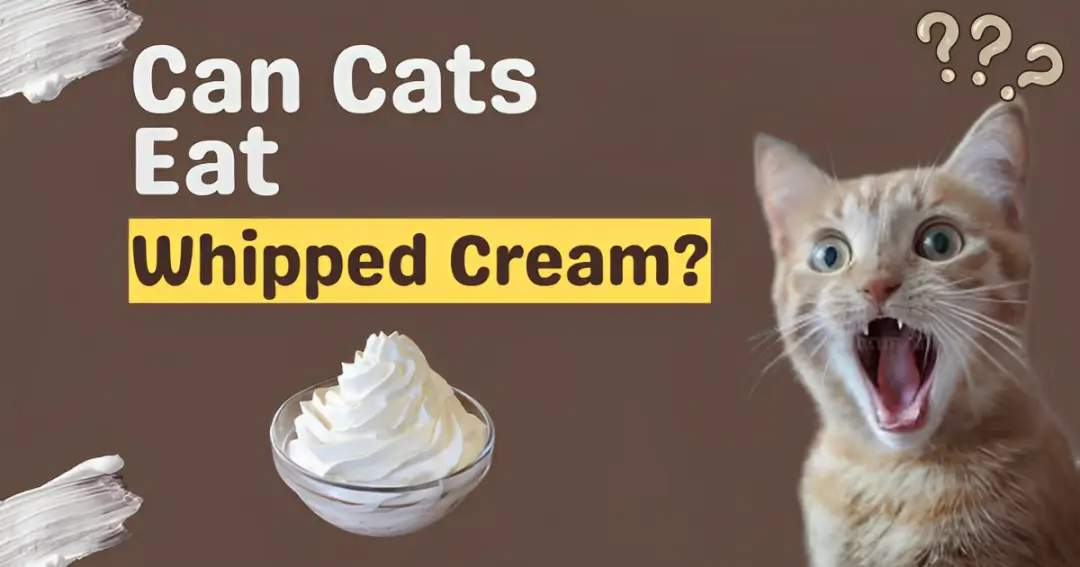
Can Cats Eat Whipped Cream? What You Need to Know
While whipped cream isn’t poisonous to cats, it’s not considered a suitable treat. Most whipped toppings—including well-known brands like Cool Whip—contain high amounts of sugar, hydrogenated fats, and dairy, all of which are hard for cats to digest. Can Cats eat whipped cream? Since cats are obligate carnivores, their bodies are built to thrive on animal-based protein sources, not processed or sugary human foods. An occasional accidental lick likely won’t cause harm, but offering whipped cream regularly may expose your cat to unnecessary health issues.
A major concern with whipped cream is its dairy component. Although kittens can typically process lactose, most adult cats develop lactose intolerance as they mature. Ingesting dairy can lead to digestive problems like bloating, flatulence, or diarrhea. Furthermore, whipped cream is high in fat and empty calories, offering no nutritional benefit and potentially contributing to weight gain, especially for indoor cats with limited physical activity.
If you want to treat your feline friend, it’s best to choose options that align with their nutritional needs. Small portions of cooked turkey, chicken, or commercial cat treats made from real meat are far healthier alternatives. These provide the essential proteins and nutrients cats need without the digestive risks. In conclusion, while whipped cream isn’t immediately dangerous, it’s best viewed as an occasional accident, not a deliberate snack.
Can Cats Eat Cream? Here’s Why It’s a Bad Idea
Cream may seem like a luxurious treat, but when it comes to cats, it’s better left off the menu. They do not produce enough lactase, the enzyme required to digest lactose—the natural sugar present in milk and cream. As a result, consuming cream can quickly lead to digestive problems like bloating, vomiting, and diarrhea.
Beyond the lactose issue, cream is very high in fat, making it a poor choice nutritionally. Cats require animal-based protein to thrive, not empty calories from dairy fats. Over time, giving your cat fatty foods like cream can contribute to weight gain, pancreatitis, and other health issues, especially in indoor cats with lower activity levels.
So, while your cat might be curious about your creamy dessert or morning coffee topper, it’s best to resist sharing. Instead, treat them to something they can digest and benefit from, like a small portion of cooked chicken or a high-protein cat treat. Remember, the best way to show love to your feline friend is by feeding them what keeps them healthy, not just what seems tasty.
Related Post: Can Cats Eat Seaweed Safely? Shocking Truths & Safety Tips!
Can Cats Eat Whipped Cream? Here’s the Real Scoop
Your cat may be tempted by the fluffy, creamy swirl on your pie, but whipped cream isn’t a wise treat for felines. Most cats are lactose intolerant, meaning they lack the enzyme lactase, which is essential for digesting lactose—the sugar found in dairy products like whipped cream, ice cream, and buttercream. Without this enzyme, even a few licks can lead to unpleasant digestive issues such as bloating, gas, vomiting, or diarrhea.
While whipped cream may seem harmless, it’s packed with ingredients that do your cat no favors. From dairy fats and sugars to artificial sweeteners and stabilizers, it offers zero nutritional benefit. Cats rely solely on animal protein, and their bodies aren’t equipped to digest dairy-rich foods made for people. As tempting as it may be to share a taste from your dessert or coffee, your cat’s health is better served by sticking to high-protein, cat-appropriate snacks.
That said, some cats may tolerate a tiny taste of whipped cream on rare occasions, especially if they’re unusually tolerant of dairy. According to feline veterinarians, a small amount of Reddi-wip might be safe as a special-occasion treat—but only in moderation, and never as a habit. If you’re using it to make vet visits or car rides less stressful, that’s okay—but your cat would still prefer a bite of chicken or tuna over sugary foam. When it comes to their health, real meat always beats whipped treats.
Can Kittens Eat Cream? Why It’s Best to Say No
It might seem harmless to offer a kitten a lick of cream, but the truth is—it’s not a good idea. While kittens rely on their mother’s milk in the early weeks of life, their digestive systems are not built to handle other dairy products like cream, milk, or cheese. These rich dairy items can cause upset stomachs, diarrhea, and bloating, especially in young kittens whose digestive tracts are still developing.
Kittens have very specific nutritional needs, and cream doesn’t meet any of them. Unlike specially formulated kitten milk replacers, regular cream is high in fat and lactose, which can trigger gastrointestinal issues and interfere with their ability to absorb the nutrients they truly need, like proteins and essential vitamins from balanced kitten food.
So, can kittens eat cream? No—and they shouldn’t. If your kitten is weaned or you’re hand-raising a young one, stick to vet-approved milk replacers and age-appropriate kitten food. These are designed to support healthy growth without upsetting their tiny tummies. When it comes to dairy, it’s best to skip the cream and stick to what’s safe.
Can I Give My Cat Whipped Cream? What Every Cat Owner Should Know
It’s a question many curious cat parents ask, especially when their feline friend starts eyeing that fluffy topping on your dessert. The short answer is: whipped cream isn’t toxic to cats, but that doesn’t mean it’s safe or healthy. Whipped cream contains dairy, sugar, and additives—none of which are beneficial for your cat’s health, and some of which can cause discomfort or long-term issues if consumed frequently.
Sugar, for example, serves no purpose in a cat’s diet. Offering sugary foods like whipped cream can lead to unhealthy weight gain, blood sugar spikes, and even diabetes over time. It’s not immediately dangerous in small amounts, but it’s far from nutritious.
Dairy is another common culprit. While kittens can digest their mother’s milk, most adult cats become lactose intolerant. That means even a few spoonfuls of whipped cream could trigger digestive upset, bloating, or diarrhea. So, while you don’t need to panic if your cat sneaks a small lick, whipped cream should never be a regular treat. Instead, stick to feline-friendly snacks that support your cat’s health, like freeze-dried meat or vet-approved treats.
Is Cream Poisonous to Cats? Here’s What You Need to Know
The majority of adult cats are lactose intolerant, which means their digestive systems can’t properly break down the lactose found in dairy products like cream. As a result, even a small amount can cause gastrointestinal distress—think bloating, stomach cramps, vomiting, and diarrhea. While not life-threatening, these symptoms can make your feline friend very uncomfortable.
Another risk factor lies in what’s inside the cream. Some commercial cream products may contain artificial sweeteners such as xylitol, which is toxic to cats and can be deadly even in small doses. Additionally, cream is packed with fat and calories, making it an unhealthy choice overall. Regular consumption can lead to obesity, and in more serious cases, even pancreatitis—a painful and potentially dangerous condition that requires immediate veterinary care.
So, is cream poisonous to cats? Not in the traditional sense, but it can certainly harm their health if consumed, especially in large amounts or regularly. If your cat has licked a bit of cream, monitor them closely, and if you notice any signs of illness, contact your vet immediately. To keep your cat happy and healthy, it’s best to skip the cream altogether and stick with nutrient-rich, cat-friendly treats instead.
Meet Our Veterinary Expert: Evie Moloney, MVB, MRCVS
This article has been reviewed and verified by Dr. Evie Moloney, a highly qualified veterinary surgeon and passionate advocate for pet wellness. Evie graduated from University College Dublin (UCD)—Ireland’s only university offering a veterinary medicine degree. Her professional journey includes experience in emergency care, critical care, and soft tissue surgery, giving her a strong foundation in both everyday pet health and high-stakes medical situations.
Dr. Evie is deeply committed to preventive health education, with a special interest in encouraging pet parents to prioritize dental hygiene, like brushing their cat or dog’s teeth regularly at home. She also helps owners manage chronic conditions such as arthritis, offering practical, compassionate advice to keep pets comfortable and thriving throughout their lives.
When she’s not in the clinic or sharing her knowledge with pet lovers, Evie loves exploring nature through hiking and swimming. Her blend of hands-on experience and heartfelt care makes her a trusted voice in veterinary medicine—and an invaluable contributor to our content.
Is a Puppuccino Safe for Cats? Here’s What You Should Know
The famous Puppuccino—a small cup of whipped cream from Starbucks—might seem like a fun treat to share with your furry friend. While it’s marketed as a lighthearted indulgence for dogs, some cat owners may wonder if their feline companions can enjoy a Pup Cup too. But before you let your kitty lap it up, it’s important to understand what’s inside—and what it could mean for your cat’s health.
At its core, a Puppuccino is just whipped cream, typically made from dairy and sugar. While it’s not toxic, it’s certainly not healthy for cats, especially in the quantities found in a full Pup Cup. Most adult cats are lactose intolerant, and consuming dairy can result in uncomfortable symptoms like diarrhea, gas, and bloating. Add in the sugar, which offers no nutritional benefit, and you have a calorie-dense snack that could contribute to weight gain and digestive upset.
Another concern is portion size. While a Pup Cup is small for a Golden Retriever, it’s quite large for a 10-pound cat. Giving your cat the whole cup means they could be consuming a significant portion of their daily calorie limit in just a few bites, with zero nutritional value. If you’re tempted to share, it’s best to offer only a tiny lick as a rare treat, but even that isn’t recommended. Instead, stick to cat-safe snacks that support their health without risking tummy troubles.
Can Cats Eat Sugar-Free Cool Whip? The Hidden Risks You Should Know
Many pet owners wonder if sugar-free alternatives, like sugar-free Cool Whip, are a better option for their cats compared to the regular version. While it’s true that sugar-free Cool Whip eliminates one major concern—**sugar—it doesn’t make it a safe or healthy treat for your feline.
One of the main issues with sugar-free Cool Whip is the presence of corn syrup. While it’s lower in sugar compared to the original, corn syrup is still a form of sugar that can affect your cat’s health. Cats don’t need sugar in their diet, and even small amounts can lead to weight gain, blood sugar spikes, and digestive problems. Since cats are much smaller than humans, even modest amounts of sugar can have a more pronounced negative impact on their overall health.
Additionally, sugar-free Cool Whip still contains dairy, which can be just as problematic for cats. This can lead to uncomfortable issues like stomach upset, bloating, and diarrhea. While sugar-free Cool Whip may not contain as much sugar, the dairy content remains a concern, making it unsuitable for cats.
So, while sugar-free Cool Whip may seem like a healthier alternative, it’s still not an appropriate or safe treat for your cat. Stick to cat-safe treats that provide the nutrition they need without the potential for digestive upset or weight gain.
What Human Foods Are Safe for Cats? A Quick Guide
While it’s tempting to share everything you eat with your cat, not all human foods are safe for them. However, there are a few human foods that can be safe and healthy for your feline in small amounts. Here’s a list of safe human foods for cats:
- Chicken (boneless, skinless, and cooked)
- Beef (lean cuts, cooked)
- Veal (boneless, cooked)
- Chevon (goat meat, lean and cooked)
- Lamb (lean cuts, cooked)
- Cooked Fish (avoid bones)
- Turkey (boneless, skinless, cooked)
- Duck (boneless, skinless, cooked)
Important Safety Notes:
- Cooked bones are dangerous: Never feed your cat cooked bones, as they can splinter and cause choking or internal injuries.
- Remove the skin: The skin of most cooked meats should be removed before offering them to your cat, as it can be fatty and difficult for them to digest.
- No seasoning: Meats should be served unseasoned and without any added spices, oils, or sauces, as many seasonings can be harmful to cats.
While the meats listed above can serve as treats for your cat, formulated home-cooked meals designed specifically for felines can be beneficial for some cats with special dietary needs. However, these should only be prepared after consulting with your vet and ensuring that you’re adding the right vitamins and nutrients to make the meal complete. Simply preparing food from your kitchen doesn’t meet all of your cat’s nutritional requirements.
Though many fruits and vegetables may be safe in small amounts, they aren’t nutritionally significant for cats. Cats are obligate carnivores, meaning their primary dietary needs should come from animal proteins. Most veterinarians suggest that fruits and veggies should be offered sparingly, if at all.
If you’re unsure about what foods are best for your cat, or if your cat has a specific health condition, it’s always a good idea to consult with a vet. If you can’t make it to a vet clinic, PangoVet offers an affordable online consultation service where you can speak to a vet from the comfort of your home.
Why Whipped Cream Isn’t Safe for Cats: Healthier Alternatives You Should Consider
While the idea of sharing a delicious whipped cream treat with your cat might feel like a harmless indulgence, it’s important to recognize the potential risks. Whipped cream and similar toppings often contain ingredients like milk, corn syrup, and oil, which can be problematic for your feline.Dr. Renee Rucinsky, DVM, urges against feeding these treats to your cat, as they offer no nutritional benefits and could result in digestive troubles like bloating, upset stomach, or diarrhea. Cats do not benefit from the dairy in whipped cream, and the added fat and sugar can pose risks to their health.
The Hidden Danger of Sugar-Free Whipped Cream
While you may think sugar-free whipped cream is a safer option, it’s important to note that many sugar-free products contain toxic sugar substitutes, such as xylitol. Xylitol is extremely dangerous for cats, even in small amounts, and can cause hypoglycemia, liver damage, and, in severe cases, it may be life-threatening. What might seem like a healthier choice for humans could pose a grave risk to your cat, highlighting the importance of always checking ingredient labels before offering any product to your pet. Remember, sugar substitutes like xylitol should never be part of your cat’s diet.
Plant-Based Alternatives: Not the Best for Cats
In recent years, plant-based whipped cream alternatives have gained popularity, particularly those made from ingredients like almonds, coconuts, and soy. While these dairy-free options might seem appealing, they are not the best choice for your cat. Although these alternatives are unlikely to be harmful in small amounts, the extensive processing involved in creating these plant-based treats can make them harder for your cat’s sensitive stomach to process. As a result, they can cause digestive issues and aren’t ideal for your pet’s overall health.
Healthy Whipped Cream Alternatives for Cats
If you’re looking to indulge your feline with a special treat, it’s best to choose options that provide real nutritional benefits. Instead of whipped cream, consider offering your cat small amounts of lean cooked meat, such as chicken, turkey, or beef. For a refreshing and hydrating snack, many cats enjoy small portions of melon or cantaloupe (be sure to remove the seeds). While fruits can be offered in moderation, always consult your veterinarian before adding new treats to ensure they are suitable for your cat’s health needs.
Final Thoughts: Is Whipped Cream Safe for Cats?
When it comes to treating your cat with something special, whipped cream might seem like a harmless indulgence. However, despite its tempting texture and taste, it is not a suitable or healthy treat for your feline companion. Whipped cream is primarily composed of dairy, sugar, and sometimes corn syrup—ingredients that can lead to a host of health issues for your cat. Most adult cats are lactose intolerant, meaning they lack the necessary enzyme, lactase, to digest dairy products. This can result in upset stomachs, diarrhea, and other gastrointestinal discomforts.
Beyond digestive concerns, whipped cream carries risks due to its high sugar content, which can lead to obesity and other metabolic issues when consumed regularly. If you opt for sugar-free versions, be cautious: many sugar-free whipped creams contain xylitol, a sweetener that is highly toxic to cats and can cause life-threatening conditions such as liver damage and hypoglycemia. Furthermore, plant-based alternatives like those made from coconut, almond, or soy should also be avoided due to their processing methods, which can interfere with your cat’s delicate digestive system.
FAQs: Can Cats Eat Whipped Cream?
Can cats have Puppuccinos?
Yes, but only in very small amounts. Puppuccinos (whipped cream in a cup) are made for dogs and are high in dairy and sugar, two ingredients that don’t sit well with most cats. While a tiny lick won’t hurt, it’s not something you should offer regularly.
Is whipped cream toxic to cats?
Whipped cream isn’t toxic, but it’s not healthy either. Most adult cats are lactose intolerant, and the high fat and sugar content can lead to digestive issues, obesity, or long-term health problems if given frequently.
What happens if a cat licks whipped cream?
A single lick of whipped cream usually won’t harm your cat. However, it may cause temporary stomach upset, such as gas, bloating, or mild diarrhea, especially if your cat is sensitive to lactose.
Why do cats like whipped cream?
Cats are typically attracted to the fat content in dairy products rather than the sweetness. If they see you enjoying it, curiosity may lead them to want a taste, even though it’s not a suitable treat for them.
Are sugar-free or plant-based whipped creams safer?
Absolutely not. Sugar-free versions may contain xylitol, a sweetener that is highly toxic to cats. Plant-based whipped creams often contain additives and oils that are heavily processed and not suitable for feline digestion.
What’s a healthier alternative treat for cats?
If you want to spoil your cat, opt for small pieces of plain cooked chicken or turkey, or choose a vet-approved cat treat that is low in sugar and safe for feline digestion.
For More Visits: AnimalsInfo
Also Read: Can Cats Eat Cheetos? Risks, Alternatives & My Scary Story