

Can Cats Eat Cashews? What Every Owner Should Know
What are Cashews?
Cashews are nutrient-rich seeds harvested from the cashew tree (Anacardium occidentale), a tropical plant native to Brazil and now widely cultivated in regions like India and Africa. Although commonly referred to as nuts, cashews are technically seeds that grow beneath the cashew apple and must be carefully processed due to their natural coating of urushiol, a toxic resin also found in poison ivy. Once heat-treated for safety, cashews become a popular food source known for their creamy texture and impressive nutritional profile, including heart-healthy fats, plant-based protein, and essential minerals like magnesium and copper. While highly beneficial to humans, cashews are not safe for pets, particularly cats, due to their fat content and potential for causing digestive issues, making them best kept as a human-only snack.
Can Cats Eat Cashews? What Every Pet Parent Should Know
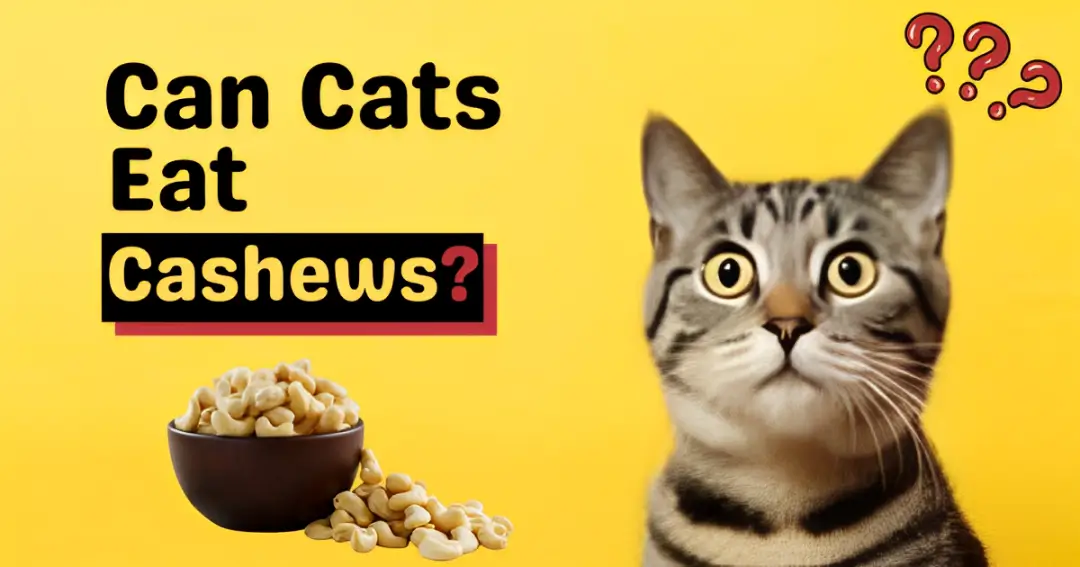
Can Cats Eat Cashews? When those curious feline eyes fixate on your snack, it’s only natural to wonder: Can I share this with my cat? Cashews are a popular, heart-healthy treat for humans, but when it comes to your cat’s health, what’s safe for you isn’t always safe for them.
Their bodies are designed to digest animal protein, not plant-based fats or carbohydrates. Cashews, though rich in healthy fats and antioxidants for humans, offer minimal nutritional value for cats and can pose health risks if fed in excess.
A small, plain, unsalted, and shelled cashew won’t likely cause harm if your cat sneaks a bite. However, overconsumption—even just a few pieces—can lead to digestive issues, weight gain, or pancreatitis over time due to the high fat content. Worse, cashews often come mixed with salt, spices, or other nuts—some of which, like macadamias, are toxic to cats. Flavored or seasoned varieties can also contain garlic, onion powder, or other ingredients that are harmful to felines.
Some cats may also have food sensitivities or allergies, leading to symptoms like vomiting, diarrhea, or lethargy after eating unfamiliar foods. So, can you give your cat a cashew? Occasionally and in very small amounts—yes. Instead, opt for safer alternatives like freeze-dried meat treats or vet-approved snacks that align with your cat’s carnivorous needs.
Before introducing any new food to your pet’s routine, always consult a veterinarian. If your cat consumes something questionable, expert advice can make all the difference.
Understanding Cats and Their Relationship with Human Foods
Cats have distinct dietary needs that set them apart from humans. As obligate carnivores, their bodies are specially adapted to require a diet rich in animal proteins and low in carbohydrates. This fundamental difference means that many foods safe for humans may be unsuitable or even harmful to cats.
Because cats lack the enzymes needed to properly digest certain human foods, offering them anything outside their natural diet can lead to digestive upset or toxicity. Cat owners need to recognize these unique nutritional requirements to protect their pets’ health and ensure their well-being.
By gaining a clear understanding of which human foods are safe and which should be avoided, you can make informed decisions that support your cat’s long-term health and happiness.
Related Post: Can Cats Eat Whipped Cream or Avoid It? Risks, Alternatives!
Can I Give My Cat Cashews?
Can Cats Eat Cashews? While cashews aren’t classified as toxic to cats, they’re far from an ideal treat. If your cat happens to nibble on a plain, unsalted cashew, there’s usually no cause for alarm. However, that doesn’t mean cashews are suitable for feline diets. Cats are obligate carnivores, meaning their bodies are built to thrive on animal-based proteins, not plant-based fats like those found in nuts. Cashews are calorie-dense and high in fat, which can strain a cat’s digestive system and contribute to weight gain or gastrointestinal discomfort if given regularly. So, while a tiny piece of cashew might not harm your cat, it should never become a routine snack. Always prioritize vet-approved, protein-rich treats that align with your cat’s natural dietary needs—and when in doubt, consult a veterinarian before introducing any human food.
Ensuring Your Cat’s Safety Around Cashew Nuts
Cats exhibit natural curiosity, often drawn to human snacks such as cashews. Although cashews are not inherently toxic to felines, they are not advisable due to their high fat and calorie content. As obligate carnivores, cats require a diet predominantly composed of animal proteins, and cashews do not meet these essential nutritional requirements. Regular consumption may lead to weight gain and serious health complications, including pancreatitis.
Nutritional Incompatibility of Cashews for Cats
While cashews are rich in beneficial nutrients for humans, including healthy fats and minerals, these components can be detrimental to cats. Felines have specialized digestive systems optimized for metabolizing meat-based nutrients, making plant-based, high-fat foods like cashews unsuitable. Additionally, commercially available cashews often contain salt or seasonings, which can pose risks such as sodium toxicity, dehydration, and kidney stress in cats.
Best Practices to Prevent Cashew Exposure in Cats
Secure Storage and Environment Control
To protect your cat from accidental ingestion, store cashews and other nuts securely in cabinets equipped with childproof locks or in locations inaccessible to your pet. Given cats’ agile climbing abilities, it is crucial to ensure elevated storage areas are genuinely out of reach.
Behavioral Training and Effective Deterrents
Implementing training techniques to discourage your cat from accessing restricted areas can significantly reduce risks. Utilizing deterrents like double-sided tape or aluminum foil on counters discourages cats from jumping onto surfaces. For advanced solutions, consider motion-activated air canisters that emit harmless puffs of air, safely discouraging unwanted exploration and safeguarding your cat’s health.
Why Cashews Are Not Safe for Cats
Hidden Toxins in Cashews
Although cashews are not officially toxic to cats, they can contain harmful mold toxins known as aflatoxins. These toxins often go unnoticed because they are invisible to the naked eye, but can cause serious gastrointestinal distress and neurological problems in cats. It’s important to avoid feeding any nuts that show signs of discoloration or mold to your pet.
Physical Risks: Shells and Choking Hazards
Cashews have a tough outer shell that contains caustic substances meant to protect the nut. If a cat tries to chew on the shell or accidentally swallows a large piece of cashew, it could lead to dental damage, choking, or even intestinal blockages. Always ensure nuts are fully shelled and kept away from curious cats.
High Fat Content and Digestive Issues
Cats naturally consume a lean, meat-based diet, and their digestive systems are not designed to process high-fat foods like cashews. Excessive fat intake from nuts can lead to upset stomachs, obesity, and potentially dangerous conditions such as pancreatitis.
Sodium Concerns and Dehydration
Cats have a low salt tolerance, and high sodium intake may result in dehydration, kidney stress, or more severe complications if water intake is insufficient. Monitoring hydration is crucial if your cat accidentally consumes nuts.
Monitoring and Veterinary Care
If your cat ingests cashews, observe them closely for symptoms such as vomiting, diarrhea, lethargy, or signs of distress. While a small accidental intake might not cause immediate harm, veterinary advice should be sought if symptoms appear.
Unlocking the Nutritional Benefits of Cashews: A Complete Overview
Cashews are more than just a delicious snack—they are a nutrient-rich powerhouse that offers a wide range of health benefits. Understanding their unique nutritional profile reveals why they are favored by health enthusiasts worldwide.
Energy Density and Heart-Healthy Fats
Each ounce of cashews delivers around 160 calories, offering a dense energy source perfect for fueling your day. The fats in cashews are predominantly monounsaturated, accounting for about two-thirds of their total fat content. These “good” fats are known to promote heart health by supporting healthy cholesterol levels and reducing inflammation.
Vital Vitamins and Mineral Support
Cashews stand out as an excellent source of essential minerals like copper, magnesium, and manganese—key players in boosting immunity, enhancing bone health, and aiding enzyme functions. They also provide valuable amounts of zinc, phosphorus, and iron, which support metabolism and oxygen transport. On the vitamin spectrum, cashews contribute vitamin K and a complex of B vitamins that help regulate energy production and maintain healthy blood cells.
Balanced Protein and Carbohydrates
With roughly 5 grams of protein per ounce, cashews supply moderate plant-based protein to support muscle maintenance and repair. Their carbohydrate content is relatively low, at about 9 grams per ounce, including nearly 1 gram of dietary fiber, offering a satisfying and balanced snack option without excess sugars or starches.
Alternatives to Cashews for Treat-Loving Cats
1. Safe and Nutritious Treat Options for Your Cat
When seeking safe treats for your feline companion, cooked lean meats such as chicken are an excellent choice. Rich in protein and easily digestible, they satisfy a cat’s natural carnivorous diet while delighting picky eaters. Vegetables like carrots and green beans also make healthy snacks, offering beneficial fiber and a satisfying crunch. For cats that enjoy seafood, plain, unsalted salmon or tuna provides essential omega-3 fatty acids, supporting skin and coat health. For a playful twist, catnip-infused ice cubes serve as both a refreshing and engaging treat. Always offer these treats in moderation, as supplements to a balanced diet rather than meal replacements.
2. Understanding the Nutritional Needs of Cats
Cats are obligate carnivores, which means their physiology demands a diet primarily based on animal protein. While cats may express curiosity about various human foods, their digestive systems are not equipped to process high-fat or high-sodium items such as nuts. Prioritizing protein-rich foods aligned with their natural dietary requirements is critical to maintaining optimal health. Treats should enhance, not replace, their nutritional intake. Gradual introductions help prevent digestive disturbances and keep your cat healthy and happy.
Additives such as salt, sugar, or spices can be harmful to felines, increasing the risk of dehydration, kidney problems, or sodium toxicity. Always select plain, raw, or dry-roasted cashews without any flavoring or coatings.
3. Serve in Small, Manageable Portions
Cats lack the strong molars necessary to safely chew whole cashews, increasing the risk of choking or dental injury. To ensure safety, break cashews into bite-sized pieces or finely grind them before offering. Removing any nut skins or fibers further reduces the risk of irritation or digestive discomfort.
4. Cashew Milk: Not an Ideal Substitute
Though cashew milk is a popular plant-based alternative for lactose-intolerant humans, it is generally unsuitable for cats. Its high fat content and lack of essential feline nutrients can disrupt digestion and promote obesity.
5. Understand the Risks and Benefits
Cashews are not inherently poisonous to cats, but they offer little nutritional value to obligate carnivores. Feeding them cashews should be the exception, not the rule. If your cat accidentally consumes a small amount of plain cashews, there is usually no cause for alarm. However, avoid giving cashews regularly or in large amounts, especially if salted or seasoned, to prevent potential health complications.
Expert Insights from Spot: The Importance of Caution When Sharing Human Foods with Cats
It’s natural to want to share your favorite snacks with your cat, but not all human foods are safe for our feline companions. Data from Spot reveals that pet insurance claims related to food-related health issues average around $642 per case*, highlighting the potential risks and expenses tied to feeding cats inappropriate foods.
This information serves as a reminder that cats have unique dietary requirements and sensitive digestive systems. Foods that are safe for humans can sometimes cause serious health problems in cats, ranging from mild stomach upset to severe allergic reactions or toxicity.
Being well-informed and cautious about what you feed your cat helps protect their health and prevent unexpected vet bills. Choosing vet-approved treats and sticking to a balanced, species-appropriate diet is the best way to keep your cat healthy and thriving.
Final Thoughts: Cashews Aren’t Cat Cuisine—Here’s Why
As tempting as it is to share your favorite snack with your curious kitty, cashews are best left out of their bowl. While not toxic in the strictest sense, these rich, salty nuts carry more risks than rewards for your feline friend.
Cashews are loaded with unhealthy fats, sodium, and often carry mold contaminants or residue from their hard shells—all of which are red flags for your cat’s sensitive digestive system. Even in small amounts, they can lead to digestive distress, weight gain, and potential choking hazards, especially for kittens or smaller cats.
And cashew milk? It may seem like a softer, safer option, but it still lacks the nutrients your carnivorous cat needs and adds unnecessary fat to their diet.
Frequently Asked Questions About Cats and Cashews
Can cats safely eat cashews?
Cashews are not toxic, but are unhealthy for cats due to their high fat and sodium content. Feeding cashews can cause digestive upset and should be avoided.
Are cashews toxic to cats?
Cashews themselves are not poisonous to cats, but mold or seasoning on the nuts can be harmful. Always avoid feeding your cat any contaminated or salted nuts.
What happens if my cat eats cashews?
A small quantity typically doesn’t cause major issues, but might lead to vomiting or diarrhea. Keep an eye on your cat and consult a veterinarian if symptoms escalate.
Is cashew milk safe for cats?
Cashew milk isn’t poisonous, but it contains high fat and is hard for cats to digest. It’s advisable to avoid it or offer only occasionally in minimal amounts.
Can kittens eat cashews?
Kittens should never be given cashews due to choking hazards and sensitive digestive systems. Stick to kitten-safe protein-based treats instead.
Can cats have allergic reactions to cashews?
Though rare, cats can develop allergies to cashews, showing symptoms like itching, swelling, or vomiting. Stop feeding cashews if signs appear.
Why are cashews unhealthy for cats?
Cashews contain excessive fats and sodium that cats struggle to metabolize, increasing risk of obesity and gastrointestinal problems.
How many cashews can cats safely eat?
Cats should ideally avoid cashews entirely. Even a few nuts can upset their stomach or cause health issues, especially if salted or seasoned.
What are safer treat alternatives to cashews for cats?
Lean cooked meats like chicken or turkey are the best treats for cats. They support feline dietary needs without harmful fats or additives.
When should I seek veterinary help after my cat eats cashews?
If your cat shows persistent vomiting, diarrhea, lethargy, or choking after eating cashews, contact your vet immediately for advice.
For More Visits: AnimalsInfo
Also Read: Can Cats Eat Pomegranate: Safe or Risky Treat? 2025 Edition!