



Can Cats Eat Pomegranate? Healthy or Harmful?
Pomegranates are widely praised for their powerful antioxidants and nutritional value in human diets, but when it comes to cats, moderation is key. So, can cats eat pomegranate? Pomegranate is not toxic to cats, yet their bodies, built for digesting animal proteins, aren’t well-equipped to handle fruit regularly. A tiny portion of the fleshy part (without seeds or juice) might offer minimal benefits like hydration or a slight antioxidant boost, but overconsumption can cause stomach upset due to its sugar and fiber content. Avoid giving your cat pomegranate seeds, juice, or any processed form, as these may pose choking risks or contain ingredients unsuitable for felines. Treat pomegranate as a rare, optional snack—not a dietary staple—and always prioritize a protein-rich, meat-based diet to support your cat’s overall health and well-being.
Can Cats Eat Pomegranate? A Clear Answer for Concerned Cat Owners
Pomegranate is not toxic to cats, but it’s not an ideal treat either—while a tiny bite of the fruit’s flesh might not cause harm, it offers little to no nutritional value for felines and can lead to digestive upset if given in excess. The seeds, in particular, can be difficult to digest and may cause discomfort or even choking in sensitive cats. Although pomegranate is packed with antioxidants and vitamins for humans, these benefits don’t translate meaningfully to a cat’s dietary needs. For optimal feline health, it’s best to avoid offering pomegranate altogether and stick with vet-approved, species-appropriate foods that support their carnivorous biology, because when it comes to your cat’s wellbeing, safer, nutritionally aligned choices always outweigh trendy human foods.
Related Post: Can Cats Eat Whipped Cream or Avoid It? Risks, Alternatives!
Do Cats Like Pomegranate? Understanding Feline Curiosity and Taste Preferences
Cats may appear interested in pomegranates, but it’s not the taste that attracts them—it’s the smell, texture, or simply curiosity about what their human is eating. Since cats lack the taste receptors to detect sweetness, they don’t enjoy fruits like we do. While the vibrant color of pomegranate might catch their eye, it doesn’t mean they like it. Some cats might give it a sniff or a small lick out of curiosity, but most will quickly lose interest. In short, pomegranate isn’t harmful in small portions, but it’s far from a favorite for felines—and not something they naturally crave.
What Fruits Should Cats Avoid? A Guide to Protecting Your Feline’s Health
While a few fruits can be safe in very small amounts, many fruits pose serious health risks and should never be given to your cat. For instance, grapes and raisins are highly toxic and can cause severe kidney damage. Cherries, apricots, peaches, and plums all contain pits or stems with cyanide compounds, which are dangerous for cats if ingested. Citrus fruits like oranges and lemons contain oils that may lead to stomach upset, while avocado contains persin, a toxin harmful to felines. To keep your cat safe and healthy, it’s essential to avoid these fruits altogether and focus on a balanced, meat-based diet recommended by your veterinarian.
Is Pomegranate Good for Cats? Essential Facts for Cat Owners
Pomegranates are rich in calories, carbohydrates, fiber, vitamins, and antioxidants that benefit human health; however, cats cannot fully utilize these nutrients. A typical serving of pomegranate contains significant sugars and fibers that cats’ digestive systems aren’t designed to process efficiently. Since cats are obligate carnivores, their nutritional needs rely almost exclusively on animal proteins and fats, making fruits like pomegranate largely unnecessary and sometimes even harmful in excess. While small accidental tastes are unlikely to cause serious harm, feeding pomegranate regularly can lead to digestive discomfort. Therefore, pomegranate is not considered a beneficial or recommended food for cats and should be given, if at all, only in very minimal amounts under supervision.
Are Pomegranates Bad for Cats? What Every Cat Owner Should Know
As obligate carnivores, cats rely on animal-based proteins to meet their nutritional needs, and fruits like pomegranate offer little benefit while posing potential risks. Feeding pomegranates to cats—even in small amounts—can cause gastrointestinal upset such as vomiting, diarrhea, or stomach discomfort. The seeds, in particular, contain compounds that are hard for cats to digest and may lead to further digestive irritation or blockages. For the health and safety of your cat, it’s best to avoid giving pomegranates and stick to veterinarian-recommended foods that align with their natural dietary requirements.
Health Benefits and Potential Risks of Pomegranate for Cats
Pomegranates are low in calories and contain no cholesterol or saturated fats, making them a fruit rich in fiber and essential nutrients like potassium, vitamin K, and folic acid. These nutrients can support digestion, red blood cell health, fat metabolism, and overall growth in cats. However, cats have sensitive digestive systems that are not well-suited to processing certain compounds found in pomegranates, such as tannins and organic acids, which may cause stomach upset. Given these risks, it’s best to avoid feeding pomegranates to cats and focus on providing a diet tailored to their obligate carnivore nature.
Unlocking the Potential Benefits of Pomegranate for Cats: A Smart Treat Choice in Moderation
While cats are obligate carnivores with dietary needs centered around meat, offering pomegranate as an occasional treat in small quantities can provide subtle health advantages. Pomegranates are naturally low in calories and devoid of cholesterol or saturated fats, making them a light, guilt-free snack. This vibrant fruit boasts powerful antioxidants such as vitamin C and anthocyanins, which help combat cellular damage and reduce inflammation, key for supporting your cat’s overall wellness. Although cats synthesize their vitamin C, these additional antioxidants may enhance immune health. Moreover, pomegranates supply dietary fiber that aids digestion and promotes gut balance, a valuable benefit for indoor cats that might lack fiber from their regular meals. Essential minerals like potassium contribute to healthy nerve and muscle function, while vitamin K and folic acid support blood health and cellular growth. The high water content also offers gentle hydration, especially beneficial during warmer seasons. However, due to their carnivorous nature, cats should only enjoy pomegranate sparingly to avoid digestive discomfort or nutrient imbalances, ensuring this fruit remains a safe and enriching occasional treat.
Understanding the Hidden Risks of Feeding Pomegranate to Cats
Although pomegranates are celebrated for their health benefits in humans, they present several hidden dangers when it comes to feline nutrition. The fruit contains oxalates and tannins—compounds that can adversely affect cats. Oxalates may contribute to the development of kidney stones, a painful and potentially serious condition in cats. Tannins, meanwhile, can disrupt the absorption of essential nutrients, undermining your cat’s overall health and vitality. Beyond these chemical concerns, some cats may also experience allergic reactions to pomegranate, with symptoms ranging from skin irritation and vomiting to more severe immune responses. Given these risks, pomegranate is best avoided as a treat for your feline companion.
Safe Alternatives and Expert Care with Catheist
For cat owners seeking healthy and safe treat options, brands like Catheist offer tailored solutions that prioritize feline well-being. Alongside nutritious treats, Catheist provides valuable guidance on holistic cat care, ensuring your pet enjoys both taste and health in every bite. When it comes to treats, safety should always take precedence over novelty.
Enjoy your pomegranate indulgence and keep your furry friend safe by steering clear of this risky fruit. Your cat will reward your care with happy purrs and robust health, free from the complications pomegranates might cause.
Can cats safely consume pomegranates?
Given the potential for digestive upset, allergic reactions, and kidney complications, it is strongly recommended to avoid feeding pomegranate to cats. Consult your veterinarian before introducing any new foods to ensure your cat’s diet remains balanced and safe.
Can Cats Have Pomegranate Juice? Why It’s Best to Avoid
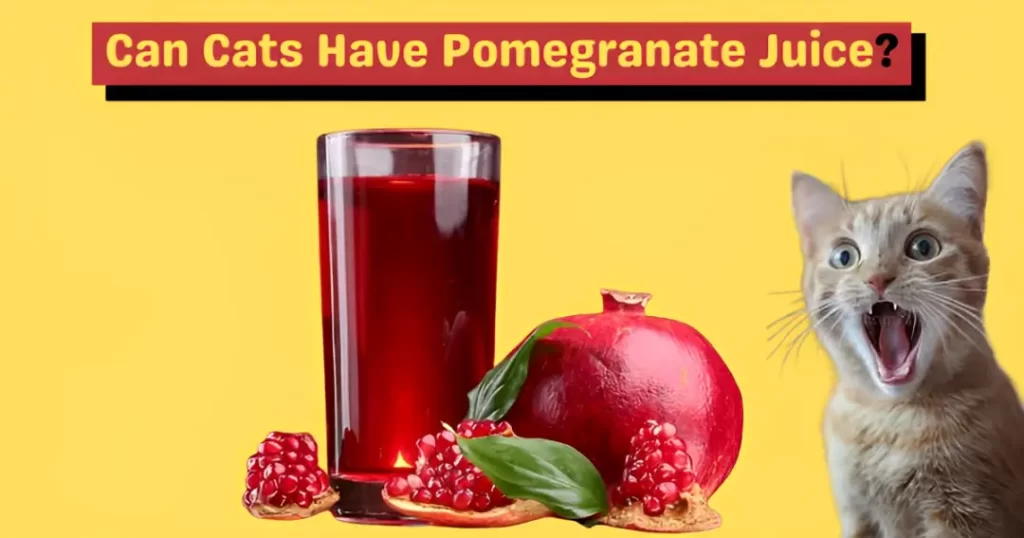
While pomegranate juice is a popular health drink for humans, it is not suitable for cats. This juice contains concentrated levels of tannins, acids, and other compounds found in the fruit that can be harsh on a cat’s delicate digestive system. Unlike humans, cats are obligate carnivores, and their bodies are not designed to process sugary or acidic fruit juices. Feeding pomegranate juice to your cat can lead to digestive upset, including vomiting and diarrhea, and may even cause more serious health complications over time.
Expert Advice from Spot: The Cost of Dietary Mistakes
Sharing human foods with pets can sometimes have costly consequences. According to internal data from Spot, a leading pet insurance provider, claims related to dietary indiscretions average around $642*, underscoring how important it is to avoid risky foods like pomegranate juice. Prioritizing your cat’s health by sticking to veterinarian-approved diets is always the safest choice.
In summary, while it might be tempting to share a refreshing sip of your pomegranate juice, it’s best to keep this acidic drink away from your feline friend to ensure their well-being and happiness.
Are Pomegranates Toxic to Cats? What Every Cat Owner Should Know
Pomegranates are not classified as highly toxic to cats, but they are far from an ideal treat for your feline companion. The seeds and juicy arils of pomegranates contain compounds that can be challenging for a cat’s digestive system to handle. Consumption of these parts may result in gastrointestinal discomfort, including symptoms like vomiting and diarrhea.
Although pomegranates are unlikely to cause severe poisoning or life-threatening conditions, feeding your cat human foods like this is generally discouraged. Cats are obligate carnivores, meaning their nutritional needs are best met through a diet rich in animal-based proteins. To keep your cat healthy and happy, it’s safest to avoid pomegranates and stick to vet-approved cat foods designed specifically for their unique dietary requirements
Safe Fruits Cats Can Enjoy as Occasional Treats
While cats are obligate carnivores and don’t require fruit in their diet, offering small amounts of certain fruits can be a healthy, enjoyable treat, making up no more than 2% of their overall intake. Safe fruits that many cats may enjoy include crisp apple slices (without seeds), soft bananas, antioxidant-rich berries, juicy cantaloupe, sweet mango chunks, and refreshing watermelon. These fruits provide hydration, vitamins, and fiber, but should always be given in moderation to avoid digestive upset. Always introduce any new fruit slowly and monitor your cat for any adverse reactions to keep their snack time both safe and satisfying.
Wrapping Up: Should Cats Eat Pomegranate?
While pomegranates offer numerous health benefits for humans, their role in a cat’s diet is far more limited and cautious. Pomegranates are not toxic to cats and can provide vitamins, antioxidants, fiber, and extra hydration, especially during warm weather. However, the risks associated with feeding pomegranate to cats often outweigh the benefits. The seeds pose a choking hazard, and the fruit’s high sugar content and certain compounds can lead to digestive upset, including vomiting, diarrhea, or more serious issues like kidney or bladder stones if consumed excessively.
Cats are obligate carnivores, meaning their nutrition primarily depends on animal proteins. Fruits like pomegranate should only be offered occasionally and in very small amounts, if at all. Always introduce any new food gradually, observing your cat for any adverse reactions before increasing the portion. Remember, fruits should never replace a cat’s balanced, meat-based diet.
In summary, while an occasional tiny taste of pomegranate is unlikely to harm your feline companion, it is generally safer to stick with cat-approved treats and foods. If you want to diversify your cat’s snack options, fruits like apples, bananas, and berries, offered sparingly, are better alternatives.
Frequently Asked Questions (FAQs) About Cats and Pomegranates
Can cats eat pomegranate seeds safely?
No, pomegranate seeds pose a choking risk and can irritate a cat’s digestive system, so it’s best to avoid feeding them to your cat.
Is pomegranate juice suitable for cats?
Pomegranate juice is not recommended because it contains concentrated acids and sugars that may cause digestive discomfort in cats.
What potential health risks come with feeding pomegranate to cats?
Pomegranates contain compounds like tannins and oxalates that can upset your cat’s stomach, cause diarrhea, or even affect kidney health if consumed in large amounts.
Are there any nutritional benefits of pomegranate for cats?
While pomegranates have antioxidants, vitamins, and fiber, cats derive minimal benefit due to their carnivorous digestive system, so any positive effects are limited.
Which fruits are safe for cats to eat occasionally?
Safe fruits in small amounts include peeled apples, bananas, blueberries, cantaloupe, and watermelon—always remove seeds or pits.
How often can cats have pomegranate as a treat?
If offered at all, pomegranate should be given very sparingly, in tiny quantities without seeds, and monitored closely for any adverse reactions.
Should fruit be a regular part of a cat’s diet?
No. Cats are obligate carnivores requiring meat-based nutrition. Fruits are only suitable as occasional treats, comprising a tiny fraction of their overall diet.
For More Visits: AnimalsInfo
Also Read: Can Cats Eat Cheetos? Risks, Alternatives & My scary story