

When it comes to canine nutrition, few homemade recipes have gained as much attention as satin balls for dogs. These protein-packed, calorie-dense treats have become a trusted solution for dog owners looking to help underweight or highly active dogs gain weight safely. But what exactly makes satin balls for dogs so popular, and are they safe for every pup? Let’s take a closer look.
What Are Satin Balls for Dogs?
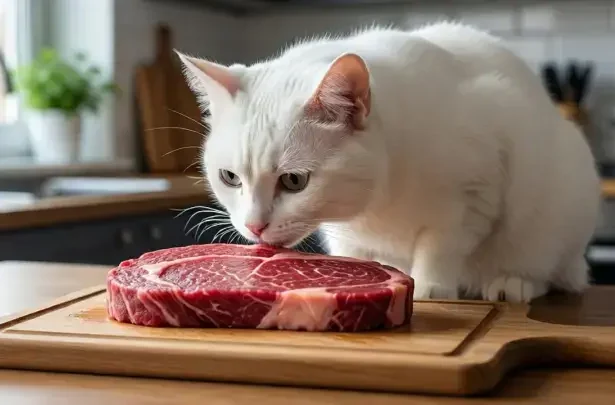
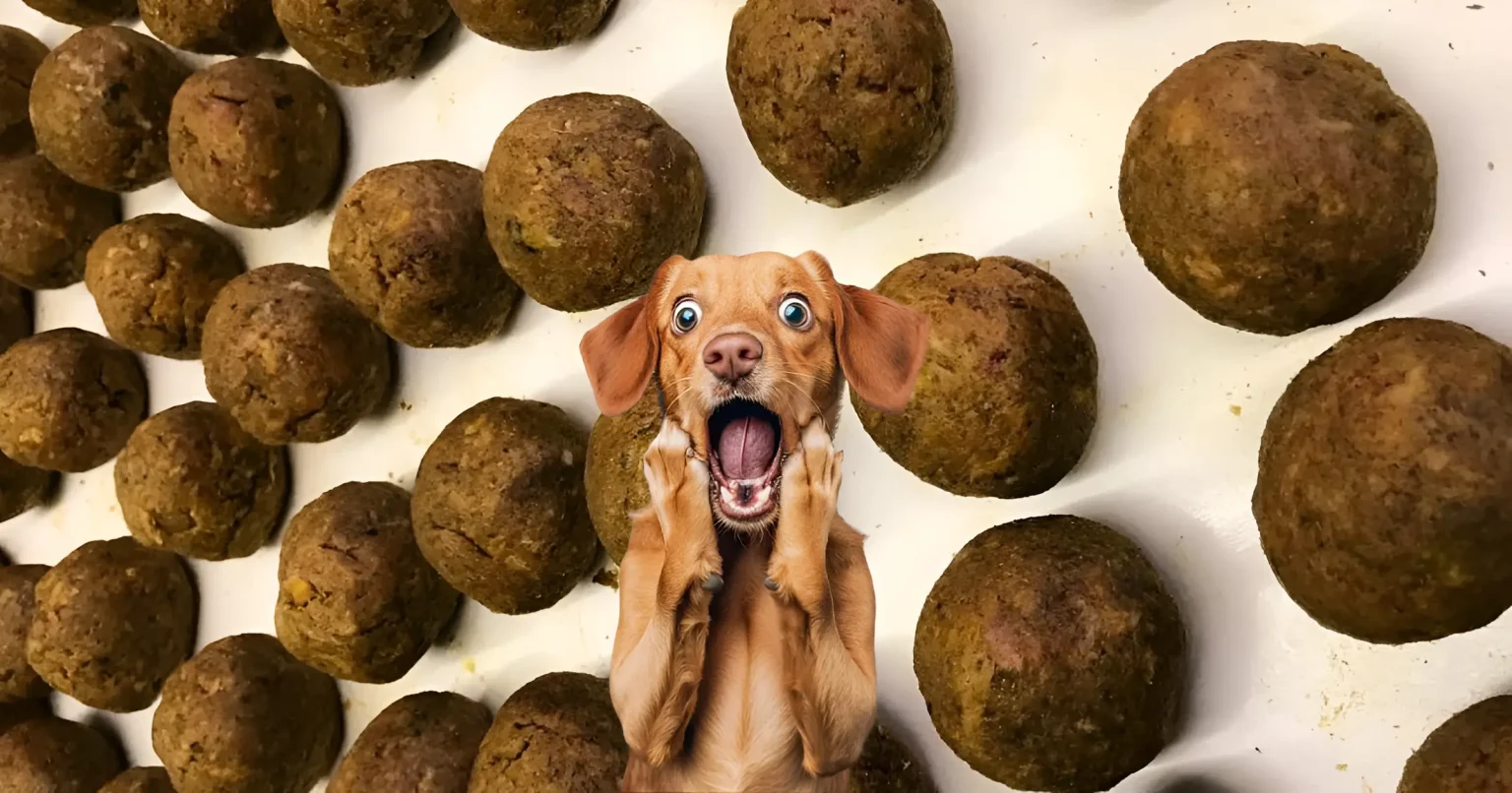
Satin balls for dogs are a high-fat, high-protein mixture made primarily of ground beef, eggs, oats, oil, and supplements such as wheat germ. Originally developed by breeders and trainers to help emaciated or show dogs gain weight quickly, the recipe has since become a go-to for pet parents who want a natural way to help their dogs bulk up.
These treats are not commercial dog food but rather a nutritional supplement that can complement a regular diet. Because they’re easy to make, digest, and store, many owners prepare large batches of satin balls for dogs to use as meal toppers or training rewards.
Why Are Satin Balls for Dogs So Effective?
The secret behind satin balls for dogs lies in their balanced nutritional density. Each ingredient serves a specific purpose:
- Ground beef supplies high-quality protein and fats to build muscle.
- Eggs contribute essential amino acids and healthy fats.
- Oats provide energy through carbohydrates.
- Wheat germ adds vitamins and minerals for coat and skin health.
- Molasses or oil enhances calorie content for healthy weight gain.
Because of this balanced combination, satin balls for dogs deliver more energy per serving than most store-bought dog treats.
When Should You Use Satin Balls for Dogs?
Not every dog needs satin balls. These treats are best suited for:
- Underweight dogs recovering from illness or neglect.
- Working or sporting dogs with high calorie demands.
- Picky eaters who refuse kibble but enjoy soft, meaty foods.
- Dogs needing muscle recovery after intense exercise or surgery.
However, if your dog is already at a healthy weight, feeding satin balls for dogs regularly may lead to unnecessary weight gain or digestive issues. Moderation and veterinary guidance are key.
How to Make Satin Balls for Dogs at Home
Making satin balls for dogs at home is easy and affordable. A classic recipe includes:
- 10 pounds ground beef (raw)
- 1 large box of oatmeal
- 10 eggs (with shells)
- 1 cup wheat germ
- 1 cup molasses
- 1 cup vegetable oil
Mix all ingredients in a large bowl until evenly combined, then roll them into small balls about the size of a golf ball. You can refrigerate or freeze satin balls for dogs for later use.
Many dog owners prefer smaller batches or substitute certain ingredients for healthier versions, such as using lean beef or coconut oil instead of vegetable oil.
How Often Should You Feed Satin Balls for Dogs?
The frequency depends on your dog’s size, breed, and health condition. For an underweight dog, you can start by feeding one satin ball per day, divided into two meals. Always monitor your dog’s weight and energy levels — once they reach a healthy weight, reduce or stop feeding satin balls for dogs to prevent obesity.
Puppies and small breeds should only receive tiny portions, as the recipe is calorie-dense. It’s always a good idea to consult your vet before introducing satin balls for dogs into your pet’s diet plan.
Are Satin Balls for Dogs Safe?
In general, satin balls for dogs are safe when used correctly. However, some precautions are necessary:
- Avoid spoiled or undercooked meat. Always use fresh, high-quality ground beef.
- Introduce gradually. Sudden dietary changes can cause diarrhea or gas.
- Skip if your dog has allergies. Some dogs react to eggs, oats, or beef.
- Monitor fat intake. Dogs prone to pancreatitis should not consume satin balls for dogs due to the high-fat content.
When stored properly in a refrigerator or freezer, they can last for weeks without losing freshness.
Benefits of Feeding Satin Balls for Dogs
The advantages of satin balls for dogs go beyond weight gain. Some of the biggest benefits include:
- Improved muscle mass and energy – The high protein and fat content supports strong muscles and stamina.
- Shinier coat and healthy skin – Thanks to oils, eggs, and wheat germ.
- Enhanced appetite – Dogs often find satin balls for dogs irresistible, which helps stimulate eating.
- Convenience – Easy to make in bulk and store.
For dogs that have trouble maintaining a healthy body condition, these benefits can make a noticeable difference in just a few weeks.
Potential Drawbacks of Satin Balls for Dogs
While satin balls for dogs are nutritious, they’re not perfect. Here are some possible downsides:
- Excess calories can cause obesity if overfed.
- Raw ingredients may pose bacterial risks if not handled properly.
- Imbalance – They are not complete dog food and shouldn’t replace a balanced diet long-term.
Always remember that satin balls for dogs are a supplement — not a substitute for proper veterinary nutrition.
Tips for Making Healthier Satin Balls for Dogs
If you want to make a lighter version of satin balls for dogs, try these tweaks:
- Use lean ground turkey or chicken instead of beef.
- Replace molasses with pumpkin puree for added fiber.
- Add ground flaxseed for omega-3 fatty acids.
- Bake the balls briefly to eliminate bacteria while keeping nutrients intact.
These modifications can reduce fat without compromising the taste your dog loves.
How Long Does It Take for Satin Balls for Dogs to Work?
Most owners notice visible weight gain within two to four weeks of regular feeding. However, the results depend on your dog’s metabolism, exercise routine, and portion sizes. Keep a weekly weight log to track progress. Once your dog reaches a healthy weight, slowly transition back to their normal diet while maintaining satin balls for dogs as occasional treats.
Homemade vs. Store-Bought Options
While satin balls for dogs are typically homemade, some pet food brands now sell pre-made mixes. However, homemade versions remain superior because:
- You control ingredient quality.
- You can adjust portions for your dog’s needs.
- No preservatives or artificial additives are included.
For budget-conscious owners, homemade satin balls for dogs are the more natural, customizable, and cost-effective choice.
Frequently Asked Questions (FAQs)
Q1: Can puppies eat satin balls for dogs?
Yes, but in very small portions. Puppies need a balanced diet, and satin balls for dogs should only be a supplement under veterinary supervision.
Q2: Can I cook satin balls for dogs?
Yes. Lightly baking them can kill harmful bacteria without removing most nutrients. Some dogs prefer the texture of cooked satin balls for dogs.
Q3: How long can satin balls for dogs be stored?
In the refrigerator, up to 5 days. In the freezer, up to 3 months.
Q4: Can diabetic dogs eat satin balls for dogs?
Not recommended, as molasses and fat content can disrupt blood sugar levels.
Q5: Can I feed satin balls for dogs daily?
Yes, but only until your dog reaches the desired weight. Then, reduce frequency to prevent excess fat gain.
Final Thoughts
Satin balls for dogs have earned their place as a powerful, natural tool for helping dogs gain weight, recover strength, and improve overall health. When made with care and fed responsibly, they can transform an underweight or picky eater into a thriving, energetic companion.
Always consult your vet before making significant changes to your dog’s diet, and remember: moderation is key. Used wisely, satin balls for dogs can be one of the most effective and rewarding homemade recipes you ever introduce to your furry friend’s life.
For More Visits: Animalsinfo
Also Read: Can Dogs Eat Cream Cheese – Safe 2025 Expert Guide