

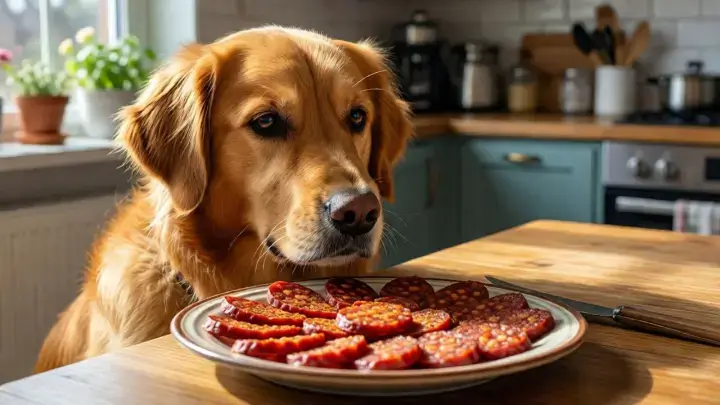
Dogs are notorious for their curiosity when it comes to human food. Many pet owners have found their furry companions eyeing meals with anticipation, especially when it comes to flavorful meats like chorizo. Chorizo, a spicy, seasoned sausage originating from Spain and Mexico, is beloved by humans for its bold taste and aroma. But the question arises: can dogs have chorizo? Is it a treat they can occasionally enjoy, or does it pose health risks? Understanding the composition of chorizo, its effects on dogs, and safer alternatives is essential for responsible pet ownership.
What is Chorizo?
Chorizo is a type of sausage made primarily from pork, although beef or a mixture of meats may be used. It is heavily seasoned with spices such as paprika, chili, garlic, and sometimes onions. The sausage can be sold fresh, cured, or smoked, depending on the region and preparation style.
The bold flavors that make chorizo appealing to humans, such as its spiciness and garlic content, are exactly what make it problematic for dogs. While dogs can enjoy plain meats safely, the additional seasonings, salts, and fats in chorizo introduce several risks.
Nutritional Content of Chorizo
Chorizo is high in protein and fat, which are generally beneficial nutrients for dogs when sourced from plain, unseasoned meats. However, the seasoning, high salt content, and preservatives present in commercial chorizo make it unsafe in most cases.
- Protein: Supports muscle maintenance and overall health.
- Fat: Provides energy but can cause digestive upset if excessive.
- Sodium: Extremely high in chorizo, dangerous for dogs in even small amounts.
- Spices and Additives: Ingredients such as garlic, chili, and paprika are toxic or irritating to dogs.
This combination of high fat, sodium, and toxic spices means that feeding chorizo to dogs is risky and generally not recommended.
Can Dogs Safely Eat Chorizo?
The short answer is: no, dogs should not eat chorizo. Even a small amount can be harmful due to the following factors:
1. Spices and Seasonings
Chorizo contains spices like chili, paprika, and garlic, all of which can irritate a dog’s stomach or, in the case of garlic, cause anemia by damaging red blood cells. Dogs’ bodies are not equipped to process these seasonings, making even a tiny piece unsafe.
2. High Salt Content
Salt is necessary in small amounts for dogs, but chorizo contains excessive sodium levels. Ingesting salty foods can lead to dehydration, kidney stress, or sodium poisoning, especially in smaller breeds.
3. High Fat Content
Chorizo is rich in fat, which can upset a dog’s digestive system. Overconsumption may lead to vomiting, diarrhea, or, in severe cases, pancreatitis—a life-threatening inflammation of the pancreas. Dogs prone to obesity or with preexisting digestive issues are particularly vulnerable.
4. Preservatives and Additives
Commercial chorizo often contains nitrates, nitrites, and other chemical preservatives. These chemicals can be toxic to dogs over time, and feeding them processed meats regularly is strongly discouraged.
Occasional Risk vs. Regular Consumption
While it may seem harmless to share a tiny morsel of chorizo with your dog, it is important to understand the risks:
- Occasional accidental ingestion may not always cause severe harm, but it should be monitored closely. Watch for vomiting, diarrhea, lethargy, or signs of stomach pain.
- Regular consumption is unsafe and can lead to serious long-term health issues, including pancreatitis, kidney strain, obesity, and anemia.
Symptoms of Chorizo Toxicity in Dogs
If a dog consumes chorizo, especially in moderate to large amounts, it may display symptoms such as:
- Vomiting or diarrhea
- Abdominal pain or bloating
- Lethargy or weakness
- Excessive thirst or urination
- Tremors (in severe cases of sodium or spice toxicity)
- Pale gums or signs of anemia (due to garlic ingestion)
Immediate veterinary attention is recommended if any of these symptoms occur after chorizo ingestion.
Safe Alternatives to Chorizo
If you want to treat your dog to a meaty snack without the risks, there are several safe alternatives:
- Plain Cooked Pork or Beef: Boiled or grilled without seasoning, fat trimmed.
- Chicken or Turkey: Excellent low-fat protein sources.
- Dog-Specific Sausages: Available in pet stores, formulated without spices or harmful additives.
- Freeze-Dried or Dehydrated Meats: Safe, high-protein treats that provide flavor without seasoning risks.
These alternatives allow dogs to enjoy the taste of meat safely without exposure to toxic ingredients.
Homemade Sausage for Dogs
If you want to mimic the taste of sausage safely:
- Use plain, lean meats such as chicken or turkey.
- Avoid adding garlic, onions, chili, or excess salt.
- Bake or boil small portions and cut them into dog-appropriate sizes.
- Optionally, add dog-safe herbs like parsley for flavor.
Homemade options allow you to control the ingredients while giving your dog a special treat.
Considerations for Special Health Conditions
Certain dogs should avoid any rich meats like chorizo, even in small amounts:
- Obesity: High-fat foods can worsen weight problems.
- Pancreatitis-prone dogs: Rich meats can trigger inflammation.
- Kidney or heart issues: High sodium content can be harmful.
- Digestive sensitivity: Dogs with sensitive stomachs may experience immediate upset.
Always consult your veterinarian if you are unsure whether a treat is safe for your dog.
FAQs About Dogs and Chorizo
1. Can dogs eat small amounts of chorizo?
Even a small amount is not recommended due to spices, high fat, and sodium content.
2. What makes chorizo dangerous for dogs?
Garlic, chili, paprika, high fat, and salt content are the main risks.
3. Can chorizo cause pancreatitis in dogs?
Yes, the high fat content in chorizo can trigger pancreatitis, a serious medical emergency.
4. What should I do if my dog eats chorizo?
Monitor your dog for vomiting, diarrhea, or lethargy, and contact a veterinarian immediately, especially if they consumed a large portion.
5. Are there dog-safe sausages?
Yes, many pet stores offer sausages made specifically for dogs, free from harmful spices and additives.
6. Can chorizo cause anemia in dogs?
Yes, the garlic in chorizo can damage red blood cells and lead to anemia over time.
7. Is homemade chorizo safe for dogs?
Only if it is made with plain meat, no seasonings, and limited fat content. Traditional chorizo recipes with spices are unsafe.
8. How can I treat my dog to a sausage safely?
Offer plain, cooked lean meat cut into small pieces, or use dog-specific sausage treats.
Conclusion-Can dogs have chorizo
In conclusion, dogs should not eat chorizo due to the combination of harmful spices, high fat, excessive sodium, and preservatives. Even small amounts can pose health risks, and regular consumption is strongly discouraged. While the protein content may seem beneficial, the dangers far outweigh any potential benefit.
Safer alternatives include plain cooked meats, dog-formulated sausages, or homemade treats using unseasoned meats. By avoiding human chorizo and focusing on safe, nutrient-rich options, you can ensure your dog enjoys treats without compromising their health.
Understanding which human foods are unsafe is crucial for responsible pet ownership. Chorizo may smell delicious, but it is far too risky to share with your furry companion. Choosing safe alternatives ensures your dog remains healthy, happy, and free from unnecessary medical complications.
Ultimately, while sharing is a natural expression of love, dogs’ dietary needs are very different from humans, and foods like chorizo belong strictly on the human plate.
For More Visits: Animalsinfo
Also Read: Can Cats Eat Ramen Noodles? 7 Safe Tips 2026