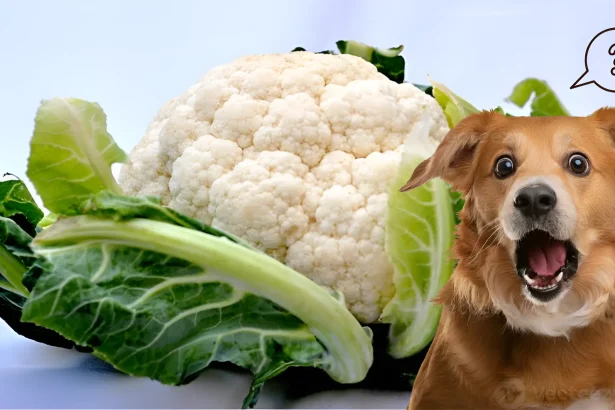



Many dog owners aim to provide their pets with a varied and nutritious diet. Vegetables are often recommended for their fiber, vitamins, and minerals. One leafy green that may come to mind is collard greens. Known for their robust nutrient profile, collard greens are a staple in human diets, but can dogs safely consume them? Are collard greens good for dogs, and if so, how should they be prepared and fed?
This comprehensive guide explores everything you need to know about feeding collard greens to your dog, including their nutritional benefits, potential risks, preparation tips, recommended portions, and frequently asked questions.
Can Dogs Eat Collard Greens?
Yes, dogs can eat collard greens in moderation. These leafy greens are non-toxic and contain several nutrients beneficial for dogs. However, like any human food, collard greens should be introduced carefully, served plain, and offered in appropriate amounts.
Collard greens contain high amounts of fiber and certain compounds that, if consumed in large quantities, can interfere with digestion. Therefore, moderation and proper preparation are key to ensuring your dog benefits from this vegetable without adverse effects.
Nutritional Profile of Collard Greens
Collard greens are highly nutritious and can contribute positively to a dog’s diet when prepared correctly.
Vitamins
Collard greens are rich in vitamins that support overall health:
- Vitamin A: Supports vision, immune function, and skin health.
- Vitamin K: Essential for blood clotting and bone health.
- Vitamin C: Supports the immune system and tissue repair.
- Vitamin B6: Important for metabolism and brain function.
Minerals
Collard greens also provide key minerals:
- Calcium: Supports strong bones and teeth.
- Iron: Important for red blood cell production.
- Magnesium: Helps with muscle and nerve function.
- Potassium: Maintains fluid balance and supports heart health.
Fiber Content
The fiber in collard greens aids in digestion and promotes a healthy gut. It can help regulate bowel movements and reduce constipation in dogs. However, excessive fiber may cause bloating or diarrhea, especially in dogs not accustomed to high-fiber foods.
Health Benefits of Collard Greens for Dogs
Feeding collard greens in moderation can offer several benefits:
Supports Digestive Health
The fiber in collard greens can help maintain a healthy digestive system, preventing constipation and promoting regular bowel movements.
Supports Bone Health
With vitamins K and minerals like calcium, collard greens can contribute to maintaining strong bones, particularly for growing puppies or senior dogs.
Boosts Immune System
Vitamins A and C in collard greens play a role in supporting the immune system, helping dogs fight infections and maintain overall health.
Promotes Heart Health
Potassium and magnesium contribute to cardiovascular health, helping regulate blood pressure and support heart function.
A Low-Calorie Snack
For dogs that need to maintain a healthy weight, collard greens provide nutrients without adding excess calories, making them a beneficial snack option.
Risks and Considerations When Feeding Collard Greens to Dogs
While collard greens are generally safe, there are some considerations and risks to keep in mind:
Digestive Upset
Introducing too much collard greens too quickly can cause digestive issues like bloating, gas, or diarrhea. It’s important to start with small amounts and monitor your dog’s response.
Oxalates
Collard greens contain oxalates, which in excessive amounts can contribute to the formation of kidney stones in dogs. Feeding collard greens occasionally and in moderation reduces this risk.
Goitrogens
Raw collard greens contain goitrogens, compounds that can interfere with thyroid function if fed in large quantities. Cooking collard greens significantly reduces goitrogen content, making them safer for dogs.
Choking Hazard
Large leaves or tough stems may pose a choking risk, especially for small dogs. Always chop or cook collard greens to make them easier to chew and digest.
How to Prepare Collard Greens for Dogs
Proper preparation ensures that your dog can safely enjoy collard greens:
- Wash Thoroughly: Remove dirt and potential pesticides.
- Remove Tough Stems: Stems can be hard to digest and may cause choking.
- Cook Lightly: Steaming or boiling collard greens makes them easier to digest and reduces goitrogens. Avoid adding oil, butter, salt, or seasonings.
- Cut Into Small Pieces: Chop cooked leaves into bite-sized portions to prevent choking.
- Serve Plain: Avoid mixing with sauces, garlic, onions, or spices that are toxic to dogs.
How Much Collard Greens Can Dogs Eat?
Collard greens should only be offered as a small portion of a dog’s overall diet. Treats, including vegetables, should not exceed 10% of daily caloric intake.
- Small dogs: A teaspoon or two of cooked collard greens once or twice a week.
- Medium dogs: One to two tablespoons of cooked collard greens a few times a week.
- Large dogs: Up to a quarter cup of cooked collard greens occasionally.
Start with small amounts and gradually increase if your dog tolerates them well.
Can Puppies Eat Collard Greens?
Yes, puppies can eat collard greens in moderation. However, because puppies have developing digestive systems, it’s important to introduce new foods slowly and in small portions. Collard greens can provide fiber, vitamins, and minerals, but they should not replace a balanced puppy diet formulated for growth.
Can Dogs Eat Raw Collard Greens?
While dogs can technically eat raw collard greens, it is not recommended. Raw leaves contain goitrogens and may be harder to digest. Cooking collard greens reduces goitrogens, softens the leaves, and makes the nutrients more accessible.
Signs Your Dog Tolerates Collard Greens Well
After introducing collard greens, watch your dog for positive signs:
- Normal bowel movements
- No vomiting or gas
- Energetic and happy demeanor
- Interest in the vegetable without reluctance
If negative symptoms occur, reduce the portion or remove collard greens from the diet.
When to Avoid Feeding Collard Greens
Collard greens should be avoided or limited in certain situations:
- Dogs with kidney problems or a history of kidney stones
- Dogs with thyroid conditions if feeding raw greens
- Dogs with sensitive stomachs or digestive issues
- Dogs on prescription diets that restrict vegetables or fiber
Always consult a veterinarian if you are unsure about introducing collard greens.
Alternatives to Collard Greens
If your dog does not tolerate collard greens or you want to provide variety, other dog-friendly leafy greens include:
- Kale (in moderation and cooked)
- Spinach (cooked and in small amounts)
- Romaine lettuce (raw, plain)
- Swiss chard (cooked, small amounts)
Each offers vitamins and minerals similar to collard greens, but preparation and moderation remain crucial.
Common Mistakes Dog Owners Make
Many dog owners assume all leafy greens are equally safe. While most are safe in moderation, certain greens like raw kale or spinach have goitrogens that can affect thyroid function if fed in excess.
Another common mistake is overfeeding vegetables. Too much fiber can cause diarrhea, bloating, or gas. Dogs need a balanced diet primarily from high-quality dog food, with vegetables as occasional supplements.
Frequently Asked Questions (FAQs)
Are collard greens safe for dogs every day?
Feeding collard greens daily is not necessary. Occasional servings a few times per week are sufficient to provide nutrients without overloading fiber or oxalates.
Can dogs eat raw collard greens?
Raw collard greens are harder to digest and contain goitrogens. Cooked greens are safer and easier for dogs to digest.
Can collard greens cause gas in dogs?
Yes, sudden introduction or large amounts can cause gas or bloating. Start with small portions and observe your dog’s tolerance.
Are collard greens better than other vegetables for dogs?
Collard greens are nutritious, but other vegetables like carrots, pumpkin, or green beans may be easier to digest and more widely tolerated.
Can puppies eat collard greens?
Yes, in small portions and cooked, collard greens can provide fiber and nutrients, but they should never replace a puppy’s complete diet.
Can dogs eat collard green stems?
Stems are tough and may be a choking hazard. Only feed the soft leaves, chopped or cooked.
How should collard greens be served to dogs?
Cooked, plain, and chopped into small pieces is the safest and most digestible form. Avoid seasoning, oils, or toxic additives.
Final Thoughts-Are collard greens good for dogs
So, are collard greens good for dogs? The answer is yes, but with important caveats. Collard greens are nutrient-rich, offering vitamins, minerals, and fiber that can benefit your dog when fed in moderation. Cooking the greens and serving them plain ensures safety and enhances digestibility.
Moderation is key, as overfeeding collard greens or serving them raw can lead to digestive upset, thyroid interference, or other health concerns. Dogs with certain medical conditions should avoid collard greens unless approved by a veterinarian.
By paying attention to portion sizes, preparation methods, and your dog’s response, collard greens can be a healthy, occasional addition to their diet. Introducing vegetables like collard greens thoughtfully not only supports health but can also add variety and enrichment to your dog’s meals.
With proper care, collard greens can be a safe, nutritious, and enjoyable treat for dogs of all ages, helping them thrive alongside a balanced and wholesome diet.
For More Visits: Animalsinfo