


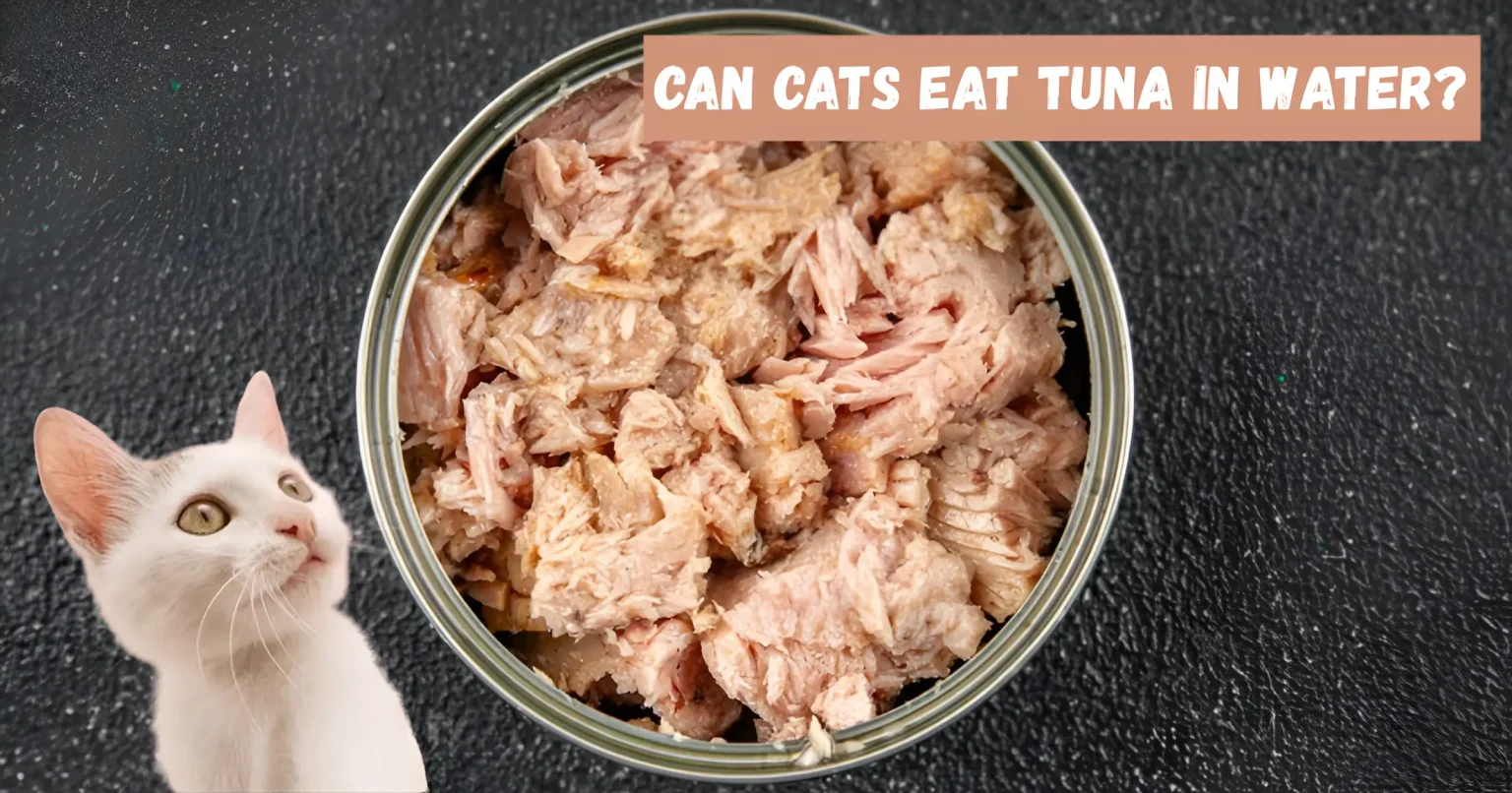
Cats and tuna often seem like a perfect match. The smell alone can make even the pickiest feline come running. Many cat owners wonder whether tuna in water is actually safe or healthy for their pets, or if it should only be an occasional indulgence. This topic goes deeper than a simple yes or no, because a cat’s nutritional needs are very specific, and even foods they love can have hidden risks.
Can cats eat tuna in water? This guide explores everything you need to know about feeding tuna in water to cats, including benefits, risks, proper serving methods, and how to make the best choices for your pet’s health.
Understanding a Cat’s Natural Diet – Can cats eat tuna in water?
To understand whether tuna is appropriate, it helps to first look at what cats are designed to eat. Cats are obligate carnivores, meaning their bodies rely on nutrients found only in animal-based proteins. In the wild, they hunt small prey such as birds, rodents, and insects. These prey provide a balanced mix of protein, fat, vitamins, and minerals.
Tuna, being a fish, does fall into the category of animal protein. However, the nutritional balance of tuna alone does not match what a cat would naturally consume. While it may seem like a good substitute, relying on tuna too heavily can create nutritional gaps.
Is Tuna in Water Safe for Cats?
Tuna in water is generally safe for cats when given in moderation. It is far better than tuna packed in oil, as oil can cause digestive issues and unnecessary weight gain. Tuna in water is lighter and easier for cats to process.
That said, safety depends heavily on portion size and frequency. Feeding small amounts occasionally is unlikely to cause harm. Problems begin when tuna becomes a regular or primary part of a cat’s diet.
Nutritional Benefits of Tuna for Cats
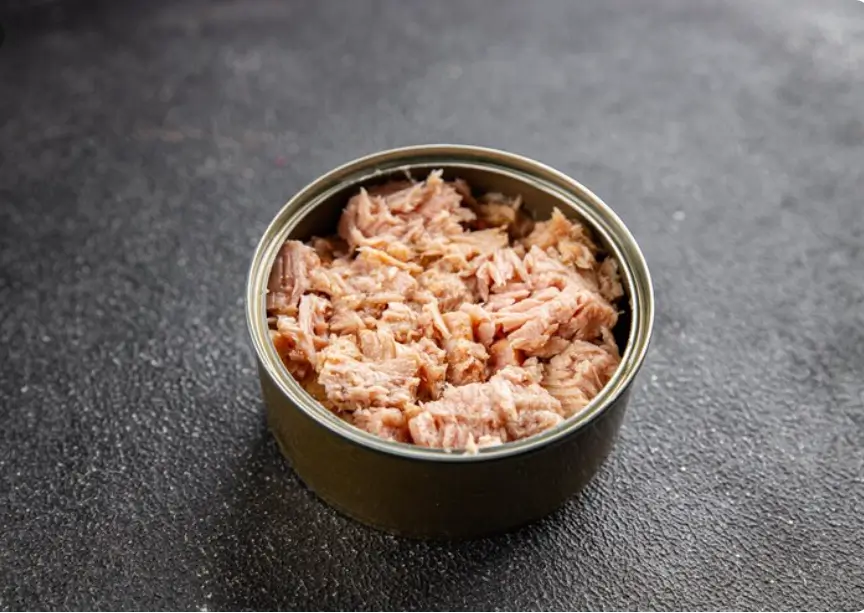
Tuna does offer some nutritional advantages that make it appealing as an occasional treat.
High-Quality Protein
Tuna is rich in protein, which supports muscle development and overall health. Since cats require a high-protein diet, this aspect of tuna aligns well with their needs.
Omega-3 Fatty Acids
Tuna contains omega-3 fatty acids, which can support skin health, reduce inflammation, and contribute to a shiny coat. Some cats with dry skin or dull fur may benefit slightly from these nutrients.
Strong Aroma and Taste
While not a nutritional benefit in the traditional sense, tuna’s smell can be useful for encouraging cats to eat. It can help stimulate appetite in cats that are ill, recovering, or simply picky.
Risks of Feeding Tuna to Cats
Despite its benefits, tuna comes with several risks that should not be ignored. These risks are the main reason veterinarians recommend limiting its use.
Mercury Exposure
Tuna is a larger fish, and larger fish tend to accumulate mercury over time. While a small amount won’t harm your cat, frequent consumption can lead to mercury buildup, which may affect the nervous system.
Nutritional Imbalance
Tuna alone does not provide all the essential nutrients cats need. For example, it lacks sufficient levels of certain vitamins and minerals, including vitamin E. Feeding tuna regularly instead of balanced cat food can lead to deficiencies.
Risk of Addiction
Cats can become strongly attached to tuna due to its taste and smell. Once this happens, they may refuse their regular food, which is nutritionally complete. This can quickly turn into a long-term feeding problem.
Digestive Issues
Too much tuna can upset a cat’s stomach. Some cats may experience diarrhea or vomiting if they consume more than their system can handle.
Tuna in Water vs. Tuna in Oil
Not all tuna is the same, and the type you choose matters significantly.
Tuna in water is the safer option because it contains fewer unnecessary fats and is less likely to upset your cat’s digestive system. On the other hand, tuna in oil can be heavy and may lead to gastrointestinal discomfort or weight gain.
If you ever decide to offer tuna, always choose the version packed in water and ensure it contains no added salt, spices, or flavorings.
How Much Tuna Can Cats Eat?
Moderation is key. Tuna should never replace a balanced commercial cat food that is specifically designed to meet feline nutritional requirements.
A small spoonful once or twice a week is generally safe for most cats. This keeps the treat aspect intact while avoiding the risks associated with overfeeding.
Portion control also depends on your cat’s size, age, and health condition. Kittens, senior cats, and cats with medical issues may require stricter limits.
Best Ways to Serve Tuna to Cats
If you decide to give tuna to your cat, the way you prepare and serve it makes a difference.
Start by draining the water thoroughly. While the water itself is not harmful, removing excess liquid helps prevent mess and ensures you are controlling portion size more accurately.
Serve the tuna plain. Avoid adding salt, sauces, or seasonings, as these can be harmful to cats. Even small amounts of seasoning that are harmless to humans can be dangerous for pets.
Mixing a small amount of tuna with your cat’s regular food can be a good strategy. This allows your cat to enjoy the flavor without relying on tuna as a primary food source.
Can Cats Eat Tuna Every Day?
Feeding tuna every day is not recommended. While it might seem harmless at first, daily consumption increases the risk of nutritional deficiencies and mercury exposure.
Cats need a balanced diet that includes specific nutrients such as taurine, which is essential for heart and eye health. Tuna alone does not provide these nutrients in the right amounts.
Daily tuna feeding can also reinforce picky eating habits, making it difficult to maintain a healthy diet in the long run.
Signs Your Cat Is Eating Too Much Tuna
It is important to monitor your cat for any signs that their tuna intake may be excessive.
Behavioral changes, such as refusing regular food, are often the first indicator. Physical symptoms can include digestive upset, lethargy, or changes in coat quality.
If you notice any unusual symptoms, reducing or eliminating tuna from the diet is a good first step. Persistent issues should be discussed with a veterinarian.
Healthier Alternatives to Tuna
If your goal is to give your cat a treat or add variety to their diet, there are safer options available.
Commercial cat treats are specifically formulated to meet feline nutritional needs. These are often a better choice than human food.
Cooked chicken or turkey, served plain and without seasoning, can also be a safer alternative. These options provide protein without the risks associated with mercury.
Special Considerations for Kittens and Senior Cats
Kittens and older cats have unique dietary needs that require extra care.
Kittens need a diet rich in nutrients to support growth and development. Introducing tuna too early or too frequently can interfere with their nutritional balance.
Senior cats may have underlying health conditions that make them more sensitive to dietary changes. For these cats, even occasional treats should be given cautiously.
Final Thoughts
Tuna in water can be a safe and enjoyable treat for cats when offered in moderation. Its high protein content and appealing taste make it a tempting option, but it should never replace a balanced diet.
The key is to treat tuna as an occasional addition rather than a staple. By doing so, you can allow your cat to enjoy the flavor without exposing them to unnecessary health risks.
A thoughtful approach to feeding ensures your cat stays healthy, satisfied, and well-nourished over the long term.
Frequently Asked Questions (FAQs)
Can cats eat canned tuna in water every day?
No, cats should not eat tuna every day. Regular consumption can lead to nutritional imbalances and increase the risk of mercury exposure.
Is tuna water safe for cats to drink?
A small amount of tuna water is generally safe, but it should not replace fresh drinking water. Always ensure your cat has access to clean water at all times.
Can kittens eat tuna in water?
Kittens can have very small amounts occasionally, but it is best to focus on a complete and balanced kitten diet to support proper growth.
What type of tuna is best for cats?
Tuna packed in water without added salt or seasoning is the safest option. Avoid tuna in oil or flavored varieties.
Why do cats love tuna so much?
Cats are attracted to the strong smell and rich taste of tuna. Its aroma stimulates their appetite, making it especially appealing.
Can tuna cause health problems in cats?
Yes, excessive tuna consumption can lead to issues such as mercury buildup, nutritional deficiencies, and digestive problems.
How often can I give my cat tuna?
Once or twice a week in small portions is generally safe for most healthy cats.
For More Visits: Animalsinfo
Also Read: Can Dogs Eat Hearts of Palm? Vet-Backed Safety & Advice