

As a dog owner, you may often wonder if the vegetables you eat can also be safely shared with your pet. One vegetable that raises questions is bok choy. This leafy green is popular in Asian cuisine, packed with vitamins and minerals for humans, but is it safe for dogs?
Can dogs eat bok choy? The answer is not as simple as “yes” or “no.” Dogs have unique dietary requirements, and foods that are nutritious for humans may not always be suitable for them. This guide provides a detailed overview of bok choy and its safety for dogs, including its potential benefits, risks, proper preparation, and what to do if your dog consumes it accidentally.
Understanding Bok Choy and Its Nutritional Profile
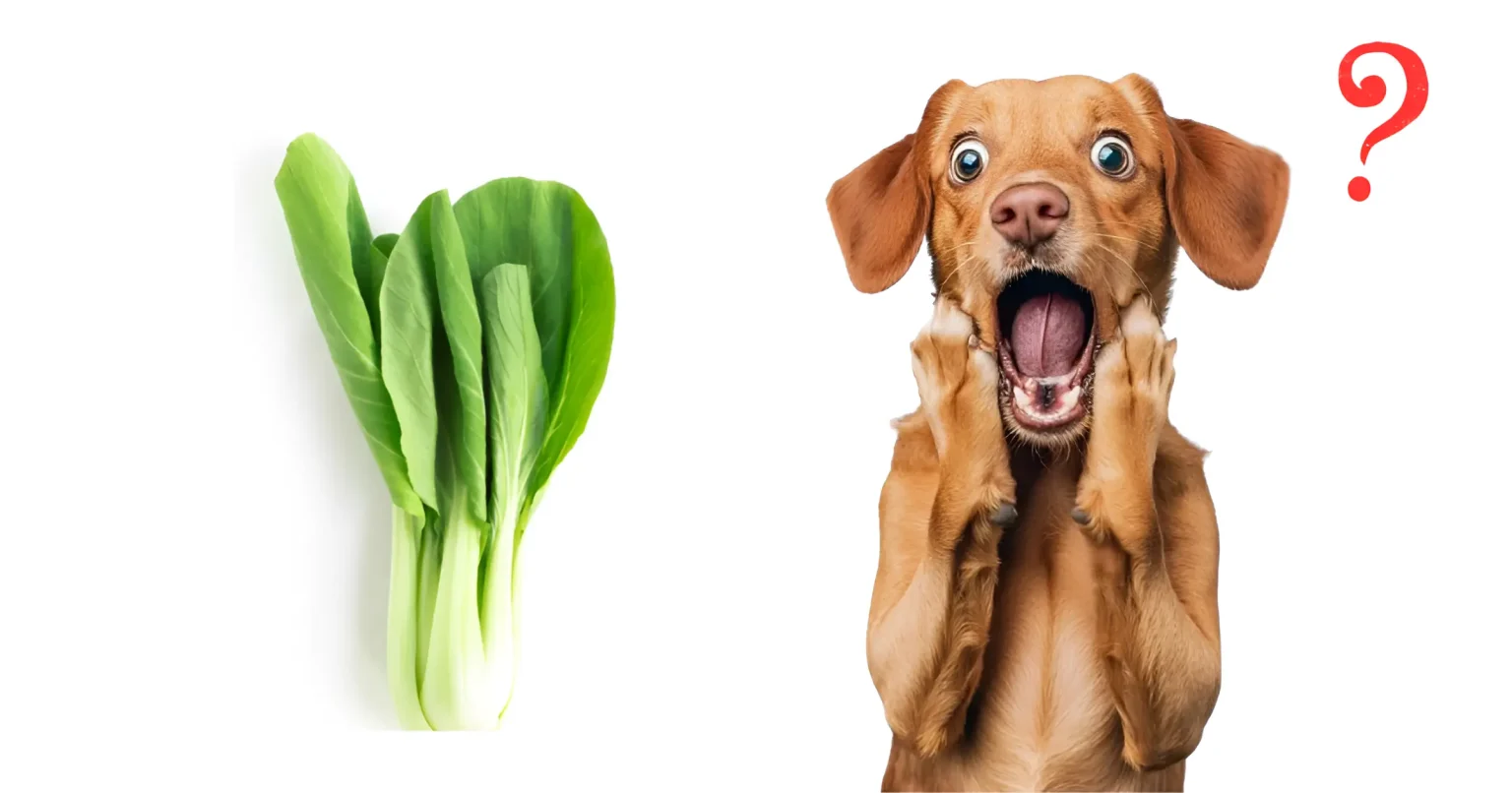
Bok choy, also known as Chinese cabbage, is a leafy green vegetable that belongs to the cruciferous family. It contains vitamins A, C, and K, as well as calcium, potassium, and folate. Humans often consume it for its antioxidant properties and its ability to support digestion and bone health.
For dogs, the nutritional value of bok choy is not essential but can be beneficial if given in moderation. While dogs primarily require protein and fat from animal sources, small amounts of vegetables can provide fiber, vitamins, and minerals to supplement their diet.
Can Dogs Eat Bok Choy Safely?
Yes, dogs can eat bok choy in small amounts when prepared properly. The vegetable is non-toxic and generally safe for canine consumption. Both the leaves and stalks of bok choy can be offered, but they should be washed thoroughly and cooked or steamed to aid digestion.
Raw bok choy can be difficult for some dogs to digest and may cause gas or bloating. Cooking it lightly preserves its nutrients while making it easier for your dog’s stomach to process.
Potential Health Benefits of Bok Choy for Dogs
Bok choy offers several nutrients that may support a dog’s overall health:
- Vitamins A and C – Support the immune system, vision, and skin health.
- Calcium – Supports bone and teeth strength.
- Potassium – Helps maintain proper muscle and nerve function.
- Fiber – Aids digestion and can help regulate bowel movements.
These benefits are supplementary. Dogs do not rely on vegetables to meet their nutritional needs, but adding small amounts of bok choy to a balanced diet can contribute to overall wellness.
Risks of Feeding Bok Choy to Dogs
Despite being safe, there are potential risks associated with feeding bok choy to dogs:
- Digestive Upset – Overfeeding can cause gas, bloating, or diarrhea.
- Thyroid Function – Bok choy contains compounds called goitrogens, which can interfere with thyroid hormone production if fed in large quantities. This is particularly important for dogs with pre-existing thyroid issues.
- Choking Hazard – Large, raw stalks may be difficult for dogs to chew and can pose a choking risk.
Moderation is key. Offering bok choy as an occasional supplement rather than a staple ensures safety and minimizes risk.
Raw vs Cooked Bok Choy for Dogs
When feeding bok choy to dogs, the preparation method matters:
- Raw Bok Choy – Can be given in very small, finely chopped amounts. Raw leaves and stalks are harder to digest and may cause mild gastrointestinal discomfort.
- Cooked Bok Choy – Steaming or boiling the vegetable is recommended. Cooking softens the fibers, making it easier for dogs to digest and absorb nutrients. Avoid adding salt, oil, garlic, or other seasonings.
Cooking bok choy slightly also reduces the potential impact of goitrogens while maintaining most of its nutritional value.
How Much Bok Choy Can Dogs Eat?
Portion size is important when offering bok choy. A few small pieces mixed into your dog’s regular meal are sufficient. Overfeeding can cause digestive upset and may negatively affect thyroid function if given regularly in large amounts.
For small dogs, 1–2 leaves per serving is usually enough. Medium to large dogs can tolerate slightly more, but it should still be an occasional treat, not a primary food source.
Can Puppies Eat Bok Choy?
Puppies have delicate digestive systems and require nutrient-dense diets for proper growth. While small amounts of cooked bok choy are generally safe for puppies, it should only be given occasionally. Introducing new foods too frequently can cause gastrointestinal upset in young dogs.
If you want to supplement your puppy’s diet, it is better to consult a veterinarian and ensure the vegetable does not replace protein or other essential nutrients in their meals.
Signs Your Dog May Have Eaten Too Much Bok Choy
Even though bok choy is safe in moderation, overconsumption can lead to digestive issues. Signs to watch for include:
- Vomiting
- Diarrhea or loose stools
- Gas and bloating
- Decreased appetite or lethargy
If your dog shows severe or persistent symptoms after eating bok choy, consult a veterinarian for advice.
Feeding Bok Choy Safely to Dogs
To safely include bok choy in your dog’s diet, follow these guidelines:
- Wash Thoroughly – Remove pesticides and dirt.
- Cook Lightly – Steam or boil without seasoning.
- Cut Into Small Pieces – Prevent choking hazards.
- Feed Occasionally – Treat as a supplement, not a staple.
- Monitor Your Dog – Watch for digestive upset after first introduction.
By following these steps, you can safely provide your dog with the benefits of bok choy while minimizing risks.
Common Misconceptions About Dogs and Vegetables
Some owners assume that if a vegetable is healthy for humans, it is automatically safe for dogs. This is not always true. While bok choy is generally safe, other cruciferous vegetables like raw cabbage, broccoli, or kale can cause gas or interfere with thyroid function if overfed.
Another misconception is that feeding vegetables improves nutrition significantly. While small amounts can add fiber and vitamins, dogs primarily require protein and fat from animal sources for optimal health.
Alternative Vegetables for Dogs
If you are looking to supplement your dog’s diet with vegetables, consider these safe options:
- Carrots – High in fiber and beta-carotene
- Green beans – Low-calorie and nutrient-rich
- Pumpkin – Good for digestion
- Zucchini – Low in calories and easy to digest
These vegetables are generally well-tolerated and easier to incorporate than cruciferous greens like bok choy, especially for dogs with sensitive stomachs.
Final Thoughts on Can Dogs Eat Bok Choy
So, can dogs eat bok choy? Yes, dogs can safely eat bok choy in small amounts when it is properly prepared. The vegetable provides vitamins, minerals, and fiber but should only be offered as an occasional supplement. Avoid feeding large quantities, raw stalks, or seasoned bok choy to prevent digestive issues and other potential risks.
Moderation and proper preparation are key. When introduced carefully, bok choy can be a healthy addition to your dog’s diet without replacing essential nutrients from their regular food.
Frequently Asked Questions (FAQs)
Can dogs eat bok choy raw?
Yes, in very small, finely chopped amounts, but cooked bok choy is easier to digest and safer.
Is bok choy toxic to dogs?
No, bok choy is not toxic, but overfeeding or feeding raw large amounts can cause digestive upset.
Can puppies eat bok choy?
Small amounts of cooked bok choy are safe for puppies, but it should not replace protein or other essential nutrients.
How should I prepare bok choy for my dog?
Wash thoroughly, remove dirt and pesticides, and steam or boil without seasoning. Cut into small, manageable pieces.
How often can I feed bok choy to my dog?
Bok choy should be fed occasionally as a supplement, not as a daily staple. Once or twice a week in small amounts is sufficient.
For More Visits: Animalsinfo