

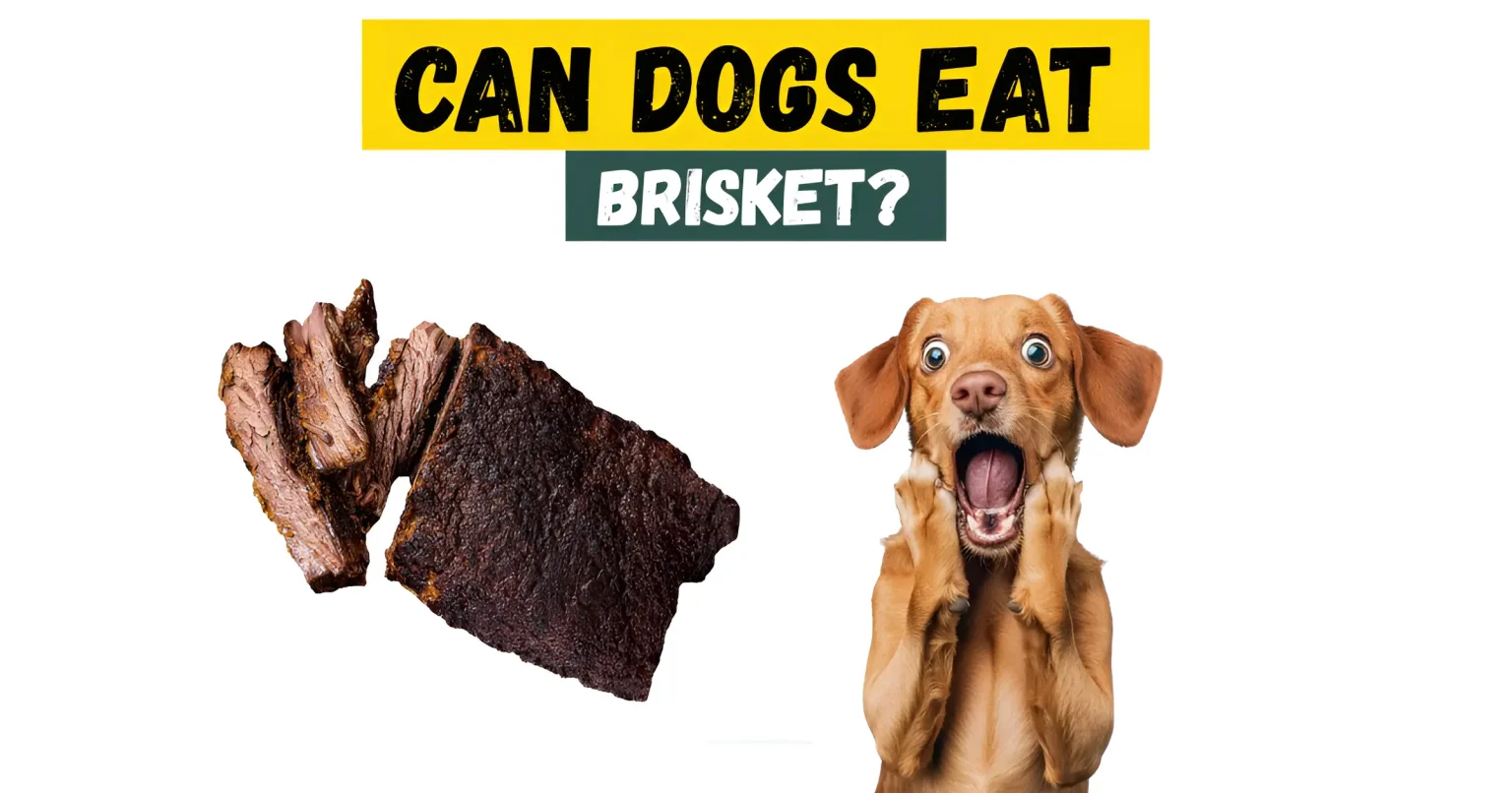
Brisket is a flavorful and tender cut of meat that many people enjoy, especially in barbecues and slow-cooked meals. If you’re a dog owner, it’s natural to wonder whether you can share this delicious dish with your furry companion. While dogs love meat, not all preparations are suitable for them. Brisket, in particular, raises several concerns due to how it is typically cooked and served.
Can dogs eat brisket? In this comprehensive guide, you’ll learn whether brisket is safe for dogs, what risks it may carry, how it should be prepared if given at all, and what better alternatives you can consider for your pet’s health.
What Is Brisket?
Brisket is a cut of beef taken from the lower chest of a cow. It is known for its rich flavor and tough texture, which becomes tender when cooked slowly over time. In most households and restaurants, brisket is prepared with heavy seasoning, marinades, sauces, and often smoked or barbecued.
While plain beef can be beneficial for dogs, brisket is rarely served in its plain form. This is where the concern begins.
Can Dogs Eat Brisket?
Yes, dogs can eat brisket, but only under very specific conditions. Plain, unseasoned, and properly cooked brisket in small portions is generally safe for dogs. However, the way brisket is usually prepared for human consumption makes it unsuitable for pets.
Most brisket dishes contain salt, spices, garlic, onion powder, sauces, and excess fat—all of which can be harmful to dogs. So while the meat itself is not toxic, the added ingredients can pose serious health risks.
This means you should never feed your dog brisket straight from your plate without checking how it was cooked.
Nutritional Value of Brisket for Dogs
Beef, including brisket, is a good source of protein, which is essential for muscle development, tissue repair, and overall energy. It also contains important nutrients like iron, zinc, and B vitamins.
However, brisket is also known for its high fat content. While dogs do need some fat in their diet, too much can lead to health issues such as obesity or digestive upset.
In small, controlled amounts, plain brisket can contribute to your dog’s protein intake. But due to its richness, it should never replace a balanced dog diet.
Risks of Feeding Brisket to Dogs
Even though brisket is not inherently toxic, there are several risks that make it a questionable choice for regular feeding.
One of the biggest concerns is fat content. Brisket is a fatty cut of meat, and consuming too much fat can lead to pancreatitis, a serious condition that affects the pancreas and can cause severe pain, vomiting, and lethargy.
Seasonings are another major issue. Ingredients like garlic and onions, which are commonly used in brisket recipes, are toxic to dogs and can damage their red blood cells.
Salt is also problematic. High sodium intake can lead to dehydration, increased thirst, and in severe cases, sodium ion poisoning.
Additionally, sauces such as barbecue sauce often contain sugar, preservatives, and spices that are not suitable for dogs.
There is also the risk of digestive upset. Rich, greasy foods can be difficult for dogs to process, leading to diarrhea or vomiting.
Can Dogs Eat Smoked or Barbecue Brisket?
Smoked or barbecue brisket is not recommended for dogs. These versions are typically loaded with spices, salt, marinades, and sauces that can be harmful.
Smoking also introduces compounds that may not be ideal for a dog’s digestive system. While a tiny bite may not cause immediate harm, regular or large consumption can lead to health issues over time.
If you’re hosting a barbecue, it’s best to keep brisket off your dog’s menu entirely.
How to Safely Feed Brisket to Dogs
If you choose to give brisket to your dog, it must be prepared in a safe and simple way. The meat should be plain, thoroughly cooked, and free from any seasoning, sauces, or additives.
All visible fat should be trimmed off to reduce the risk of digestive problems. The brisket should also be cut into small, manageable pieces to prevent choking.
It’s important to treat brisket as an occasional treat rather than a regular part of your dog’s diet. Even when prepared correctly, it should only be given in moderation.
How Much Brisket Can Dogs Eat?
The amount of brisket a dog can safely eat depends on their size, age, and overall health. Small dogs should only have tiny portions, while larger dogs can handle slightly more.
However, regardless of size, brisket should never make up more than a small percentage of your dog’s daily food intake. Too much can quickly lead to excess calorie consumption and digestive issues.
A good approach is to offer it occasionally as a special treat rather than a routine addition.
Signs Your Dog Should Not Eat Brisket
Some dogs may be more sensitive to fatty or rich foods than others. If your dog has a history of digestive issues, pancreatitis, or obesity, it is best to avoid brisket altogether.
After feeding brisket, watch for signs such as vomiting, diarrhea, loss of appetite, or unusual lethargy. These symptoms may indicate that your dog is not tolerating the food well.
If any of these signs appear, it is important to stop feeding brisket and monitor your dog closely.
Healthier Alternatives to Brisket
If you want to treat your dog with meat, there are safer and healthier options available.
Lean cuts of beef, such as sirloin, are a better choice because they contain less fat. Chicken and turkey are also excellent protein sources when cooked plainly without seasoning.
Fish like salmon can provide beneficial omega-3 fatty acids that support skin, coat, and joint health.
These options are easier to digest and offer more balanced nutrition compared to brisket.
Should You Include Brisket in Your Dog’s Diet?
For most dogs, there is no real need to include brisket in their diet. High-quality dog food already provides the nutrients they need in the right proportions.
While occasional treats can be part of a healthy routine, it is important to choose foods that support your dog’s well-being rather than compromise it.
Brisket can be given occasionally if prepared correctly, but it should never become a regular feeding habit.
Frequently Asked Questions (FAQs)
Can dogs eat leftover brisket?
Leftover brisket is usually seasoned and may contain sauces, making it unsafe for dogs. It is best to avoid feeding leftovers.
Is brisket fat bad for dogs?
Yes, brisket fat can be harmful, especially in large amounts. It increases the risk of pancreatitis and digestive issues.
Can puppies eat brisket?
Puppies have sensitive digestive systems, so it is better to avoid giving them brisket altogether.
What should I do if my dog eats seasoned brisket?
Monitor your dog for any signs of discomfort or illness. If symptoms appear, consult a veterinarian promptly.
Is plain boiled brisket safe for dogs?
Yes, if it is completely plain, well-cooked, and served in small amounts, it can be safe as an occasional treat.
Final Thoughts
Brisket may be a delicious treat for humans, but it is not the best choice for dogs. While plain and unseasoned brisket can be safe in small portions, the way it is typically prepared makes it unsuitable for regular feeding.
As a pet owner, your priority should always be your dog’s long-term health. Choosing leaner, simpler, and more nutritious options will help ensure your dog stays happy and healthy.
It is always best to seek guidance from a qualified veterinarian before introducing new foods or making any significant changes to your dog’s diet.
For More Visits: Animalsinfo
Also Read: Can Dogs Eat Canola Oil? Safe Guide 2026