

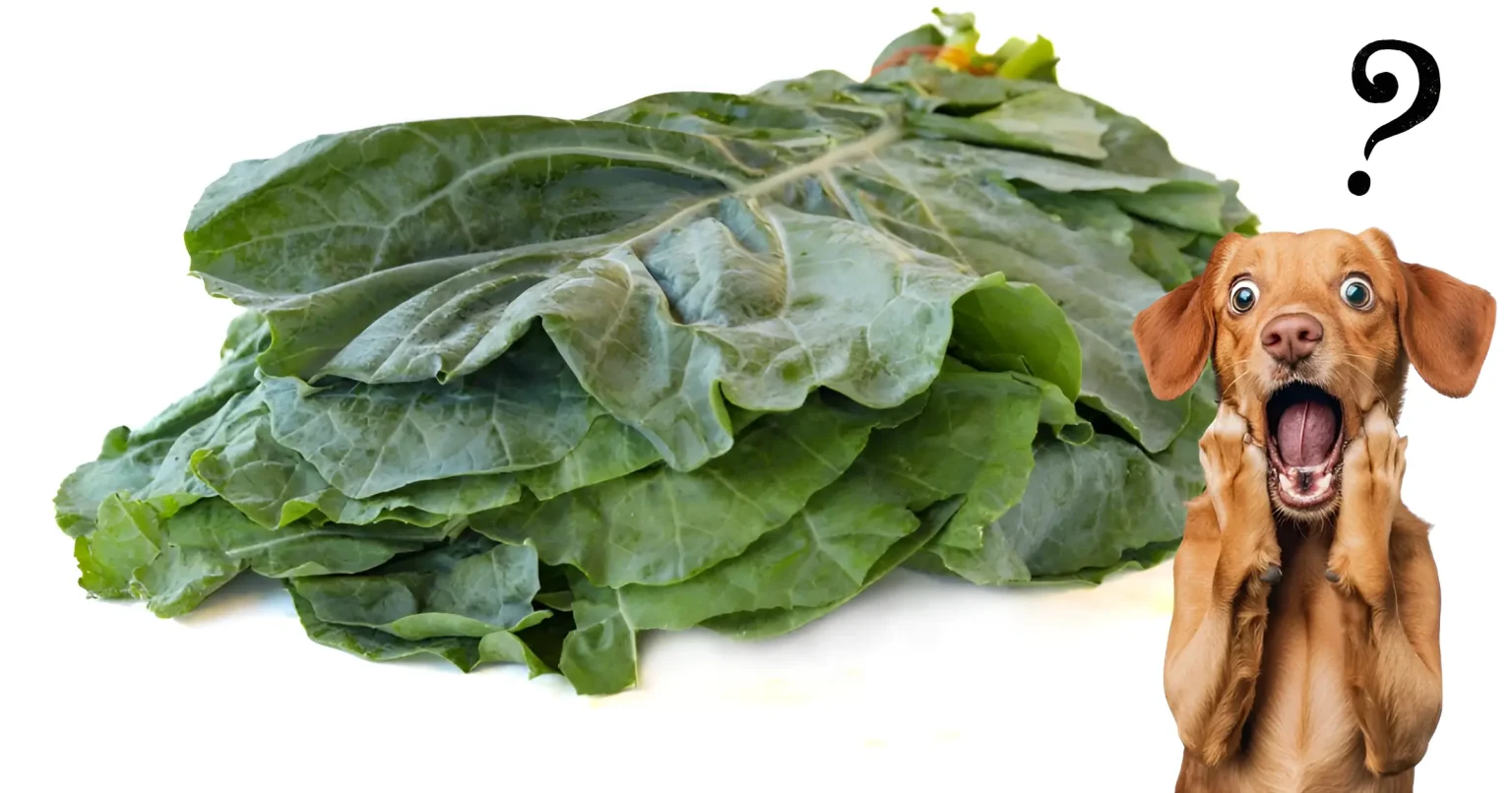
Can dogs eat collard greens? When it comes to feeding dogs human foods, most owners try to be very careful. Some vegetables are packed with nutrients that can genuinely help a dog’s health, while others can cause unexpected digestive problems. Collard greens are often seen as a nutritious leafy vegetable for people, but many dog owners still wonder: Is it safe for dogs to eat collard greens? Understanding the benefits, possible risks, and the right way to serve them is essential before adding this food to your dog’s diet.
Collard greens belong to the same family as kale, broccoli, and cabbage. They are known for their rich vitamin content, earthy flavor, and hearty leaves. While they can be a great supplement to a balanced diet, dogs have different digestive systems and nutritional needs. So every food must be examined carefully. The good news is that collard greens can be safe for many dogs, but they are not suitable for all dogs, and there are important guidelines to follow. Feeding this vegetable randomly or in large quantities can lead to problems, especially for sensitive pets.
Before giving collard greens to your dog, it’s important to understand how they work in a dog’s body. Dogs can digest vegetables, but they do not process plant fibers as effectively as humans. This means that some leafy greens may pass through undigested if they are not prepared properly. At the same time, collard greens carry natural compounds that can affect organs like the kidneys and thyroid when consumed in excess. So, moderation and proper preparation are essential.
Are Collard Greens Safe for Dogs?
Yes, dogs can eat collard greens in moderation, especially when cooked properly. They contain essential nutrients like Vitamin A, Vitamin C, Vitamin K, folate, and calcium. These nutrients support vision, immune function, blood clotting, and bone strength. Adding small amounts of collard greens can contribute to a healthier diet for dogs that enjoy vegetables.
However, “safe” doesn’t mean they can be fed freely. The vegetable carries a high amount of oxalates. These oxalates can interfere with calcium absorption and contribute to kidney stones in dogs that are already prone to urinary issues. So while healthy dogs can safely enjoy collard greens occasionally, dogs with kidney problems should avoid them completely.
Cooking is also very important. Raw collard greens have tough fibers that are difficult for dogs to digest. Cooking softens them and reduces the gas-forming compounds that might upset a dog’s stomach. Steam-cooking or boiling without salt, onions, or seasoning is the best approach. Dogs should never eat collard greens cooked in butter, spices, garlic, or any type of oil that can upset their stomach.
Nutritional Benefits of Collard Greens for Dogs
Collard greens are packed with nutrients that can support various functions in a dog’s body. While dogs don’t depend on vegetables the way humans do, these greens can provide a small nutritional boost.
They contain Vitamin K, which plays an important role in proper blood clotting and supports bone density. Dogs that receive enough Vitamin K are less likely to develop bruises and bone-related issues. Collard greens also contain Vitamin A, which keeps a dog’s eyesight sharp and helps maintain skin and coat health. Vitamin C, another key nutrient, helps support a dog’s immune system, especially during aging.
Fiber is another benefit. Many dogs struggle with constipation or irregular bowel movements, and small amounts of collard greens can help regulate digestion. Fiber keeps stools firm and supports overall gut health. However, too much fiber can cause gas or loose stools, so the amount should always remain small.
Collard greens also offer antioxidants that help reduce inflammation in the body. Older dogs, especially those suffering from joint stiffness or early arthritis, may receive some mild support from antioxidants naturally present in leafy greens.
Potential Risks of Feeding Collard Greens to Dogs
Even though collard greens are nutritious, they are not risk-free. One of the biggest concerns is the presence of calcium oxalate. This compound can bind with calcium inside the body and form crystals. Dogs that are prone to kidney stones or urinary blockages are not ideal candidates for collard greens. For these dogs, even a small amount may cause discomfort or worsen existing kidney issues.
Another concern is thyroid disruption. Collard greens belong to the cruciferous vegetable family, known to contain goitrogens. These substances can affect dogs with thyroid imbalances. If a dog already has hypothyroidism or is on medication, collard greens may interfere with thyroid hormone function.
Cooking helps reduce some risks but does not eliminate them completely. Overfeeding collard greens can cause bloating, diarrhea, stomach cramps, and flatulence. Dogs with sensitive stomachs may take time to adjust, so starting with very small portions is important.
Salt, butter, spices, garlic, and onions are unsafe for dogs, so collard greens should always be served plain. Many people prepare greens with seasonings, but these ingredients can be harmful or toxic to dogs. Even small amounts of garlic or onion can damage red blood cells in dogs, leading to serious health consequences.
How to Safely Prepare Collard Greens for Dogs
The safest way to prepare collard greens for dogs is to cook them thoroughly. Steaming them is the best method because it preserves nutrients while softening fibers. Boiling is also fine, but some vitamins may be lost in the water, which should not be served to the dog.
Before cooking, rinse the leaves well to remove any pesticides, dust, or dirt. Remove thick stems because they are harder to digest and can cause choking in smaller breeds. Cutting the leaves into small pieces helps dogs chew and digest them more easily.
Once cooked, allow the greens to cool completely. Dogs should never eat hot vegetables because they may burn their mouth or tongue. After cooling, mix the greens into your dog’s regular food in small amounts. A teaspoon for a small dog and a tablespoon for a medium or large dog is often enough to provide the nutritional benefits without causing digestive upset.
Avoid mixing the greens with any fats, oils, salt, or seasonings. Dogs do not need these additions, and they can cause stomach discomfort. If you want to make the greens more appealing, mixing them with chicken broth that does not contain salt, garlic, or onion is a safe option.
How Much Collard Greens Should Dogs Eat?
Portion control is extremely important. Dogs should only eat collard greens as an occasional addition, not as a daily vegetable. Feeding them too frequently can overload the dog with oxalates and fiber, leading to digestive issues or kidney problems.
Small dogs should have about a teaspoon of cooked collard greens mixed with their meal. Medium dogs can eat one tablespoon, and larger dogs may have two tablespoons. Anything more may cause loose stools or discomfort. Dogs that are not used to vegetables should always start with even smaller amounts.
Puppies should not eat collard greens because their digestive systems are more delicate. Pregnant dogs should also avoid them unless a veterinarian approves. Dogs with chronic kidney issues, thyroid disorders, or digestive sensitivities should not eat collard greens at all.
Can Collard Greens Help Dogs Lose Weight?
Many dog owners try to add vegetables to help their pets lose weight. Collard greens are low in calories and can help a dog feel fuller without increasing calorie intake. When used cautiously, they can be part of a weight-management plan for overweight dogs.
The fiber in collard greens slows digestion, meaning dogs may feel full longer. This can reduce begging behavior or frequent hunger between meals. However, greens should not be used as a replacement for high-quality dog food. Dogs still require protein, healthy fats, and essential nutrients that vegetables alone cannot provide.
Overweight dogs may benefit from having a small amount of collard greens added to their meals, but a veterinarian should always approve any diet change. Weight gain or loss should be monitored carefully, especially in older dogs.
Do Dogs Even Like Collard Greens?
Not all dogs enjoy leafy greens. Some dogs will eat vegetables eagerly, while others refuse them. Collard greens have a slightly bitter taste, so dogs may need time to get used to them. Mixing small amounts with their regular meal is often enough to help them accept the flavor.
If your dog refuses collard greens after a few attempts, do not force them. Many other safe vegetables exist, and dogs do not need collard greens specifically.
Signs Collard Greens Don’t Suit Your Dog
If your dog experiences vomiting, excessive gas, diarrhea, or visible stomach discomfort after eating collard greens, stop feeding them immediately. Every dog has a unique digestive system, and some are more sensitive than others.
Signs that collard greens may not suit your dog include:
– Reduced appetite
– Lethargy
– Repeated swallowing
– Excessive drooling
– Straining during bowel movements
– Increased thirst
If symptoms continue for more than a few hours, consulting a veterinarian is the safest step.
Conclusion-can dogs eat collard greens
Collard greens can be a healthy addition to some dogs’ diets when prepared and served correctly. They provide valuable vitamins, antioxidants, and fiber that support different aspects of health. However, they must always be cooked, served in small amounts, and avoided in dogs with kidney or thyroid issues. Moderation is key, and understanding your dog’s specific health needs is essential.
If your dog responds well to collard greens, they can safely enjoy them occasionally. If not, there are plenty of other vegetables that may suit them better. The goal is always to keep your dog healthy, comfortable, and happy.
FAQs
1. Can dogs eat raw collard greens?
No, raw collard greens are too tough and may cause digestive issues. Always cook them before serving.
2. Are collard greens toxic to dogs?
They are not toxic, but they contain oxalates, which can harm dogs with kidney problems.
3. How often can dogs eat collard greens?
Once or twice a week in very small portions is usually enough.
4. Can puppies eat collard greens?
No, puppies have delicate stomachs and should avoid collard greens.
5. Are collard green stems safe for dogs?
Stems are tough and difficult to digest, so it’s better to remove them before cooking.
For More Visits: AnimalsInfo
Also Read: Can Dogs Eat Swiss Chard? Powerful 2025 Healthy Guide