


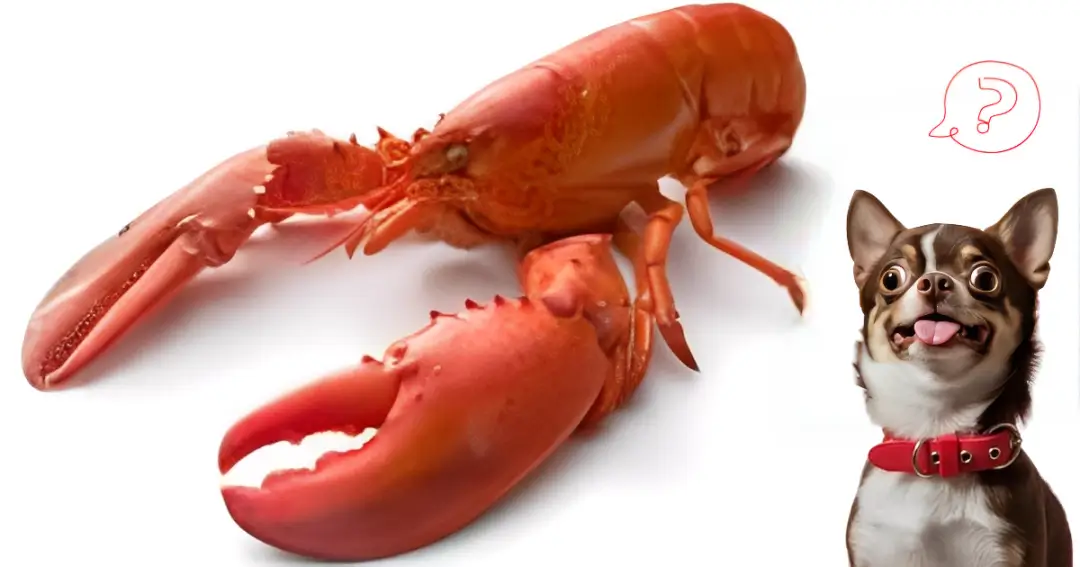
Seafood is a favorite for many humans, and lobster is often considered one of the most luxurious meals. But when you’re enjoying lobster, you might notice your dog staring up at you with those big, pleading eyes. This raises an important question: Can dogs eat lobster safely?
While lobster can provide certain nutritional benefits for dogs, there are also risks you need to consider. In this detailed guide, we’ll explore the nutritional profile, potential health benefits, dangers, preparation tips, and expert recommendations to help you decide whether feeding lobster to your dog is a good idea.
Understanding Lobster as a Food for Dogs
Before asking, can dogs eat lobster, it’s important to understand what lobster actually offers. Lobster meat is rich in:
- Protein – Helps with muscle development and repair.
- Omega-3 fatty acids – Supports skin, coat, and heart health.
- Vitamins and minerals – Includes vitamin B12, zinc, magnesium, and phosphorus.
While these nutrients are beneficial, lobster also contains high levels of sodium and cholesterol, which can be harmful to dogs if consumed in large amounts.
Can Dogs Eat Lobster – The Short Answer
Yes, dogs can eat lobster in moderation, but only if it’s cooked, plain, and served without seasonings, butter, or sauces. Raw lobster is unsafe due to the potential presence of bacteria and parasites, while heavily seasoned lobster dishes can be harmful because of added salt, garlic, or onion.
The key to safely feeding lobster is portion control and careful preparation
Health Benefits of Lobster for Dogs
When you ask can dogs eat lobster from a nutritional perspective, there are several benefits if served in the right way:
- High-Quality Protein – Lobster provides lean protein that supports muscle strength and overall health.
- Omega-3 Fatty Acids – These fatty acids help reduce inflammation, improve skin condition, and enhance coat shine.
- Essential Minerals – Zinc, phosphorus, and magnesium aid in bone health, immune function, and energy production.
- Vitamin B12 – Helps maintain nerve function and supports healthy digestion.
Risks and Precautions
While the answer to can dogs eat lobster may be “yes” in moderation, there are important risks to keep in mind:
- High Sodium Levels – Excess sodium can lead to dehydration, increased blood pressure, or even salt poisoning.
- Cholesterol Concerns – Lobster is naturally high in cholesterol, which can impact dogs with heart conditions.
- Allergic Reactions – Some dogs may develop allergies to shellfish, leading to itching, swelling, or digestive upset.
- Choking Hazards – Lobster shells are hard and sharp, which can injure your dog’s mouth or digestive tract.
Safe Ways to Feed Lobster to Dogs
If you decide to give lobster to your dog, follow these steps to make it safe:
- Cook Thoroughly – Boil or steam lobster until fully cooked to kill any harmful bacteria.
- Remove the Shell Completely – Only serve the meat, never the shell or legs.
- Serve Plain – Avoid butter, salt, garlic, or spices.
- Offer Small Portions – Limit the serving to a bite or two for small dogs, and a few bites for larger dogs.
- Monitor for Reactions – Watch for any signs of allergies, such as itching, vomiting, or diarrhea.
Can Dogs Eat Lobster Shells?
Absolutely not. Lobster shells are dangerous for dogs to eat. They can cause choking, blockages, or even internal injuries. Even small shell fragments can cause serious harm, so always make sure the meat is free from any shell pieces before serving.
How Often Can Dogs Eat Lobster?
Even if the answer to can dogs eat lobster is yes, it should only be given as an occasional treat, not a regular part of their diet. Once every few months or on special occasions is enough. Lobster should never replace a dog’s main source of nutrition, which should be a balanced, vet-approved dog food.
Signs of Lobster Allergy in Dogs
If you’re trying lobster for the first time, keep an eye out for signs of an allergic reaction:
- Red or itchy skin
- Swelling around the face or mouth
- Vomiting or diarrhea
- Difficulty breathing (in severe cases)
If any of these symptoms appear, stop feeding lobster and contact your veterinarian immediately.
Alternatives to Lobster for Dogs
If you’re still asking can dogs eat lobster, but want to avoid risks, there are safer seafood options, such as:
- Cooked salmon (boneless)
- Cooked shrimp (plain, no shells)
- Canned tuna in water (in moderation)
These provide similar protein and omega-3 benefits without as much sodium or cholesterol.
Expert Opinion – Veterinarian Perspective
Veterinarians generally agree that while dogs can eat lobster, it’s not a necessary addition to their diet. The risks often outweigh the benefits unless it’s prepared very carefully and served in tiny amounts. A vet might approve lobster for a healthy dog, but strongly caution against it for dogs with kidney disease, heart conditions, or allergies.
Final Verdict – Can Dogs Eat Lobster?
The answer is yes, but with caution. Lobster can be a tasty, protein-rich treat for dogs if it’s cooked, plain, and served in small amounts. However, its high sodium and cholesterol content mean it should be an occasional indulgence rather than a regular meal.
Always remember: moderation is key, preparation is essential, and observation is crucial when introducing any new food to your dog’s diet.
For More Visits: Animalsinfo
Also Read: Sayote for Dogs Healthy Guide 2025 – Powerful Benefits