


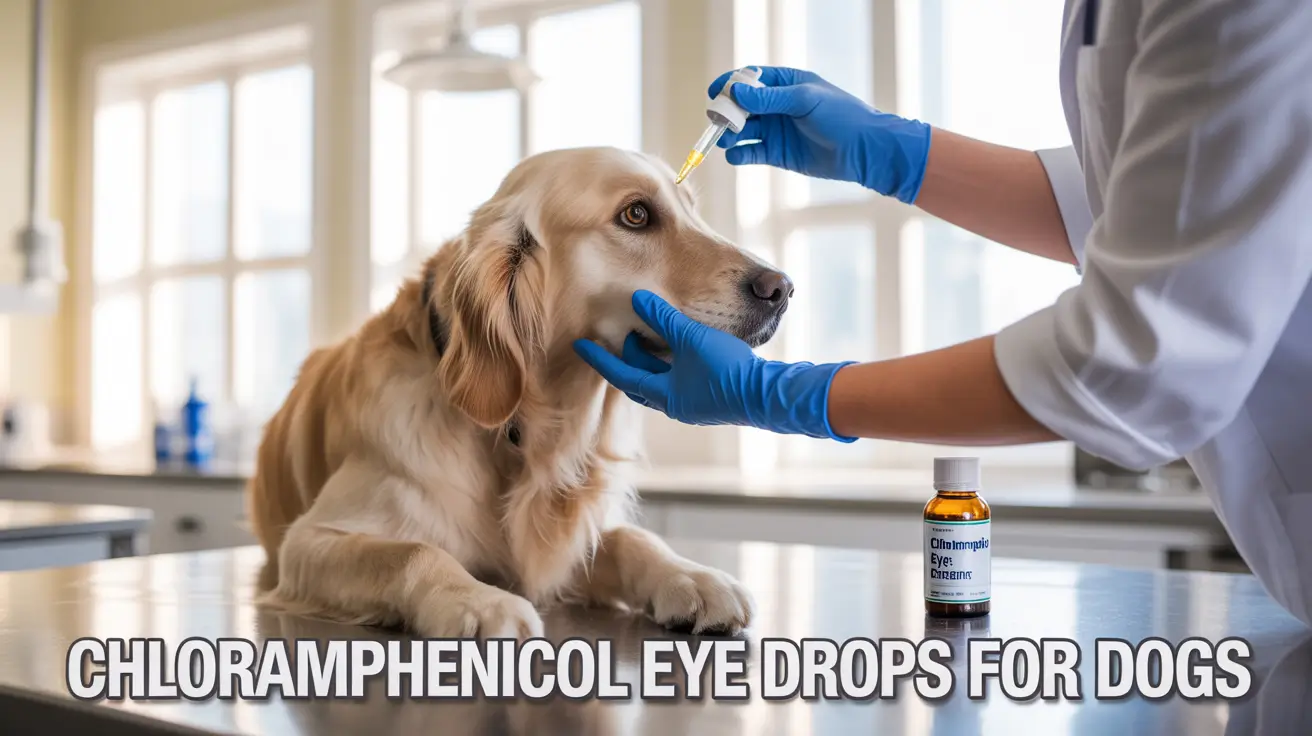
When your dog’s eyes become red, irritated, or infected, finding an effective treatment is essential. One commonly prescribed option by veterinarians is Chloramphenicol eye drops for dogs. This antibiotic medication is known for treating various bacterial eye infections and helping pets recover quickly. But before using it, it’s important to understand how it works, when it’s safe, and what precautions you should take.
What Are Chloramphenicol Eye Drops for Dogs?
Chloramphenicol eye drops for dogs are a type of broad-spectrum antibiotic used to treat bacterial infections in a dog’s eyes. They work by stopping bacteria from growing and spreading, allowing your dog’s immune system to heal the infection. The drops target a wide range of bacteria that cause conjunctivitis (pink eye), keratitis, and other eye infections.
Veterinarians often prescribe these drops because they are effective against both gram-positive and gram-negative bacteria. This makes Chloramphenicol eye drops for dogs a reliable choice for treating mild to moderate infections.
When Are Chloramphenicol Eye Drops Used?
Your veterinarian may recommend Chloramphenicol eye drops for dogs if your pet shows signs of:
- Redness or swelling in the eyes
- Excessive tearing or discharge
- Squinting or pawing at the eyes
- Cloudy or crusty buildup around the eyelids
These symptoms are often linked to bacterial infections such as conjunctivitis. However, the drops are not effective against viral or fungal infections, so accurate diagnosis by a vet is crucial.
How Do Chloramphenicol Eye Drops Work?
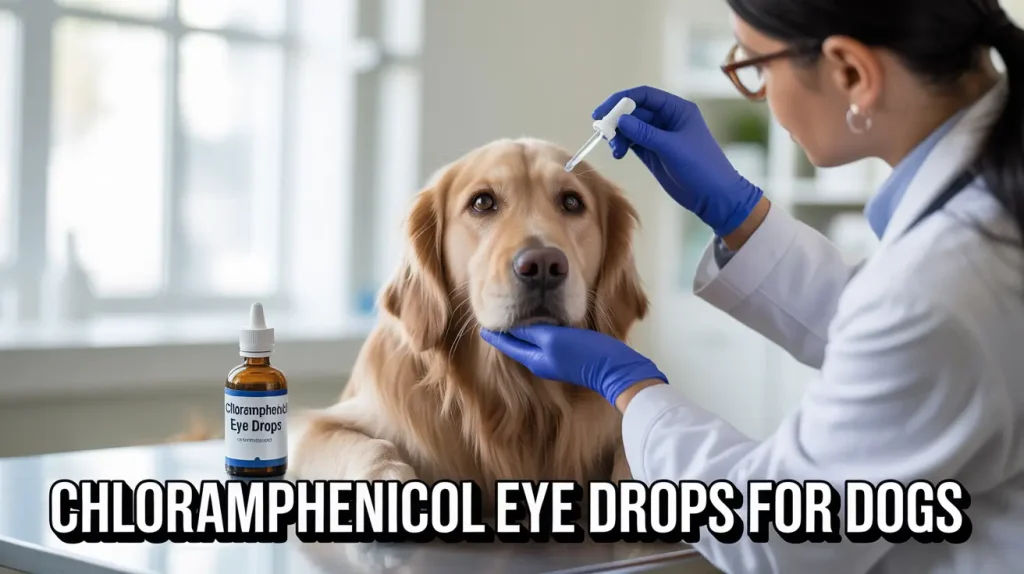
Chloramphenicol works by blocking the bacteria’s ability to produce essential proteins, which are necessary for their survival. Once the bacteria stop multiplying, the infection starts to clear up. When used correctly, Chloramphenicol eye drops for dogs usually show improvement in symptoms within a few days.
The drops are typically applied directly to the affected eye, allowing the medication to act quickly where it’s needed most.
How to Use Chloramphenicol Eye Drops for Dogs
Before using the drops, make sure your hands are clean. Follow these steps for safe application:
- Gently wipe any discharge from your dog’s eye using a soft, damp cloth.
- Hold your dog’s head still and tilt it slightly upward.
- Gently pull down the lower eyelid to create a small pocket.
- Apply the prescribed number of drops into the eye pocket.
- Allow your dog to blink naturally to spread the medication evenly.
Avoid touching the dropper tip to your dog’s eye or fur, as this can contaminate the bottle. Always follow your vet’s dosage instructions carefully.
Possible Side Effects of Chloramphenicol Eye Drops
While generally safe, Chloramphenicol eye drops for dogs can sometimes cause mild side effects such as:
- Temporary eye irritation or redness
- Slight itching or tearing
- Light sensitivity
If your dog’s symptoms worsen or you notice swelling, severe discomfort, or signs of an allergic reaction, stop using the drops and contact your vet immediately. Prolonged use without veterinary supervision can lead to antibiotic resistance or toxicity.
Can You Use Human Chloramphenicol Eye Drops on Dogs?
Many pet owners wonder if they can use human versions of this medication. Although the active ingredient is the same, you should never use human Chloramphenicol eye drops for dogs without a veterinarian’s approval. Human formulations may contain preservatives or concentrations that are not safe for pets.
Using the wrong type or dose could worsen your dog’s condition or cause unnecessary irritation. Always use medication prescribed specifically for your pet.
How Long Does Treatment Last?
The treatment duration for Chloramphenicol eye drops for dogs typically lasts between 7 to 10 days, depending on the severity of the infection. Some cases may require longer treatment, especially if the infection is chronic.
Even if your dog’s symptoms improve quickly, never stop the medication early without your vet’s approval. Doing so can allow the infection to return or become resistant to antibiotics.
Precautions to Take When Using Chloramphenicol Eye Drops
- Consult your vet first: Never start treatment without professional advice.
- Avoid contact with other pets: If your dog has an eye infection, keep them separated to prevent spreading bacteria.
- Store properly: Keep the drops in a cool, dry place and avoid exposure to sunlight.
- Do not share medications: What works for one dog may not suit another.
Alternatives to Chloramphenicol Eye Drops
If your dog is allergic or doesn’t respond well to Chloramphenicol, your vet may suggest alternatives such as:
- Tobramycin eye drops
- Ofloxacin ophthalmic solution
- Terramycin ointment
- Ciprofloxacin drops
Each antibiotic works differently, so the right choice depends on the bacteria causing the infection.
When to See a Vet
If your dog’s eyes remain red, swollen, or discharge continues even after a few days of using Chloramphenicol eye drops for dogs, it’s time for a follow-up. Persistent symptoms may indicate a more serious condition, such as a corneal ulcer or allergic reaction, that needs different treatment.
Conclusion
Chloramphenicol eye drops for dogs are an effective, vet-approved solution for treating bacterial eye infections. When used under proper guidance, they can bring quick relief and prevent complications. However, never self-diagnose or medicate your pet without consulting a veterinarian. Eye infections can worsen rapidly, so early and professional care is always the safest choice.
FAQs
Can I use human Chloramphenicol drops on my dog?
No, always use drops prescribed specifically for dogs by your veterinarian.
How long do Chloramphenicol drops take to work?
Most dogs show improvement within 2–3 days, but always complete the full course of treatment.
Are there side effects?
Mild irritation or redness is common, but severe reactions require immediate vet attention.
Can puppies use Chloramphenicol eye drops?
Yes, but only under strict veterinary supervision to ensure the correct dosage and safety.
What if my dog’s symptoms return after treatment?
Revisit your vet immediately; the infection may have returned or require a stronger antibiotic.
For More Visits: Animalsinfo
Also Read: Can Dogs Eat Fig Bars? 7 Amazing 2025 Health Insights