


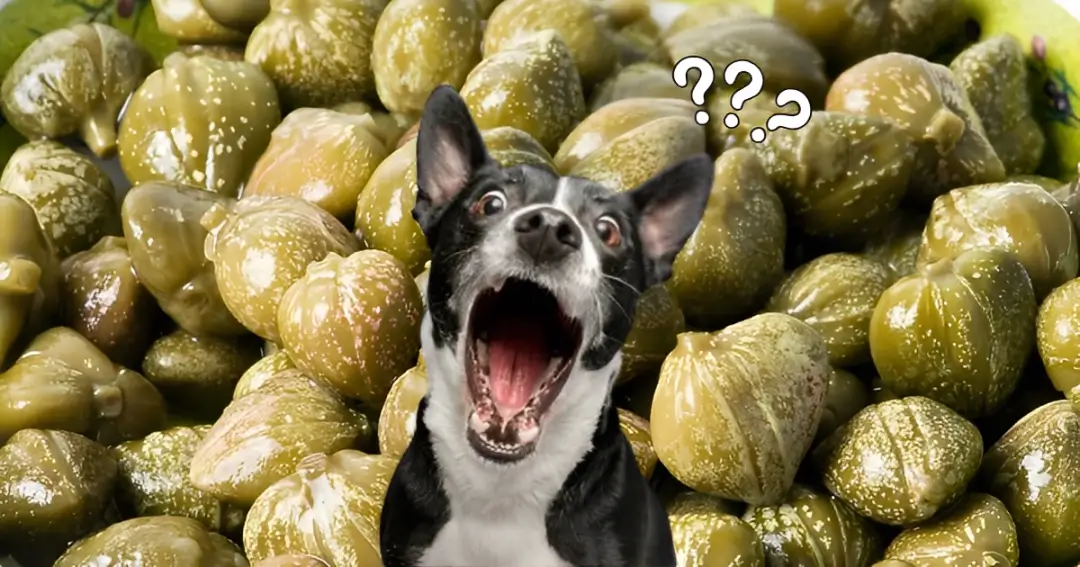
When it comes to feeding our furry friends, it’s normal to wonder if certain human foods are safe for them. One such food that sparks curiosity is capers. These tiny green buds are often used in Mediterranean dishes to add a burst of tangy flavor. But while they may enhance our meals, the question remains: can dogs eat capers safely?
This article explores the nutritional aspects, health benefits, potential risks, and professional recommendations regarding dogs and capers. By the end, you’ll have a clear answer on whether capers deserve a place in your dog’s bowl or if they should stay strictly in your pantry.
Understanding What Capers Are
Capers are the small, pickled flower buds of the Capparis spinosa plant. They’re harvested, dried, and then preserved in brine, vinegar, or salt. Their distinct flavor is strong, salty, and slightly bitter, making them a popular ingredient in pasta, sauces, and seafood recipes.
While this makes them enjoyable for humans, capers aren’t a staple food for dogs. In fact, the way they’re prepared raises concerns about their suitability for canine diets.
Can Dogs Eat Capers?
The straightforward answer is: dogs can technically eat capers, but it’s not recommended.
The main issue lies in how capers are preserved. Most capers sold in stores come packed in brine or vinegar, making them very high in sodium. Excessive salt can be harmful to dogs, leading to dehydration, high blood pressure, or in severe cases, sodium poisoning.
While a single caper isn’t likely to harm your pet, offering them regularly or in large amounts can cause health complications.
Nutritional Profile of Capers
Capers contain certain nutrients, but their value is more significant for humans than dogs. A small serving of capers may include:
- Vitamins A, K, and C
- Minerals like calcium, iron, and magnesium
- Antioxidants such as quercetin and rutin
- Dietary fiber
For dogs, these nutrients are not substantial enough to outweigh the risks associated with sodium and preservatives. In other words, the potential benefits are minimal compared to the dangers.
Why Capers Can Be Unsafe for Dogs
1. High Sodium Levels
Capers preserved in brine or salt carry an extremely high sodium content. Dogs do not process salt the same way humans do, and too much sodium can cause excessive thirst, urination, or more severe conditions like kidney stress.
2. Vinegar and Brine Preservatives
Capers are often pickled in vinegar, which can upset your dog’s stomach. Vomiting, diarrhea, and discomfort are common side effects if your dog consumes vinegar-based foods.
3. Lack of Canine Dietary Need
Capers don’t provide any essential nutrients that your dog cannot get from regular dog food. Feeding them capers is unnecessary and could disrupt a balanced diet.
What Happens If Your Dog Eats Capers Accidentally?
If your dog manages to snatch a caper or two, don’t panic. A very small amount is unlikely to cause harm. However, you should monitor your pet for signs of discomfort such as:
- Excessive thirst or drooling
- Diarrhea or vomiting
- Lethargy or restlessness
If large quantities of capers were consumed, especially those preserved in vinegar or salt, contact your veterinarian immediately for guidance.
Are Fresh Capers Safe?
Technically, fresh (non-pickled) capers contain fewer risks since they aren’t packed with salt or vinegar. However, fresh capers are rarely available in stores, and even then, they still don’t offer much benefit to your dog’s diet. It’s better to stick to proven dog-safe treats like carrots, apples, or cooked lean meats.
Healthy Alternatives to Capers for Dogs
If you want to add variety or flavor to your dog’s meals, consider these safe alternatives instead of capers:
- Carrots – Crunchy, low in calories, and full of vitamin A.
- Blueberries – Rich in antioxidants and safe in moderation.
- Pumpkin – A natural source of fiber that aids digestion.
- Cucumber slices – Hydrating, refreshing, and low in calories.
These options are far safer and provide actual nutritional benefits without the risks associated with capers.
Veterinarian Opinions on Dogs Eating Capers
Veterinarians generally discourage giving dogs capers. While they’re not considered toxic in the same way as chocolate, grapes, or onions, the high sodium and acidity from brine or vinegar make them a poor food choice.
Experts emphasize that dogs thrive best on a diet formulated for their specific nutritional needs. Adding unnecessary foods like capers only increases the chances of digestive problems and long-term health issues.
Can Puppies Eat Capers?
Puppies are even more sensitive than adult dogs. Their developing systems cannot handle the high sodium or vinegar found in preserved capers. Feeding capers to puppies could cause stomach upset, dehydration, or serious complications. Always stick to puppy-safe treats recommended by your vet.
Long-Term Risks of Feeding Dogs Capers
If capers are fed consistently, the long-term effects may include:
- Increased risk of kidney damage from excessive sodium
- Digestive tract irritation due to vinegar
- Nutritional imbalance in their overall diet
Given these risks, it’s clear that capers should not become a regular part of your dog’s diet.
Key Takeaway
So, can dogs eat capers? The safest answer is no. While a small accidental bite isn’t likely to cause harm, deliberately feeding capers to your dog isn’t advisable. Their high sodium content, preservation methods, and lack of essential nutrients make them more of a risk than a reward.
If you want to treat your dog, choose vet-approved foods that add value to their health rather than questionable ingredients like capers.
FAQs About Dogs and Capers
Q1: Are capers toxic to dogs?
No, capers aren’t classified as toxic, but they are unsafe due to their sodium and vinegar content.
Q2: What should I do if my dog eats capers?
Monitor your dog closely. If they ate only one or two, they’ll likely be fine. If they consumed many, contact your vet right away.
Q3: Can dogs eat food seasoned with capers?
It’s best to avoid giving your dog any food that contains capers, since other ingredients like garlic, onion, or spices may also be harmful.
Q4: Are fresh capers better for dogs than pickled ones?
Fresh capers are safer because they don’t contain added salt or vinegar, but they still aren’t recommended as a treat.
Q5: What snacks are better alternatives to capers for dogs?
Carrots, apples, blueberries, and cucumbers are excellent, safe choices that offer real nutritional benefits.
For More Visits: Animalsinfo