

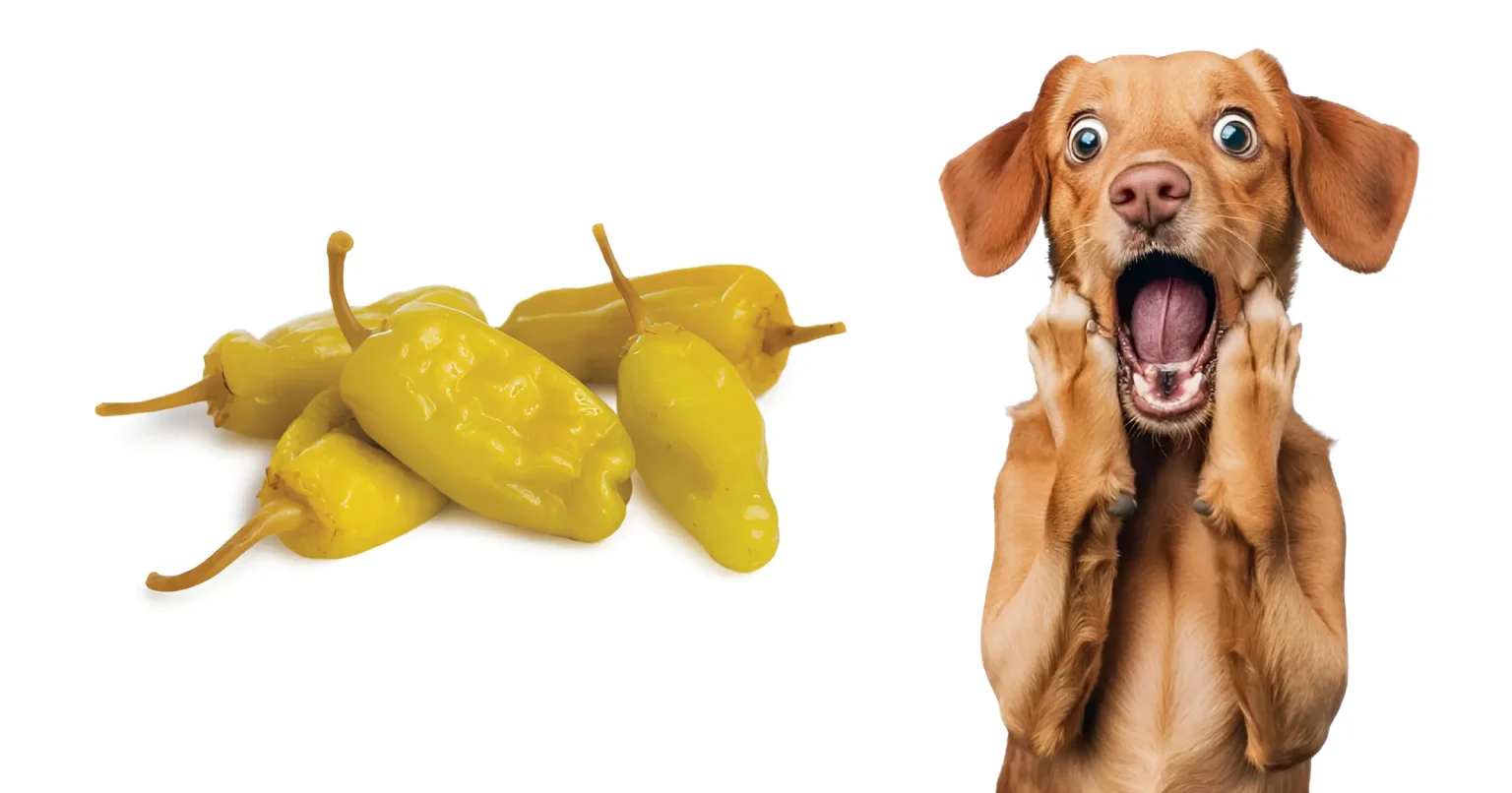
Pepperoncinis are tangy, mildly spicy pickled peppers often served on sandwiches, salads, and antipasto platters. Their bright color and distinct flavor make them popular among humans, but if you’ve ever noticed your dog eyeing your plate, you might wonder: can dogs have pepperoncinis?
While it may be tempting to give your dog a small bite, pepperoncinis are not safe for dogs. Their acidity, spice, sodium content, and pickling brine can create serious health risks. Understanding these dangers, safe alternatives, and what to do if your dog consumes pepperoncinis is essential for responsible pet ownership.
What Are Pepperoncinis?
Pepperoncinis, also called Tuscan peppers or golden Greek peppers, are small, mildly spicy chili peppers. They are commonly pickled in vinegar and salt, giving them a tangy flavor. The pickling liquid often contains added sugar, garlic, or other spices, which can make them more harmful to dogs.
While humans enjoy their unique taste, dogs have very different digestive systems. Foods that are safe for humans may be irritating or toxic to dogs.
Can Dogs Eat Pepperoncinis?
The simple answer is no. Dogs should not eat pepperoncinis or any pickled peppers. Here’s why:
- Acidity: The vinegar used in pickling is highly acidic and can upset a dog’s stomach, causing vomiting, diarrhea, and discomfort.
- Spices: Pepperoncinis may contain mild chili compounds. Dogs are sensitive to capsaicin, the chemical that gives peppers their heat. Even small amounts can cause irritation.
- Sodium: Pickled foods are high in sodium, which is harmful to dogs. Excessive sodium can lead to dehydration, kidney stress, and in severe cases, sodium poisoning.
- Garlic or other additives: Some pickled peppers include garlic or onion, both of which are toxic to dogs and can damage red blood cells, causing anemia.
Even a single pepperoncinis may cause mild digestive upset, while larger amounts or regular feeding can be dangerous.
Why Pepperoncinis Are Risky for Dogs
1. Stomach Irritation
Dogs’ stomachs are not designed to handle spicy or acidic foods. Eating pepperoncinis may cause gas, vomiting, diarrhea, or abdominal pain. Some dogs are more sensitive than others, but even small bites can lead to discomfort.
2. High Sodium Content
Pickled foods are loaded with salt. Dogs are much more sensitive to sodium than humans, and too much can cause thirst, urination, dehydration, or sodium toxicity. Symptoms of sodium poisoning include vomiting, diarrhea, tremors, seizures, and even death in extreme cases.
3. Garlic or Onion Toxicity
Some pepperoncinis are pickled with garlic or onion for flavor. Both of these ingredients are toxic to dogs. Even small amounts over time can lead to anemia, weakness, and lethargy.
4. Capsaicin Sensitivity
While pepperoncinis are considered mild peppers for humans, dogs have very low tolerance for capsaicin. Ingesting spicy foods can lead to burning sensations, drooling, pawing at the mouth, and digestive distress.
Can Puppies Eat Pepperoncinis?
Puppies should never eat pepperoncinis. Their digestive systems are immature and extremely sensitive to acidic, spicy, or salty foods. Exposure can cause vomiting, diarrhea, dehydration, or irritation, which can be dangerous for growing puppies.
What Happens if a Dog Eats Pepperoncinis?
The reaction depends on the dog’s size, age, and sensitivity:
- Small licks: May cause mild digestive upset such as gas or loose stool.
- Moderate amounts: Likely vomiting, diarrhea, drooling, or stomach pain.
- Large amounts: Risk of sodium toxicity, dehydration, or severe gastrointestinal distress.
If your dog consumes a significant quantity, it is important to contact your veterinarian immediately.
Signs of Pepperoncini Toxicity in Dogs
After ingestion, watch for these symptoms:
- Vomiting
- Diarrhea or soft stools
- Excessive drooling
- Pawing at the mouth or face
- Abdominal pain or bloating
- Weakness or lethargy
Severe reactions, particularly from garlic or onion additives, require urgent veterinary care.
Are There Any Nutritional Benefits?
Pepperoncinis provide no nutritional benefit for dogs. They contain no essential nutrients that dogs require, and the risks of acidity, sodium, and spice far outweigh any potential benefit.
Safe Alternatives for Dogs
If you want to give your dog a treat or crunchy snack, there are safer options:
- Carrot sticks – Low calorie and crunchy, great for teeth.
- Cucumber slices – Hydrating and safe for dogs.
- Bell peppers – Mild, sweet, and safe when raw or cooked, without pickling.
- Green beans – Nutritious and low-calorie treat.
These options provide flavor, crunch, and some vitamins without harmful additives.
Why Humans Give Pepperoncinis to Dogs
Some owners give pepperoncinis as treats because dogs are curious and sniff food from the table. Others may use small amounts to hide medications. However, even small quantities can cause unnecessary risk, and there are much safer ways to administer treats or medication.
Moderation Is Key, But Avoidance Is Better
While moderation is often recommended for treats, pepperoncinis should be avoided entirely due to their acidity, spice, sodium, and potential toxic additives. Choosing safe, dog-friendly foods ensures your pet’s health and prevents digestive or systemic problems.
Training Treat Alternatives
For training, consider dog-specific treats or small pieces of safe fruits and vegetables. These are easier to digest, lower in sugar, and safer for rewarding good behavior.
- Small cubes of cooked chicken
- Tiny pieces of apple (seed removed)
- Blueberries or strawberries
These alternatives satisfy your dog without risking stomach upset or toxicity.
Final Verdict
So, can dogs have pepperoncinis? The answer is a firm no. Pepperoncinis contain acidity, spices, high sodium, and sometimes garlic, all of which can harm dogs. Even a small bite may cause vomiting or diarrhea, and larger amounts can lead to serious health risks.
Dogs should only be given foods specifically safe for canine consumption. If you want to share a treat, stick to dog-friendly vegetables, fruits, or commercially prepared dog treats.
FAQs
Can dogs eat a small piece of pepperoncini?
Even a tiny piece can cause digestive upset and is not recommended.
Why are pepperoncinis dangerous for dogs?
They contain acid, spice, high sodium, and sometimes garlic, all of which can harm a dog’s stomach and overall health.
Can puppies eat pepperoncinis?
No. Puppies have sensitive digestive systems and should avoid spicy, salty, or pickled foods.
Are there any safe alternatives to pepperoncinis for dogs?
Yes. Carrots, cucumbers, bell peppers, and green beans are healthy, crunchy, and safe options.
What should I do if my dog eats pepperoncinis?
Monitor for vomiting, diarrhea, drooling, or weakness. If symptoms are severe or large amounts were eaten, contact a veterinarian immediately.
For More Visits: Animalsinfo
Also Read: Can Dogs Have Condensed Milk Safely? Top Guide 2026