

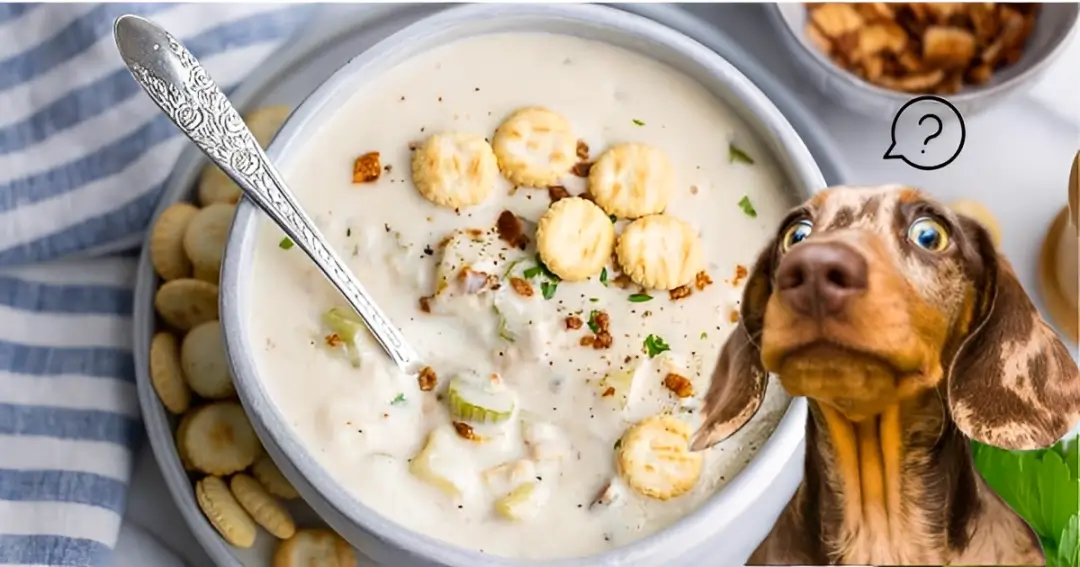
Clam chowder is one of those comforting dishes people enjoy on a chilly evening or as a hearty meal at a restaurant. It’s rich, creamy, and flavorful, often served with bread or crackers. Because dogs are naturally curious about human food, many pet owners wonder: can dogs eat clam chowder?
The short and safe answer is no. While clams themselves may not always be harmful, clam chowder contains multiple ingredients that can be dangerous or unhealthy for dogs. From dairy and cream to seasonings like onion and garlic, this dish is not designed with canine health in mind. In this comprehensive guide, we’ll explore the reasons why clam chowder isn’t safe for dogs, what could happen if they eat it, healthier alternatives, and what to do if your dog sneaks a taste.
Understanding What’s in Clam Chowder
To decide if clam chowder is safe for dogs, it’s important to look at the ingredients. A typical clam chowder recipe includes:
- Clams – Seafood rich in protein and omega-3 fatty acids, but often cooked with heavy seasoning.
- Dairy (milk, cream, or butter) – Many dogs are lactose intolerant, making dairy products a common cause of digestive upset.
- Potatoes – Cooked potatoes are generally safe, but in clam chowder they are soaked in cream and butter.
- Onion and garlic – Both are toxic to dogs and can damage red blood cells, leading to anemia.
- Bacon or pork fat – High in sodium and fat, which can contribute to obesity and pancreatitis.
- Salt and spices – Excess sodium harms dogs’ kidneys and overall health.
When you put all of this together, clam chowder becomes a recipe for digestive issues and potential long-term health problems in dogs.
Are Clams Safe for Dogs by Themselves?
On their own, clams can sometimes be safe for dogs if prepared correctly. They are high in protein, low in fat, and contain nutrients like iron, zinc, and vitamin B12. However, clams must be cooked plain and served without seasoning, butter, or oil. Even then, moderation is key because too much seafood can upset a dog’s stomach.
The problem is that clam chowder never contains plain clams. By the time they are mixed with cream, salt, garlic, and onions, the dish becomes unsafe.
Why Clam Chowder is Bad for Dogs
There are several reasons why clam chowder should not be shared with your dog:
- Dairy overload – The milk, cream, and butter used in clam chowder can cause bloating, diarrhea, and discomfort in lactose-intolerant dogs.
- Onion and garlic toxicity – Even small amounts can harm your dog’s blood cells and cause weakness or lethargy.
- Excess fat – Bacon, pork fat, and butter raise the fat content, increasing the risk of pancreatitis.
- High sodium levels – Too much salt can lead to dehydration, excessive thirst, or even sodium poisoning.
- Seasonings and additives – Black pepper, herbs, or artificial thickeners may irritate a dog’s digestive system.
In short, clam chowder is a human comfort food that doesn’t align with canine nutritional needs.
What Happens If a Dog Eats Clam Chowder?
The effects of clam chowder on dogs depend on the amount consumed and the individual dog’s size and health. Possible outcomes include:
- Mild stomach upset: vomiting, diarrhea, gas, or bloating.
- Allergic reactions: itching, skin irritation, or swelling.
- Toxic reactions: if onion or garlic levels are high, anemia can develop over time.
- Pancreatitis: fatty foods may trigger inflammation of the pancreas, leading to abdominal pain, loss of appetite, and vomiting.
- Dehydration: excess salt intake can cause your dog to drink excessively or become restless.
Small licks may not always cause severe harm, but larger portions can make your dog very sick.
What To Do If Your Dog Eats Clam Chowder
If your dog accidentally eats clam chowder, here’s what you should do:
- Check the ingredients: Did the recipe contain onion, garlic, or bacon? These are red flags.
- Observe your dog: Watch for signs of vomiting, diarrhea, or unusual fatigue.
- Call your vet: If the chowder contained toxic ingredients or your dog ate a large amount, contact your veterinarian right away.
- Provide fresh water: This helps reduce dehydration caused by salty or fatty foods.
Prompt action can make a big difference in keeping your dog safe.
Safer Alternatives to Clam Chowder for Dogs
If you want to give your dog a seafood-inspired treat, skip clam chowder and try these healthier options:
- Plain cooked clams – Steamed without butter, salt, or spices, clams can be served in small amounts.
- Fish treats – Salmon or whitefish cooked plain can provide omega-3s without harmful additives.
- Homemade dog stews – Made with lean meat, rice, and vegetables like carrots and peas.
- Commercial seafood dog treats – Specially designed for dogs, free from harmful seasonings.
These options provide taste and nutrition without the dangers of clam chowder.
Why Dogs Crave Human Food Like Clam Chowder
Dogs are naturally curious about the food their owners eat. The smell of rich, creamy chowder can be irresistible, but that doesn’t mean it’s good for them. Sharing your meals may feel like bonding, but dogs thrive on diets tailored to their needs. Sticking to safe dog foods and snacks prevents health issues down the line.
Training Dogs Not to Beg for Unsafe Foods
Preventing your dog from eating dangerous dishes like clam chowder often comes down to training. Teach your dog basic commands like “leave it” or “stay” when food is on the table. Offer safe dog treats instead to redirect their attention. Over time, your pet will learn that not all human foods are meant to be shared.
FAQs About Can Dogs Eat Clam Chowder
1. Can dogs eat clams if they are cooked plain?
Yes, small amounts of plain cooked clams without seasoning can be safe, but they should be given rarely and in moderation.
2. Is clam chowder toxic to dogs?
Clam chowder itself is not immediately toxic, but ingredients like onion, garlic, and high fat levels make it unsafe.
3. What should I do if my dog ate clam chowder with onion or garlic?
Contact your vet immediately, as these ingredients can damage your dog’s red blood cells and cause anemia.
4. Can dogs eat seafood in general?
Some seafood, like plain salmon or whitefish, can be safe for dogs. However, shellfish and seasoned seafood dishes are not recommended.
5. What are signs of food poisoning in dogs?
Common signs include vomiting, diarrhea, weakness, loss of appetite, and unusual behavior. If these occur, call your vet.
6. Can puppies eat clam chowder?
No. Puppies have more sensitive digestive systems and should never eat rich, fatty, or seasoned foods like clam chowder.
7. Are there dog-safe soup recipes?
Yes, you can make broth-based soups with lean chicken, rice, and carrots. Always avoid salt, onion, and garlic.
Final Thoughts
So, can dogs eat clam chowder? The answer is no. While plain clams may be safe in moderation, clam chowder combines dairy, salt, onion, garlic, and fatty ingredients that make it unsafe for dogs. Even a small serving could upset your dog’s stomach, while larger amounts may lead to more serious issues.
If you want to share a treat, stick to dog-friendly alternatives like plain seafood or specially made dog treats. Keeping clam chowder off your dog’s plate ensures their health and happiness for years to come.
For More Visits: Animalsinfo
Also Read: Can Dogs Have Pistachio Ice Cream: 7 Sweet Facts 2025